
Custom Solutions in Marine Construction and Docks
Table of Contents
The Role of Geotextiles in Marine Construction
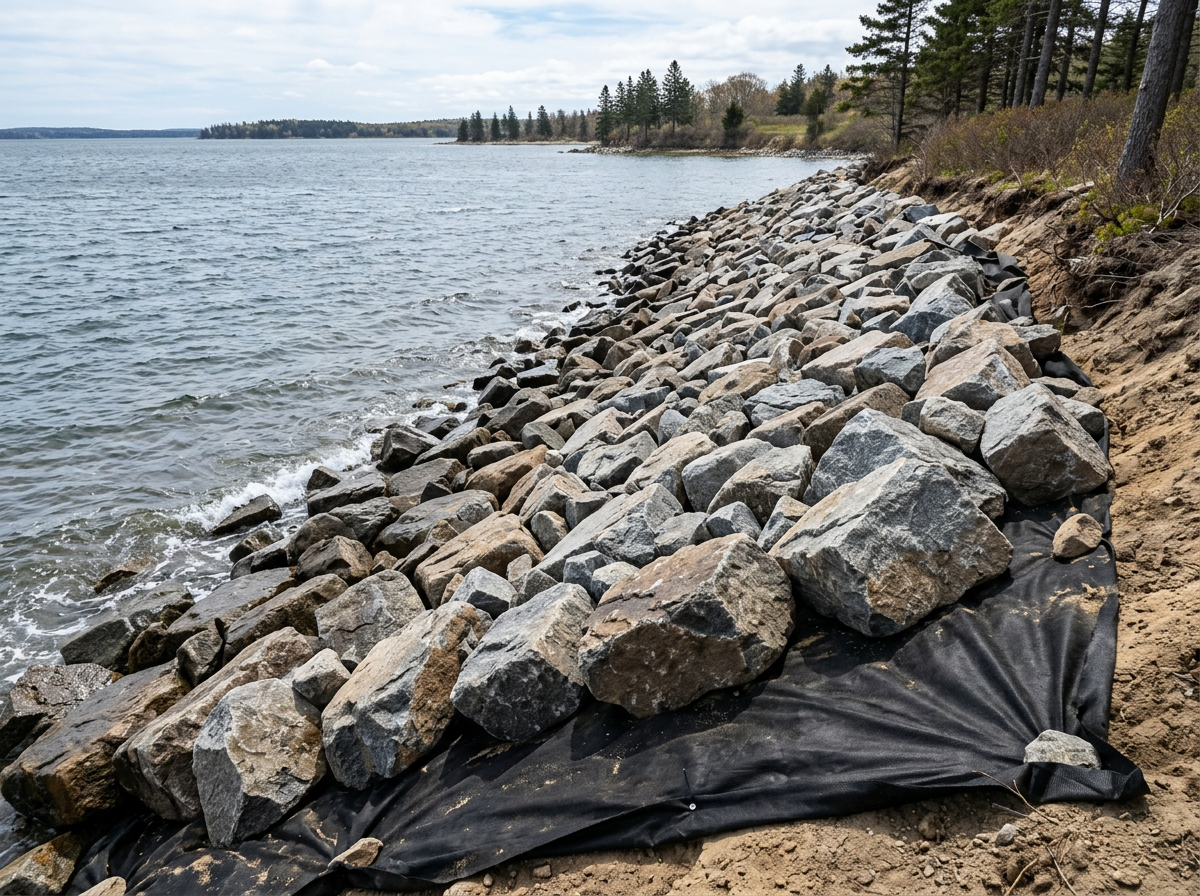
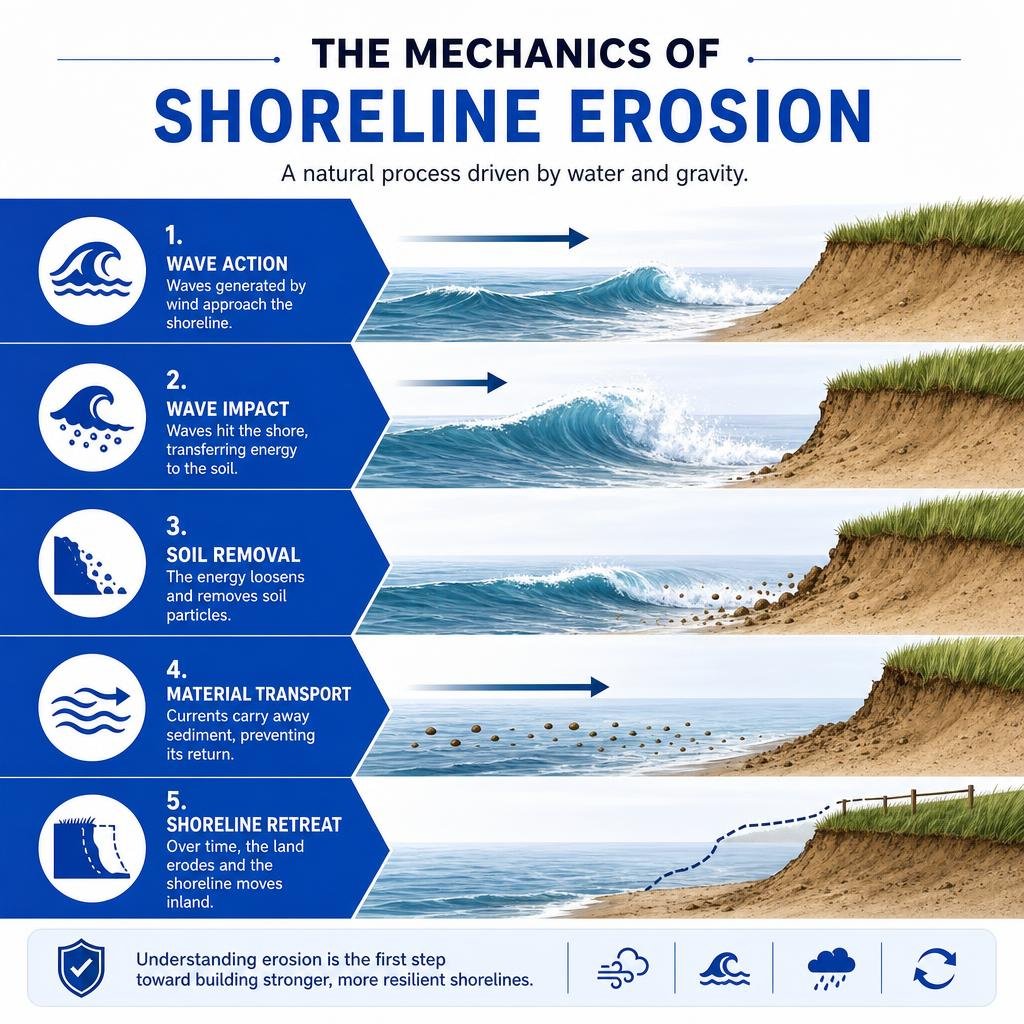
Shorelines face a constant battle against erosion. Waves, currents, and heavy rainfall relentlessly erode the land. By June 2026, many property owners will have seen their waterfronts shrink or become unstable. This ongoing challenge calls for strong, reliable solutions.

We know that protecting these valuable areas requires more than just placing rocks. It demands a well-engineered system. This is where Rip Rap Erosion Control Fabric plays a crucial role. This specialized material works beneath the visible riprap stones. It creates a robust barrier against soil loss and undermining.
Understanding how to build durable shorelines is essential. In the realm of Marine construction and erosion control, choosing the right materials and methods makes all the difference. Without proper underlayment, even the best riprap can fail. Soil can wash away, causing the stones to shift and settle.
In this extensive guide, we will dive deep into Rip Rap Erosion Control Fabric. We will explore what it is and how it works to prevent soil erosion. We will also cover fabric types, proper installation techniques, and important maintenance practices. Our goal is to provide you with the knowledge to create lasting and effective shoreline protection.
Geotextile fabric is a critical component in modern erosion control, particularly in marine and shoreline environments. It acts as an invisible but indispensable layer beneath riprap, serving multiple functions to stabilize the soil and prevent erosion. When we talk about protecting shorelines or other areas prone to water-induced degradation, the geotextile is the unsung hero, quietly maintaining the integrity of the land.
Imagine a shoreline constantly battered by waves or a channel experiencing high runoff velocity. Without a protective layer, the soil beneath the riprap would gradually wash away through the gaps between the stones, a process known as soil piping. This undermining leads to the settlement and eventual failure of the entire riprap structure. Geotextile fabric, properly installed, prevents this. It serves as a separation layer, preventing soil fines from migrating into the riprap while allowing water to pass freely. This dual action is fundamental to effective erosion prevention and long-term shoreline stabilization.
The installation of geotextile is a strategic step in any significant marine construction project. It ensures that the riprap, which is designed to dissipate wave energy and armor the soil surface, remains stable and effective for decades. For more detailed insights into the specific products designed for these challenging conditions, you can explore options such as Rip Rap Erosion Control Fabric, which underscores the importance of robust materials for shoreline protection.

Understanding Riprap Filter Fabric
At its core, riprap filter fabric is a permeable textile placed between the natural soil subgrade and the riprap stone. Its primary purpose is to allow water to drain through, preventing hydrostatic pressure buildup, while retaining soil particles. This characteristic, known as permittivity, is crucial. If water cannot pass through the fabric efficiently, it can build up behind the riprap, creating pressure that can dislodge the stones and compromise the entire system. Conversely, if the fabric allows soil fines to pass through, the riprap will eventually sink into the ground.
Most riprap filter fabrics are made from needle-punched polypropylene, a durable, non-biodegradable material resistant to rot, mildew, and UV degradation when buried. The needle-punched structure creates a felt-like texture with randomized openings. This design is highly effective at soil retention while facilitating high water passage. According to customer reviews, the Super Geotextile 4 oz non-woven material, often used in riprap and erosion control applications, has an average rating of 4.6 out of 5 from 1,671 global ratings, with 81% of customers praising its durability and water-permeability. This strong endorsement underscores the importance of these features in real-world use. For examples of such materials, consider products like Rip Rap Fabric | Non-Woven Geotextile Filter Fabric (8 oz), which emphasizes its suitability for long-term buried applications.
Selecting Geotextile Weights for Marine Construction
Choosing the correct geotextile fabric weight is paramount for the success and longevity of a riprap installation. Fabric weight, typically measured in ounces per square yard (oz/sq yd), directly correlates with strength, puncture resistance, and overall durability. While a 4 oz fabric might be suitable for lighter landscaping or French drain applications, riprap demands a heavier, more robust material.
For most riprap applications, especially in marine environments with significant wave action or high-velocity flows, an 8-oz geotextile is often the minimum recommended weight. This weight provides superior puncture resistance against the sharp, angular edges of riprap stone and can withstand the heavy equipment used during placement. Many suppliers offer 8-oz options, such as those Drainage & Erosion Control Fabric - Ultra Heavy-Duty - 8oz from Pro Fabric Supply. For even more demanding projects or areas with extremely heavy riprap and severe conditions, 12 oz or even 16 oz fabrics are available. These heavier fabrics offer greater tensile strength and a longer lifespan, often rated for 20 years or more when properly buried and protected from UV exposure.
The selection process should consider several factors:
- Soil Type: Fine-grained sands may require specialized monofilament woven fabrics to prevent clogging, whereas non-wovens perform well with clays and coarse sands.
- Riprap Size and Weight: Larger, heavier stones necessitate a thicker, stronger fabric to prevent punctures during installation and over time.
- Water Flow and Hydrostatic Pressure: High flow rates and potential hydrostatic pressure buildup demand fabrics with high permittivity.
- Project Lifespan: For permanent installations, investing in a heavier, commercial-grade fabric is a wise decision.
Resources like Permanent Erosion Control Separation Geotextile Fabric those from Eastgate Supply or Riprap Filter Fabric Mainline Materials often provides detailed specifications and guidance on selecting the appropriate weight and type for your specific needs. The cost of the fabric is typically a small fraction of the overall project cost, and investing in the right weight is a critical factor for long-term success.
Engineering Shorelines: Riprap Sizing and Fabric Selection
Effective shoreline engineering involves a harmonious combination of appropriately sized riprap stone and the right geotextile fabric. The goal is to create a stable, resilient barrier that dissipates wave energy and prevents soil erosion without compromising the underlying soil structure. This strategic approach is fundamental to any successful Marine construction and erosion control project, ensuring durability and environmental integrity.
The overall design, including the riprap gradation and the selection of the underlayment fabric, is crucial. For a deeper understanding of the principles behind these designs, we often refer to comprehensive guides like Riprap Design which outlines the various considerations for optimal performance.
Rock Selection and Sizing Guidelines
The performance of a riprap installation hinges on the stone’s characteristics. Angular stones are generally preferred over rounded river rock because their irregular shapes allow them to interlock, creating a more stable and resistant matrix. This interlocking mechanism is vital for dissipating wave energy and resisting dislodgement.
Key considerations for rock selection and sizing include:
- D50 Median Size: The median stone diameter, where 50% of the aggregate is smaller and 50% is larger. The D50 is determined by factors such as anticipated water velocity, wave height, and slope steepness. For example, in high-velocity areas, larger stones (e.g., 12-24 inches) are often required.
- Gradation: Riprap should be well-graded, meaning it contains a range of stone sizes. This helps fill voids, creating a denser, more uniform layer that is less susceptible to soil piping.
- Material Quality: Granite is a popular choice due to its density, durability, and resistance to weathering and freeze-thaw cycles. The stone should have a specific gravity of at least 2.5 and be free from excessive fines or organic matter.
- Thickness of the Layer: The riprap layer should typically be at least 1.5 times the maximum stone diameter and no less than 6 inches to ensure adequate coverage and stability.
For detailed calculations and guidance on selecting the appropriate rock size for various conditions, resources like Erosion Control Design: Why Rip Rap is the Bedrock of Stability provide invaluable information, emphasizing the bedrock principles of stability.
Cost-Benefit Analysis of Riprap Systems
When evaluating erosion control solutions, consider both the initial installation costs and the long-term value. Riprap systems, while potentially having a higher upfront cost than some vegetative solutions, often prove more cost-effective over their lifespans, particularly in high-energy environments.
Cost considerations:
- Random Riprap: This involves simply dumping and spreading the stones, typically costing less, with an average of $64.10 per cubic yard.
- Hand-Placed Riprap: This method involves carefully placing stones to create a more stable, aesthetically pleasing, and often more robust structure, which can cost significantly more, sometimes up to $750 per cubic yard.
- Material Transport: The cost of transporting large quantities of stone to the site can be a major factor, especially for remote locations.
Value comparisons:
- Longevity: A properly installed riprap system with geotextile fabric can last 25 to 75 years, significantly longer than many other erosion control methods. This long lifespan reduces the frequency and cost of repairs or replacement.
- Effectiveness: In areas with high wave energy, strong currents, or steep slopes, riprap is often the most effective solution, preventing costly damage to property and infrastructure that other methods cannot.
- Seawall Comparison: While seawalls offer rigid protection, they can reflect wave energy, potentially exacerbating erosion elsewhere. Riprap, by contrast, absorbs and dissipates wave energy, often leading to less environmental impact and avoiding hydrostatic pressure buildup behind the structure. In the long run, the flexibility and drainage properties of riprap can make it a more resilient and cost-effective choice compared to rigid structures.
The investment in a well-designed and installed riprap system, complete with a high-quality geotextile fabric, provides superior long-term protection and peace of mind for property owners facing persistent erosion challenges.
Step-by-Step Installation and Common Mistakes to Avoid
Proper installation is the cornerstone of any effective riprap erosion control system. Even the highest quality materials can fail if not installed correctly. This section outlines the critical steps for successful riprap and geotextile fabric placement, along with common pitfalls to avoid for maximum effectiveness.
Subgrade Preparation and Fabric Alignment
The success of a riprap installation begins long before the first stone is placed. Meticulous subgrade preparation and careful fabric alignment are non-negotiable.
- Site Preparation: Begin by clearing the area of all loose organic matter, roots, debris, and protruding rocks. The subgrade should be graded to the specified slope (often a 2:1 or 3:1 ratio, meaning 2 or 3 feet horizontal for every 1 foot vertical) to ensure stability and proper drainage. Any soft or unstable soil should be compacted or removed and replaced with suitable material.
- Toe Trench: Dig a toe trench at the bottom of the slope or shoreline. This trench serves as an anchor for the entire riprap structure, preventing undermining and ensuring the lowest stones are securely keyed into place. The largest boulders are typically placed in this trench.
- Fabric Placement: Carefully unroll the geotextile fabric directly over the prepared subgrade. Ensure the fabric lies flat against the soil, conforming to all contours without wrinkles or folds.
- Overlap and Orientation: Overlap all seams by at least 12 to 18 inches. On slopes, orient the overlaps so that the uphill fabric sheet overlaps the downhill sheet. This prevents water from flowing under the seam and washing out soil.
- Anchoring: Secure the fabric in place using anchoring pins or landscape staples, especially at seams, corners, and edges. This prevents the fabric from shifting during riprap placement or being displaced by wind or water before the stones are in place. The fabric should be covered with riprap as soon as possible after placement, ideally within seven days, to protect it from UV degradation.
Common Installation Mistakes to Avoid
Even experienced installers can make mistakes that compromise the integrity of a riprap system. Awareness of these common pitfalls can help ensure a robust and long-lasting solution.
- Insufficient Overlap or Incorrect Orientation: As mentioned, inadequate overlap (less than 12 inches) or incorrect orientation (downhill sheet over uphill) can lead to soil piping and undermining.
- Exposed Fabric: Leaving any portion of the geotextile fabric exposed to sunlight (UV radiation) will cause it to degrade rapidly, significantly shortening its lifespan. The fabric must be completely covered by riprap.
- Poor Subgrade Preparation: Ignoring unstable soil, failing to compact the subgrade, or failing to grade to the correct slope will lead to settlement, shifting, and eventual failure of the riprap.
- Using the Wrong Fabric: Opting for standard landscape fabric or a geotextile that is too light for the project’s demands will result in tearing, puncturing, and rapid failure, especially under heavy, angular riprap.
- Dropping Stones from Height: Dropping large riprap stones from more than one foot onto the fabric can puncture or tear it, creating pathways for soil migration. Stones should be placed carefully, not dumped.
- Steep Slopes: Installing standard riprap on slopes steeper than a 2:1 ratio (horizontal to vertical) can lead to instability. In such steep conditions, alternatives such as grouted riprap or gabions may be necessary.
Long-Term Maintenance and Inspection
While riprap with geotextile fabric is designed for durability, regular maintenance and inspection are crucial to ensure its long-term effectiveness.
- Annual Inspections: Conduct annual visual inspections, ideally in the spring, to check for any signs of distress. Look for shifted or displaced stones, exposed fabric, areas of subsidence, or excessive vegetation growth.
- Post-Storm Checks: After heavy rainfall, high winds, or significant wave events, inspect the riprap for any dislodged stones, especially around the toe trench. Promptly replace any missing or shifted stones.
- Weed Control: While some vegetation can help stabilize the upper portions of a riprap slope, excessive weed or woody brush growth through the riprap can destabilize stones and degrade the fabric over time. Implement a weed control strategy, such as manual removal or targeted herbicides, to manage unwanted growth.
- Ice-Jacking: In colder climates, ice-jacking can be a concern. Ice formation can exert pressure on stones, potentially dislodging them. A properly graded slope (e.g., 3:1) can help ice slide up rather than push into the rocks.
- Debris Removal: Remove any accumulated debris, such as logs, trash, or sediment, that could interfere with the riprap’s function or act as levers during wave action.
By following these installation guidelines and maintaining a proactive inspection schedule, property owners can ensure their riprap erosion control system provides reliable protection for decades to come. This commitment to proper technique and ongoing care is a hallmark of quality Marine construction and erosion control practices.
Frequently Asked Questions about Shoreline Stabilization
We often encounter common questions from property owners and contractors regarding shoreline stabilization and the role of riprap erosion control fabric. Here are some of the most frequent inquiries and their answers:
What is the purpose of using geotextile fabric under riprap?
The primary purpose of using geotextile fabric under riprap is to prevent soil migration and undermining. Without this fabric, water flowing through the riprap can carry fine soil particles away from the subgrade, creating voids. Over time, these voids cause the riprap stones to settle, shift, and eventually fail. The fabric acts as a separation layer, allowing water to drain freely while retaining the soil fines. This ensures the structural integrity of the riprap and the stability of the shoreline, effectively preventing erosion and prolonging the life of the installation.
How do you choose between woven and non-woven geotextiles?
The choice between woven and non-woven geotextiles largely depends on the specific soil conditions and project requirements.
- Non-Woven Geotextiles: These are typically needle-punched fabrics with a felt-like texture. They offer excellent filtration and drainage properties and are generally preferred for riprap applications where the underlying soil consists of clay, silt, or coarse sand. Their random fiber structure allows for high water flow while retaining soil particles and resisting clogging. Most riprap filter fabrics, like the 8-oz options we’ve discussed, are non-woven.
- Woven Geotextiles: These fabrics are made from interlaced yarns, creating a more uniform structure. While they offer high tensile strength, some types (such as slit-film wovens) can clog with fine-grained sand. However, monofilament woven geotextiles, with their larger, more consistent pore sizes, can be suitable for very fine sands where clogging might be a concern for non-wovens. For riprap, non-wovens are generally favored for their superior filtration and cushioning properties.
What are the regulatory and permitting standards in Marine Construction?
Regulatory and permitting standards for marine construction, including riprap installations, are stringent and vary by location. In many regions, projects involving shorelines, navigable waterways, or wetlands require permits from federal, state, and local agencies.
- Federal Agencies: The U.S. Army Corps of Engineers (USACE) is typically the primary federal agency involved, regulating activities in “waters of the U.S.” under Section 404 of the Clean Water Act and Section 10 of the Rivers and Harbors Act. They assess impacts on navigation, water quality, and aquatic ecosystems.
- State Agencies: State environmental protection agencies (e.g., DNR, DEP) will have their own specific shoreline protection guidelines, often focusing on water quality, habitat protection, and coastal zone management.
- Local Regulations: County and municipal governments may also have zoning ordinances, building codes, and specific requirements for shoreline alterations, setbacks, and material use.
It is crucial to research and obtain all necessary permits before beginning any riprap installation. Failure to comply can result in significant fines, project delays, or the requirement to remove the installed structure. We always recommend consulting with local authorities or experienced professionals in Marine construction and erosion control to navigate these complex requirements.
Conclusion
The battle against shoreline erosion is ongoing, but with the right knowledge and tools, property owners can safeguard their investments for decades. Riprap erosion control fabric is not merely an accessory; it is an indispensable component of a robust, long-lasting erosion control system. By acting as a critical separation and filtration layer, it prevents the insidious process of soil undermining, ensuring the riprap stones remain stable and effective.
From understanding the various types and weights of geotextile fabrics to mastering proper installation techniques and adhering to essential maintenance practices, every step contributes to the structural integrity and long-term durability of your shoreline. As we move further into June 2026, demand for resilient, environmentally sound marine construction solutions continues to grow. Investing in quality materials and professional installation for your riprap and geotextile fabric system is an investment in your property’s future, providing peace of mind against the relentless forces of nature.