
Avoid Costly Clogs: How to Maintain Your Home Drains
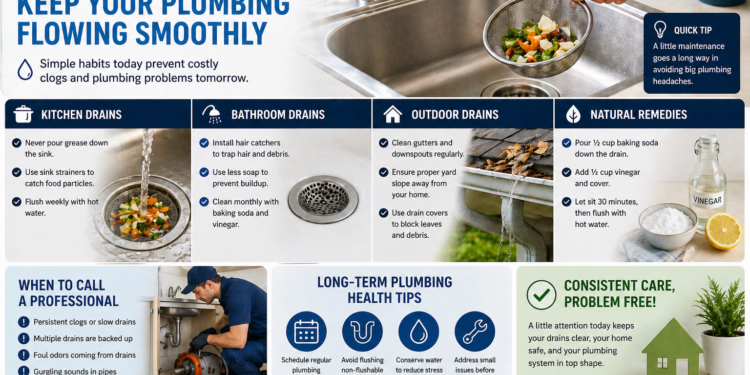
Maintaining a smoothly functioning plumbing system is essential to creating a healthy and comfortable home. Homeowners who commit to basic maintenance and proactive habits can ward off the most troublesome drain problems. For those in need of professional service, solutions such as Tulsa drain cleaning can ensure thorough care for stubborn plumbing issues. Nobody enjoys the hassle and mess of clogged sinks or slow drains, but the good news is that most of these issues are preventable with straightforward strategies and a little routine effort.
Avoiding the expense and stress of drain blockages is possible for any household. Not only can mindful practices extend the lifespan of your plumbing, but they also support a clean, healthy living environment. With the right know-how, you can take steps to keep your drains running freely and avoid costly repairs down the road. By recognizing the most common causes and consistently implementing basic care, homeowners can significantly reduce the risk of future problems.
Table of Contents
Understanding Common Causes of Drain Clogs
The first step toward drain maintenance is understanding the behaviors that often lead to blockages. Every home accumulates debris in sinks, tubs, and outdoor drains, but the specific culprits are often the same everywhere:
- Hair and Soap Scum: In bathrooms, the combination of hair and sticky soap residue can get caught in pipes, especially in showers and tubs.
- Grease and Food Particles: Greasy leftovers and bits of food are frequently rinsed down kitchen sinks, where they can solidify or combine, creating troublesome clogs.
- Foreign Objects: Toilets and sinks sometimes become clogged with cotton swabs, wipes, or hygiene products that are not designed to break down easily in water and can quickly block pipes.
By being aware of these contributors, homeowners can better prevent issues before they arise and improve the overall efficiency of their plumbing systems. For further reading on home water safety, visit the EPA’s groundwater and drinking water resources.
Preventive Measures for Kitchen Drains
The kitchen is where many households experience the most frequent clogging, usually due to daily cooking and cleaning habits. Preventative actions include:
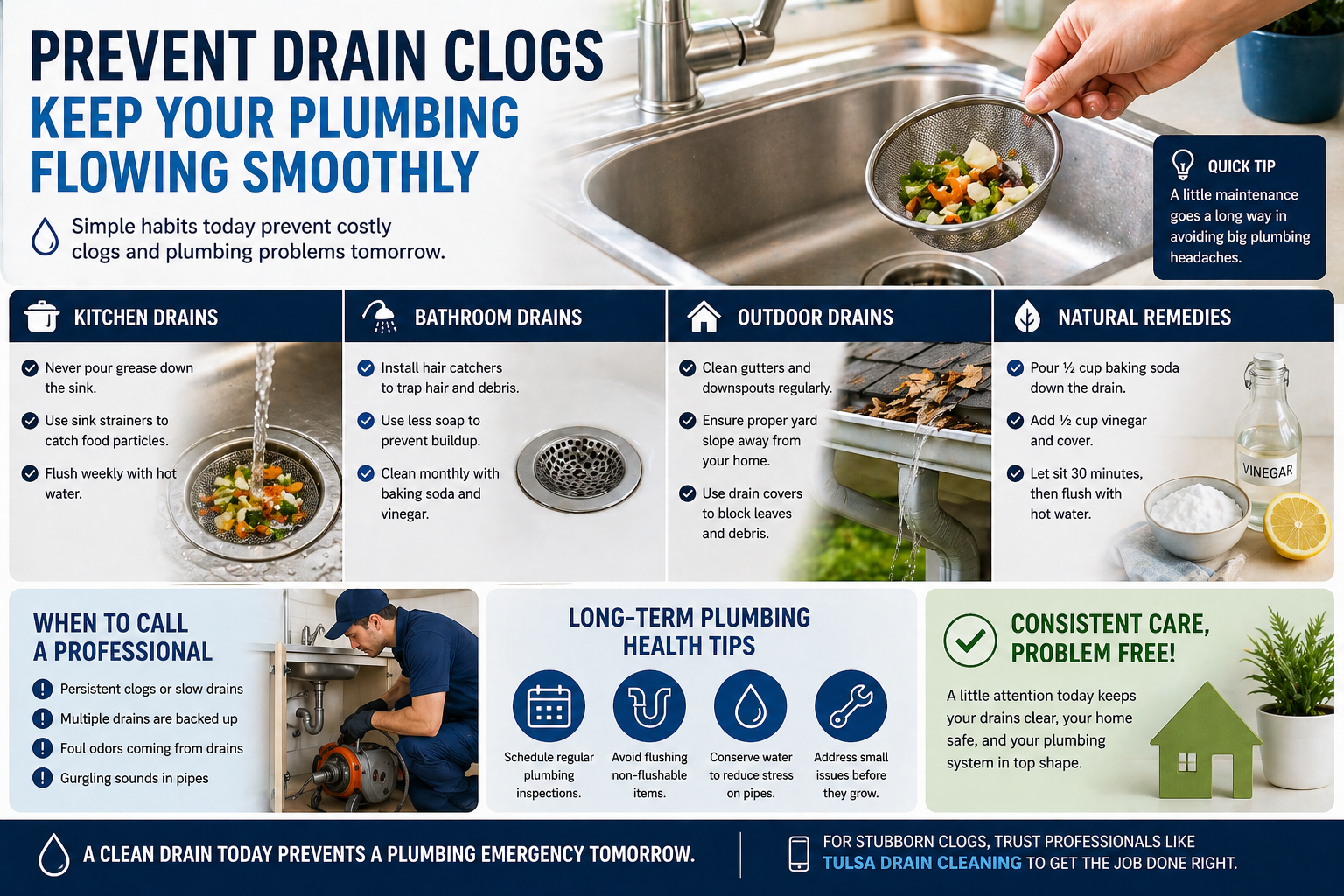
- Avoid Pouring Grease: Never pour cooking oil or grease down the sink, as it can solidify and form hard-to-remove blockages. Instead, collect it in a container and dispose of it in the trash.
- Use Sink Strainers: Fine mesh strainers act as a barrier, catching food particles and preventing them from slipping into the drain and building up over time.
- Regular Hot Water Flushes: Pouring boiling water down the drain once per week helps dissolve potential grease buildup and keeps pipes flowing smoothly.
Consistently applying these habits greatly reduces the frequency of kitchen drain clogs.
Maintaining Bathroom Drains
Bathroom drains are generally clogged by hair, soap, and sometimes small foreign objects. Proactive steps include:
- Install Hair Catchers: Place these inexpensive devices over drain openings to catch loose hair and debris before they enter the plumbing system.
- Limit Soap Usage: Reducing soap amounts can help reduce buildup, particularly if you use bar soap, which often leaves a heavier residue than liquid soap.
- Regular Cleaning: Keep pipes clean by flushing them monthly with a safe mixture of baking soda and vinegar. Let it sit for 30 minutes, then follow up with hot water to clear any buildup or mild odors.
Routine care like this keeps water flowing rapidly and helps avoid blockages that can worsen with time.
Outdoor Drainage Considerations
Maintaining clear outdoor drains is as important as caring for indoor plumbing. Issues here can lead to water pooling around your home’s foundation or flooding basements and crawlspaces. To protect your property:
- Clear Gutters and Downspouts: Make a habit of regularly removing leaves and debris from gutters to keep rainwater from pooling around your home.
- Proper Landscaping: Ensure the yard slope directs water away from the foundation. Incorrect grading can result in water damage or mold growth inside the home.
- Install Drain Covers: Caps and screens protect outdoor drains from clogging with larger debris, such as leaves, twigs, or mulch.
For more detailed advice on outdoor drainage and yard care, review Better Homes and Gardens’ drainage solutions guide.
Natural Remedies for Drain Maintenance
Many common drain problems can be addressed with simple pantry staples. Environmentally friendly methods are both safe for your plumbing and easy on the budget:
- Baking Soda and Vinegar: Pour half a cup of baking soda down the drain, followed by half a cup of vinegar. Cover the drain and leave the mixture to work for thirty minutes, then flush the system with hot water. This helps disrupt minor clogs and neutralize odors.
- Boiling Water: Weekly use can effectively dissolve grease or soap scum buildup before they become larger blockages.
Natural remedies can keep plumbing systems in good working order and help you avoid the unnecessary use of harsh chemicals.
When to Seek Professional Help
Sometimes, despite your best efforts, a clog or slow drain cannot be cleared at home. It is wise to contact a professional if you notice:
- Persistent Clogs: If your drains repeatedly slow down or stop working, there might be a deeper blockage that requires professional equipment to remove.
- Multiple Affected Drains: Several backed-up drains may indicate a problem with your main sewer line, requiring prompt, expert intervention.
- Unpleasant Odors: Persistent sewer smells can indicate a larger problem and should be inspected by a plumber as soon as possible.
Leaving these issues unaddressed can lead to more costly repairs and damage to your property over time.
Conclusion
Homeowners who incorporate mindful practices and regular maintenance into their routines are far less likely to face disruptive plumbing emergencies. From recognizing problem materials to embracing natural cleaning methods and understanding when to call a professional, these strategies can keep drains running smoothly and protect your home for years to come.