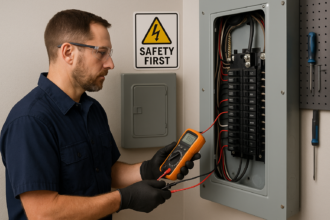

How To Know When It’s Time for an Electrical Panel Upgrade
Most people don’t think about their electrical system until something goes wrong. It’s hidden, quiet and easy to forget. However, modern homes demand more power than they did decades ago, and this can overwhelm an aging electrical panel.
If you’ve noticed flickering lights or frequent circuit breaker tripping, it may be time for an upgrade. The electrical panel is the “heart” of your home, and it occasionally needs a “transplant” to keep the household running safely.
This guide explains how to spot the early warning signs and know when to upgrade your electrical panel.
Table of Contents
- 1 What are the most common signs that an electrical panel is failing?
- 2 How long does a standard residential electrical panel typically last?
- 3 Why are older brands like Federal Pacific or Zinsco considered safety hazards?
- 4 How do modern smart home devices and EV chargers impact the need for an upgrade?
- 5 What is the difference between a simple repair and a full panel replacement?
- 6 Summing up
What are the most common signs that an electrical panel is failing?
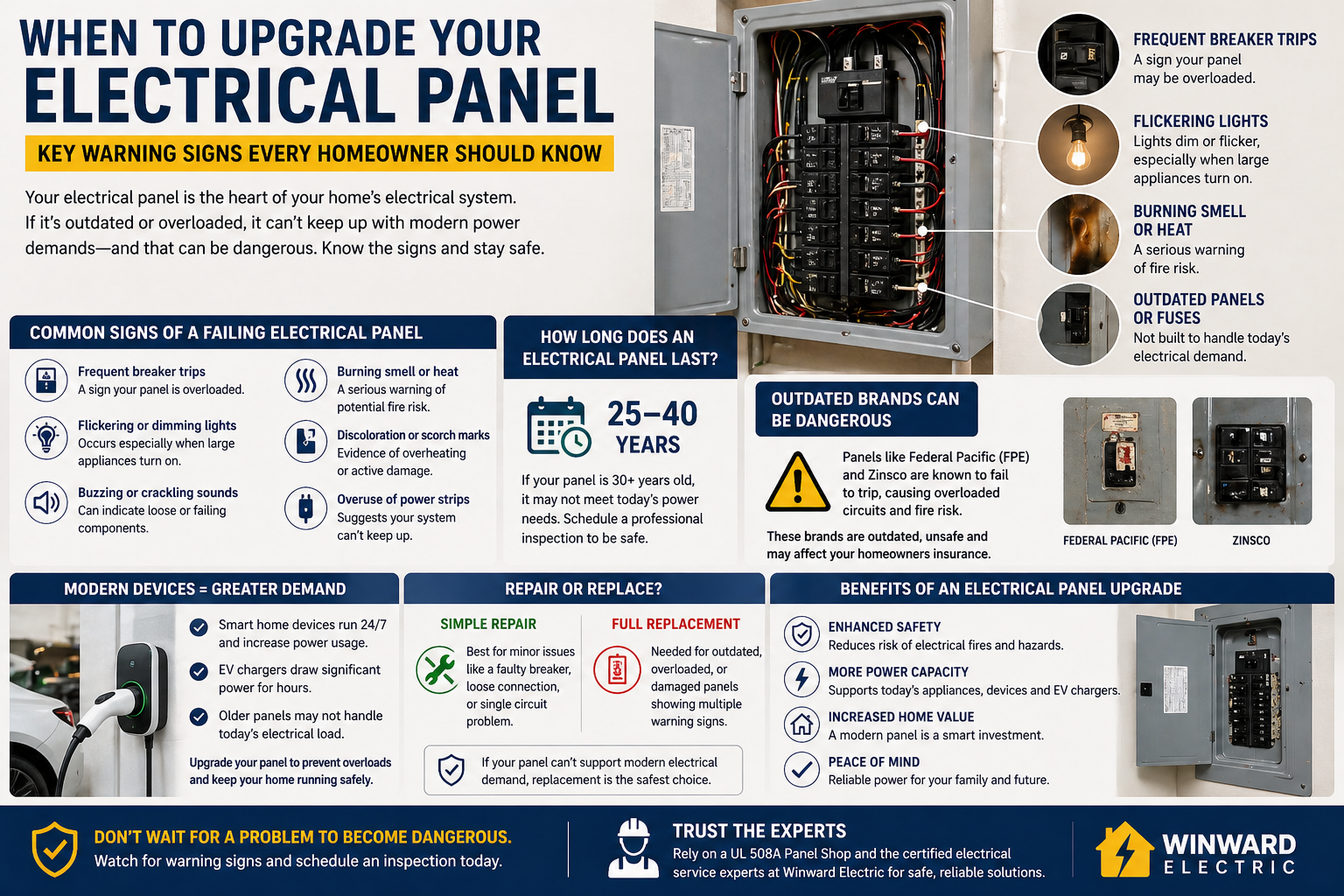
There are several critical electrical safety signs homeowners shouldn’t ignore. These warning signs often appear before a serious problem develops:
· Frequent breaker trips – A sign your panel is overloaded.
· Flickering or dimming lights – Occurs especially when large appliances turn on.
· Buzzing or crackling sounds – Can indicate loose or failing components.
· Burning smell or heat – A serious warning of potential fire risk.
· Discoloration or scorch marks – Evidence of overheating or active damage.
· Outdated panels or fuses – Not designed for modern electrical demand.
· Overuse of power strips – Suggests your system can’t keep up.
If you notice any of these issues, it may be time to upgrade your electrical panel through repair and maintenance services from professionals like the certified electrical service experts at Winward Electric.
How long does a standard residential electrical panel typically last?
Most residential electrical panels last between 25 and 40 years, depending on usage, maintenance and environmental conditions.
If your panel was installed in the 1980s or earlier, it’s likely nearing the end of its safe lifespan. Even if it works, it may not meet modern electrical demands. Over time, internal components wear out, connections loosen and corrosion can develop.
It’s important to remember that “working” doesn’t always mean safe. Older panels weren’t designed for today’s high-demand appliances, such as HVAC systems or induction ranges.
If your home is over 30 years old, get a professional inspection. The certified electrical service experts at Winward Electric recommend upgrading to a 200-amp service to support modern usage.
Why are older brands like Federal Pacific or Zinsco considered safety hazards?
Some older panel brands have a history of safety issues. Federal Pacific Electric (FPE) and Zinsco are two of the most well-known examples. The main problem is that their breakers often fail to trip when they should. That means circuits can overload without shutting off power. This creates a serious fire risk.
With FPE panels, studies have shown that a significant percentage of breakers are defective. Zinsco panels, on the other hand, can suffer from internal arcing and melting components.
Both brands are now considered outdated and unsafe by most electricians and inspectors. Insurance companies also often raise an eyebrow at them and may deny coverage for homes with these panels.
How do modern smart home devices and EV chargers impact the need for an upgrade?
Modern smart home devices run 24/7 to stay connected and responsive. That constant draw of power adds up, especially when you have multiple devices and larger smart appliances like refrigerators or Wi-Fi-enabled ovens. In older homes, this can quietly push circuits beyond their limits.
Add an EV charger and the demand jumps significantly. A Level 2 charger can draw as much power as an oven or HVAC system and often runs for hours. That requires a dedicated circuit and enough panel capacity.
If your home wasn’t built for this kind of load, an electrical panel upgrade is the only solution to prevent circuit breaker tripping and overload.
What is the difference between a simple repair and a full panel replacement?
The difference comes down to the scope of the problem. A simple repair fixes a specific issue, while a full replacement addresses the entire system.
Repairs are usually minor. This could be replacing a faulty breaker, tightening loose connections or fixing a single damaged circuit. If the panel is relatively new and has enough power capacity, a repair is often enough.
A full replacement is necessary when the panel is outdated, overloaded or showing multiple electrical safety signs, such as frequent circuit breaker tripping or heat damage. Panels that can’t support modern electrical demand fall into this category.
Summing up
Upgrading your electrical panel isn’t just about convenience. It’s about keeping your home safe and giving yourself real peace of mind.
Keep an eye on early warning signs so you can stop small issues before they turn into dangerous, costly problems and improve your overall electrical fire prevention. If you’re ready for reliable guidance, trust an UL 508a panel shop along with the certified electrical service experts at Winward Electric.