

Foundational Repairs and Interior Remodeling for Modern Homes
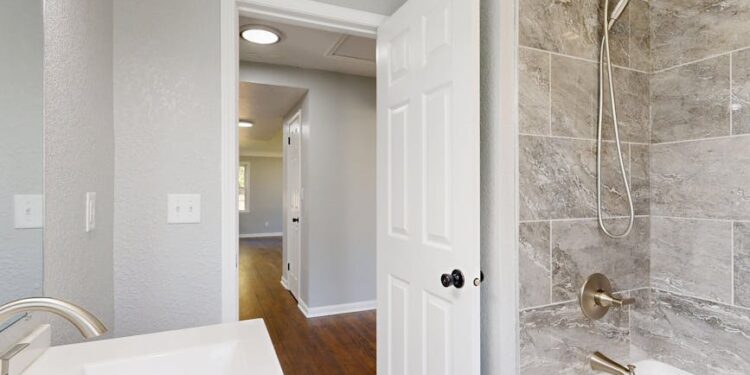
Table of Contents
The Strategic Value of Interior Remodeling in 2026
Our homes serve as the backdrop for our lives. They are also among our most important financial assets. In 2026, many homeowners are looking to update their living spaces. They want more comfort, better function, and increased value.
Interior remodeling is a powerful tool to achieve these goals. It goes beyond just cosmetic changes. A well-planned remodel can redefine how you use your home every day. It can also secure its long-term worth.
This guide will help you navigate interior remodeling. We will explore key reasons for remodeling and how to plan effectively. We will also look at popular projects, costs, and current design trends. Our goal is to equip you with the knowledge needed for a successful transformation.
Investing in your home’s interior through remodeling is more than just an aesthetic upgrade; it’s a strategic decision that can yield substantial benefits. In 2026, homeowners are increasingly recognizing the multifaceted returns on such investments, from tangible financial gains to improved quality of life.
One of the primary drivers for interior remodeling is the potential for a significant return on investment (ROI). Research indicates that a high-quality home interior remodeling project can return between 67% and 78% of its initial cost as first-year ROI. This means that a substantial portion of what you spend can be recouped if you decide to sell your home. To maximize this return, experts suggest limiting the project cost to no more than 4.25% of the home’s total post-project value. This careful budgeting ensures that your investment aligns with market expectations and avoids overcapitalization.
Beyond financial returns, interior remodeling plays a crucial role in enhancing a home’s energy efficiency. Upgrades such as new windows, improved insulation, and modern climate control systems can drastically reduce utility bills, offering long-term savings and contributing to a greener lifestyle. Incorporating smart home technologies during a remodel further optimizes energy consumption, enabling precise control of lighting, heating, and cooling.
Accessibility and aging-in-place considerations are also becoming paramount. As demographics shift, more homeowners are looking to create spaces that can comfortably accommodate residents through all stages of life. This includes features like wider doorways, lever-style handles, curbless showers, and varied countertop heights in kitchens, which not only cater to current needs but also future-proof the home. Thoughtful interior remodeling can transform a house into a truly inclusive and adaptable living environment. For a deeper understanding of comprehensive home improvements, exploring resources on general interior remodeling can provide valuable insights into various project types and their benefits.
The reasons homeowners choose to remodel are diverse, often driven by a combination of these factors. Whether it’s to adapt to changing family needs, upgrade outdated aesthetics, or create a more enjoyable and efficient living space, the strategic value of interior remodeling in 2026 is undeniable.

To help visualize the potential financial impact, here’s a comparison of average ROI and costs for some popular interior remodeling projects:
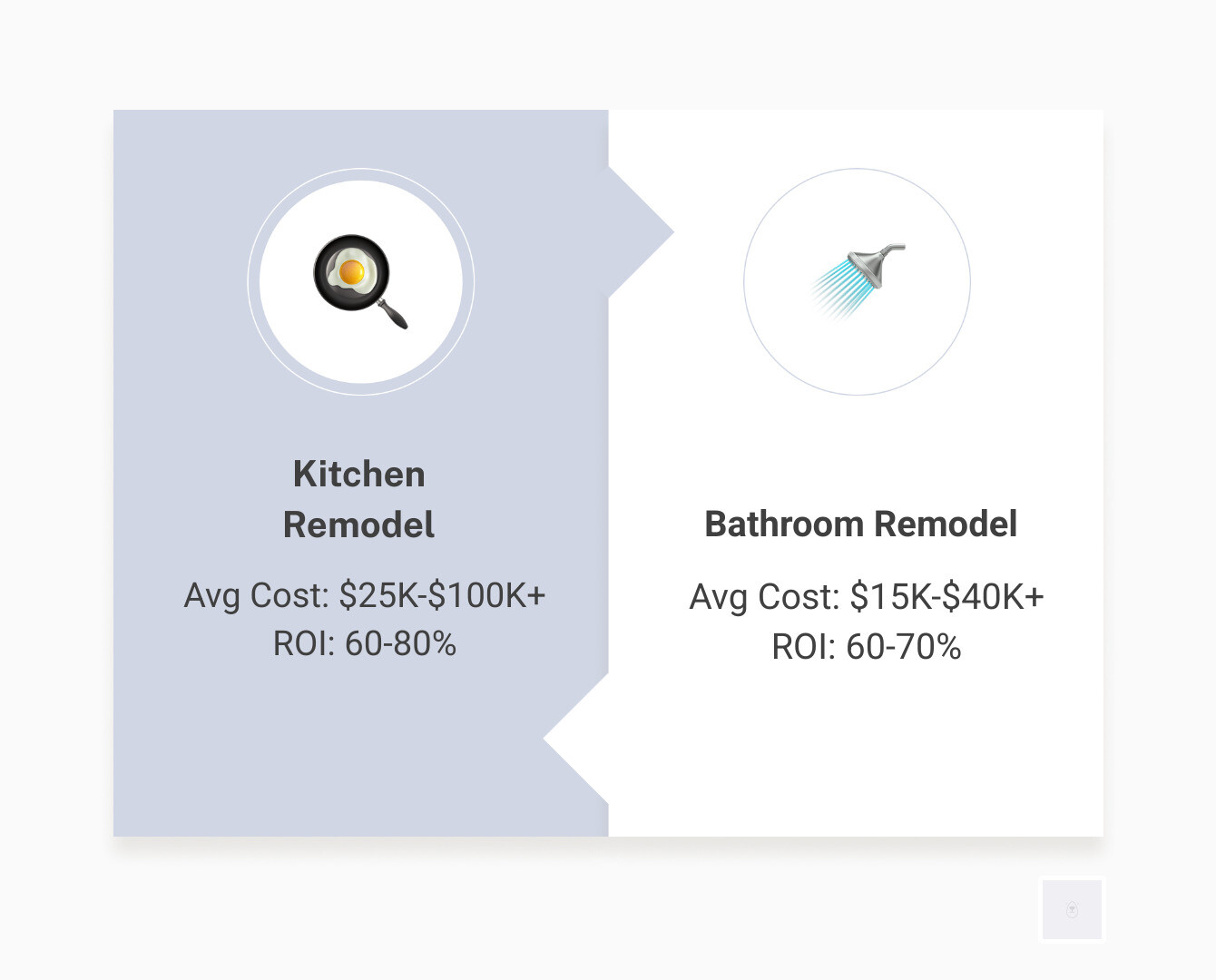
Project Type Average Cost Range (2026) Typical ROI (First Year) Key Factors Influencing Cost Full Kitchen Remodel $25,000 – $100,000+ 60% – 80% Size, materials, appliances, layout changes Bathroom Remodel $15,000 – $40,000+ 60% – 70% Size, fixtures, tiling, layout changes Living Room Remodel $2,500 – $22,000+ 60% – 80% Size, flooring, paint, built-ins, electrical Basement Finish $20,000 – $75,000+ 60% – 70% Square footage, new rooms, plumbing, electrical (Note: Costs and ROI are averages and can vary significantly based on location, material choices, and labor rates.)
Essential Steps for Planning a Successful Project
A well-executed interior remodel begins long before the first hammer swings. Thorough planning is the bedrock of success, preventing costly mistakes, delays, and frustrations. We’ve found that homeowners who invest adequate time in the planning phase experience smoother projects and more satisfying outcomes.
The initial phase involves clearly defining your “needs” versus your “wants.” A prioritized list is invaluable here. Needs are non-negotiable elements that address functional problems or safety concerns, while wants are desirable enhancements that improve aesthetics or convenience. This distinction helps make tough budget decisions later.
One of the most critical financial planning steps is to set aside a contingency budget. Industry experts strongly recommend allocating 20% of your total project budget for unexpected issues. This buffer is crucial for addressing unforeseen structural problems, material price fluctuations, or minor design changes that inevitably arise during a remodel.
Permit requirements are another non-negotiable step. Depending on the scope of your remodel – especially if it involves structural changes, plumbing, or electrical work – you will likely need permits from your local authorities. Failing to obtain the necessary permits can lead to fines, project stoppages, and even the forced demolition of completed work. A reputable contractor will guide you through this process.
Timing is also a significant consideration. From securing a skilled contractor to ordering specialized materials, lead times can be extensive. For example, booking a reputable contractor often requires a 3-6 month lead time, especially for complex projects. Similarly, custom cabinetry or specific appliance models can have delivery windows of several weeks or even months. Building a buffer into your overall timeline is essential to managing these delays effectively.
Material procurement is a meticulous process. Visiting showrooms to examine countertops, cabinetry, and flooring in person is vital, as photos often don’t accurately convey texture and color. Consider each material’s durability and maintenance requirements, in addition to its aesthetic appeal.
Finally, contractor vetting is paramount. This involves more than just getting a few quotes. It includes checking licenses and insurance, reviewing portfolios, contacting references, and ensuring clear communication protocols are established from the outset. A detailed written estimate that breaks down labor and materials separately is a must.

Here are critical planning milestones we recommend for any interior remodeling project:
- Define Project Scope: Create a detailed list of needs, wants, and desired functionalities for each space.
- Establish Budget & Contingency: Determine your total budget and allocate at least 20% for unexpected expenses.
- Research Design & Inspiration: Collect ideas from magazines, websites, and design platforms to articulate your vision.
- Consult Professionals: Engage architects, designers, or general contractors early to assess feasibility and gather initial estimates.
- Obtain Permits: Work with your chosen contractor to secure all necessary local permits before construction begins.
- Finalize Design & Materials: Make definitive selections for all finishes, fixtures, and appliances, considering lead times.
- Contractor Selection: Sign a detailed contract with a licensed and insured professional that outlines the scope, timeline, and payment schedule.
- Site Preparation: Declutter, protect surrounding areas, and arrange for temporary living solutions if needed.
By diligently following these steps, you lay a solid foundation for a successful and stress-free interior remodeling journey.
Popular Projects: From Kitchens to Bathrooms
Interior remodeling encompasses a vast array of projects, each offering unique opportunities to enhance your home. While whole-home updates provide a comprehensive transformation, many homeowners focus on specific areas that offer the greatest impact on daily living and property value.
Kitchens and bathrooms consistently rank as the most popular and impactful interior remodeling projects. These spaces are not just functional; they are central to our daily routines and significantly influence a home’s appeal.
In kitchens, the trend towards open-concept layouts continues to dominate, fostering a sense of spaciousness and connectivity between living areas. Custom cabinetry, designed to maximize storage and efficiency, is a key component, often featuring soft-close mechanisms and innovative organizational solutions. The “work triangle” principle – ensuring the sink, stove, and refrigerator are positioned 4-9 feet apart – remains a cornerstone of efficient kitchen design. Thoughtful flooring transitions, effective lighting circuits for both ambient and task lighting, and the integration of smart home technology are also crucial for modern kitchen designs.
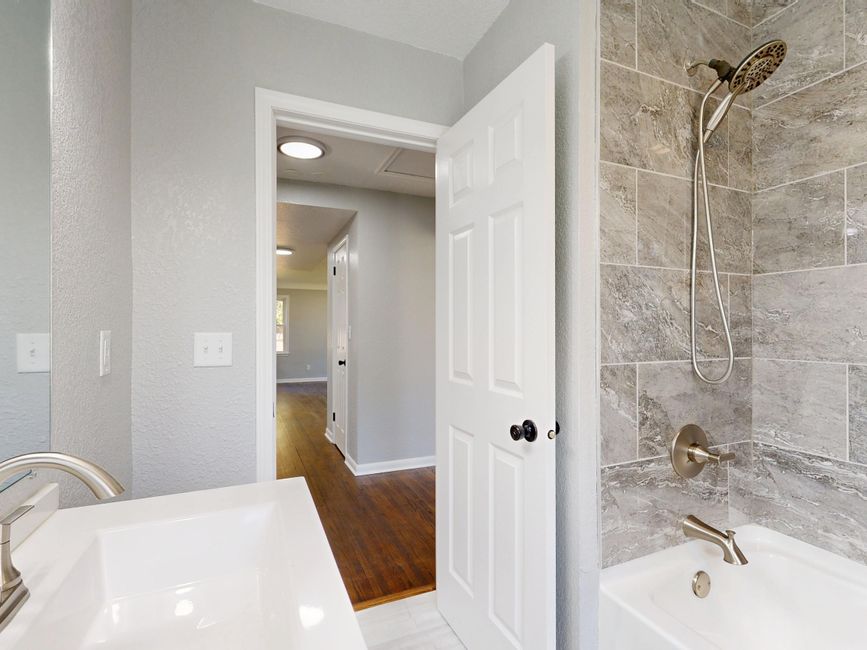
Bathroom remodels, on the other hand, often prioritize creating spa-like retreats. Luxury walk-in showers with porcelain tiling, freestanding tubs, and dual vanities are highly sought after. Accessibility features, such as curbless entries and grab bars, are increasingly being integrated, reflecting a long-term perspective on home usability. For homeowners seeking specialized expertise in refreshing their wet spaces, exploring resources on Tampa quality bathroom remodels can provide valuable insights into local trends and professional services.
Beyond kitchens and bathrooms, other popular projects include finishing basements to create additional living space (game rooms, home offices, guest suites), updating bedrooms into personal sanctuaries with custom closets and built-ins, and installing new flooring throughout the home to create a cohesive and updated aesthetic.
Maximizing Functionality through Kitchen Interior Remodeling
The kitchen is often called the heart of the home, and a well-designed kitchen remodel can significantly enhance its functionality and aesthetic appeal. Modern kitchen design emphasizes smart solutions that cater to contemporary lifestyles.
When selecting materials, durability and ease of maintenance are paramount. Quartz countertops, for instance, are highly favored for their heat resistance (up to 300°F) and non-porous surface, making them more forgiving than granite, which requires annual sealing. Appliances are also evolving, with induction ranges gaining popularity for their energy efficiency and precise temperature control, though they may require dedicated 40-50 amp circuits.
Multifunctional islands are a staple in 2026 kitchen design, often incorporating built-in storage, charging stations, and additional seating. This maximizes utility in a central hub. When budgeting for a kitchen remodel, a good rule of thumb is to spend 5% to 15% of your home’s total value. This helps ensure your investment is proportionate to your property’s overall worth.
Storage optimization is key, moving beyond traditional cabinets to include pull-out pantries, deep drawers, and corner solutions that make every inch count. Soft-close mechanisms on cabinet doors and drawers are now standard, adding a touch of luxury and preventing wear and tear. The goal is to create a kitchen that is not only beautiful but also intuitively organized and a joy to use every day.
Design Trends for 2026 Interior Remodeling
As we move further into 2026, interior design trends reflect a desire for comfort, sustainability, and intelligent integration. Homeowners are seeking spaces that feel both luxurious and livable, with a strong connection to the natural world.
“Warm minimalism” is a dominant aesthetic, characterized by clean lines, uncluttered spaces, and a focus on natural materials and textures. This style eschews stark white in favor of inviting, earthy tones. Nature-inspired palettes are everywhere, with mushroom, taupe, and clay hues creating serene and sophisticated backdrops. These colors provide a calming effect and pair beautifully with wood, stone, and woven textiles.
Sustainability remains a major influence, with growing demand for eco-friendly and recycled materials. Homeowners are looking for products that are not only durable but also ethically sourced and environmentally responsible. This extends to furniture, finishes, and even decorative elements.
Technology is also playing a transformative role in design. AI-driven design tools are emerging as powerful resources for homeowners, allowing them to upload photos of their rooms and instantly generate design ideas based on chosen styles, color palettes, and furniture preferences. These tools can help visualize layouts, experiment with different looks, and streamline the initial design phase, making interior remodeling more accessible and personalized than ever before.
One of the most significant decisions homeowners face when embarking on an interior remodel is whether to tackle the project themselves or hire professionals. While the allure of cost savings through DIY can be strong, it’s crucial to weigh the risks and rewards carefully.
Research indicates a compelling statistic: more than 30% of all jobs home remodelers perform come from failed DIY projects. This highlights the potential pitfalls of underestimating the complexity, skill, and specialized tools required for many remodeling tasks. While minor cosmetic updates, such as painting or simple fixture replacements, might be suitable for a skilled DIYer, structural modifications, electrical wiring, and plumbing rough-ins are almost always best left to licensed professionals. These tasks not only require specific expertise and tools but also carry significant safety risks and must comply with stringent building codes. Improperly executed work can lead to serious hazards, costly repairs down the line, and even difficulties with home insurance or resale.
Professional contractors bring a wealth of experience, efficiency, and access to trade discounts on materials. They manage subcontractors, handle permits, and ensure the project adheres to quality standards and timelines. While hiring professionals represents a higher upfront cost, it often saves money and stress in the long run by avoiding mistakes, ensuring code compliance, and delivering a high-quality finish that enhances home value.
However, savvy homeowners can save costs by strategically incorporating DIY elements into a larger professional project. Tasks like demolition (after utilities are safely disconnected), painting, or final cleanup can be handled by the homeowner, provided they have the time, physical capability, and proper safety gear. Tool rental logistics should also be considered; specialized equipment like airless paint sprayers or power tools can be rented for specific tasks, offering a cost-effective alternative to purchasing.
Here’s a list of tasks that typically require licensed professionals for safety, code compliance, and quality assurance:
- Structural Modifications: Removing or adding load-bearing walls, altering rooflines.
- Electrical Work: Installing new circuits, upgrading electrical panels, and moving outlets or switches.
- Plumbing Rough-ins: Relocating pipes, installing new water lines, or drain systems.
- HVAC System Changes: Installing new ductwork, relocating vents, and upgrading heating/cooling units.
- Gas Line Installation/Relocation: Any work involving natural gas lines.
- Permit-Required Work: Projects that necessitate building permits, which often involve the above trades.
- Complex Tiling: Large-scale or intricate tile installations, especially in wet areas like showers.
- Custom Cabinetry Installation: Ensuring precise fit and alignment for high-end kitchens.
The decision to DIY or hire a professional should be based on an honest assessment of your skills, available time, budget, and the complexity of the specific task. For foundational repairs and major interior transformations, professional expertise is an investment in your home’s safety, longevity, and value.
Frequently Asked Questions about Interior Remodeling
We understand that embarking on an interior remodeling project can spark numerous questions. Here, we address some of the most common homeowner inquiries, providing clarity and practical advice.
How long does a typical interior remodel take?
The duration of an interior remodel varies significantly based on the project’s scope and complexity. A full kitchen renovation, for example, typically involves a construction window of 6-12 weeks once planning is complete. However, the entire process, from initial planning to completion, can span several months.
The planning phase can take 1-3 months and encompasses design development, material selection, and contractor vetting. Permit approval delays are a common factor that can extend timelines, as local authorities need to review and approve plans before work can commence. Material lead times, especially for custom items like cabinets or specific appliance models, can also add weeks or even months to the schedule. We always recommend building in buffer periods—an additional 2-3 weeks—to account for unforeseen issues or minor adjustments that may arise during construction.
What is the best way to set a realistic budget?
Setting a realistic budget is fundamental to a successful remodel. As mentioned earlier, a good guideline for maximizing your return on investment is to limit the project cost to no more than 4.25% of your home’s total post-project value.
It’s crucial to account for hidden costs, which can quietly eat up budgets if not anticipated. These might include unexpected repairs discovered during demolition, changes to the original plan, or increased material costs. Allocating a 20% contingency fund is a best practice to mitigate these surprises.
When breaking down costs, labor typically accounts for 30% to 50% of total remodel expenses, with materials accounting for the remainder. Understanding this split helps in evaluating quotes. For financing options, many homeowners use home equity loans or lines of credit, which currently have interest rates ranging from 5% to 7%. Researching these options early can help you determine the most suitable financial path for your project.
How do I choose the right contractor for my project?
Selecting the right contractor is perhaps the most critical decision in your remodeling journey. A reputable contractor ensures quality craftsmanship, adherence to timelines, and effective problem-solving.
Begin by seeking contractors with strong industry recognition, such as those who have received NARI (National Association of the Remodeling Industry) awards, which signify excellence in home design and remodeling. Always verify that the contractor is fully licensed and insured; this protects you from liability in case of accidents or issues during the project.
Obtain detailed written estimates from multiple contractors (ideally 3-5). These estimates should clearly break down labor, materials, and a timeline. Don’t hesitate to ask past clients for references and follow up with them. Inquire about their communication protocols—how often will you receive updates, and through what channels? Finally, understand the warranty terms offered for both parts and labor. Many reputable firms offer comprehensive warranties, such as a 5-year overall warranty, providing peace of mind long after the project is complete.
Conclusion
Interior remodeling is a transformative process that extends far beyond mere aesthetics. It’s an investment in your home’s long-term property value, your daily comfort, and your lifestyle. By carefully considering the strategic value, meticulously planning each step, and making informed decisions about popular projects and professional engagement, you can ensure a successful outcome.
The journey from initial concept to a beautifully realized interior requires foresight, quality craftsmanship, and precise project sequencing. From the foundational repairs that ensure structural integrity to the final walkthrough that confirms every detail, each element contributes to a home that is not only visually appealing but also perfectly aligned with modern living standards and your personal needs.
We encourage homeowners to embrace the opportunities interior remodeling offers to future-proof their interiors, enhance energy efficiency, and create spaces that truly resonate with their vision. With the right approach, your remodeling project will not just update your home; it will redefine it.
For further resources on various home improvement services, including house renovation, flooring solutions, new construction, and outdoor projects, we invite you to explore our comprehensive guides and expert advice. You can find more information on our services page, delve into specific topics like house renovation in Tampa, FL, or explore options for flooring, room remodeling, new construction, outdoor construction, and paving. For detailed insights into specific room transformations, explore our dedicated pages on bathroom remodeling in Tampa, FL, and kitchen remodeling in Riverview, FL.