
Specialized Refrigeration Repair and Maintenance

Table of Contents
- 1 Common Signs You Need Refrigeration Repair
- 2 Why Refrigerators and Freezers Stop Cooling Properly
- 3 Basic Refrigeration Repair Troubleshooting Homeowners Can Do First
- 4 What Professional Refrigerator and Freezer Repair Services Typically Handle
- 5 Cost, Repair Time, and the Repair-vs-Replacement Decision
- 5.1 Average Refrigeration Repair Costs in 2026
- 5.2 How Long Most Repairs Take and When Same-Day Service Is Realistic
- 5.3 When Repair Makes Sense and When Replacement Is Smarter
- 5.4 Factor Repair Replacement Cost $150 – $500 (common); higher for complex $700 – $3,000+ (new unit) Appliance Age Under 10 years (often recommended) Over 10 years (often recommended) Energy No change (may improve if old part was faulty) Significantly improved (newer models) Warranty 90-day labor, 1-year parts Full manufacturer warranty (new unit) Food Loss Minimal (if fast service) Potential (during new appliance delivery) Environmental Reduces waste Creates waste What Warranties and Guarantees Usually Cover
- 6 Preventive Maintenance for Longer Appliance Life
- 7 Frequently Asked Questions About Refrigeration Repair
- 8 Conclusion
Common Signs You Need Refrigeration Repair
 A malfunctioning refrigerator or freezer can quickly disrupt daily life, turning meal prep into a challenge and risking food spoilage. These essential appliances are the workhorses of our kitchens, safeguarding our groceries and ensuring convenience. When they falter, understanding the next steps is crucial.
We recognize the stress and urgency that comes with appliance breakdowns. This comprehensive guide aims to demystify fridge and freezer repair. We will explore everything from identifying the first warning signs to performing basic troubleshooting at home.
We’ll also cover typical causes of cooling issues and what professional repair services commonly handle, including specialized needs like Sub-Zero fridge and freezer repair. We will help you weigh the costs of repair against replacement and understand the benefits of regular maintenance. Our goal is to provide you with clear, actionable information to keep your refrigeration running smoothly.
When your refrigerator or freezer begins to show signs of distress, it’s often communicating a need for attention long before a complete breakdown occurs. Recognizing these warning signals early can save you from significant food waste and more costly repairs down the line. A warm refrigerator or soft freezer items are obvious red flags, indicating a severe temperature issue that needs immediate investigation. Beyond these, there are several other indicators that your appliance might be struggling.

Early Symptoms Homeowners Should Not Ignore
Subtler signs often precede major failures. Pay close attention to temperature swings, where your food might be too cold one day and not cold enough the next, or if items in the fridge are freezing when they shouldn’t. Spoiled food, even when within its expiration date, is a clear indication that your appliance isn’t maintaining optimal temperatures. Excessive condensation inside the fresh food compartment or around the door seals, or a noticeable lack of cold air circulation (weak airflow) when you open the door, also point to underlying problems. Gaps in door seals, which can be checked by closing the door on a dollar bill and trying to pull it out, allow cold air to escape, forcing the compressor to work harder. Unusual noises, such as loud humming, clicking, or rattling, are another common complaint. While some operational noises are normal, a sudden change or persistent loud sound often signals a failing component. If your energy bills are unexpectedly rising, a struggling refrigerator or freezer could be the culprit, as it consumes more power to compensate for inefficiencies. Bad odors that persist even after cleaning, or the appliance constantly running without cycling off, are also strong indicators that something is amiss. Modern units might even display error codes, which can be a direct message from your appliance about what’s wrong.
When a Freezer Issue is Really a Refrigerator Airflow Problem
It’s a common scenario: your freezer is perfectly cold, but the refrigerator section feels warm. This often points to an airflow issue rather than a problem with the cooling system itself. The evaporator fan, responsible for circulating cold air from the freezer into the fresh food compartment, might be failing. Another frequent cause is a malfunctioning air damper, which controls the amount of cold air allowed into the refrigerator. A defrost fault can also lead to this, as ice buildup on the evaporator coils can block airflow to the fridge. In these cases, the freezer continues to function normally because its cooling is more direct, but the refrigerator suffers from a lack of cold air. Addressing these specific refrigeration repair issues typically involves diagnosing and replacing the faulty fan or damper, or resolving the defrost system problem.
Problems That Require Urgent Professional Attention
While some issues can wait a day or two, certain problems demand immediate professional attention to prevent further damage or significant food loss. A failing compressor relay, for instance, can prevent the compressor from starting, leading to a rapid loss of cooling. More critically, issues with the sealed system, such as a refrigerant leak, require specialized tools and EPA-certified technicians to diagnose and repair. Refrigerant is a chemical that cools your appliance, and a leak not only renders your fridge ineffective but also poses environmental concerns. Electrical faults, including wiring problems or control board failures, can be dangerous and should only be handled by qualified professionals. Any situation where your appliance completely stops cooling, especially if it’s accompanied by unusual smells or sounds, should be treated as an emergency to safeguard your food supply.
Why Refrigerators and Freezers Stop Cooling Properly
Understanding why your refrigerator or freezer might stop cooling properly involves looking at a range of potential root causes, from simple maintenance oversights to complex mechanical failures. These appliances rely on a delicate balance of mechanical, electrical, and airflow systems to maintain optimal temperatures. When one component falters, the entire cooling process can be compromised.

The Most Common Cooling Failures Behind Everyday Service Calls
Many service calls stem from a few recurring issues. Dirty condenser coils are a prime suspect; located at the back or bottom of your unit, these coils dissipate heat. When covered in dust and grime, they can’t release heat effectively, causing the compressor to work harder and eventually leading to insufficient cooling. A malfunctioning evaporator fan, located inside the freezer compartment, is crucial for circulating cold air throughout both the freezer and refrigerator sections. If it fails, you might notice your freezer is cold but your fridge is warm. Similarly, a faulty condenser fan, found near the compressor, helps cool the condenser coils. If this fan stops, the coils overheat, and cooling efficiency drops drastically. Problems with the defrost system, including the defrost heater or defrost thermostat, can lead to excessive ice buildup on the evaporator coils, obstructing airflow and preventing proper cooling. Lastly, a faulty control board or temperature sensor (thermistor) can send incorrect signals, leading to erratic temperature regulation or a complete lack of cooling.
Mechanical Versus Airflow Versus Electrical Problems
Refrigerator and freezer issues can broadly be categorized into mechanical, airflow, or electrical problems. Mechanical problems typically involve components with moving parts, such as the compressor, which pumps refrigerant, or the various fans (evaporator and condenser fans). A failing compressor is a serious mechanical issue, often requiring significant repair or replacement. Airflow problems, as discussed, relate to the proper circulation of cold air. This can be due to a faulty air damper, blocked vents, or excessive frost buildup. Electrical problems encompass issues with the thermostat, thermistor (temperature sensor), start relay for the compressor, or the main control board. Even a tripped circuit breaker or a loose power cord can be classified as an electrical issue preventing the appliance from running. Understanding the distinctions between these types of problems can help narrow down the potential cause, though professional diagnosis is often required for complex issues. For those interested in the broader principles of how these systems interact, especially in more demanding environments, exploring resources that explain common commercial refrigeration issues can provide a deeper understanding of refrigeration mechanics.
How Refrigerator Type Affects Diagnosis
The design of your refrigerator can influence how issues manifest and how they are diagnosed. A traditional top-freezer model, for instance, often relies on gravity to help cold air flow down into the fresh food compartment, making blocked vents or a failing evaporator fan particularly impactful. French door and side-by-side models, with their larger fresh food compartments and often more complex internal layouts, might experience localized warm spots if airflow is uneven. Built-in refrigerators, known for their seamless integration and often advanced features, can have unique airflow pathways and require specialized knowledge for diagnosis and repair due to their custom installation. Compact, freezerless, or counter-depth units each have their own quirks. For example, a freezerless model won’t have a defrost system to fail, but its cooling system might be simpler and more prone to issues if not properly maintained. Technicians are trained to understand these variations, which helps them efficiently pinpoint the problem regardless of your appliance’s configuration.
Basic Refrigeration Repair Troubleshooting Homeowners Can Do First
Before reaching out to a professional for refrigeration repair, there are several basic troubleshooting steps homeowners can safely perform. These checks can often resolve minor issues, save you the cost of a service call, or at least provide valuable information to the technician. Safety should always be your top priority, so ensure the appliance is unplugged before attempting any internal checks or cleaning.
Safe DIY Checks Before Scheduling Refrigeration Repair
Here’s a list of pre-service checks you can do:
- Power Supply: Ensure the refrigerator is firmly plugged into a working electrical outlet. Sometimes, a loose plug is all it takes.
- Circuit Breaker: Check your home’s circuit breaker panel. A tripped breaker can cut power to the appliance. Reset it if necessary.
- Temperature Settings: Verify that the thermostat settings for both the refrigerator and freezer are correct. Accidentally bumping a dial to a warmer setting is a common oversight.
- Airflow Clearance: Make sure there’s adequate space around the refrigerator for proper air circulation, especially behind and above the unit. Blocked vents inside the fridge and freezer can impede cold air distribution.
- Coil Cleaning: Inspect the condenser coils, usually located at the back or underneath the unit. If they’re covered in dust and pet hair, carefully vacuum or brush them clean. This is one of the most impactful maintenance tasks you can do.
- Gasket Test: Check the door seals (gaskets) for any tears, cracks, or gaps. A simple test is to close the door on a piece of paper or a dollar bill; if it slides out easily, the seal might need cleaning or replacement.
- Drain Cleaning: If you notice water pooling inside the refrigerator or leaking onto the floor, the defrost drain might be clogged. You can often clear it with a turkey baster and warm water.
- Ice Maker Checks: For ice maker issues, ensure the water supply line is connected and the shut-off valve is open. Check if the ice maker arm is in the “on” position.
- Leveling Feet: Ensure the appliance is level. An uneven fridge can cause door seals to not close properly or affect the drainage system.
Maintenance Steps That Prevent Common Breakdowns
Beyond troubleshooting, consistent maintenance is key to preventing many common breakdowns and extending your appliance’s lifespan. Regularly cleaning the condenser coils with a coil brush or vacuuming them is paramount, as it improves efficiency and reduces strain on the compressor. Wiping down door gaskets with warm, soapy water keeps them pliable and ensures an airtight seal. Periodically checking the defrost drain to prevent clogs can avert water leaks and ice buildup. For ice makers, regularly emptying the bin and ensuring the water filter is changed per manufacturer recommendations can prevent issues. An annual inspection of your appliance, even if just a visual check for wear and tear, can catch small problems before they escalate.
What Not to Attempt Without a Technician
While DIY troubleshooting can be empowering, certain repairs should always be left to a qualified technician. Any issues involving the sealed system, such as a suspected refrigerant leak or a compressor replacement, require specialized tools, training, and EPA certification to handle refrigerants safely and legally. Attempting to repair wiring or internal electrical components without proper knowledge can be dangerous and may void your warranty. Built-in units, especially luxury brands, often have complex designs and proprietary parts that necessitate expert handling. For specialized appliances, like those from Sub-Zero, where precision and specific brand knowledge are crucial, consulting a professional specializing in Sub-Zero fridge and freezer repair is always the wisest course of action to ensure the integrity and longevity of your high-end appliance.
What Professional Refrigerator and Freezer Repair Services Typically Handle
When troubleshooting efforts fall short, professional refrigerator and freezer repair services step in to provide expert diagnosis and resolution. These services are equipped to handle a broad spectrum of issues across various appliance types, offering convenience and peace of mind with their specialized knowledge and tools.
Refrigerator and Freezer Types Commonly Serviced
Professional repair technicians are adept at servicing virtually every type of residential refrigeration unit available in May 2026. This includes the ubiquitous top-freezer and bottom-freezer models, popular French door and side-by-side refrigerators, and integrated built-in units that blend seamlessly with cabinetry. Beyond standard kitchen appliances, they also routinely repair wine coolers, mini-fridges, compact refrigerators, and even specialized drawer refrigerators. This extensive expertise ensures that no matter your appliance’s configuration, a solution can be found.
Appliance Issues Technicians Repair Most Often
Technicians frequently encounter a core set of appliance issues. The most common complaint is a refrigerator or freezer not cooling adequately, or not cooling at all. Other prevalent problems include leaking water, often due to a clogged defrost drain or a faulty water inlet valve. Noisy operation, such as loud fan noises or compressor hums, often indicates a failing motor or component. Ice maker failure, whether it’s not producing ice, producing too little, or dispensing incorrectly, is another frequent service call. Water dispenser issues, door latch problems leading to poor seals, non-functioning interior lights, and excessive frost buildup inside the freezer are also routinely addressed. Technicians often carry a wide array of genuine parts on their trucks, allowing most repairs to be completed on the first visit, improving efficiency and reducing repeat service calls.
Brands and Premium Systems Commonly Serviced
Professional repair services typically handle all major brands, including but not limited to Samsung, LG, Whirlpool, GE, Frigidaire, Bosch, KitchenAid, Maytag, and Kenmore. They also possess the specialized training and tools required for premium and luxury brands such as Sub-Zero, Viking, Thermador, Electrolux, Miele, and Liebherr. Servicing these high-end appliances, particularly built-in columns and integrated units, often requires technicians who are factory-trained and experienced with original equipment manufacturer (OEM) parts to ensure the repair maintains the appliance’s performance and aesthetics. This specialized knowledge is crucial for diagnosing complex issues and ensuring the longevity of your investment.
Cost, Repair Time, and the Repair-vs-Replacement Decision
Deciding whether to repair or replace a malfunctioning refrigerator or freezer is a common dilemma for homeowners. This decision often hinges on several factors: the cost of repair, the age of the appliance, the speed of service, and the availability of warranties.
Average Refrigeration Repair Costs in 2026
As of May 2026, refrigerator repair costs typically range from $150 to $500 for most common issues, such as a faulty thermostat, a worn door seal, or a broken ice maker. However, more complex repairs like compressor replacement can exceed this range significantly. Most professional services charge a flat-rate diagnostic fee, often around $149. This fee is commonly waived when the customer approves the repair, meaning it’s absorbed into the total cost of the service. The overall repair cost comprises both labor and the price of any necessary parts. When considering these figures, get an upfront, clear estimate before any work begins.
How Long Most Repairs Take and When Same-Day Service Is Realistic
Many professional repair companies aim for efficiency, with most repairs being completed on the first visit. This is largely due to technicians carrying a comprehensive stock of genuine parts directly on their service vehicles. A typical repair can take anywhere from one to three hours, depending on the complexity of the issue and whether parts need to be sourced. For urgent issues, many local repair providers offer same-day or next-day service, especially if you call in the morning. This quick response is vital for minimizing food spoilage and restoring convenience to your household. The ability to offer rapid service often depends on technician availability and your location within their service area.
When Repair Makes Sense and When Replacement Is Smarter
A good rule of thumb when facing a repair-or-replace decision is the “50 percent rule”: if the repair cost exceeds 50% of the price of a new, comparable unit, replacement may be the more economical choice. This rule is particularly relevant for appliances over 10 years old, as older models are generally less energy-efficient and may be nearing the end of their useful lifespan. For refrigerators under 10 years old, especially if the repair cost is reasonable, repairing is almost always the better investment. Recurring failures, significant issues with the sealed system, or a desire for improved energy efficiency in a new model can also tip the scales towards replacement.
Factor Repair Replacement Cost $150 – $500 (common); higher for complex $700 – $3,000+ (new unit) Appliance Age Under 10 years (often recommended) Over 10 years (often recommended) Energy No change (may improve if old part was faulty) Significantly improved (newer models) Warranty 90-day labor, 1-year parts Full manufacturer warranty (new unit) Food Loss Minimal (if fast service) Potential (during new appliance delivery) Environmental Reduces waste Creates waste What Warranties and Guarantees Usually Cover
Professional refrigerator repair services typically provide warranties or guarantees on their work to ensure customer satisfaction and provide peace of mind. Common warranty structures include 1-year coverage on parts and 90-day coverage on labor. This means that if the same part fails within a year or if the repair itself proves faulty within 90 days, the service provider will often return to rectify the issue at no additional charge. Always ensure you receive a written warranty or guarantee detailing the terms and conditions of the coverage. This commitment to quality workmanship and durable parts underscores the value of choosing a reputable service provider.
Preventive Maintenance for Longer Appliance Life
Just like a car, your refrigerator and freezer benefit immensely from regular preventive maintenance. These simple steps can significantly extend the lifespan of your appliance, improve its energy efficiency, and drastically reduce the likelihood of unexpected breakdowns and costly repairs.
Simple Monthly and Seasonal Maintenance Habits
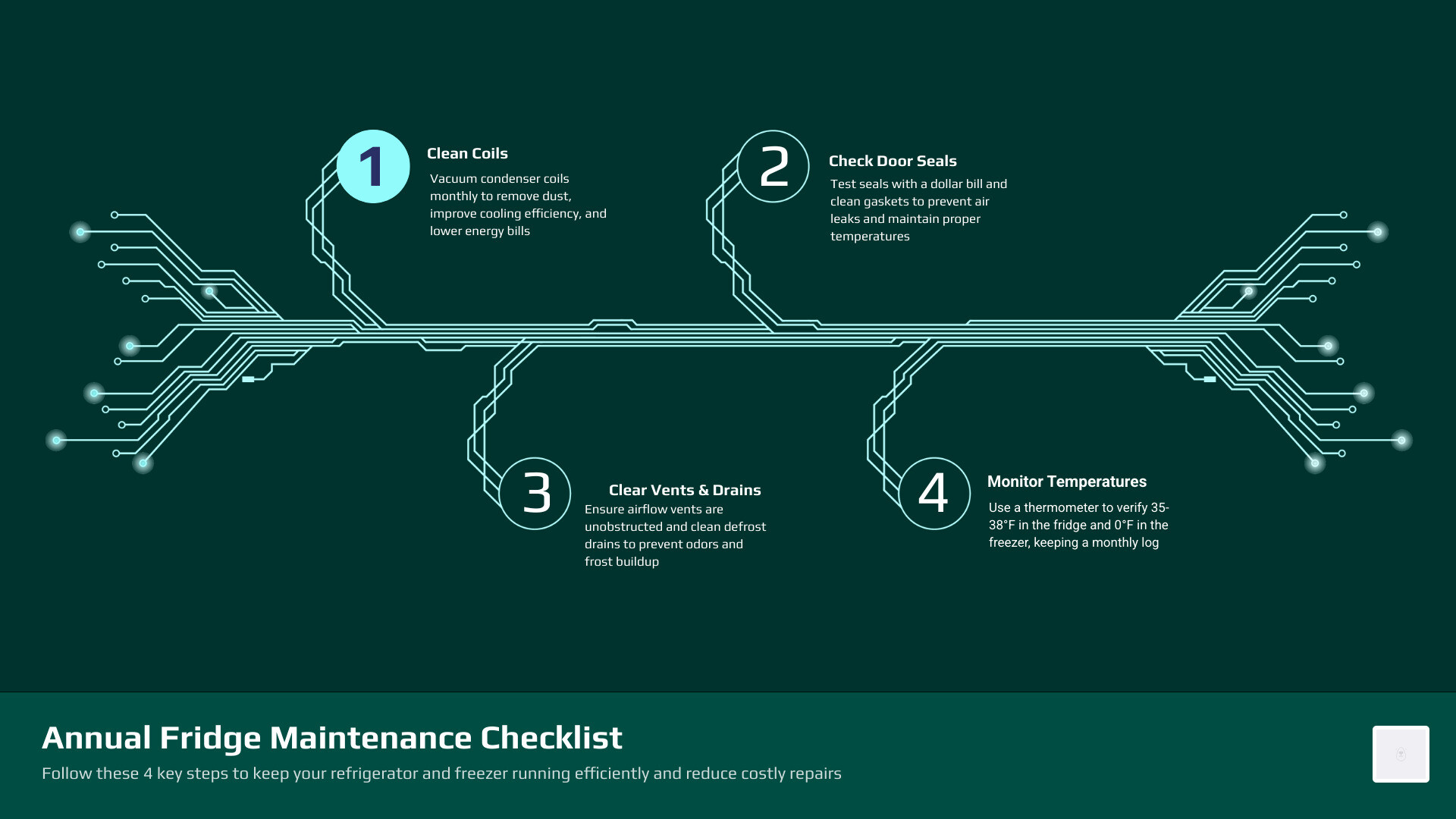
Incorporating a few easy habits into your routine can make a big difference. Monthly, check your condenser coils for dust and grime buildup. If they’re dirty, a quick vacuuming can prevent overheating and improve efficiency. Also, inspect your door seals for any gaps or tears. A simple test with a dollar bill can confirm if they’re sealing properly. Seasonally, or every few months, check for excessive frost buildup in the freezer, which can indicate a defrost system issue. If your unit has a drain pan (often located at the bottom behind the kick plate), clean it out to prevent odors and potential overflows. Regularly monitor your refrigerator and freezer temperatures with an appliance thermometer to ensure they are consistently within optimal ranges (35-38°F for the fridge, 0°F for the freezer). Keeping a temperature log can help you spot fluctuations early.
How Maintenance Improves Efficiency and Reduces Repair Calls
Regular maintenance directly translates into improved energy efficiency. Clean condenser coils allow the compressor to run less frequently and more efficiently, leading to lower electricity bills. When components like fans and compressors don’t have to work as hard, their lifespan is extended, reducing wear and tear that often leads to expensive repairs. Proper airflow, ensured by clear vents and clean coils, means your food is preserved better, minimizing spoilage. A well-maintained appliance is a reliable appliance, saving you from the inconvenience and expense of emergency service calls.
When Specialized Systems Need Expert Maintenance
While many maintenance tasks are homeowner-friendly, certain specialized refrigeration systems benefit greatly from expert attention. Built-in refrigeration and panel-ready units, for example, often have unique ventilation requirements and complex installation that can make DIY maintenance challenging. Their integrated design means that accessing certain components for cleaning or inspection might require specialized tools or knowledge to avoid damaging cabinetry or the unit itself. Sealed systems, which contain refrigerant, should only ever be serviced by EPA-certified technicians. For those with more extensive or commercial-grade refrigeration needs, understanding the intricacies of commercial refrigeration can highlight the importance of professional maintenance for complex systems. Regular professional check-ups can identify potential issues before they become critical, ensuring these high-investment appliances continue to perform optimally for years to come.
Frequently Asked Questions About Refrigeration Repair
Homeowners often have similar questions when faced with a malfunctioning refrigerator or freezer. Here, we address some of the most common concerns to provide clarity and guidance.
What are the most common signs that a refrigerator or freezer needs repair?
The most common signs include a warm interior in the refrigerator section or soft items in the freezer, indicating inadequate cooling. You might also notice unusual noises like loud humming or rattling, water leaking onto the floor, or excessive frost buildup inside the freezer. Other indicators are persistent bad odors, the appliance running constantly, or rising energy bills. For modern units, error codes displayed on the control panel are a direct alert that something is wrong. Paying attention to these early warning signals can help you address issues promptly.
How much does refrigeration repair usually cost, and is it worth it?
As of May 2026, typical refrigeration repair costs range from $150 to $500 for most common problems. More complex issues, such as a compressor replacement, can be significantly higher. A diagnostic fee, often around $149, is usually charged but is frequently waived if you proceed with the repair. To determine if repair is worth it, consider the “50 percent rule”: if the repair cost is more than half the price of a new, comparable appliance, especially for units over 10 years old, replacement might be a smarter financial decision. For newer appliances or less expensive repairs, fixing the unit is almost always the better choice.
How can regular maintenance prevent common fridge and freezer problems?
Regular maintenance is crucial for preventing common fridge and freezer problems and extending your appliance’s life. Simple tasks like cleaning the condenser coils every few months prevent overheating and improve efficiency. Regularly checking and cleaning door gaskets ensures an airtight seal, preventing cold air loss. Ensuring proper airflow by not overpacking the unit and keeping vents clear is also important. Periodically checking the defrost drain prevents clogs that can lead to water leaks and ice buildup. These consistent efforts reduce strain on the compressor and other components, leading to fewer breakdowns, lower energy consumption, and better food preservation.
Conclusion
A functioning refrigerator and freezer are cornerstones of a modern home, vital for food safety and daily convenience. When these essential appliances falter, understanding the signs of trouble, knowing when to troubleshoot, and recognizing when to call in the professionals can save you time, money, and stress.
We’ve explored the critical warning signs, from subtle temperature shifts to urgent mechanical failures, and highlighted the importance of prompt action. Basic homeowner troubleshooting, including power checks, temperature adjustments, and coil cleaning, empowers you to address minor issues. However, we’ve also emphasized the necessity of professional intervention for complex problems like sealed system repairs, ensuring safety and compliance.
The decision between repair and replacement is multifaceted, balancing cost, appliance age, and long-term efficiency. With average repair costs, diagnostic fees, and warranty information in hand, you’re better equipped to make an informed choice. Crucially, consistent preventive maintenance—from cleaning coils to inspecting door seals—is your best defense against breakdowns, ensuring your appliance operates efficiently and reliably for years to come. By adopting these habits and knowing when to seek expert help, you can safeguard your food, manage your household budget, and extend the life of your valuable refrigeration units.