
A Year-Round Commercial Pest Prevention Checklist
Commercial buildings face changing pest pressures throughout the year, but the conditions that support pests often remain the same: food, water, warmth, shelter, and access. A practical plan with routine inspections, staff reporting, and timely repairs helps facility teams reduce surprises. Businesses that work with Pointe Pest Control can also build prevention steps into normal property maintenance instead of waiting for a visible issue.
Table of Contents
- 1 Why Commercial Pest Prevention Needs A Year-Round Plan
- 2 How Pest Risks Change By Season
- 3 Winter Checklist: Block Shelter And Food Sources
- 4 Spring Checklist: Find New Activity Early
- 5 Summer Checklist: Control Moisture, Waste, And Outdoor Areas
- 6 Fall Checklist: Prepare For Indoor Invaders
- 7 High-Risk Areas In Commercial Buildings
- 8 The Role Of Employees And Tenants
- 9 How Integrated Pest Management Fits The Plan
- 10 What To Record During Each Inspection
- 11 A Simple Plan Works Best
Why Commercial Pest Prevention Needs A Year-Round Plan
Cold weather may reduce some outdoor activity, but it does not make commercial properties pest-proof. Heated interiors, stocked break rooms, plumbing areas, storage rooms, and wall voids can support pests every month. Facility teams are increasingly treating rodent activity as a year-round concern, especially where sanitation gaps, landscaping, and overlooked entry points give pests reliable access.
A single sighting can lead to damaged inventory, customer concerns, employee distractions, production delays, or compliance issues. Prevention is usually simpler than trying to correct a hidden infestation after pests have established travel routes, nesting areas, or access to food and water.
How Pest Risks Change By Season
There is no universal pest calendar. Risk changes by region, weather, building design, landscaping, tenant activity, and the type of business. Use past service reports, maintenance notes, and employee observations to create a schedule that reflects the property’s real patterns.
- Winter: Rodents and indoor pests may seek warm shelter, food, and nesting locations.
- Spring: Ants, flies, and stinging insects often become more visible as temperatures rise.
- Summer: Moisture, waste, open doors, outdoor dining, and standing water can increase pressure.
- Fall: Rodents and occasional invaders may look for protected indoor spaces before colder weather arrives.
Winter Checklist: Block Shelter And Food Sources
- Inspect loading docks, roof vents, utility openings, pipe penetrations, and foundation gaps.
- Check door sweeps, weather seals, screens, and receiving-door procedures.
- Keep stored materials orderly, off the floor when practical, and away from walls.
- Remove unused cardboard, packaging, and clutter that can create hiding places.
- Review dumpster lids, placement, cleanup routines, and pickup schedules.
- Watch for droppings, gnaw marks, grease marks, nesting material, and unusual odors.
Can pests still be active in winter? Yes. Indoor heat, water sources, food, and protected voids can allow activity to continue even when outdoor temperatures drop.
Spring Checklist: Find New Activity Early
Spring is a useful time to correct problems caused by winter weather before pest activity becomes more noticeable. Walk the exterior after storms and freeze-thaw cycles, looking for cracks, damaged screens, standing water, clogged gutters, and loose seals around doors or utilities.
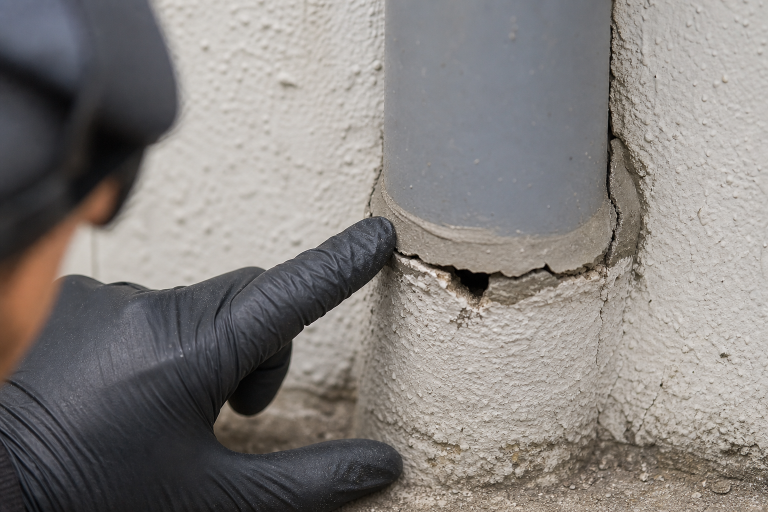
Inside, inspect kitchens, break rooms, janitorial closets, storage areas, and drains. Refresh staff training, review last year’s sighting reports, and confirm that food, recycling, and trash areas remain clean and sealed. Prevention depends on both building conditions and daily habits.
Summer Checklist: Control Moisture, Waste, And Outdoor Areas
Warm weather can increase activity around food, water, and waste. Prioritize outdoor dining spaces, trash and recycling stations, loading docks, receiving doors, gutters, irrigation lines, landscaped edges, food storage areas, shared employee spaces, and guest areas.
Small maintenance tasks can reduce several risks at once. Repair leaks, remove standing water, keep vegetation trimmed away from walls, clean spills promptly, and close doors or dock bays when they are not actively in use.
Fall Checklist: Prepare For Indoor Invaders
- Walk the entire exterior perimeter and note openings or damaged materials.
- Seal gaps around pipes, cables, vents, doors, and foundation joints.
- Trim branches and dense vegetation away from walls and rooflines.
- Move stored goods away from walls where operations allow.
- Inspect attics, basements, wall voids, and mechanical rooms.
- Check monitoring devices and update inspection notes.
- Remind employees to report signs rather than handling suspected pests alone.
Why do pest problems seem to appear suddenly in the fall? Cooling temperatures can push pests toward warmer, protected areas. Activity may have existed outdoors or in hidden building spaces before signs became easy to notice.
High-Risk Areas In Commercial Buildings
Use A Practical Walk-Through
- Kitchens and break rooms: Check crumbs, food storage, leaks, drains, cabinets, appliances, and vending areas.
- Loading docks: Look for door gaps, pallets, deliveries, open bays, and clutter that create easy access.
- Waste areas: Check for spills, overflow, damaged lids, loose debris, and standing water.
- Mechanical rooms: Inspect for warmth, condensation, pipe openings, and stored materials that create quiet harborages.
- Exterior perimeter: Look for cracks, damaged screens, vegetation, drainage issues, and signs near foundations.
The Role Of Employees And Tenants
Employees and tenants are often the first people to notice a problem. They do not need to identify every pest. A report with the date, time, location, description, and a photo, when safe and practical, can help the right person respond faster.
- Store food in sealed containers and clean spills quickly.
- Close exterior doors and loading bays when they are not needed.
- Keep desks, storage areas, and personal items orderly.
- Do not move monitoring devices or disturb suspected nesting materials.
How Integrated Pest Management Fits The Plan
Integrated pest management, often called IPM, is a practical approach that combines inspection, sanitation, exclusion, monitoring, education, and carefully selected treatments when necessary. Research on rodent exclusion in occupied buildings reinforces the value of assessing entry points and planning physical repairs as part of prevention.
- Inspect the building and surrounding property.
- Identify moisture, food, clutter, and access conditions.
- Correct the conditions that support pest activity.
- Use monitoring to track trends over time.
- Choose treatments based on the pest, location, and building use.
- Review results and improve the plan.
What To Record During Each Inspection
Inspection records should include the date and time, areas checked, signs found, conditions that may support pests, recommended repairs or cleaning tasks, monitoring results, completed actions, and follow-up dates. Repeated activity near one receiving door, for example, may point to a structural opening, delivery routine, or waste issue that one-time treatment alone will not solve.
A Simple Plan Works Best
Commercial pest prevention works best when it becomes part of routine facility care. A seasonal checklist, clear reporting process, regular inspections, timely repairs, and useful records can reduce disruptions throughout the year. The strongest plan is not necessarily the most complicated one. It is the plan that the property team can follow, document, and improve month after month.