
Award-Winning HVAC Solutions and Emergency Repairs
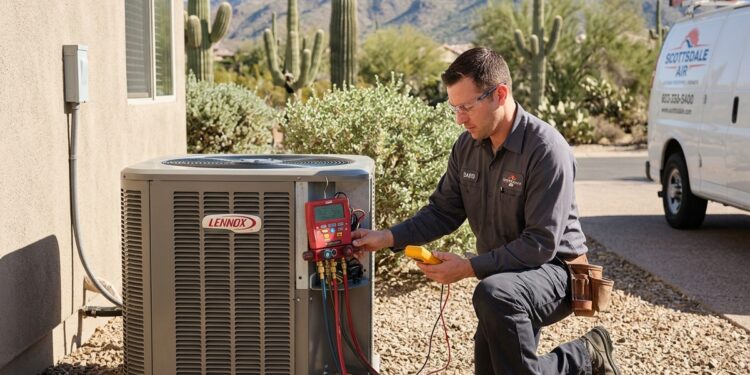
Table of Contents
When Does a Cooling Issue Require Emergency HVAC Repairs?
We, Phoenix, AZ, residents understand the critical need for a functioning home, especially when desert temperatures soar. In May 2026, a sudden system failure, particularly with our air conditioning, can quickly become more than an inconvenience; it can be a safety concern for us all. When unexpected HVAC breakdowns occur, finding a reliable Emergency repair professional Phoenix is essential to restore our comfort and prevent further damage. This article will explore common signs we need urgent help, what to do before help arrives, and how we can choose the right experts for our HVAC emergencies.
In the intense heat of Phoenix, a cooling issue can escalate from discomfort to a genuine emergency within hours. What constitutes an emergency repair that demands immediate professional attention? It’s any situation that poses a threat to our health, safety, or property, or renders our home uninhabitable, especially when temperatures consistently reach 115 degrees Fahrenheit or higher. For us in Phoenix, a total AC system failure is often the most pressing emergency, as prolonged exposure to extreme heat can lead to heatstroke, dehydration, and other serious health risks, particularly for vulnerable populations like the elderly, young children, and those with pre-existing health conditions.
Beyond a complete shutdown, other scenarios also warrant urgent intervention. Refrigerant leaks, for instance, not only reduce cooling efficiency but can also release harmful chemicals into our home’s air, impacting indoor air quality. Compressor burnout, a critical component failure, can leave our system entirely inoperable. Electrical malfunctions within the HVAC unit, such as sparking wires or tripped breakers that won’t reset, present significant fire hazards. We must never ignore the smell of burning plastic or ozone emanating from our AC unit, as these are clear indicators of an electrical emergency. Additionally, frozen evaporator coils, while seemingly benign, can lead to water damage as they melt, potentially causing mold growth within 24-48 hours in our warm climate if not addressed promptly. Any situation where our HVAC system is actively causing water damage or creating indoor air quality hazards, such as unusual odors or visible mold near vents, should be treated as an immediate concern.
Signs You Need Immediate Emergency HVAC Repairs
Recognizing the early warning signs of an impending HVAC emergency can help prevent more extensive damage and discomfort. We should be vigilant for:
- Unusual Noises: Grinding, banging, screeching, or whistling sounds from our outdoor unit or indoor air handler often signal serious mechanical problems, such as a failing motor, loose parts, or compressor issues. These “red flag” sounds indicate that something is fundamentally wrong and needs professional assessment.
- Burning Smells: An acrid, burning odor, especially one resembling burning plastic or electrical components, requires immediate attention. This could indicate an electrical short, overheating motor, or other dangerous electrical fault that poses a fire risk. If we detect such smells, we should turn off our system and call for help.
- Warm Air from Vents: If our AC is running but blowing warm or lukewarm air, it’s a clear sign of a malfunction. This could be due to a refrigerant leak, a failed compressor, a clogged condenser coil, or a thermostat issue. In Phoenix’s climate, this quickly becomes an emergency.
- Weak Airflow: Reduced airflow from our vents can indicate a clogged air filter, a problem with the blower motor, or issues with the ductwork. While a simple filter change might resolve some cases, persistent weak airflow can lead to uneven cooling and system overwork.
- Rapid Cycling (Short Cycling): When our AC unit turns on and off frequently without completing a full cooling cycle, it’s known as short cycling. This is inefficient, puts undue stress on the compressor, and can indicate issues with refrigerant levels, thermostat calibration, or an oversized unit.
- Thermostat Failure: If our thermostat isn’t responding to adjustments, displaying incorrect temperatures, or has gone blank, it can prevent our AC from functioning correctly. This might be a simple battery issue, but it could also signal a more complex electrical problem or a faulty thermostat.
- Ice on Refrigerant Lines or Coils: Visible ice buildup on our outdoor unit’s refrigerant lines or indoor evaporator coils indicates a problem with airflow, low refrigerant levels, or a malfunctioning expansion valve. This can lead to inefficient cooling, system damage, and eventual water leaks as the ice melts.
Common Causes for Emergency HVAC Repairs in the Desert
Phoenix’s unique desert environment contributes to several common causes of emergency HVAC repairs. We face specific challenges that stress our cooling systems more than in other climates:
- Monsoon Dust and Debris: Our annual monsoon season brings dust storms that can quickly clog outdoor condenser coils and air filters. This reduces airflow, forces the unit to work harder, and can lead to overheating and premature component failure. Regular cleaning is vital to combat this.
- Extreme Heat: The relentless, triple-digit temperatures place immense strain on our AC units. Components like capacitors, motors, and compressors are constantly working overtime, leading to accelerated wear and tear. This extreme heat is a primary factor in electrical problems, such as failed capacitors and contactors, which are common emergency repairs.
- Hard Water Scaling: While primarily a plumbing concern, hard water can indirectly affect HVAC systems if condensate lines become clogged with mineral deposits. This can cause water backups, leading to leaks and potential water damage around the indoor unit.
- Electrical Surges: Phoenix experiences frequent lightning during the monsoon season, which can cause power fluctuations. These events can cause electrical surges that damage sensitive HVAC control boards and other electrical components, necessitating emergency repairs.
- Component Wear and Tear: Given the constant demand on our AC systems, components naturally wear out more quickly. Bearings, belts, motors, and even the compressor itself have a finite lifespan, and prolonged use in harsh conditions shortens it, leading to unexpected breakdowns.
- Lack of Maintenance: Perhaps the most preventable cause, neglecting routine maintenance significantly increases the likelihood of an emergency. Without regular inspections, cleaning, and tune-ups, small issues can go unnoticed and escalate into major, costly repairs.
What Should I Do While Waiting for an HVAC Technician in Phoenix?
When faced with an HVAC emergency in Phoenix, immediate actions can help mitigate damage, ensure our safety, and prepare our home for the professionals. While we might be tempted to fix things ourselves, it’s crucial to prioritize safety and avoid DIY repairs that could worsen the problem or put us at risk. For comprehensive guidance on handling various home crises, we often refer to resources such as “How to Handle a Home Crisis with Emergency Repair in Phoenix.”
Here’s what we should do:
- Ensure Safety First: If we smell gas (a rotten egg odor) or see sparks, smoke, or flames, our immediate priority is to evacuate everyone from the home and call 911 or our local fire department. Do not attempt to locate the source or turn off any appliances if there’s a risk of fire or explosion.
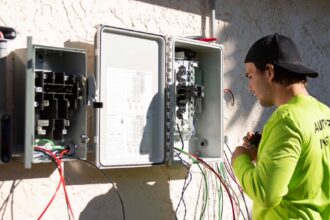
- Turn Off the System: For most AC malfunctions, including unusual noises, warm air, or electrical issues (unless it’s an active fire), the first step is to turn off our HVAC system at the thermostat. If the issue seems electrical, we should also consider turning off the corresponding circuit breaker at our electrical panel, provided it’s safe to do so. This prevents further damage to the unit and reduces electrical hazards.
- Inspect and Clear the Outdoor Unit: If our outdoor condenser unit is making strange noises or not running, we can safely check for obvious obstructions. Clear away any debris, such as leaves, dirt, or monsoon dust, that might be blocking airflow around the unit. However, we should never attempt to open the unit or touch internal components.
- Check the Air Filter: A severely clogged air filter can restrict airflow, causing our system to freeze up or overheat. We can safely inspect our air filter and, if it’s visibly dirty, replace it with a clean one. This simple step sometimes resolves minor airflow issues.
- Reset the Thermostat: Sometimes, a thermostat malfunction can mimic an AC breakdown. We can try resetting our thermostat according to the manufacturer’s instructions. If it’s a smart thermostat, we might also check its connection to our home Wi-Fi.
- Manage Indoor Temperature: While waiting for help, we can take steps to keep our home as cool as possible—close blinds and curtains to block direct sunlight, especially on south- and west-facing windows. Avoid using heat-generating appliances, such as ovens or clothes dryers.
- Address Water Leaks: If our AC unit is leaking water, we should immediately turn off the system and use towels or buckets to contain the water and prevent water damage. If the leak is significant, we might need to turn off the main water supply to our home, especially if it’s a plumbing-related issue. Moving valuables away from the affected area is also a wise precaution.
- Gather Information: When the technician arrives, they will appreciate any details we can provide. Note down the exact symptoms, when they started, any sounds or smells we noticed, and what steps we’ve already taken. This information can help speed up the diagnostic process.
By taking these proactive steps, we not only ensure our safety but also help the emergency repair professional diagnose and resolve the issue more efficiently.
Proactive Strategies to Prevent System Failure in the Arizona Heat
In Phoenix’s demanding climate, preventing HVAC emergencies is far more cost-effective and comfortable than reacting to them. Proactive strategies are key to ensuring our cooling systems can withstand the intense heat, maintain energy efficiency, and enjoy an extended lifespan.
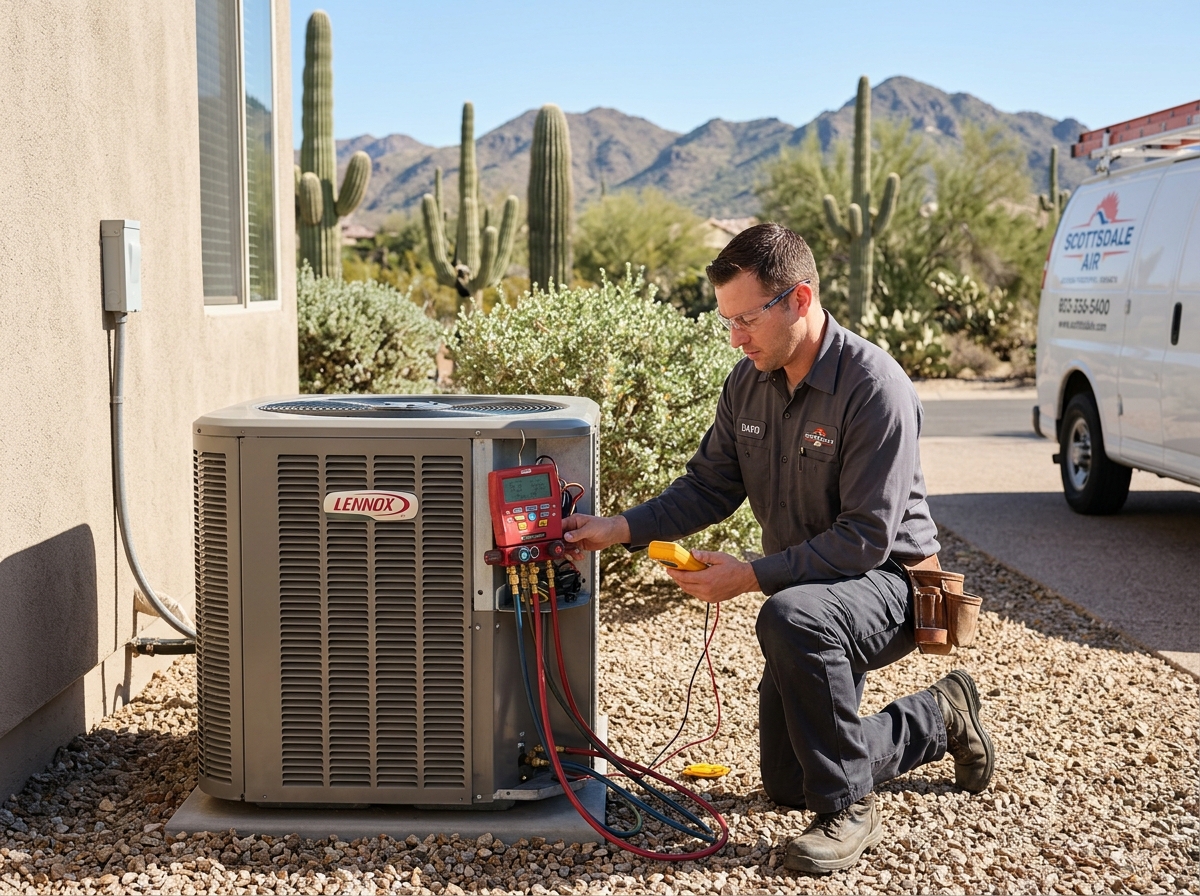
One of the most critical preventive measures is scheduling regular professional maintenance. Just as we wouldn’t skip oil changes for our car, our HVAC system needs annual tune-ups, ideally in the spring before the summer heat intensifies. During these appointments, technicians perform comprehensive checks, including cleaning coils, inspecting electrical connections, lubricating moving parts, and verifying refrigerant levels. This meticulous attention helps catch small issues before they escalate into major breakdowns, saving us from the discomfort and expense of emergency repairs.
Beyond professional tune-ups, we can implement several homeowner-level practices:
- Regular Filter Changes: This is arguably the simplest yet most impactful maintenance task. Clogged air filters restrict airflow, forcing our system to work harder, decreasing efficiency, and potentially leading to frozen coils or overheating. In dusty Phoenix, we should inspect and change our filters monthly, or at least every 1-3 months, depending on usage and household conditions.
- Coil Cleaning: While professional cleaning is recommended annually, we can keep our outdoor condenser coil free of visible debris between visits. Ensuring there’s at least two feet of clearance around the unit helps maintain proper airflow.
- Duct Sealing and Inspection: Leaky ducts can waste up to 30% of our conditioned air, reducing efficiency and increasing utility bills. Professional duct sealing ensures that the cooled air reaches our living spaces efficiently, preventing our system from overworking. We might also consider duct cleaning to improve air quality and airflow.
- Smart Thermostats: Installing a smart thermostat allows us to program cooling schedules, adjust temperatures remotely, and monitor energy usage. Many smart thermostats can even alert us to potential system issues, providing an early warning system.
- Insulate Exposed Pipes: While less common for AC, insulating any exposed water pipes (including condensate lines if accessible) can help prevent issues, especially during rare cold snaps or to ensure proper drainage.
The benefits of routine maintenance versus reactive emergency repairs are clear. Consider this comparison:
Feature Routine Maintenance (Proactive) Reactive Emergency Repairs Cost Predictable, lower annual cost; prevents costly breakdowns. Unpredictable, often higher cost due to urgency and after-hours rates. System Longevity Extends equipment lifespan; delays the need for costly AC replacement. May shorten lifespan due to prolonged stress; can lead to premature replacement. Energy Efficiency Optimizes performance; lowers monthly utility bills. Inefficient operation before breakdown; higher energy consumption. Comfort & Reliability Consistent cooling; fewer unexpected disruptions. Intermittent comfort; sudden loss of cooling during peak demand. Indoor Air Quality Improved with clean filters and coils; reduced allergens. May decline if system malfunctions or causes mold growth. Peace of Mind Confidence in system reliability; fewer worries. Stress and anxiety during breakdowns; urgent problem-solving. Investing in our HVAC system’s health through regular maintenance is a smart decision for any Phoenix homeowner. It not only ensures reliable comfort but also protects our investment and contributes to a healthier home environment. For more information on maintaining our home’s core systems, we can explore general HVAC resources.
Who Are the Most Reliable HVAC Experts in Scottsdale and Mesa?
When an HVAC emergency strikes in Phoenix, Scottsdale, Mesa, or any of the surrounding communities, choosing the right professional is paramount. We need experts who are not only skilled but also reliable, responsive, and trustworthy. The Phoenix metropolitan area is vast, covering diverse communities from Scottsdale to Mesa, and from the West Valley towns like Avondale and Peoria to the North Valley areas like New River and Cave Creek. A truly reliable emergency repair company will offer comprehensive coverage across these regions.
Here’s what we should look for when selecting an emergency repair professional:
- 24/7 Availability and Rapid Response: In Phoenix, a broken AC isn’t just an inconvenience; it’s a health risk. Reputable companies understand this urgency and offer true 24/7 emergency services, meaning real technicians are on call, not just an answering service. Many strive to achieve response times of 60-90 minutes for urgent calls, ensuring help arrives as quickly as possible to limit damage and restore comfort. For insights into round-the-clock services, we might find Phoenix After Dark – Your Guide to 24/7 Emergency Repairs helpful.
- Licensed, Certified, and Insured Technicians: We should always verify that technicians are fully licensed, insured, and bonded. Look for certifications such as NATE (North American Technician Excellence), which indicate a high level of expertise and ongoing training in HVAC systems. NATE-certified technicians are a benchmark for quality and competence in the industry.
- Local Expertise and Experience: Companies with decades of experience serving the Phoenix Metro area, often spanning 35+ years, possess an invaluable understanding of our unique climate challenges and the specific demands placed on HVAC systems here. They are familiar with common issues such as monsoon dust, extreme heat stress, and hard water.
- Transparent Pricing and Warranties: A reliable professional will provide upfront pricing before any work begins, with no hidden fees or surprises, even for after-hours calls. They should also stand behind their work with robust warranties on both parts and labor, ensuring our long-term peace of mind.
- Fully Stocked Trucks: Emergencies require immediate solutions. Top-tier companies equip their service vehicles with a wide array of common parts and tools, allowing technicians to complete most repairs on the first visit, minimizing downtime and inconvenience.
- Strong Customer Reviews and Reputation: Customer reviews are a powerful indicator of a company’s reliability and service quality. Look for companies with thousands of five-star reviews, reflecting consistent customer satisfaction and a commitment to excellence. These reviews often highlight promptness, professionalism, and effective problem-solving.
- Comprehensive Service Offerings: While our immediate need might be an AC repair, a truly reliable company will offer a full suite of HVAC services, from AC repair and installation to heating services and indoor air quality solutions, demonstrating their breadth of expertise.
Choosing an emergency repair professional is a critical decision, and doing our due diligence ensures we receive the best possible service when we need it most. For a broader perspective on selecting service providers, we can consult resources like The Ultimate Phoenix Emergency Repair Service Handbook.
Frequently Asked Questions
What constitutes an HVAC emergency in Phoenix?
An HVAC emergency in Phoenix is any situation where a malfunctioning cooling system poses a threat to our health, safety, or property, or makes our home uninhabitable, especially during periods of extreme heat. This includes total AC system failure, refrigerant leaks, electrical malfunctions (such as sparking or burning smells), compressor burnout, or any issue that causes significant water damage or creates indoor air quality hazards. For instance, a broken AC when the outdoor temperature is 115°F is unequivocally an emergency due to the risks of heat-related illness.
How quickly do local professionals respond to urgent calls?
Reputable emergency repair companies in Phoenix understand the critical nature of HVAC breakdowns in our climate. Many strive for rapid response times, often dispatching technicians within 60 to 90 minutes of an urgent call. While actual response times can vary by location within the Phoenix Valley and the current volume of emergency calls, these companies prioritize immediate dispatch to minimize discomfort and prevent further damage. They are typically available 24/7, year-round, to ensure help is always accessible.
Can regular maintenance prevent the need for emergency HVAC repairs?
Absolutely. Regular, professional HVAC maintenance is the single most effective way to prevent the vast majority of emergency repairs. Annual tune-ups, typically performed in the spring, allow technicians to inspect, clean, and optimize our system, catching minor issues before they escalate into major breakdowns. This proactive approach not only extends the lifespan of our equipment and improves energy efficiency but also significantly reduces the likelihood of unexpected failures, offering consistent comfort and considerable peace of mind, even in Phoenix’s extreme temperatures.
Conclusion
As residents of Phoenix, we understand that maintaining a comfortable and safe home environment, particularly during our scorching summers, hinges on the reliability of our HVAC systems. In May 2026, the need for expert response to cooling emergencies is as critical as ever. From recognizing the early warning signs of system distress to knowing the immediate steps to take before professional help arrives, being prepared is our best defense against the unexpected.
Choosing the right emergency repair professional means prioritizing those with 24/7 availability, NATE-certified technicians, extensive local experience, transparent pricing, and a strong reputation for customer satisfaction. Investing in proactive maintenance is not just about extending our system’s lifespan; it’s about safeguarding our family’s health and comfort, preventing costly emergencies, and ensuring our home remains a sanctuary from the relentless Arizona heat. By making informed choices and partnering with dedicated HVAC experts, we can ensure reliable comfort and peace of mind, no matter what challenges our unique climate brings. For immediate assistance or to explore our comprehensive HVAC emergency services, please reach out. Your comfort and safety are our priority. We invite you to learn more about our air conditioning repair options or contact us directly for any of your HVAC needs.