
Professional AC Installation Benefits for Florida Home Comfort
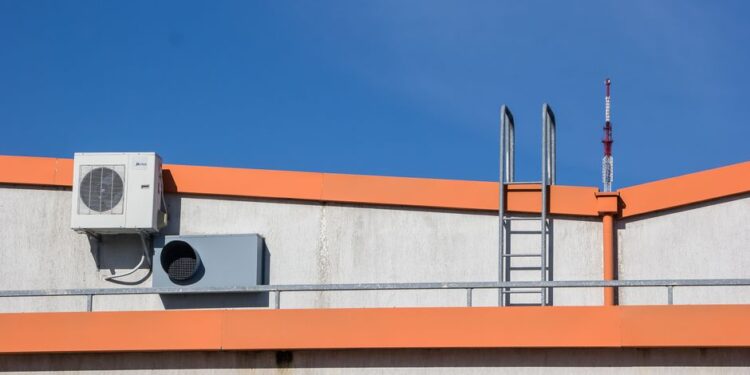
Table of Contents
Optimizing Climate Control with Professional HVAC Services

In the warm and often humid climate of Florida, a well-functioning HVAC system is paramount for comfort and health. From the bustling urban centers like Jacksonville and Orlando to the residential neighborhoods of Gainesville, residents and businesses alike depend on efficient air conditioning. The installation of Comfort Temp HVAC home systems, whether a new central system or a split unit, is a critical undertaking that significantly impacts long-term performance and energy consumption.
When considering an AC unit installation, several factors come into play. For central air conditioning, we first assess a home’s cooling needs, a crucial step often overlooked by less experienced contractors. This involves a detailed load calculation, such as the Air Conditioning Contractors of America (ACCA) Manual J, which considers insulation levels, window types, and even the number of occupants. Skipping this can lead to an improperly sized unit—an undersized unit will struggle and run constantly. At the same time, an oversized one will cycle too frequently, both leading to inefficiency and discomfort.
Selecting the AC unit itself is another vital decision. Modern units are designed with higher Seasonal Energy Efficiency Ratio (SEER) and SEER2 ratings, indicating better energy efficiency. Federal law, as of May 2026, mandates new central ACs to have a SEER of at least 13, but investing in units with higher ratings can lead to substantial long-term savings on energy bills. For instance, replacing an AC unit older than 10 years with a higher SEER2 model can save homeowners up to 20% on heating and cooling costs. We understand that choosing the right system can be complex, which is why we emphasize the importance of expert guidance in selecting a new HVAC system that aligns with your specific needs and budget.
Professional AC unit installation ensures that every component, from the compressor and condenser to the ductwork and evaporator coil, is correctly integrated. This includes meticulous site preparation, ensuring the outdoor unit is placed on a flat, stable surface with adequate clearance for optimal airflow and heat dissipation. The indoor unit, especially in split systems, must be mounted level for proper drainage and performance. Connecting electrical wiring and refrigerant lines requires specialized knowledge and equipment, as improper connections can lead to electrical hazards, refrigerant leaks, and system damage. Refrigerant, being toxic, must be handled by EPA-certified personnel using recovery machines and tanks; it must never be vented into the atmosphere.
The benefits of professional AC unit installation extend beyond mere functionality. A professionally installed unit is more reliable, less prone to malfunctions, and operates more efficiently, directly translating to lower energy bills and a reduced environmental footprint. It also ensures warranty validity, as many manufacturers require professional installation for their warranties to be honored. Moreover, a new, efficiently installed AC unit can significantly increase a home’s overall property value and desirability, a valuable asset in Florida’s competitive real estate market.
Air Purification vs. Water Purification Technologies
Beyond temperature control, indoor air quality is a growing concern for many homeowners. HVAC systems, particularly those with advanced filtration, play a crucial role here. Air purification technologies in AC units often include high-efficiency particulate air (HEPA) filters that capture microscopic particles such as dust, pollen, and pet dander. Some systems also integrate UV lamps to neutralize airborne pathogens, such as viruses and bacteria, and activated carbon filters to absorb odors and volatile organic compounds (VOCs). These features are particularly beneficial in Gainesville residential services, where allergies and humidity can impact indoor air quality.
While air purification focuses on the gaseous environment, water purification technologies address the quality of our potable water. These systems, though separate from HVAC, are equally vital for a healthy home. From whole-house sediment filters that remove larger particles to advanced reverse osmosis systems that eliminate dissolved solids, chemicals, and contaminants, water purification ensures clean, safe water for drinking, cooking, and bathing. Both air and water quality management contribute to a holistic approach to home health and comfort.
Advanced Plumbing and Water Quality Management
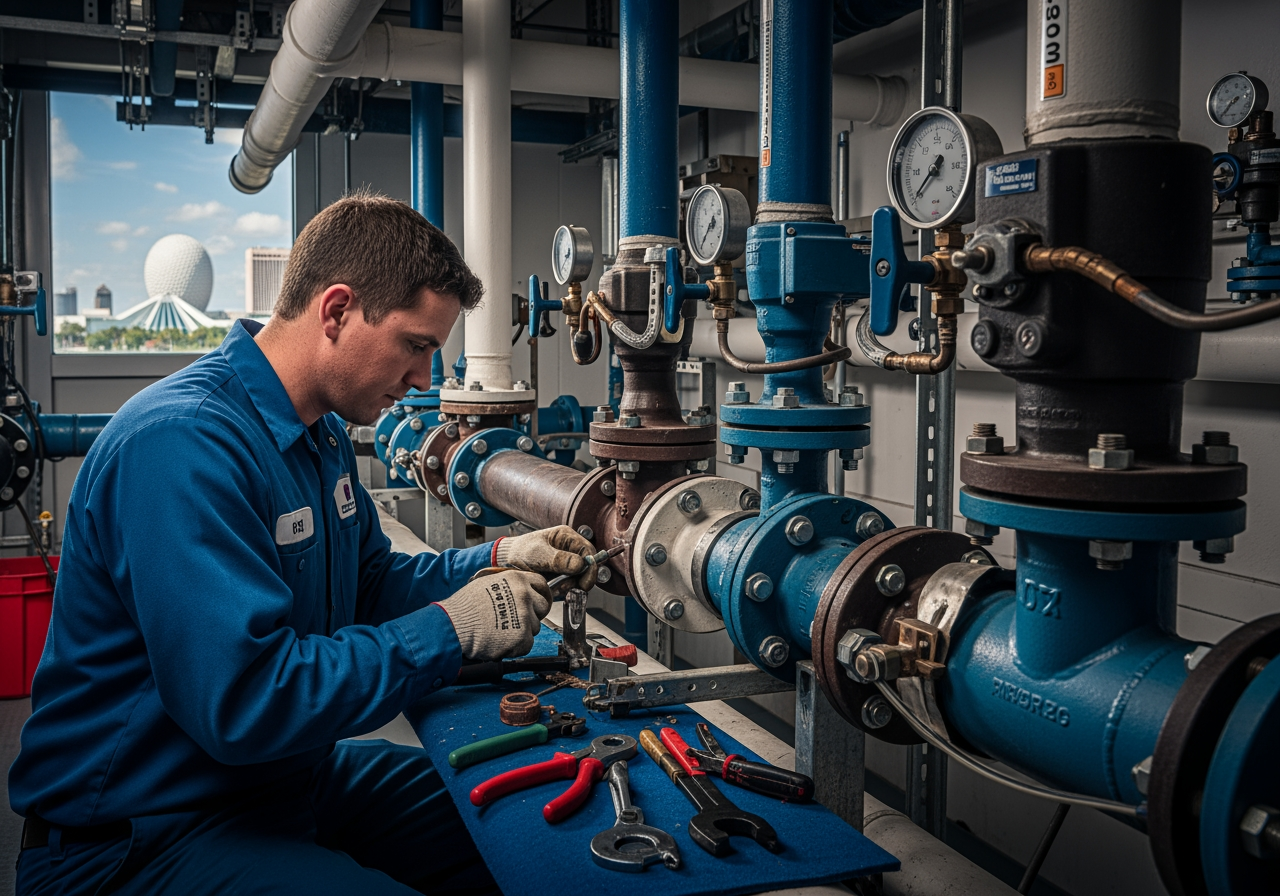
Plumbing systems are the unsung heroes of our homes and businesses, quietly delivering fresh water and efficiently removing waste. In regions like Orlando, Jacksonville, and Gainesville, where water quality can vary and infrastructure ages, advanced plumbing and water quality management are essential. Our services encompass everything from routine maintenance and leak detection to complex commercial pipe system repairs and installations.
Maintaining a robust plumbing system is critical for preventing costly damage and ensuring a consistent water supply. Leak detection, for instance, is not just about visible drips; hidden leaks can lead to significant water waste, structural damage, and mold growth. Utilizing modern diagnostic tools, we can pinpoint leaks behind walls or underground, addressing issues before they escalate. For residential plumbing in Gainesville, this means safeguarding homes against water damage and high utility bills. In commercial settings in Jacksonville and Orlando, it means minimizing operational disruptions and complying with stringent health and safety regulations.
Beyond the pipes themselves, water quality is a primary concern. Hard water, common in many areas, can lead to mineral buildup in pipes and appliances, reducing their lifespan and efficiency. We offer solutions, such as water softeners, to mitigate these issues. For those seeking superior drinking water, specialized water purification systems provide an added layer of protection against contaminants. High-end fixtures, while aesthetically pleasing, also benefit from clean water, which helps preserve their finish and functionality.
Specialized Water Purification Systems
For truly pristine water, specialized purification systems are an invaluable investment. Reverse osmosis (RO) systems are highly effective, pushing water through a semi-permeable membrane to remove dissolved inorganic solids, chemicals, and microorganisms. These are often installed at the point of use, such as under the kitchen sink, to provide high-quality drinking and cooking water.
Water softeners, as mentioned, remove calcium and magnesium ions that cause scale buildup. This not only protects plumbing and appliances but also improves the effectiveness of soaps and detergents. Sediment filtration systems act as a first line of defense, removing larger particles like sand, rust, and dirt before they can enter and potentially damage other purification stages or household plumbing. For Gainesville residential plumbing, these systems can significantly enhance daily living by providing cleaner water and extending the lifespan of water-using appliances. Commercial water treatment systems, on the other hand, are often larger-scale and tailored to specific industry needs, ensuring compliance and operational efficiency.
The Financial and Functional Benefits of Home Systems Maintenance
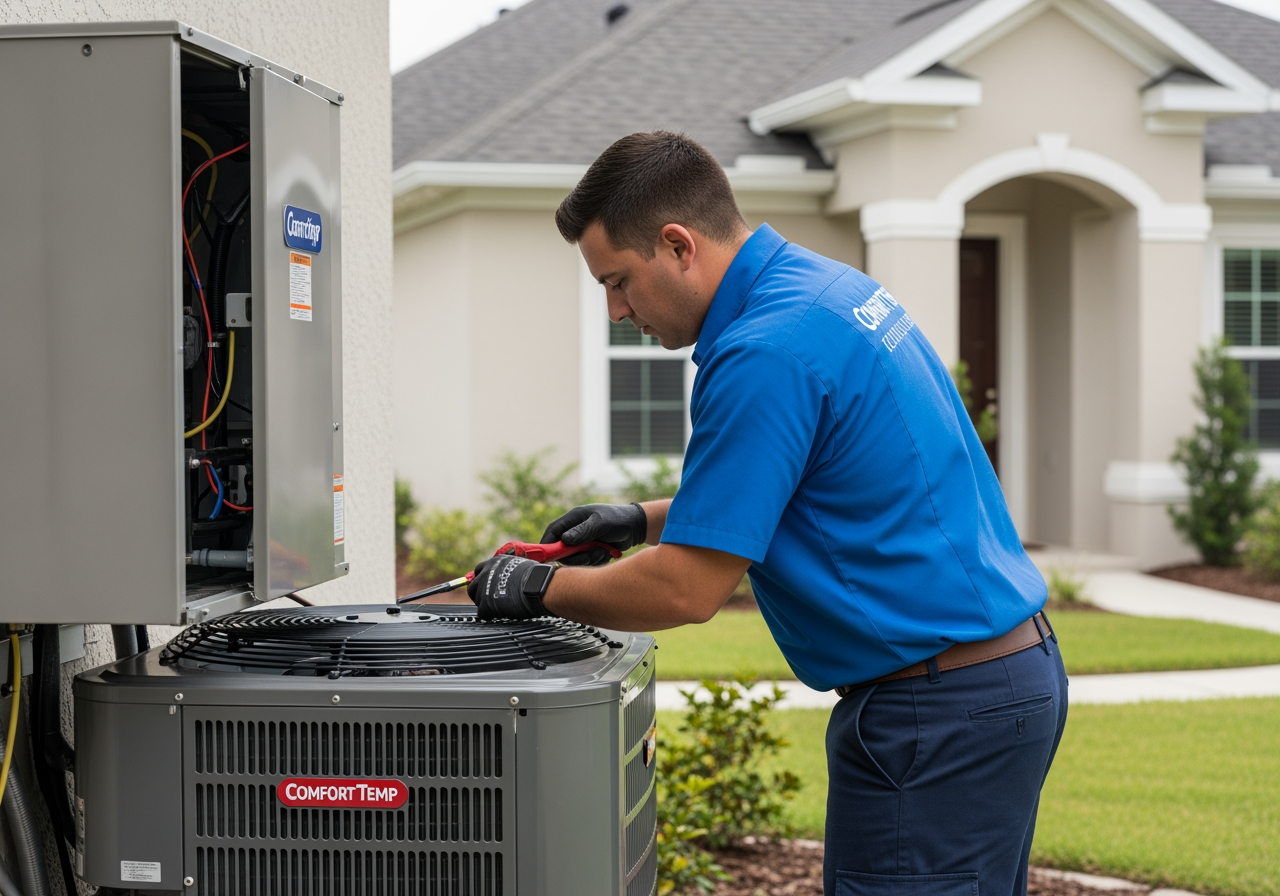
Investing in professional maintenance for your home’s essential systems — HVAC, plumbing, and even solar — is not merely an expense; it’s a strategic decision that yields significant financial and functional benefits. Regular upkeep by certified technicians ensures peak performance, extends equipment lifespan, and contributes to substantial utility savings.
Consider your AC unit installation from May 2026. A professionally installed system, while robust, still requires consistent attention. Just as we maintain our vehicles, our home systems need tune-ups to operate efficiently. This preventative care directly impacts energy efficiency. A well-maintained AC unit, for example, can save you up to 15% on energy costs compared to a neglected one. This efficiency translates into lower monthly utility bills, putting money back in your pocket.
Moreover, proper maintenance extends the lifespan of your equipment. HVAC systems, plumbing fixtures, and solar panels are significant investments. Routine checks and servicing can extend an HVAC system’s lifespan by up to 40%, delaying costly replacements. This proactive approach also enhances property value, as a home with well-maintained, efficient systems is more attractive to potential buyers. Professional oversight ensures that minor issues are identified and addressed before they escalate into major, expensive repairs. It’s about protecting your investment and ensuring uninterrupted comfort.
Seasonal Strategies for Home Systems Maintenance
Effective home systems maintenance often follows a seasonal rhythm, aligning with the demands placed on equipment throughout the year. As we approach June 2026, preparing for the peak cooling season is paramount.
For HVAC systems, this means prioritizing air filter changes. Filters should be cleaned or replaced every one to three months, or more frequently if you have pets or allergies. This simple step vastly improves airflow and indoor air quality. Additionally, the outdoor condenser coil must be kept free of debris, leaves, and vegetation. Hosing down the outdoor unit occasionally can remove dirt buildup, ensuring efficient heat exchange. These practices are vital for residential maintenance in Gainesville and equally important for commercial maintenance in Jacksonville and Orlando, where system uptime is critical.
Plumbing systems also benefit from seasonal checks. Inspecting for leaks, ensuring proper drainage, and flushing water heaters can prevent issues. Solar panels, particularly in Florida’s sunny climate, should be cleaned periodically to remove dust and grime that can reduce their energy output. By adopting these seasonal strategies, we can ensure our systems are ready for whatever the weather brings.
Long-term Reliability through Home Systems Maintenance
The long-term reliability of your home systems depends on a consistent maintenance schedule. Most HVAC equipment is designed to last 15 to 20 years, but this lifespan can be significantly shortened without proper care. Regular professional inspections detect wear and tear early, enabling timely repairs that prevent catastrophic failures.
Furthermore, maintenance ensures warranty compliance. Many manufacturers stipulate annual professional servicing as a condition of their warranty. Neglecting maintenance could void your warranty, leaving you responsible for the full cost of repairs or replacements. For example, registering new Carrier air conditioners within 90 days of installation often provides a 10-year parts limited warranty, but this is typically contingent on proper maintenance.
For complex systems like central AC, professional diagnostic tools are essential. Technicians can perform detailed checks, measure refrigerant levels, test electrical components, and calibrate thermostats. This level of scrutiny goes beyond what a homeowner can typically achieve, ensuring your system operates at optimal efficiency and extends its lifespan, whether for residential use or commercial maintenance in Orlando.
Integrating Solar Power and Energy-Efficient Upgrades
As we look towards a more sustainable future, integrating solar power and other energy-efficient upgrades into our homes becomes increasingly appealing. In May 2026, amid rising energy costs and environmental concerns, homeowners are actively seeking ways to reduce their carbon footprint and save money. Solar panels, coupled with energy-efficient HVAC systems, offer a powerful synergy for achieving this.
An energy audit is often the first step in this journey. This comprehensive assessment identifies areas where your home is losing energy, such as poor insulation, leaky windows, or inefficient appliances. By addressing these issues first, we can maximize the impact of solar power and other upgrades. For instance, a well-insulated home requires less energy to heat and cool, meaning a smaller, more cost-effective solar array can meet its needs.
Solar panels generate clean electricity, which can offset or even eliminate your reliance on the grid. Net metering policies, available in many regions, allow homeowners to sell excess electricity back to the utility company, further reducing bills. When combined with a high-efficiency HVAC system, such as one with a high SEER2 rating, the home’s overall energy consumption plummets. This creates a truly sustainable cooling solution, where your AC unit runs on power generated right from your rooftop. This kind of thoughtful integration not only reduces utility expenses but also significantly increases your home’s appeal and value.
Assessing Home Cooling Loads for Efficiency
A critical aspect of achieving energy efficiency, especially in Florida’s climate, is accurately assessing a home’s cooling loads. This process, often referred to as a Manual J calculation, goes beyond simply looking at square footage. It delves into the specifics of your home’s construction and environment to determine the exact cooling capacity needed.
Factors considered in a detailed cooling load assessment include:
- Home Size and Layout: Total conditioned area and floor plan.
- Insulation Levels: Quality and R-value of wall, ceiling, and floor insulation.
- Window and Door Specifications: Type of glass (single, double, low-E), window orientation (facing north, south, east, west), and overall airtightness.
- Shading: External factors like trees, awnings, and overhangs that reduce solar heat gain.
- Internal Heat Sources: Appliances, lighting, and the number of occupants.
- Ductwork Condition: Leaks or poor insulation in ductwork can significantly impact efficiency.
An accurate load calculation ensures that the AC unit installed is perfectly sized for your home’s unique needs. An undersized unit will struggle to cool on the hottest days, leading to continuous operation and high energy bills. An oversized unit, conversely, will cool too quickly, then shut off, leading to short cycling. This not only wastes energy but also fails to remove humidity, leaving your home feeling clammy. For Gainesville residential energy audits, we emphasize this detailed assessment to recommend the most efficient and effective HVAC solutions.
Frequently Asked Questions about Home Systems
We often receive questions regarding the installation and maintenance of essential home systems. Here, we address some of the most common inquiries to provide clarity and guidance.
What are the essential steps for a professional AC unit installation?
A professional AC unit installation is a multi-step process designed to ensure optimal performance, efficiency, and safety. While specific details may vary between central and split systems, the core steps include:
- Initial Consultation and Assessment: A certified technician will visit your home to perform a detailed load calculation (e.g., Manual J) to determine the correct size and type of AC unit needed. They will also assess the best locations for both indoor and outdoor units, taking into account electrical access, drainage, and airflow.
- Site Preparation: This involves preparing the installation area, which may include leveling the ground for the outdoor condenser unit, checking and potentially upgrading electrical wiring to meet the new unit’s power requirements, and inspecting existing ductwork for leaks or damage.
- Removal of Old System (if applicable): If replacing an existing unit, the old equipment will be carefully removed. This is particularly critical for refrigerant lines, which must be evacuated by EPA-certified personnel using specialized equipment to prevent environmental contamination.
- Mounting Units: The indoor unit (air handler or evaporator coil) is securely mounted, often in an attic, closet, or basement, and connected to the ductwork. For split systems, the outdoor condenser unit is placed on a stable, vibration-absorbing pad.
- Connecting Electrical and Refrigerant Lines: This complex step involves running and connecting the copper refrigerant lines between the indoor and outdoor units, along with the necessary electrical wiring. Brazing techniques are used to create leak-proof connections, and a vacuum pump removes air and moisture from the lines before refrigerant charging.
- Condensate Drain Line Installation: A drain line is installed to remove moisture collected by the evaporator coil safely. A safety overflow switch is often integrated to prevent water damage in the event of a blockage.
- Thermostat Installation: A new thermostat, often a smart or programmable model, is installed and wired to control the system.
- System Testing and Commissioning: After all connections are made, the system is thoroughly tested for leaks, proper refrigerant levels, airflow, and overall cooling performance. The technician will also ensure all components are functioning correctly and commission the unit to validate the manufacturer’s warranty.
- Final Adjustments and Cleanup: Any final adjustments are made, and the installation site is cleaned, with all debris and packaging removed. The technician will also educate the homeowner on basic operation and maintenance.
How does professional maintenance contribute to energy efficiency?
Professional maintenance significantly contributes to energy efficiency by ensuring your HVAC system operates at its peak performance. Here’s how:
- Optimal Performance: Technicians clean evaporator and condenser coils, which can become caked with dirt and grime over time. Clean coils facilitate better heat exchange, allowing the system to cool more effectively without overworking.
- Correct Refrigerant Levels: Low refrigerant levels force the AC to work harder, increasing energy consumption. Professionals check and adjust refrigerant to the manufacturer’s specifications.
- Clean Air Filters: Regularly changing or cleaning air filters improves airflow. Restricted airflow makes the fan motor work harder, reducing cooling efficiency.
- Calibrated Thermostats: Professional calibration ensures your thermostat accurately reads and controls temperatures, preventing unnecessary heating or cooling cycles.
- Tightened Electrical Connections: Loose electrical connections can increase resistance, leading to higher energy consumption and potential safety hazards.
- Lubricated Moving Parts: Proper lubrication reduces friction, decreasing energy use and wear and tear.
- Early Detection of Issues: Minor problems left unaddressed can escalate into major inefficiencies. A professional can identify and fix these issues before they impact energy consumption.
By addressing these points, professional maintenance can achieve energy savings of 15-20%, extend your unit’s lifespan, and reduce your environmental impact.
What is the difference between residential and commercial plumbing requirements?
While the fundamental principles of plumbing (water supply, drainage, waste removal) remain the same, residential and commercial plumbing requirements differ significantly in scale, complexity, and regulatory compliance.
Residential Plumbing:
- Scale: Designed for single-family homes or small multi-family units.
- Complexity: Generally simpler systems with fewer fixtures and less complex piping layouts.
- Usage: Lower volume and less frequent usage patterns.
- Codes: Adheres to residential building codes, which are typically less stringent than commercial codes.
- Fixtures: Standard household fixtures like toilets, sinks, showers, and water heaters.
- Maintenance: Often reactive, with maintenance performed when an issue arises.
Commercial Plumbing:
- Scale: Designed for larger buildings like offices, restaurants, hospitals, and industrial facilities.
- Complexity: Much more intricate systems, often involving multiple floors, specialized equipment (e.g., grease traps, industrial water heaters, backflow prevention devices), and complex drainage solutions.
- Usage: High volume and continuous usage, requiring more durable materials and larger pipe diameters.
- Codes: Must comply with rigorous commercial building codes, health department regulations, and ADA standards, which are far more stringent due to public health and safety concerns.
- Fixtures: Includes specialized fixtures designed for heavy use, such as commercial-grade toilets, industrial sinks, and specialized water treatment systems.
- Maintenance: Typically proactive and preventative, with scheduled maintenance crucial for avoiding costly downtime and ensuring compliance.
- Water Pressure: Often requires higher water pressure and larger water mains to support demand.
Due to these differences, commercial plumbing requires specialized expertise, equipment, and a thorough understanding of complex regulations, making it a distinct field from residential plumbing.
Conclusion
As we navigate May 2026 and the evolving landscape of home comfort and efficiency, the integration of reliable HVAC, plumbing, and solar solutions has never been more critical. From the initial installation of AC units to ongoing maintenance, every aspect of these essential home systems contributes to our daily comfort, long-term savings, and environmental responsibility.
We have explored the intricate steps involved in professional AC unit installation, emphasizing the importance of accurate sizing, meticulous site preparation, and expert connections to ensure optimal performance and longevity. We’ve also highlighted how proactive maintenance, through seasonal strategies and professional oversight, protects your investments, extends equipment lifespan, and significantly enhances energy efficiency. Furthermore, the discussion on solar integration and specialized water and air purification technologies underscores a holistic approach to creating a truly sustainable and healthy living environment.
Whether you’re in Gainesville seeking residential care, Jacksonville requiring robust commercial solutions, or Orlando needing comprehensive system integration, professional expertise is the cornerstone of a comfortable and efficient home or business. By understanding these essential systems and partnering with trusted professionals, we can ensure seamless operation, significant energy savings, and long-term peace of mind.
Ready to enhance your home’s comfort and efficiency? For 24/7 HVAC repair and expert installation services, don’t hesitate to reach out to us today.