
How to Plan the Right Fence for Your Chester County, Pennsylvania Property

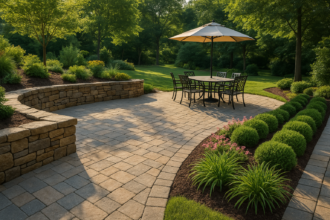
A well-planned fence can make a Chester County yard more private, useful, and visually connected to the home. Before settling on a material or layout, take time to choose the right fence style for you based on how the property is used every day, not simply on what looks appealing from the street.
Chester County properties range from compact borough lots to larger rural and suburban parcels, so no single approach will suit every site. A solid backyard fence may make sense near neighboring homes, while a more open design may be a better fit for a front boundary, a garden area, a driveway entrance, or a property with wide views.
Table of Contents
- 1 Start With the Fence Purpose
- 2 Assess Your Chester County Property Before Choosing a Design
- 3 Compare Fence Materials by Performance and Upkeep
- 4 Design for Privacy, Safety, and Security
- 5 Check Rules, Permits, and Property Lines
- 6 Plan Gates and Daily Access
- 7 Create a Realistic Project Budget
- 8 Avoid Common Planning Mistakes
- 9 Use a Final Planning Checklist
- 10 Conclusion
Start With the Fence Purpose
The best fence begins with a clear job to do. Defining that job helps determine the needed height, spacing, gate placement, material, and overall footprint. It also prevents spending money on features that do not improve daily use.
- Create privacy from nearby homes, roads, or shared outdoor areas.
- Keep children or pets within a defined space.
- Establish a visible boundary around a yard or landscape feature.
- Control pedestrian or vehicle access.
- Protect gardens, equipment, pools, or outdoor storage.
- Improve the relationship between the home, patio, and landscaping.
For example, a homeowner may prioritize a secluded patio and choose a more solid style, while a business or agricultural property may place greater value on controlled entry, visibility, and a gate wide enough for regular vehicle access.
Assess Your Chester County Property Before Choosing a Design
A fence should respond to the actual site rather than an idealized drawing. Rolling grades, mature trees, drainage paths, stone features, and narrow side yards can all change how a fence should be installed. Walk the property at different times of day to identify sightlines, traffic noise, sun glare, standing water, and areas where a gate could be inconvenient.
Site Details to Review
- Approximate property boundaries and lot shape.
- Slopes, retaining walls, and changes in elevation.
- Drainage patterns and low areas after rainfall.
- Trees, roots, gardens, sheds, decks, and driveways.
- Shared lanes, sidewalks, alleys, and access routes.
- Visible utility equipment and possible easements.
Compare Fence Materials by Performance and Upkeep
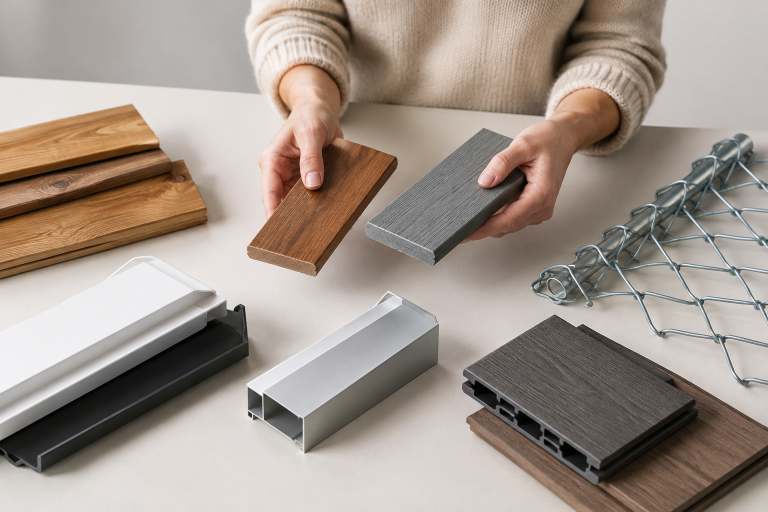
Material choice should balance visual style with practical ownership costs. Wood can offer a traditional appearance and design flexibility, while vinyl, aluminum, chain link, and composite options each bring distinct strengths in visibility, cleaning, durability, and maintenance. The right choice depends on the property’s conditions and the owner’s willingness to handle future upkeep.
- Maintenance: Consider cleaning, painting, staining, sealing, or rust prevention.
- Weather exposure: Consider moisture, sun, wind, snow, and seasonal temperature changes.
- Privacy: Decide whether the fence should block views or allow air and light through.
- Durability: Account for pets, lawn equipment, soil movement, and regular gate use.
- Appearance: Choose a design that complements the home and the surrounding landscape.
- Long-term cost: Compare future repairs and maintenance alongside the initial price.
Design for Privacy, Safety, and Security
Fence height, picket spacing, ground clearance, and gate hardware all affect how well the finished structure performs. A privacy fence should be planned with wind exposure in mind, while a pet enclosure needs careful attention to openings beneath and between fence sections. Safety features are easiest to incorporate before installation, rather than as a costly adjustment later.
Questions to Ask Before Finalizing the Design
- Should the fence fully block views or simply mark the boundary?
- Could a pet or child fit beneath the fence or through an opening?
- Will the design reduce visibility near a driveway or walkway?
- Does the gate need a lock, latch, keypad, or self-closing feature?
- Could nearby furniture, trees, or storage create a climbing opportunity?
Check Rules, Permits, and Property Lines
Fence requirements can differ by municipality, zoning district, subdivision, and homeowners association. Height, placement, materials, corner visibility, pool barriers, and permit needs may all be regulated locally. The International Residential Code explains how building provisions are administered, but the local authority determines which requirements apply to a specific property in Chester County.
- Review a survey, recorded plat, or other reliable boundary documentation.
- Confirm that the proposed route does not interfere with an easement.
- Ask the local office about permits, setbacks, and height restrictions.
- Review HOA or neighborhood design standards, if applicable.
- Check driveway and corner-lot visibility considerations.
Before any excavation begins, arrange for buried utility lines to be marked. Fence post holes may be small, but striking a buried utility can create a dangerous and expensive problem.
Plan Gates and Daily Access
Gates should be part of the original layout, not a last-minute addition. Think about the routes used for taking out trash, mowing, moving patio furniture, bringing in firewood, or accessing a shed. A gate must be wide enough for the items that will actually pass through it and able to open without hitting a vehicle, tree, wall, or uneven ground.
- Identify the most frequently used entry points.
- Measure equipment such as wheelbarrows, mowers, trailers, and carts.
- Choose an inward swing, outward swing, or sliding configuration that suits the space.
- Specify the latch, lock, and access features needed for regular use.
Create a Realistic Project Budget
Fence cost involves more than the linear footage of materials. Gates, removal of an old fence, uneven ground, dense vegetation, rock, post depth, site access, permits, and landscaping repairs can all affect the final total. Written estimates should clearly identify the material specifications, preparation work, gate details, cleanup expectations, warranty terms, and projected schedule.
Avoid Common Planning Mistakes
- Selecting a style before confirming local requirements.
- Assuming an existing hedge, wall, or old fence marks the legal boundary.
- Overlooking slopes, drainage, or difficult soil conditions.
- Failing to plan for gate width and convenient access.
- Comparing estimates without comparing material details.
- Skipping utility marking before digging.
- Choosing a high-maintenance option without planning for its care.
Use a Final Planning Checklist
- Primary fence purpose identified.
- Property lines and easements reviewed.
- Municipal and HOA requirements checked.
- Utilities marked before digging.
- Materials are compared for upkeep and performance.
- Fence height, spacing, and gate locations selected.
- Drainage, slope, and landscaping are considered.
- Written estimates reviewed carefully.
Conclusion
A successful fence project in Chester County, Pennsylvania, starts with careful planning rather than a quick material choice. When the design fits the property, local requirements, budget, and daily routine, the finished fence is more likely to deliver lasting privacy, safety, access, and curb appeal.