

How Sonoran Desert Institute Supports Focused Study in Uncrewed Technology
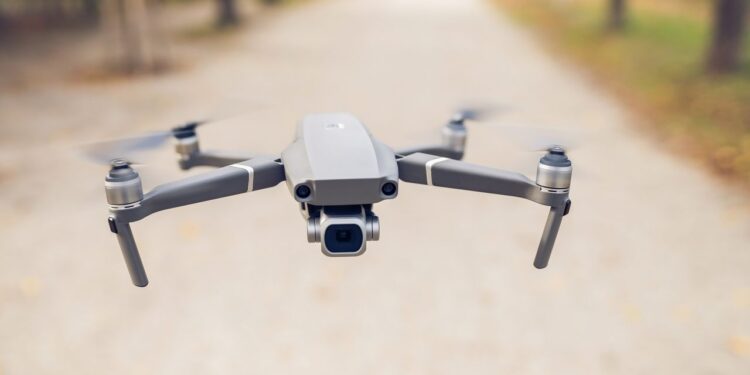
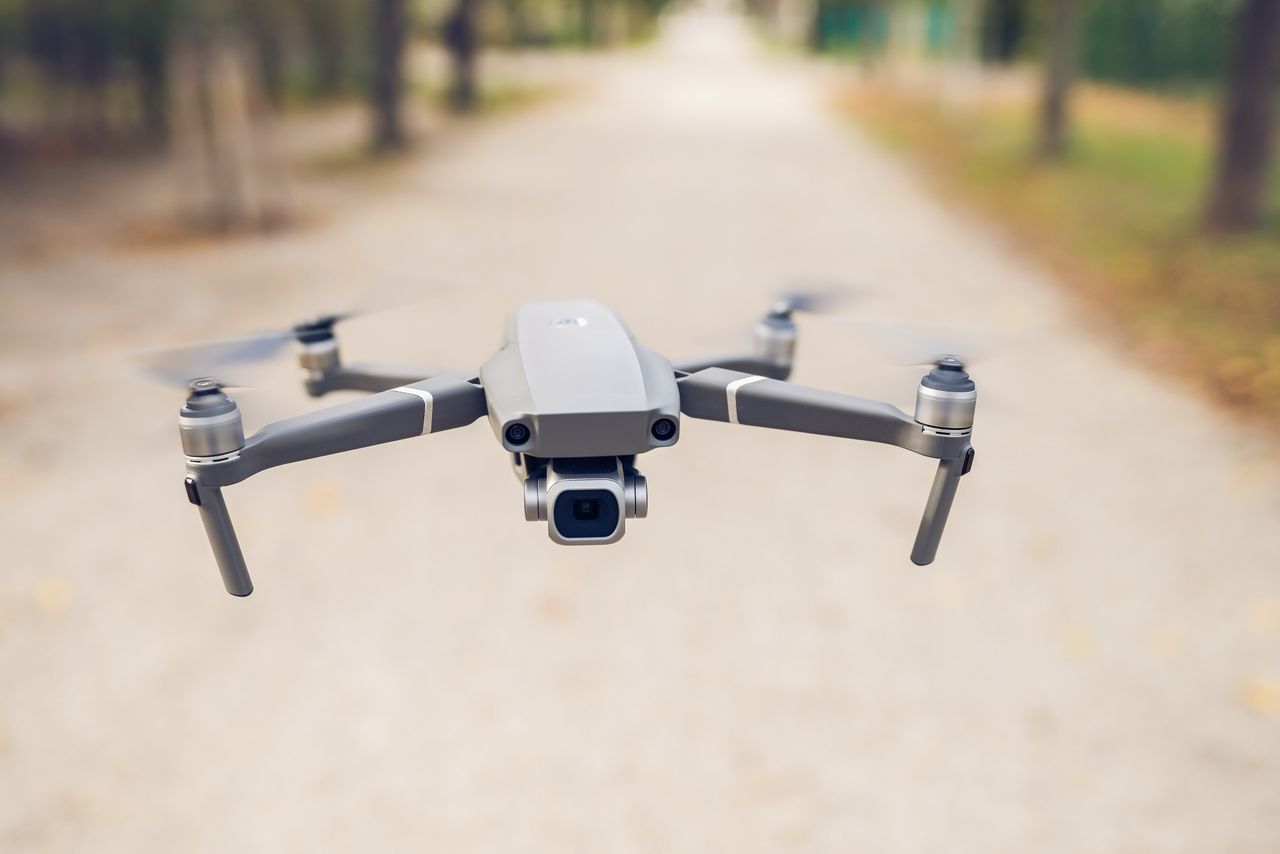
Exploring uncrewed technology can begin with a broad curiosity about drones, data, aviation, or field applications. Some learners may be interested in how drone-related subjects connect to outdoor work, documentation, or technical operations, while others may want to understand the catalog before choosing a longer path. People researching Sonoran Desert Institute Worth It often want to know whether focused coursework can provide a practical introduction to a new area of study. Sonoran Desert Institute (SDI), which is accredited by the Distance Education Accrediting Commission (DEAC), recognizes that choosing one course at a time can provide learners with a structured way to explore uncrewed technology through focused topics and practical assignments.
The uncrewed technology catalog includes several areas, such as drone fundamentals, small uncrewed aircraft systems, remote pilot preparation, design and build, aviation management, geographic information systems, and thermography. This range gives learners more than one way to begin. Instead of treating drone-related education as one narrow subject, the catalog allows students to choose coursework that reflects the area they want to understand next.
A Structured Entry into Drone-Related Study
Uncrewed technology can feel unfamiliar to learners who are new to the field. The subject includes equipment, planning, visual information, aviation concepts, and data-focused work, which can make choosing the first step difficult. Focused technical coursework helps learners by providing a defined entry point rather than requiring them to understand the full catalog before beginning.
A structured learning experience gives students a clear subject, assignment expectations, and a timeline for completion. This matters because curiosity alone does not always lead to action. When learners can choose one area and follow a guided format, they have a practical way to move from interest into participation without feeling overwhelmed by every possible direction at once.
Breadth Gives Learners Room to Explore
The uncrewed technology catalog offers breadth across several related subjects. Drone fundamentals can serve as a starting point for learners, while remote pilot preparation introduces aviation-related awareness. Geographic information systems, thermography, design and build, and aviation management each offer distinct approaches to drone-related learning.
This variety is useful because learners may come to uncrewed technology with different goals. One student may be interested in how drones relate to outdoor documentation, while another may want to understand data, design, or operational planning. A broad catalog lets students choose based on interest rather than forcing every learner into the same starting point.
Drone Fundamentals as a First Step
Drone fundamentals can appeal to learners who want an introductory starting point before choosing a more specialized direction. This area gives students a way to become familiar with the subject without needing to begin with a highly specific application. This can be helpful for students who know they are interested in drones but are still deciding which part of the field best suits them.
Beginning with fundamentals can also help learners organize future choices. After completing focused coursework in one area, a student may have a clearer sense of whether they want to explore remote pilot preparation, GIS, thermography, or another subject. The first learning experience becomes a reference point for deciding what to study next.
Remote Pilot Preparation Adds Aviation Context
Small Uncrewed Aircraft Systems Remote Pilot Preparation gives learners an option that connects to aviation awareness and structured study. For students interested in how drone-related subjects connect to broader operational settings, this area can provide a more focused direction. It gives the learner a subject that is clearly different from design, data, or imaging topics.
This kind of choice matters because uncrewed technology is not only about the aircraft itself. Students may also be interested in the rules, planning, and procedures connected to drone operations. Remote pilot preparation gives learners a way to explore that side of the catalog while still keeping the learning experience focused. It also helps connect technical interests with the practical knowledge needed to better understand how drone operations are planned and managed.
Coursework Choice Helps Personalize Exploration
Focused technical coursework allows learners to choose the subject that best aligns with their current goal. A student who wants broad exposure may begin with drone fundamentals, while someone drawn to documentation may look toward GIS or thermography. Another learner may prefer design and build because it connects more directly to practical project work.
This ability to choose helps make exploration more personal. Learners are not simply entering an uncrewed technology category without direction. They are selecting coursework that reflects what they want to understand next, which can make the learning experience feel more relevant and easier to engage with.
Practical Exposure Makes the Subject Clearer
Practical exposure helps learners determine whether a subject aligns with their interests. Reading about drone-related studies can provide useful context, but completing assignments gives students more direct experience. Through coursework, learners can see how the subject is organized, what kinds of tasks are involved, and how the material connects to their goals.
This kind of exposure can guide future decisions. A learner may complete one uncrewed technology subject and decide to continue in a related area. Another may discover that a different category better matches their interests. Either way, the experience gives students information they could not gain from descriptions alone.
A Manageable Way to Explore Uncrewed Technology
Uncrewed technology spans several possible directions, and learners may not know at first which one aligns with their goals. Choosing one course at a time gives them a manageable way to begin with one subject, complete assignments, and review the experience before choosing another path. That approach can make exploration feel more practical and less intimidating.
For those searching for the phrase Sonoran Desert Institute Worth It, the uncrewed technology catalog shows how focused coursework can provide exposure to a specific drone-related subject. By including options such as drone fundamentals, remote pilot preparation, design and build, aviation management, GIS, and thermography, it also gives learners multiple ways to explore the field. The value of this approach is that students can start with a clear interest, gain practical experience, and decide their next step based on that experience.