
Reliable Heating and Cooling: The Value of Emergency HVAC Services
Table of Contents
- 1 The Critical Role of Emergency HVAC Services in Louisiana
- 2 Maximizing Financial Relief Through Louisiana Utility Rebates
- 3 Leveraging Federal IRA and State HEAR Programs in 2026
- 4 Technical Requirements for High-Efficiency HVAC Upgrades
- 5 The Application Process: Contractors, Documentation, and Permits
- 6 Frequently Asked Questions about Louisiana HVAC Rebates
- 7 Conclusion
The Critical Role of Emergency HVAC Services in Louisiana
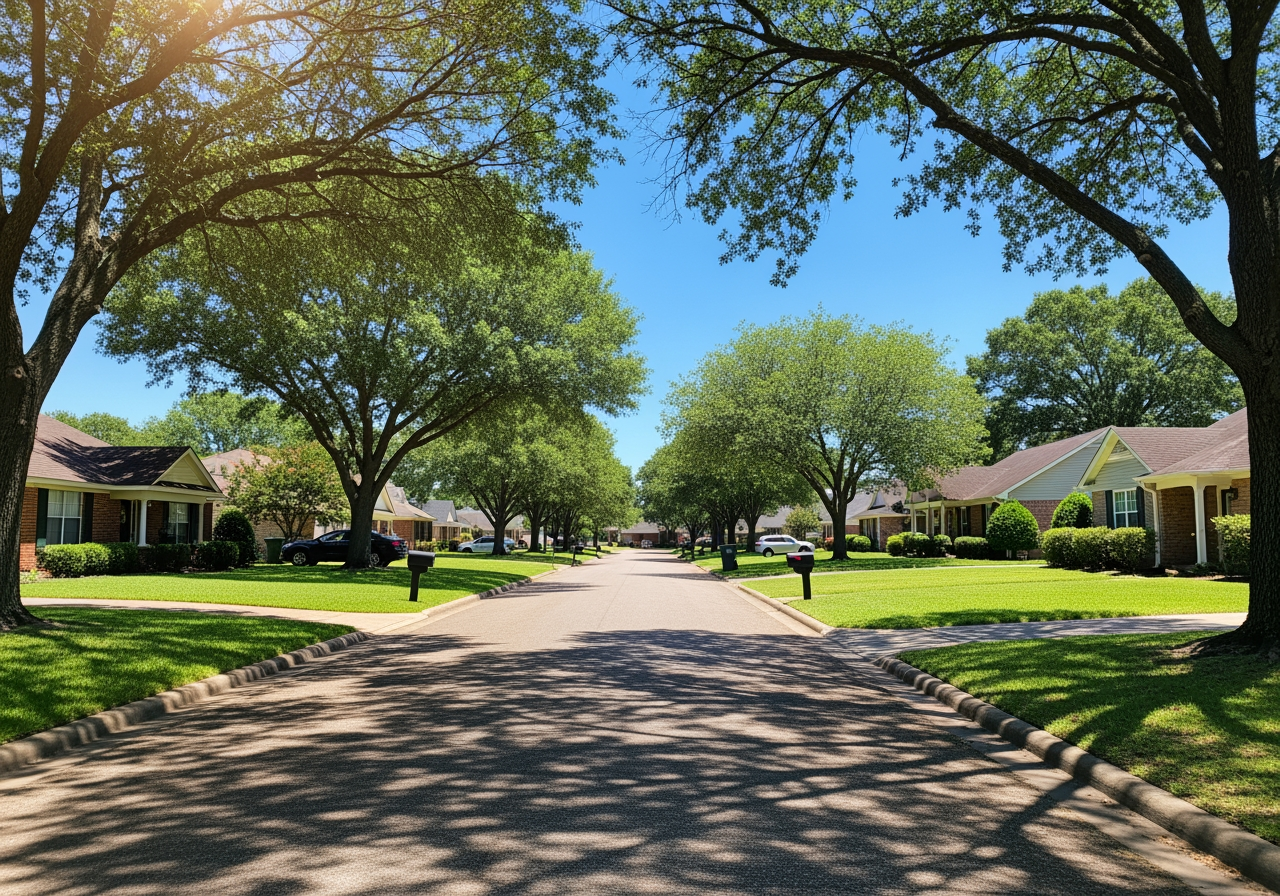 Unexpected HVAC breakdowns can be a homeowner’s worst nightmare, especially in Louisiana’s sweltering heat and humidity. The sudden need for a new system can bring significant stress, not just about comfort, but also about the financial burden. Fortunately, there are ways to ease this stress. Understanding available Emergency HVAC Louisiana rebates can turn a challenging situation into an opportunity for a smarter, more efficient home upgrade.
As of May 2026, navigating the landscape of available savings for HVAC upgrades in Louisiana might seem complex, but it’s well worth the effort. From utility-specific programs to federal incentives, there are numerous ways to make your home more energy-efficient and comfortable without breaking the bank. This comprehensive guide will walk you through the key rebate programs, eligibility requirements, and application processes, ensuring you’re equipped to make informed decisions for your home’s heating and cooling needs.
In Louisiana’s unique climate, where the heat and humidity are relentless for much of the year, a functioning HVAC system isn’t just about comfort—it’s a necessity for health and safety. When an HVAC system fails unexpectedly, especially during peak summer months, the need for rapid response becomes paramount. Our homes quickly become unbearable, posing risks of heat exhaustion and creating an environment ripe for mold growth due to high indoor humidity.

Emergency HVAC services are designed to address these critical situations with speed and expertise. Beyond just fixing the immediate problem, a professional emergency service provider understands the nuances of Louisiana’s hot-humid climate (ASHRAE Climate Zone 2A). This means not only restoring cooling but also ensuring proper humidity control, which is essential for maintaining healthy indoor air quality and preventing structural damage.
Expert technicians are equipped to perform thorough diagnostics, not just to identify the failure point but to assess the overall system health. This can be a crucial moment to consider an upgrade, especially if your existing system is old or inefficient. Proper system sizing and load calculations are vital in our region to ensure a new unit can effectively cool and dehumidify your home without overworking or short-cycling. The right system, installed correctly, can significantly reduce your energy bills and enhance your home’s resilience against our challenging weather. When faced with an emergency, exploring resources on how to maximize available incentives, such as those for Emergency HVAC Louisiana rebates, can help offset the cost of an unexpected, but often necessary, high-efficiency upgrade.
For homeowners in Baton Rouge, an emergency HVAC crisis comes with its own set of challenges. The city’s specific weather patterns, characterized by high dew points and prolonged periods of intense humidity, mean that a failing air conditioner can quickly lead to uncomfortable and potentially unhealthy conditions. Mold prevention becomes a serious concern when indoor humidity levels rise unchecked.
In such situations, having access to NATE-certified expertise and localized service is invaluable. Technicians familiar with Baton Rouge’s building stock and microclimates can provide faster, more accurate emergency diagnostics. They understand the urgency and the need for a fast turnaround to restore comfort and safety. When your system unexpectedly gives out, it’s not just about getting any repair; it’s about getting the right solution promptly, often leading to a discussion about upgrading to a more robust, energy-efficient system that can better handle our climate.
Maximizing Financial Relief Through Louisiana Utility Rebates
Louisiana homeowners have several avenues for financial relief when upgrading to energy-efficient HVAC systems, primarily through programs offered by local utility providers. These rebates are designed to encourage the adoption of high-efficiency equipment, which not only reduces energy consumption but also lowers monthly utility bills. As of May 2026, the landscape of utility rebates is dynamic, with offerings varying significantly by provider and often operating on a first-come, first-served basis due to limited funding.
Here’s a general overview of what residential customers might expect from major utility programs:
Utility Provider Equipment Types Often Covered Typical Rebate Range Key Features Cleco (Power Wise) High-efficiency Heat Pumps, AC Up to $3,500 Tiered incentives, often per ton; requires approved contractors. SWEPCO (HVAC Incentive Program) High-efficiency Heat Pumps, AC Up to $3,500 Requires approved contractors; may include additional rebates for heat pump water heaters. Entergy Louisiana (Entergy Solutions) High-efficiency Heat Pumps, AC Up to $500 Focus on qualifying ENERGY STAR units; typically lower amounts than Cleco/SWEPCO. Entergy New Orleans (Energy Smart) High-efficiency Heat Pumps, AC Up to $500 Tiered rebates based on efficiency (SEER2); also for mini-splits, smart thermostats. Atmos Energy Natural Gas Furnaces, Water Heaters $400 – $500 Specific to natural gas equipment (e.g., 90-95%+ AFUE furnaces). These programs often have specific eligibility criteria, including minimum efficiency ratings (like SEER2, HSPF2, AFUE), and may require installation by an approved contractor within their network. Funding for these programs is typically limited and can run out, so acting promptly once you’ve identified a qualifying upgrade is advisable.
Comparing Entergy, Cleco, and SWEPCO Incentives
When considering HVAC upgrades in Louisiana, understanding the specific offerings from the major electric utilities—Entergy Louisiana, Cleco, and SWEPCO—is crucial. Each utility serves different regions and structures its rebate programs uniquely.
- Cleco Power Wise: For customers in Central Louisiana, Cleco’s Power Wise program stands out with its potential for significant savings. Cleco offers tiered rebates, often ranging from $350-$600 per ton, for qualifying high-efficiency heat pumps and air conditioning units. This can translate to up to $3,500 for a qualifying system, particularly for units with 14.3+ SEER2 and up to 5.4 tons. The program emphasizes working with Cleco-approved contractors, ensuring installations meet specific standards.
- SWEPCO HVAC Incentive Program: Serving Northwest Louisiana, SWEPCO’s program is similarly robust, offering up to $3,500 for high-efficiency heat pumps and air conditioning units. Like Cleco, SWEPCO often integrates these incentives directly into quotes from approved contractors, making the process smoother for homeowners. They also provide additional incentives, such as an extra $1,150 rebate for ENERGY STAR heat pump water heaters, further enhancing overall efficiency upgrades.
- Entergy Louisiana (Entergy Solutions): Across most of the state, Entergy Louisiana’s programs tend to offer more modest rebates compared to Cleco and SWEPCO. Customers can typically expect up to $500 back for qualifying ENERGY STAR central air conditioning units and heat pumps. While lower, these rebates still contribute to the overall cost reduction of an upgrade.
- Entergy New Orleans (Energy Smart): For residents within Orleans Parish, the Energy Smart program, managed by Entergy New Orleans, provides a more comprehensive suite of incentives. Rebates for central AC and heat pumps can range from $200 (for SEER2 ≥ 15.2) to $250 (for SEER2 ≥ 17). They also offer $500 for mini-split systems replacing electric strip heat and $300 for heat pump clothes dryers, alongside incentives for smart thermostats. This program often allows for instant discounts through participating trade ally contractors.
All these programs typically require specific minimum efficiency ratings (e.g., SEER2, HSPF2) and often mandate installation by an approved contractor. While some rebates are instant, others may require a mail-in application. It is always advisable to confirm the latest requirements and available funds directly with your utility provider or a participating contractor.
Leveraging Federal IRA and State HEAR Programs in 2026
Beyond utility-specific incentives, Louisiana homeowners in May 2026 are keenly awaiting the full rollout of federal programs stemming from the Inflation Reduction Act (IRA) of 2022. While the federal Energy Efficient Home Improvement Credit (§25C) and Residential Clean Energy Credit (§25D) for heat pumps expired on December 31, 2025, due to legislative changes, the state-administered rebate programs funded by the IRA are still on the horizon.
Louisiana has been allocated over $200 million in IRA funding for two key programs: the Home Electrification and Appliance Rebate (HEAR) program and the Home Efficiency Rebates (HOMES) program. These programs are designed to provide substantial financial incentives for energy-efficient home improvements, particularly targeting heat pump installations.
- Home Electrification and Appliance Rebate (HEAR): This program is poised to offer significant point-of-sale rebates, with up to $8,000 available for heat pump HVAC systems. The HEAR program is income-qualified, primarily benefiting households at or below 80% of the Area Median Income (AMI). However, it also includes rebates for other electrification measures like heat pump water heaters ($1,750), electrical panel upgrades ($4,000), insulation and air sealing ($1,600), and electric wiring ($2,500), with a generous household cap of $14,000.
- Home Efficiency Rebates (HOMES): The HOMES program focuses on whole-home energy savings, offering performance-based rebates. Homeowners can receive between $2,000 and $4,000 for achieving 20% or more energy savings, or $4,000 to $8,000 for 35% or more energy savings. These rebates are also income-tiered, with higher incentives for households below 80% AMI.
As of May 2026, the Louisiana Department of Conservation and Energy (DCE), formerly the Department of Energy and Natural Resources, in partnership with the Office of Community Development, is administering these programs. While the official launch has experienced delays, homeowners are advised to monitor dce.louisiana.gov for updates.
A significant advantage of these upcoming federal programs is their potential to stack with existing Louisiana utility rebates. This means a qualifying household could potentially combine, for example, an $8,000 HEAR rebate with a $3,500 SWEPCO or Cleco rebate for a heat pump installation, leading to substantial savings. However, it’s crucial to remember that the total combined incentives from all sources cannot exceed 100% of the project costs. This layering of incentives represents an unprecedented opportunity for Louisiana residents to invest in high-efficiency HVAC upgrades, making advanced systems more accessible and affordable than ever before.
Technical Requirements for High-Efficiency HVAC Upgrades
To qualify for the various rebates and incentives available in Louisiana, HVAC equipment must meet specific efficiency standards. These standards are measured by different metrics depending on the equipment type, reflecting performance under various operating conditions. Understanding these technical requirements is key to selecting eligible systems.
- SEER2 (Seasonal Energy Efficiency Ratio 2): This metric measures the cooling efficiency of air conditioners and heat pumps. For systems installed in the Southeast region, including Louisiana, the federal minimum efficiency standard is 14.3 SEER2. However, many rebate programs require significantly higher SEER2 ratings, often 15 SEER2 or above, to qualify for incentives. Higher SEER2 ratings indicate greater energy efficiency during the cooling season, which is paramount in Louisiana’s hot climate.
- HSPF2 (Heating Seasonal Performance Factor 2): This metric measures the heating efficiency of heat pumps. While Louisiana winters are milder than many other regions, an efficient heating component is still important. Rebate programs typically look for HSPF2 ratings of 7.5 or higher.
- AFUE (Annual Fuel Utilization Efficiency): For natural gas furnaces, AFUE measures how efficiently the furnace converts fuel into usable heat over a typical year. Most rebate programs for natural gas furnaces, such as those from Atmos Energy, require AFUE ratings of 90% or higher, with higher rebates often available for units at 95% AFUE or above.
Beyond these core metrics, several advanced technologies contribute to higher efficiency and better performance, making systems eligible for top-tier rebates:
- Variable-Speed Technology and Inverter-Driven Compressors: These technologies allow HVAC systems to precisely adjust their output to match the home’s heating or cooling needs. Instead of cycling on and off at full power, they can run at lower speeds for longer durations. This not only saves energy but also significantly improves comfort by providing more consistent temperatures and, crucially for Louisiana, enhanced dehumidification. In a state where outdoor humidity regularly exceeds 80%, superior dehumidification is a major benefit for comfort and indoor air quality.
- ENERGY STAR Certification: Many utility and federal rebate programs require equipment to be ENERGY STAR certified. This label indicates that the product meets strict energy efficiency guidelines set by the U.S. Environmental Protection Agency.
- AHRI Certificates: The Air-Conditioning, Heating, and Refrigeration Institute (AHRI) provides certification for HVAC equipment, verifying that a system’s efficiency ratings (like SEER2 and HSPF2) are accurate. Most rebate applications will require a copy of the AHRI certificate for the installed system.
Choosing equipment that meets or exceeds these technical requirements ensures eligibility for the most generous incentives and guarantees a more energy-efficient, comfortable, and cost-effective home environment.
Financial Recovery After Emergency HVAC System Failure
An emergency HVAC system failure can be a significant financial blow. The unexpected need for a full replacement often comes without warning, leaving homeowners scrambling to manage the costs. However, by strategically choosing a high-efficiency upgrade, this unplanned expense can become an investment with a strong return.
The return on investment (ROI) for high-efficiency systems, particularly heat pumps, is substantial in Louisiana. Converting from traditional electric resistance heating to a heat pump, for instance, can lead to 50-60% energy savings on heating costs alone. Given that approximately 62% of Louisiana homes already heat with electricity, often using less efficient resistance systems, this transition offers a clear path to significant energy bill reduction.
Beyond immediate savings, high-efficiency systems offer long-term value through reduced operational costs, enhanced home comfort, and improved indoor air quality. While the upfront cost of an emergency replacement can be daunting, understanding the available rebates and financing options can help manage the budget. Many HVAC providers offer flexible financing solutions, and coupling these with utility and federal rebates can dramatically lower the out-of-pocket expense.
Furthermore, investing in a robust maintenance program for your new high-efficiency system is crucial for protecting your investment. Regular maintenance ensures the system operates at peak efficiency, extends its lifespan, and helps prevent future emergency breakdowns, contributing to long-term financial stability and comfort.
The Application Process: Contractors, Documentation, and Permits
Navigating the application process for HVAC rebates and incentives in Louisiana requires careful attention to detail and adherence to specific guidelines. Most programs, whether utility-specific or state-administered, share common requirements that homeowners and contractors must follow.
- Approved Contractor Networks: A critical first step for many utility programs, such as Cleco Power Wise and SWEPCO’s HVAC Incentive Program, is to select an approved or participating contractor. These contractors are vetted by the utility and are familiar with the program’s requirements, often able to process instant discounts directly. Even for programs without a mandatory network, using a reputable, licensed HVAC professional is always recommended. In Louisiana, HVAC work must be performed by contractors licensed by the Louisiana State Licensing Board for Contractors (LSLBC). Installation by an unlicensed contractor will typically disqualify a project from most rebates and could affect insurance or warranty claims.
- Mechanical Permits and Code Compliance: Most jurisdictions in Louisiana require a mechanical permit for HVAC replacement or new installation. Obtaining this permit and ensuring that the installation passes all local inspections is not just a legal requirement but often a prerequisite for rebate eligibility. Proof of permit and successful inspection may be requested as part of the application.
- Documentation: Thorough documentation is essential. You will typically need:
- Professional Invoice: A detailed invoice from your licensed contractor, showing the equipment installed, installation date, and total cost.
- AHRI Certificate: The Air-Conditioning, Heating, and Refrigeration Institute (AHRI) certificate for your specific HVAC system, verifying its efficiency ratings (SEER2, HSPF2, etc.).
- Proof of Installation: This could include photos of the installed unit, the contractor’s license number, and the mechanical permit number.
- Proof of Purchase: Dated receipts for the equipment.
- Utility Account Information: Your utility account number to verify eligibility.
- Income Verification: For income-qualified programs like the upcoming HEAR and HOMES rebates, documentation proving your household’s Area Median Income (AMI) will be required.
- Application Submission: Once all documentation is gathered, applications must be submitted within specified funding deadlines. These deadlines can vary by program and may be annual or semi-annual. Some programs allow for online submission, while others require mail-in forms. Prompt submission is often advised, as funds for many programs are limited and distributed on a first-come, first-served basis.
- Post-Installation Inspections: Some utility programs, particularly those offering higher rebates, may conduct post-installation inspections or request customer feedback to verify that the installation meets program standards.
By carefully following these steps and working closely with a knowledgeable, licensed HVAC professional, homeowners can maximize their chances of successfully claiming available rebates and incentives for their energy-efficient upgrades.
Frequently Asked Questions about Louisiana HVAC Rebates
We understand that navigating HVAC rebates can raise many questions. Here are answers to some of the most common inquiries we receive from Louisiana homeowners:
Which Louisiana utility offers the highest HVAC rebate?
As of May 2026, Cleco and SWEPCO currently offer the highest utility-specific rebates in the state for residential customers. Both providers have programs that can offer up to $3,500 for qualifying high-efficiency heat pump and air conditioning unit installations. These programs often feature tiered incentives based on the efficiency rating (SEER2, HSPF2) and tonnage of the system, and typically require installation by an approved contractor. While Entergy Louisiana and Entergy New Orleans (Energy Smart) also offer valuable rebates, their maximum amounts are generally lower than those from Cleco and SWEPCO.
Can I stack federal HEAR rebates with my local utility incentives?
Yes, absolutely! As of May 2026, the design of the upcoming federal Home Electrification and Appliance Rebate (HEAR) program allows for stacking with existing utility programs. This means that if you are an income-qualified household (e.g., at or below 80% Area Median Income), you could potentially combine an $8,000 HEAR rebate for a heat pump with a $3,500 rebate from your utility provider like SWEPCO or Cleco. While HEAR and HOMES rebates cannot be combined for the same specific measure, both can be stacked with utility incentives. The key condition is that the total combined incentives from all sources (federal, state, and utility) cannot exceed 100% of the project’s cost. This stacking potential represents a significant opportunity for Louisiana residents to make substantial energy-efficient upgrades with minimal out-of-pocket expenses.
What documentation is required to claim an HVAC rebate in Louisiana?
To successfully claim an HVAC rebate in Louisiana, whether from a utility or an upcoming state-administered federal program, you will typically need to provide several key documents. These commonly include:
- A professional invoice or receipt from a licensed HVAC contractor detailing the equipment purchased, the date of installation, and the total cost.
- The AHRI (Air-Conditioning, Heating, and Refrigeration Institute) Certificate for your specific HVAC system. This document verifies the system’s efficiency ratings (such as SEER2, HSPF2, and EER2) and is crucial for proving eligibility.
- Proof of a local mechanical permit for the HVAC installation and evidence of a successful inspection by your local authority. Many programs require adherence to local building codes.
- The contractor’s Louisiana State Licensing Board for Contractors (LSLBC) license number. Most programs mandate that installations be performed by a state-licensed professional.
- Your utility account number to confirm you are a customer in good standing.
- For income-qualified programs like HEAR, income verification documents will be necessary to establish your household’s eligibility based on Area Median Income (AMI).
Always review the specific program guidelines and application forms from your utility provider or the Louisiana Department of Conservation and Energy (DCE) for the most up-to-date and complete list of required documentation, as requirements can vary slightly between programs.
Conclusion
In Louisiana’s challenging climate, a reliable and efficient HVAC system is more than a luxury—it’s a cornerstone of home comfort and safety. While an emergency breakdown can be a stressful event, it also presents a unique opportunity to invest in a high-efficiency upgrade that will pay dividends for years to come. By understanding and leveraging the diverse landscape of Louisiana energy rebates for HVAC upgrades, homeowners can significantly offset the cost of these essential improvements.
From the immediate relief offered by utility programs from providers like Cleco, SWEPCO, and Entergy, to the anticipated, substantial support from the federal HEAR and HOMES programs in May 2026, there are numerous pathways to making your home more energy-efficient. Proactive upgrades, coupled with careful financial planning and adherence to application processes, can transform an unexpected expense into a strategic investment.
Embracing energy-efficient HVAC technology not only contributes to your financial recovery and long-term comfort but also enhances your home’s climate resilience and reduces its environmental footprint. With expert guidance and a clear understanding of the available incentives, Louisiana homeowners can navigate the complexities of HVAC upgrades with confidence, ensuring a comfortable, efficient, and sustainable home for the future.