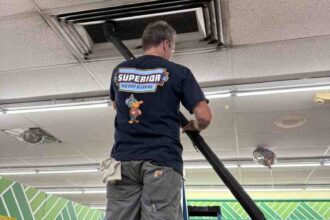

Comprehensive Mechanical Contracting for Residential and Commercial Clients
Table of Contents
The Core Pillars of Modern Mechanical Contracting
For homeowners and businesses in Langley, BC, ensuring comfort and energy efficiency all year is a top priority. Many of us face high utility costs and outdated heating and cooling systems. Finding a reliable, affordable solution is key. Understanding local options, like expert Langley mechanical contracting, helps. That’s why we are looking into affordable heat pump installation in Langley, BC. These modern systems manage indoor climate, reduce environmental impact, and save money. In this guide, we will explain the benefits, types, installation process, and how to find the right heat pump provider for your needs.
Mechanical contracting forms the backbone of comfortable and functional buildings, whether residential or commercial. It encompasses the design, installation, and maintenance of intricate systems that control heating, ventilation, and air conditioning (HVAC), as well as plumbing and fire protection. Mechanical contractors are responsible for creating the optimal indoor environment, ensuring that air is clean, temperatures are regulated, and essential utilities flow seamlessly. Their work is critical for both the immediate comfort of occupants and the long-term efficiency and sustainability of the structure.
Modern mechanical contracting goes beyond simply installing equipment; it involves a sophisticated understanding of building science, energy dynamics, and evolving technologies. With a focus on energy efficiency and environmental responsibility, today’s mechanical systems are designed to minimize waste, reduce operational costs, and contribute to a healthier planet. This holistic approach ensures that every component works in harmony, delivering reliable performance and superior indoor air quality.
Heating and Ventilation Systems
At the heart of any comfortable building are its heating and ventilation systems. These components are meticulously designed to provide warmth during colder months and ensure a constant supply of fresh, breathable air. Forced-air systems, a common choice in many homes and commercial spaces, distribute heated air through a network of ducts, offering quick and even temperature regulation. Boilers, on the other hand, use hot water or steam to deliver radiant heat through radiators or in-floor heating, providing a different kind of warmth.
Beyond just heating, effective ventilation is crucial for maintaining healthy indoor air quality. It involves the careful design of airflow dynamics to remove stale air, pollutants, and excess humidity, replacing them with filtered outdoor air. Proper ventilation prevents the buildup of allergens, volatile organic compounds (VOCs), and other airborne contaminants, contributing significantly to the well-being of occupants. Mechanical contractors specialize in configuring these systems to meet specific building requirements and local codes, ensuring optimal heat distribution and air exchange.
Air Conditioning and Indoor Air Quality
As summers in the Lower Mainland become increasingly warm, efficient air conditioning systems are no longer a luxury but a necessity. Modern air conditioning goes beyond just cooling; it plays a vital role in overall indoor air quality. These systems work by removing heat from indoor air through cooling cycles and expelling it outside, simultaneously dehumidifying the air for enhanced comfort.
However, the benefits extend further. Integrated filtration systems within air conditioners capture dust, pollen, pet dander, and other airborne particles, significantly improving the air we breathe. Advanced ventilation standards are often incorporated to ensure a continuous exchange of indoor and outdoor air, preventing the recirculation of pollutants. By managing temperature, humidity, and air purity, mechanical systems contribute to a healthier environment, reducing the prevalence of respiratory issues and creating a more pleasant living or working space.
Residential Comfort Solutions in the Lower Mainland
For homeowners across the Lower Mainland, achieving consistent comfort throughout the year is a primary goal. Residential mechanical contracting focuses on tailoring heating, cooling, and ventilation systems to the unique needs of individual homes, considering factors like size, insulation, and occupant preferences. The aim is to create an indoor environment that remains pleasant regardless of external weather conditions, while also prioritizing energy efficiency and long-term cost savings.
Residential Mechanical Contracting for Year-Round Comfort
Ensuring your home remains a sanctuary of comfort through every season requires a well-designed and expertly installed mechanical system. From the crisp days of autumn to the humid heat of summer, modern residential mechanical contracting focuses on seasonal readiness. This involves not just heating and cooling, but also the seamless integration of various components like thermostats, humidifiers, and ventilation units. The goal is to provide precise climate control that adapts to your lifestyle, ensuring optimal temperatures and air quality without constant manual adjustments.
When considering enhancements to your home’s comfort and efficiency, especially for solutions such as a new heat pump system, it’s wise to consult with professionals who understand the local climate and housing stock. For those in the Langley area, finding reliable expertise in residential mechanical contracting is paramount. Our commitment to providing comprehensive solutions, from initial assessment to ongoing support, ensures your home systems operate at peak performance. For a deeper dive into how these services can transform your living space, explore our guide on Langley mechanical contracting.
Energy-Efficient Heat Pump Integration
Heat pumps have emerged as a leading solution for energy-efficient home comfort in the Lower Mainland, offering both heating and cooling from a single system. Unlike traditional furnaces that generate heat, heat pumps transfer it, making them significantly more efficient, especially in our region’s temperate climate. This translates directly into reduced energy consumption and lower utility bills for homeowners.
Many homes are now integrating these advanced systems, often as dual-fuel setups where a heat pump handles most of the heating and cooling, with a conventional furnace providing backup during extreme cold snaps. Ductless mini-splits are another popular option, particularly for homes without existing ductwork or for zoned heating and cooling in specific areas. These systems allow for individualized temperature control in different rooms, further enhancing comfort and energy savings. The typical lifespan of a well-maintained heat pump is between 10 and 15 years, with some models lasting up to 20 years or more, offering a reliable long-term investment.
Feature Ducted Heat Pump System Ductless Mini-Split Heat Pump System Distribution Uses existing or newly installed ductwork Individual indoor units (heads) in each zone/room Coverage Whole-home heating and cooling Zoned heating and cooling for specific areas or rooms Installation Can leverage existing ductwork; may require upgrades No ductwork needed; simpler installation for individual zones Flexibility Centralized control Room-by-room temperature control Aesthetics Vents are integrated into walls/ceilings Wall-mounted indoor units are visible Ideal For Homes with existing ductwork, new constructions Homes without ductwork, additions, specific problem areas Energy Savings Significant, especially when replacing older systems Highly efficient due to zoning capabilities
Commercial Mechanical Contracting and System Design
Commercial buildings, from offices and retail spaces to industrial facilities, have unique and complex mechanical needs. Commercial mechanical contracting is dedicated to designing, installing, and maintaining systems that ensure optimal indoor environments, operational efficiency, and compliance with stringent building codes. The scale and complexity often demand specialized expertise in system capacity, zoning, and seamless integration with other building management systems. The goal is to provide reliable, energy-efficient comfort for employees and customers while minimizing operational costs.
Light Commercial HVAC Systems
Light commercial HVAC systems are designed for smaller commercial properties, such as offices, retail stores, and restaurants. These often include rooftop units (RTUs), which are self-contained heating and cooling systems installed on the building’s roof, saving valuable indoor space. Multi-zone systems are also common, allowing different areas of a building to be heated or cooled independently, catering to varying occupancy levels and preferences.
Ventilation requirements in commercial settings are particularly critical, impacting both occupant health and product integrity. Mechanical contractors ensure that these systems meet or exceed local building codes and industry standards for air changes, filtration, and exhaust. Proper system design for light commercial applications focuses on balancing upfront costs with long-term energy efficiency and ease of maintenance, providing robust and reliable climate control.
Preventative Maintenance and System Longevity
For both residential and commercial mechanical systems, preventative maintenance is not merely a recommendation; it’s an essential investment in system longevity and performance. Regular, routine maintenance helps identify and address minor issues before they escalate into costly breakdowns, ensuring system reliability when it’s needed most. This proactive approach significantly extends the lifespan of equipment, often helping a heat pump, for example, reach or even exceed its average 10-15 year lifespan.
Beyond preventing failures, maintenance ensures energy optimization. Clean filters, properly calibrated components, and sealed ducts mean the system doesn’t have to work harder than necessary, translating into consistent energy savings. Safety checks are also a critical part of maintenance, particularly for systems involving natural gas or refrigerants. In the event of an unexpected issue, having a relationship with a reliable mechanical contractor ensures prompt emergency repairs, minimizing downtime and discomfort.
Frequently Asked Questions About Mechanical Contracting
As homeowners and business owners increasingly focus on efficiency and comfort, questions about mechanical systems are common. Here, we address some of the most frequently asked queries.
What is the role of mechanical contracting in building efficiency?
Mechanical contracting plays a pivotal role in building efficiency by designing and implementing systems that optimize energy performance. This involves selecting appropriately sized equipment, integrating smart controls, and ensuring proper installation techniques to minimize energy waste. By focusing on efficient system design and installation, mechanical contractors help reduce a building’s carbon footprint and lower operational costs over its lifetime. They ensure that heating, cooling, and ventilation systems consume only the energy necessary to maintain desired indoor conditions.
How do mechanical systems improve indoor air quality?
Modern mechanical systems are instrumental in improving indoor air quality through several mechanisms. They incorporate advanced air filtration systems that capture dust, allergens, pollutants, and even microscopic particles, preventing them from circulating indoors. Effective ventilation ensures a constant exchange of stale indoor air with fresh, filtered outdoor air, diluting contaminants. Additionally, these systems manage humidity levels, preventing the growth of mold and mildew, which are common indoor air quality concerns. The result is a healthier, more comfortable environment for occupants.
Why is seasonal maintenance crucial for mechanical systems?
Seasonal maintenance is crucial for several reasons, primarily for ensuring system reliability and peak performance. Just like a car, HVAC systems benefit from regular check-ups to keep them running smoothly. This helps prevent unexpected breakdowns during extreme weather, when you need your system most. Maintenance also extends the lifespan of your equipment, as small issues are caught and corrected before they cause significant wear and tear. Furthermore, it ensures your system operates at its highest efficiency, saving you money on energy bills, and includes vital safety checks to protect your home or business.
Conclusion
The importance of well-designed, efficiently installed, and properly maintained mechanical systems cannot be overstated for both residential and commercial properties in the Lower Mainland. From ensuring year-round comfort and optimal indoor air quality to driving significant energy savings and reducing environmental impact, mechanical contracting is a cornerstone of modern building functionality. Investing in professional installation, especially for advanced solutions like heat pumps, and committing to regular maintenance are key steps toward achieving a truly comfortable, cost-effective, and sustainable indoor environment.