

How to Maintain Power Steering Fluid Levels for Safe Driving

Maintaining your vehicle’s power steering system is essential for safety and ease of driving. Proper power steering fluid levels ensure that turning the wheel is effortless and responsive, even at low speeds or when parking. If neglected, low or dirty fluid can lead to heavy steering, loud noises, and an increased risk of component failure. For a practical step-by-step demonstration on how to check and top up power steering fluid, you can refer to this helpful resource while learning best practices to keep your steering system in optimal condition.
Failing to monitor and replenish your power steering fluid routinely doesn’t just affect comfort; it can affect your safety, the longevity of your vehicle, and even your repair bills. Beyond just fluid levels, several other maintenance tasks contribute to a healthy power steering system, such as inspecting hoses and replacing filters as needed. Staying proactive keeps you, your passengers, and other drivers safe on the road.
Getting familiar with the basics of your power steering system means you’ll recognize early warning signs, such as leaks or odd noises, before they become serious mechanical issues. Learning the fundamentals can save you money and hassle, and if you’re ever unsure, consulting a certified mechanic or using credible automotive advice from industry leaders is a smart move.
Table of Contents
Importance of Power Steering Fluid
Power steering fluid plays a pivotal role in your vehicle’s daily performance. As a hydraulic medium, the fluid transfers force within the steering mechanism and lubricates internal components, drastically reducing the effort required to turn the steering wheel. If the fluid level drops too low or becomes dirty, you may notice stubborn steering response, odd noises from the pump, or even a gradual loss of control that can put your safety at risk. According to Mercedes-Benz of South Orlando, routine fluid checks help prevent unexpected failures and preserve the overall health of your steering system.
How to Check Fluid Levels
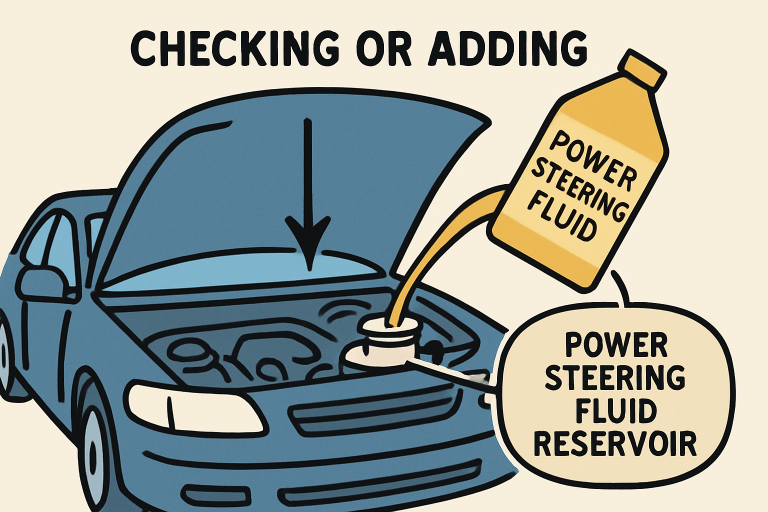
Checking your power steering fluid is a straightforward process that every car owner can perform. Here’s a step-by-step overview to ensure you maintain the correct level:
- Locate the power steering fluid reservoir under your vehicle’s hood, usually marked with a steering wheel icon or “Power Steering.”
- Park your vehicle on a level surface and make sure the engine is turned off and cool.
- Remove the reservoir cap and inspect the fluid level against the “MIN” and “MAX” indicators on the side of the tank or on the dipstick attached to the cap.
- If the fluid is below the minimum line, slowly add the manufacturer-recommended fluid until you reach the optimal range. Replace the cap securely.
Consider checking your power steering fluid monthly, or every time you service your engine or notice a change in steering performance. These regular checks allow you to spot potential problems, such as leaks, before they significantly affect your steering system.
Choosing the Right Fluid
Always use the type of power steering fluid recommended in your owner’s manual or listed on the reservoir cap. Fluids can differ in viscosity and chemical properties, and using the wrong one could damage seals, corrode parts, or interfere with proper operation. If you can’t locate the correct spec, consult a service professional or contact the vehicle manufacturer for clarification. Some modern cars use automatic transmission fluid (ATF) in the steering system, while others require a dedicated power steering fluid. Never mix fluid types unless instructed by the manufacturer.
Inspecting Hoses and Connections
Hoses and connectors are vital for containing and directing high-pressure power steering fluid. With heat and age, these parts can crack, swell, or become brittle, creating a risk of leaks or system failure. Visually inspect hoses for dampness, cracks, or bulging areas, especially around connection points where leaks most often start. Tighten any loose clamps and replace damaged hoses or seals promptly. Keeping these components secure helps prevent costly fluid loss and guards against steering system breakdown.
Replacing the Fluid Filter
Just like an oil filter protects your engine, a power steering fluid filter keeps abrasive particles and contaminants out of sensitive steering components. Over time, the filter can become clogged, restricting fluid flow, increasing pump strain, and reducing steering performance. Most manufacturers recommend replacing this filter annually or at the maintenance interval specified in your vehicle’s manual. During this service, a mechanic may also flush the fluid, further extending the system’s life and reliability. Regular maintenance of the power steering system can help prevent costly repairs down the line. Additionally, using the correct type of fluid specified by the vehicle manufacturer ensures optimal system performance and longevity.
Recognizing Signs of Issues
Staying alert to changes in the way your steering feels or sounds can help you detect problems early, potentially avoiding expensive repairs. Common warning signs include:
- Stiff or jerky movement of the steering wheel, especially at low speeds
- Whining, squealing, or groaning noises while turning
- Visible puddles of red, brown, or clear fluid under the car
- Fluid that is dark, milky, or has a burned smell
If you notice these warning signs, investigate immediately or consult a professional technician. Prompt attention can prevent further damage and keep your vehicle safe on the road.
Professional Maintenance
In addition to your own regular checks, having your car’s steering system inspected by a professional once a year is an excellent practice. Mechanics can perform pressure tests, check for hidden leaks, flush contaminated fluid, and repair or replace worn-out components. These services ensure your power steering system continues to operate smoothly and help you avoid unexpected failures that often lead to higher repair costs and vehicle downtime.
Conclusion
Consistently maintaining your power steering fluid and the overall health of your system is vital for safe, responsive driving. By following routine checks, using the correct fluid type, inspecting hoses and connections, and replacing the fluid filter as recommended, you can maximize your vehicle’s performance and lifespan. Paying attention to early warning signs and seeking professional care when needed ensures you remain in control, comfortable, and safe behind the wheel at all times.