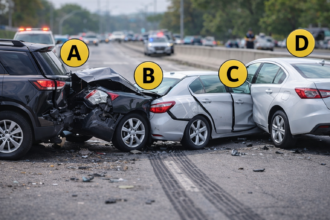


Reliable roadside help is no longer just a backup plan—it’s an integral part of modern travel, offering peace of mind and greater safety to millions of drivers nationwide. Today, drivers face more challenges and unpredictable situations than ever before, from extreme weather conditions to longer commutes and heavier traffic. The heightened risks on the road make dependable emergency assistance not just a convenience but a necessity. With the rise of advanced technology and customer-centric apps, roadside assistance is evolving from a reactive service into a proactive driver companion. Rather than simply being a contingency, it now acts as an everyday tool, improving driver confidence and providing a lifeline in stressful moments. Innovations in this space are dramatically altering how drivers cope with emergencies and how quickly they can get back on the road. Today’s fast modern roadside assistance solutions are engineered for speed, transparency, and convenience, making them essential in an era where timeliness and safety are paramount. This shift is helping drivers avoid the uncertainty and frustration that were once common when dealing with breakdowns.
Whether it’s a dead battery in the dead of night, a sudden flat tire on a busy interstate, or running out of fuel in a remote area, drivers now expect immediate, seamless help at their fingertips. New digital tools and real-time alerts have set a new standard, minimizing hassles and maximizing protection by giving motorists greater situational awareness. With advanced notification systems, drivers are alerted to their roadside needs and potential hazards much sooner. This timely communication can make a critical difference when every minute matters during an emergency. Drivers benefit from on-demand service, shorter wait times, and enhanced awareness of road hazards, shaping a safer travel landscape for all. Technology has made these services accessible to a wide range of people, not just those with traditional auto club memberships.
Table of Contents
Enhanced Safety Through Digital Alerts
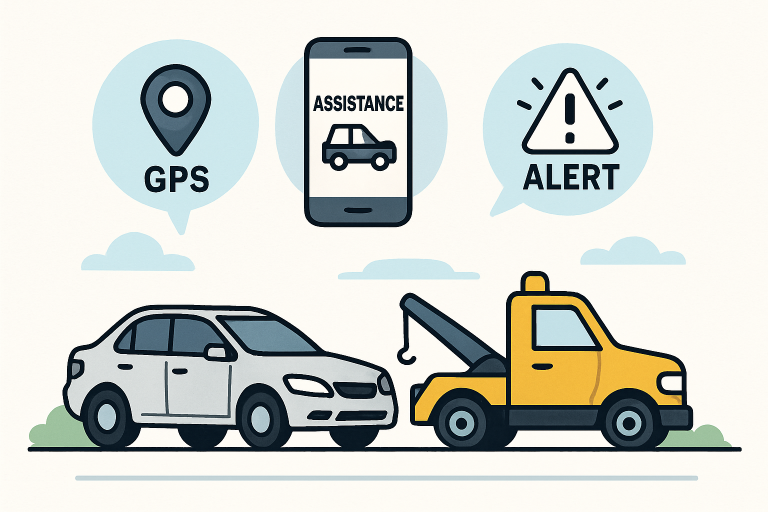
One of the most transformative advances in roadside assistance is the integration of GPS-based digital alerts, changing how both drivers and service providers approach safety. Leading organizations like AAA have joined forces with navigation platforms such as Waze, so drivers approaching a disabled vehicle are automatically warned to slow down or move over. This widespread initiative helps mitigate the risk of secondary collisions, particularly on highways where motorists may not notice a stalled vehicle until it’s too late. This is especially valuable on high-speed roads where visibility is limited, helping to prevent secondary accidents and save lives. The ongoing expansion of these alert systems means more vehicles are now included, creating a larger safety net for everyone on the road. The combination of real-time vehicle data with geolocation means first responders and service providers can reach the scene more quickly and safely, significantly enhancing protection for both drivers and technicians. In densely populated areas, this immediacy ensures traffic keeps flowing smoothly even as incidents are addressed.
Mobile Apps Streamlining Assistance
The rapid growth of easy-to-use mobile applications has transformed how drivers request emergency help and monitor their situation. Rather than relying on lengthy phone calls or hoping a passerby will help, drivers can get the assistance they need with just a few taps. Apps are now the primary channel for reporting incidents and tracking service providers’ ETAs, enabling seamless communication between drivers and professionals. For example, platforms like RoadHelps bridge the gap between stranded motorists and qualified local professionals, allowing users to submit photos, locate their vehicle, and receive transparent pricing—all from their smartphone. These features minimize ambiguity and foster trust, reducing the anxiety often associated with car trouble. These innovations have eliminated frustrating wait times and brought much-needed visibility to a previously opaque process, empowering users and improving the customer experience. Mainstream adoption across North America underlines the demand for such quick-response options, as drivers increasingly prioritize transparency and efficiency when choosing a roadside service.
Proactive Maintenance to Prevent Breakdowns
While modern roadside rescue is faster than ever, prevention remains the gold standard for ensuring hassle-free travel. Annual statistics present a stark reminder of the volume of breakdowns caused by neglected maintenance—AAA alone responded to over 27 million calls in 2024, with battery and towing needs topping the list. Proactive vehicle care, such as checking fluid levels and replacing worn components, is more important than ever with today’s technologically advanced vehicles. Regular vehicle servicing and timely repairs can reduce the risk of breakdowns, especially during summer and holiday travel surges when road traffic naturally increases. Not only does this maintenance help keep the driver safe, but it also helps protect other road users by reducing the chance of sudden breakdowns, causing obstructions, or accidents. Proactive care not only boosts vehicle longevity but also minimizes the inconvenience and dangers associated with roadside emergencies. Drivers are encouraged to schedule regular inspections of tires, brakes, batteries, and fluids to reduce avoidable incidents. Investing time in preventative maintenance also pays off in terms of long-term reliability and lower repair expenses.
Connected Technologies and Predictive Diagnostics
Perhaps the most exciting development in roadside assistance is the implementation of AI, machine learning, and real-time diagnostics. Today’s connected vehicles can identify issues before they become emergencies, sending alerts for necessary repair or servicing in advance. This early detection prevents minor problems from escalating into major breakdowns. By analyzing performance data, sensors trigger alerts and repair suggestions before a breakdown occurs. In the event of a mishap, AI-driven platforms process information such as location, vehicle status, and local weather to determine the best response—whether towing, jump-starting, or recalibrating software. This targeted support ensures drivers receive exactly the help needed, without unnecessary delays or expenses. Many services also leverage augmented reality and live video support, letting users receive remote troubleshooting instructions so minor fixes can be done independently, such as reconnecting a loose battery cable or resetting onboard computers.
With these tools, dispatchers optimize technician routes and allocate resources smartly, ensuring rapid response even in fluctuating traffic conditions. These data-driven systems provide real-time updates on technician locations, time estimations, and expected resolutions. Digital troubleshooting guides and virtual consultations are reducing unnecessary tow calls, saving drivers time and money, and easing the burden on emergency providers. These intelligent solutions are increasingly available to everyday motorists —not just fleet managers or commercial drivers —democratizing safety and efficiency across the board. As this technology becomes embedded in more vehicles, it closes the gap between traditional roadside help and modern customer expectations—raising the industry standard for everyone.
Conclusion
Roadside assistance has fundamentally shifted from reactive problem-solving to active prevention and enhanced real-time support. This new paradigm allows drivers to feel better prepared and less anxious whenever they embark on a journey, regardless of its length or complexity. Innovations ranging from GPS-linked digital alerts and agile mobile apps to the integration of AI diagnostics are reshaping travel into a safer and more predictable experience for all. Motorists today benefit from a suite of proactive services that not only resolve emergencies swiftly but also often prevent them altogether, resulting in fewer delays, less stress, and safer roads for families everywhere. As these technologies continue to mature, the future of roadside assistance will be defined by seamless, proactive care that delivers peace of mind to everyone on the road.