

Innovative Solutions for Extending Your Boating Range
Table of Contents
- 1 The Role of Marine Fuel Bladders in Long-Distance Navigation
- 2 Essential Components: Marine Fuel Line Connectors and Fittings
- 3 Optimizing Performance with Proper Fuel Line Assemblies
- 4 Maintenance and Safety Standards for Extended Range Systems
- 5 Frequently Asked Questions about Fuel Systems
- 6 Conclusion

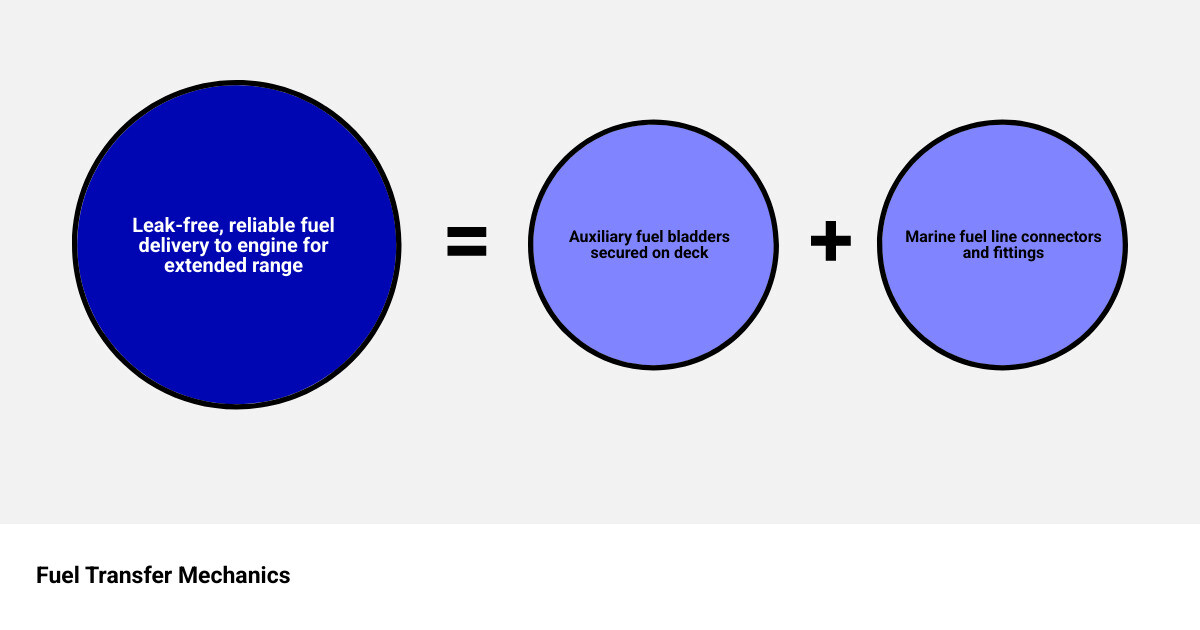
The open water calls to every boater, promising adventure beyond the horizon. For those dreaming of longer voyages, extending a vessel’s range is key. But true fuel autonomy on the water demands more than just extra fuel capacity. It relies on a meticulously designed and maintained fuel system. Central to this system are marine fuel line connectors. These essential components link your fuel sources to the engine, ensuring a steady, leak-free supply.
In this guide, we will explore innovative solutions for expanding your boating range. We will delve into topics such as flexible fuel bladders, their integration, and the crucial roles of various fuel system components. From understanding different boat fuel tank fittings to mastering maintenance, we aim to equip you with the knowledge for safer, more efficient long-distance cruising. Join us as we uncover how reliable connections keep your adventures going.

For extended voyages, marine fuel bladders have emerged as a game-changer, offering a flexible and efficient solution for increasing a vessel’s fuel capacity without the permanence or structural demands of fixed tanks. These collapsible, portable fuel reservoirs are particularly advantageous for long-distance navigation, offshore fishing, or cruising to remote destinations where refueling options are scarce. Their primary appeal lies in their ability to significantly extend a boat’s range, allowing adventurers to venture further and stay out longer.
One of the key benefits of marine fuel bladders is their adaptability. Unlike rigid tanks, they can be rolled up and stowed away when empty, freeing up valuable deck space. When filled, they fit into available areas on deck, in cockpits, or even in certain storage compartments, making them ideal for optimizing weight distribution. This flexibility is critical for maintaining vessel trim and stability, especially in varying sea conditions. Modern bladders are constructed from highly durable, UV-resistant, and fuel-compatible materials, ensuring they can withstand the harsh marine environment and the corrosive nature of marine fuels.
Integrating a fuel bladder into an existing fuel system requires careful consideration of the connections. The integrity of these connections is paramount for safety and efficiency. High-quality, flexible marine fuel bladder connectors provide a secure, leak-proof seal, facilitating the safe transfer of fuel from the bladder to the main fuel tank or directly to the engine’s fuel line. These connectors must be robust enough to withstand the dynamic movements of a boat at sea and compatible with the fuel type in use. Proper selection and installation of these specialized fittings are crucial to prevent spills, ensure continuous fuel flow, and ultimately contribute to the overall reliability of your extended-range fuel system. Effective long-range planning heavily relies on the confidence that your supplementary fuel supply will be accessible and secure when needed most.
Essential Components: Marine Fuel Line Connectors and Fittings
The backbone of any reliable marine fuel system, especially one designed for extended range, lies in its connectors and fittings. These seemingly small components play a monumental role in ensuring a stable, secure, and leak-free pathway for fuel from tank to engine. Understanding the different types and their specific applications is vital for selection and maintenance.
At the heart of the system are the various connector types. A Fuel Line Quick Connector offers convenience and speed, allowing boaters to rapidly connect or disconnect fuel lines, often seen between portable tanks and outboard engines. These are invaluable for quick setup and breakdown, as well as for switching between auxiliary fuel sources. For routing fuel lines in tight spaces, a Male Elbow Connector provides a crucial bend, preventing kinks in the hose that could restrict fuel flow or lead to premature wear.
When selecting connectors, material compatibility is non-negotiable. Connectors are typically made from either high-grade plastic polymers or stainless steel.
- High-grade plastic connectors are often chosen for their corrosion resistance, lighter weight, and cost-effectiveness. They are engineered to withstand modern fuel formulations, including those with ethanol, which can be aggressive towards lesser materials.
- Stainless steel connectors offer superior strength, durability, and resistance to impact and abrasion. While heavier and potentially more expensive, they are often preferred in critical applications or where maximum longevity is desired. Both types, when manufactured to marine standards, are designed for leak prevention and secure fitment.
Beyond material, connector sizing is critical. This typically involves matching the Inside Diameter (ID) of the fuel hose to the barb size of the fitting and ensuring thread compatibility, often using National Pipe Thread (NPT) threads. NPT threads create a seal by wedging the tapered threads together, making them common in fuel systems for a tight fit. For instance, a 1/4″ NPT male thread on a connector needs to mate with a corresponding 1/4″ NPT female port on a tank or filter. Barb sizes, such as 3/8″ or 5/16″, must precisely match the fuel line’s ID to ensure a snug fit that can be further secured with hose clamps.
Specialized fittings also play a role. For example, a robust Fuel Valve SS304 is essential for controlling fuel flow, allowing boaters to isolate tanks or switch between fuel sources safely. For specific engine brands, proprietary connectors are often necessary. A MERCURY 34982 Connector is an example of a brand-specific adaptor that ensures perfect compatibility and performance with Mercury engines, highlighting the importance of selecting the correct parts for your particular engine model. These components, when properly selected and installed, are the unsung heroes that maintain fuel system integrity and significantly enhance engine efficiency and safety on the water.
Optimizing Performance with Proper Fuel Line Assemblies
Achieving peak engine performance and reliability on the water, especially during extended voyages, hinges significantly on the quality and configuration of your fuel line assembly. This integrated system, from the fuel tank to the engine, must deliver a consistent, clean, and air-free fuel supply. A well-designed assembly not only ensures optimal fuel flow but also enhances safety and prevents common engine issues.
A key component in many outboard fuel systems is the primer bulb, often integrated into a complete fuel line assembly.

This hand-operated pump allows manual priming of the fuel system, pushing fuel from the tank to the engine’s fuel pump, which is particularly useful for starting a cold engine or after running out of fuel. The effectiveness of the primer bulb relies on its quality and proper orientation within the fuel line to maintain vacuum integrity and prevent air ingress. For instance, a Universal Fuel Line Assembly Kit often includes a primer bulb and specific fittings, designed for straightforward installation and reliable operation. These kits typically feature a 3/8″ ID hose, which is a common size for marine fuel lines, offering a good balance between flow capacity and flexibility.
Flow efficiency is paramount. Fuel lines must be of adequate diameter (e.g., 3/8″ ID) and free of kinks or obstructions to ensure the engine receives the necessary volume of fuel, especially at higher RPMs. Restrictive lines or fittings can starve the engine, leading to loss of power, sputtering, or even engine damage. Connectors like a T-Barb Connector are useful for splitting a single fuel line into two, perhaps to feed a fuel filter and a secondary system, or to integrate an auxiliary fuel source. When using such connectors, it’s crucial to ensure they maintain the overall flow rate and do not introduce air into the system.
Maintaining vacuum integrity throughout the fuel line is another critical aspect. Any leak, even a small one, can draw air into the fuel system, leading to vapor lock, hard starting, or erratic engine performance. High-quality connectors, correctly installed with appropriate clamps, are essential to prevent this. For complex fuel systems that draw from multiple tanks or feed multiple engines, a Splitter Valve can be invaluable. This allows boaters to select which tank to draw from or to distribute fuel to different engines, offering flexibility and redundancy.
Furthermore, components like a Manual Pressure Valve can be integrated into the system for specific applications, such as managing fuel pressure in certain configurations or for diagnostic purposes. When assembling your fuel system, always follow manufacturer guidelines for hose routing, connector installation, and primer bulb orientation. Ensuring every component, from the hose to every fitting, is designed for marine use and installed correctly will contribute significantly to your engine’s efficiency, reliability, and ultimately, your peace of mind on extended voyages.
Maintenance and Safety Standards for Extended Range Systems
Maintaining the integrity and safety of your marine fuel system, particularly for extended range operations, is not merely a recommendation—it’s a critical aspect of responsible boating. A well-maintained system prevents fuel leaks, ensures consistent engine performance, and safeguards against potential hazards at sea. Regular inspection and adherence to established safety standards are paramount.
Routine inspections should be a cornerstone of your preventative maintenance schedule. We recommend visually checking all fuel line connectors, hoses, and fittings before every significant trip, and thoroughly once a month during active boating seasons. Look for any signs of wear, such as cracking, brittleness, discoloration, or swelling in hoses and primer bulbs. Pay close attention to the connections themselves; a loose or corroded fitting can cause a dangerous fuel leak. UV degradation is a common cause of stiffness and eventual failure in plastic components and rubber hoses exposed to sunlight. Any component showing these signs should be replaced immediately.
Corrosion resistance is another vital factor, especially for metal components. Saltwater environments are incredibly harsh, and even stainless steel can succumb to crevice corrosion if not properly maintained. For connectors like a Tank Connector by Sea Star Solutions, often used at the fuel tank withdrawal point, ensuring it remains free of corrosion and has a tight seal is essential. O-ring lubrication with fuel-compatible lubricants can extend the life of quick-disconnect fittings and ensure a smooth, secure connection.
When expanding your fuel system with auxiliary tanks or bladders, components such as a Fuel Line Extension Connector are necessary. These extensions must meet the same rigorous standards as the primary fuel lines. Similarly, a Male-to-Male Nipple Connector NPT is a simple yet crucial fitting that allows two female-threaded components to be joined. The quality of these seemingly minor parts directly impacts the overall safety and reliability of your entire fuel system.
Adherence to safety regulations is non-negotiable. In May 2026, marine fuel systems must continue to comply with stringent standards set by regulatory bodies such as the California Air Resources Board (CARB) and the Environmental Protection Agency (EPA). These regulations often dictate material specifications for hoses and connectors, permeation limits to reduce evaporative emissions, and fire safety requirements. Using CARB and EPA-compliant components ensures not only environmental responsibility but also a higher standard of safety and durability. Always verify that any replacement or new fuel system component you install meets these current industry standards. By diligently performing maintenance and prioritizing compliant components, we ensure our extended range systems remain safe, efficient, and reliable for countless nautical miles.
Frequently Asked Questions about Fuel Systems
How do marine fuel bladders integrate with existing outboard engines?
Marine fuel bladders are designed to integrate seamlessly with existing fuel systems, primarily by acting as an auxiliary fuel source. Typically, fuel is transferred from the bladder to the boat’s main fuel tank using a small pump, or in some setups, directly to the engine’s fuel line via a dedicated transfer line. This transfer usually uses quick-disconnect fittings for easy connection and disconnection. For example, a SCEPTER 11553 Universal Quick Connect can facilitate a rapid, secure connection between a bladder’s output and a fuel line leading to the main tank or the engine. The process often starts by determining the appropriate size and capacity for your needs, guided by resources like a Fuel Bladder Sizing Guide. Once the bladder is secured and filled, a transfer hose with appropriate connectors is attached, and fuel can be moved as needed. It’s crucial to ensure that all connections are robust and leak-proof, and that the transfer system maintains fuel cleanliness to protect the engine.
What are the signs of wear in marine fuel bladders and connectors?
Recognizing the signs of wear in marine fuel bladders and connectors is vital for preventing fuel system failures and ensuring safety. For fuel bladders, common indicators include material stiffness or cracking, especially in areas exposed to sunlight or abrasion. You might notice “fuel weeping,” which is a faint, oily sheen or smell around the bladder, indicating minor permeation or pinhole leaks. Discoloration, particularly yellowing or darkening, can also suggest material degradation. For connectors, signs of wear include visible cracks in plastic housings, corrosion on metal parts, or a loose fit that makes connecting or disconnecting difficult. If a connector requires excessive force to engage or disengage, or if it feels “sticky,” its internal O-rings or locking mechanisms may be compromised. Any visible fuel residue around a connection point is a clear sign of a leak and requires immediate attention. According to discussions on forums like The Hull Truth, material compatibility with modern ethanol-blended fuels is a significant concern, as ethanol can accelerate the degradation of older or incompatible materials. By May 2026, safety standards will continue to emphasize the use of compatible and robust materials to mitigate these issues.
When should fuel line connectors be replaced for maximum safety?
Fuel line connectors should be replaced proactively as part of a preventative maintenance schedule, rather than waiting for a failure. While high-quality connectors are designed to last the lifespan of your fuel system with proper care, several indicators signal an immediate need for replacement. Any visible damage, such as cracks, chips, or deformation, warrants replacement. If a connector becomes difficult to connect or disconnect, or feels loose even when fully engaged, its internal sealing components (such as O-rings) or locking mechanisms may be compromised, leading to potential leaks or air intrusion. Fuel weeping or a fuel smell around a connector is a clear sign of a compromised seal.
Additionally, if you’re upgrading other parts of your fuel system or performing major engine maintenance, it’s often prudent to replace associated connectors, especially if they are several years old. As noted in discussions on specific connectors, such as those for J/E engines, on forums like the ETEC Owners Group, even minor issues can lead to significant problems, such as fuel restriction or air in the line. Regular inspection, coupled with a policy of replacing any suspect component, is the best approach to ensure maximum safety and reliability for your marine fuel system.
Conclusion
Embarking on extended voyages requires meticulous planning and an unwavering commitment to safety, with the fuel system standing as a critical pillar of this preparation. As we’ve explored, marine fuel line connectors are far from mere accessories; they are indispensable components that dictate the reliability, efficiency, and safety of your entire marine propulsion system. From the robust construction of flexible fuel bladders that extend your range to the precision engineering of quick connectors and valves that ensure seamless fuel transfer, every element plays a vital role.
By understanding the nuances of material compatibility, proper sizing, and the importance of adhering to stringent safety standards such as CARB and EPA, boaters can build and maintain a fuel system that instills confidence. Regular inspections, timely replacements, and a proactive approach to maintenance are not just best practices—they are essential for preventing catastrophic failures and ensuring peace of mind on the open water.
Investing in high-quality marine fuel line connectors and components, coupled with diligent maintenance, translates directly into enhanced system reliability and superior maritime safety. It allows us to manage our fuel resources efficiently, navigate further, and fully embrace the freedom and adventure that the sea offers. With a robust and well-maintained fuel system, your vessel is truly prepared for any horizon.