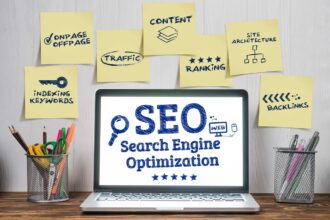

How a Thorough Website Audit Can Drive Better SEO Results

Table of Contents
Introduction
In today’s competitive digital landscape, having a well-optimized website is essential for attracting traffic, engaging visitors, and ultimately driving conversions. One of the most effective ways to gain actionable insights into your website’s strengths and weaknesses is through a comprehensive SEO audit. This critical process uncovers technical and content-related issues that may hinder performance, laying the groundwork for ongoing success in search engine optimization (SEO).
Too often, businesses put their websites online and assume ongoing results will follow. However, without regular and targeted evaluations, even the best sites can lose visibility, fall behind competitors, and miss emerging opportunities in search rankings. A thorough audit not only highlights what’s working but also pinpoints areas in need of improvement, from technology gaps to user experience flops.
Identifying Technical Issues
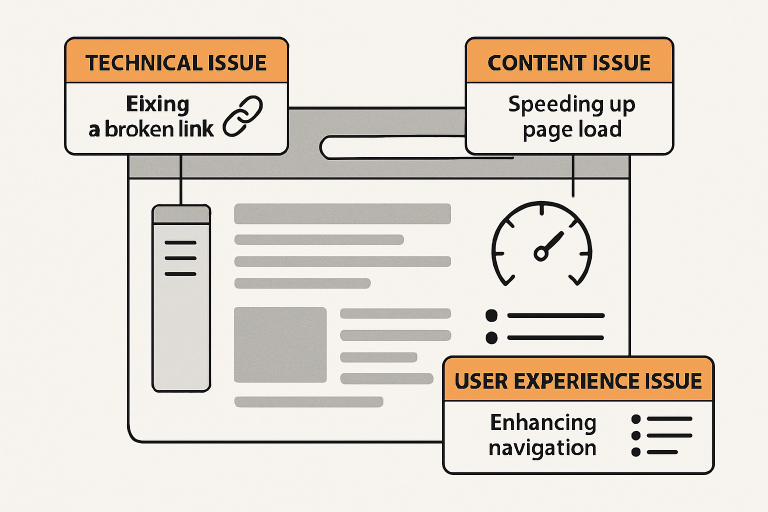
Technical health underpins every aspect of your website’s SEO performance. Site crawlers and users alike expect a reliable and fast experience. During a comprehensive audit, you’ll be able to identify critical issues such as broken links, slow page load times, and mobile responsiveness problems. These technical errors can have a profound impact, with search engines increasingly prioritizing user experience when ranking results. Addressing these technical glitches not only leads to better SEO outcomes but also ensures visitors can engage with your site seamlessly.
For example, slow-loading pages frustrate visitors and signal low quality to search engines, while poor mobile usability can restrict your reach as more users access the web via smartphones. Fixing these errors promptly helps keep your site accessible and competitive. For an in-depth look at technical SEO standards, check out this resource from Google’s SEO Starter Guide.
Optimizing Content for SEO
Even the most technically sound websites may underperform without high-quality, optimized content. During a website audit, the entire content portfolio is evaluated for relevance, accuracy, and keyword optimization. Outdated or irrelevant information is flagged, and pages can be updated to reflect the latest industry trends and search intent. Strategic use of keywords and engaging messaging helps ensure your content resonates with both users and search engines, increasing your site’s ability to rank for competitive queries and drive organic traffic.
Additionally, well-structured content makes it easier for search engines to crawl and index your website properly. Audits often uncover duplicated or thin content that must be consolidated or enhanced for better authority. According to Moz’s SEO guide, consistent content improvements are essential to maintaining and growing your search presence over time.
Enhancing User Experience
User experience (UX) is a critical, yet sometimes overlooked, factor in SEO performance. When users can easily navigate your website, read your content, and find what they’re looking for, they’re more likely to stay longer—reducing bounce rates and increasing overall engagement. A website audit evaluates key factors such as site navigation, font readability, accessibility for users of all abilities, and an intuitive layout. Enhancing these UX elements not only satisfies visitors but also directly contributes to improved search performance, as modern search algorithms reward positive user signals.
Staying Ahead of Algorithm Updates
Search engines, especially Google, continually update their algorithms to improve the quality of results and reduce manipulative ranking tactics. Websites that fail to keep up with these changes risk falling in rankings or incurring penalties. Regular website audits help ensure that your site adheres to current SEO standards—such as appropriate use of schema markup, up-to-date meta information, and secure HTTPS implementation—so you can adapt quickly and maintain your online presence without disruption.
Analyzing Competitor Performance
Understanding how your website compares to the competition is vital for ongoing growth. Comprehensive audits can include competitor analysis, revealing gaps in your strategy and highlighting areas where you can outmaneuver rivals. By examining competitors’ keyword choices, backlink profiles, and content strategies, you can spot missed opportunities and proactively address weaknesses in your own approach. This comparative insight ensures your business stays ahead in rapidly changing markets.
Improving Conversion Rates
Attracting the right visitors is just the beginning; converting those visitors into loyal customers is where your business sees real returns. Website audits extend beyond SEO metrics, identifying obstacles to conversion such as confusing calls-to-action, complicated checkout flows, or poorly placed trust signals. Addressing these issues can significantly increase your conversion rates, making every visitor interaction more valuable and maximizing your return on investment in SEO efforts.
Developing an Action Plan
Post-audit, it’s crucial to translate findings into actionable steps. Carefully prioritize recommendations based on their potential impact and ease of implementation. Consider creating a timeline for addressing technical fixes, updating content, and enhancing UX. Setting clear goals and tracking progress ensures that the benefits of your audit drive sustained SEO growth and measurable business outcomes.
In summary, conducting a detailed website audit is indispensable for modern businesses aiming to grow online. By addressing technical shortcomings, optimizing content, and keeping pace with changing SEO standards, companies can drive sustainable improvements in their search performance and online visibility.
Conclusion
Conducting a thorough website audit is a powerful way to uncover hidden issues and unlock your site’s full potential. By identifying technical errors, improving site structure, and enhancing content quality, you create a stronger foundation for search engines to crawl and rank your pages. This proactive approach not only boosts visibility and traffic but also ensures a better user experience, both of which are critical for long-term SEO success. With regular audits, you can stay ahead of algorithm changes and keep your website performing at its best.