





Best Practices for Keeping Your Workplace Spotless
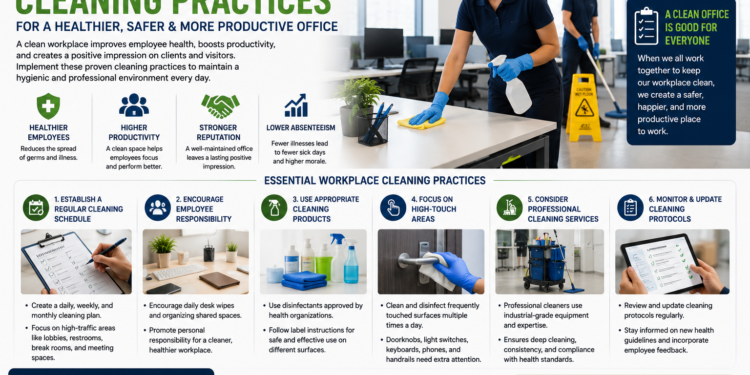
Maintaining a clean, organized workplace is crucial to ensuring employee well-being and fostering a productive environment. Businesses that prioritize cleanliness not only safeguard their employees’ health but also create a favorable impression on clients and visitors. Integrating proven strategies into your daily maintenance routine can dramatically improve hygiene. For businesses in Charlotte and surrounding areas, experienced commercial cleaning services are available to help meet these goals.
A well-maintained workspace reduces the likelihood of illness spreading through the office, protects your company’s reputation, and can support higher levels of staff satisfaction. Furthermore, focusing on regular cleaning routines and encouraging good habits allows for smoother daily operations. As workplace expectations evolve, companies should continuously assess their cleaning standards and adjust accordingly to stay compliant and efficient. The benefits of a spotless environment go beyond aesthetics. Clean workplaces are linked to fewer employee absences and stronger employee morale. As the importance of sanitation grows across industries, companies are increasingly seeking comprehensive solutions that address the unique needs of each workspace. To maintain high standards, it is essential to invest in the right cleaning products and involve all team members in upholding cleanliness. Encouraging an organizational culture focused on hygiene ensures everyone contributes to a safer, healthier office environment. For tailored solutions, you may also consider specialized office cleaning services to address the specific needs of your workspace.
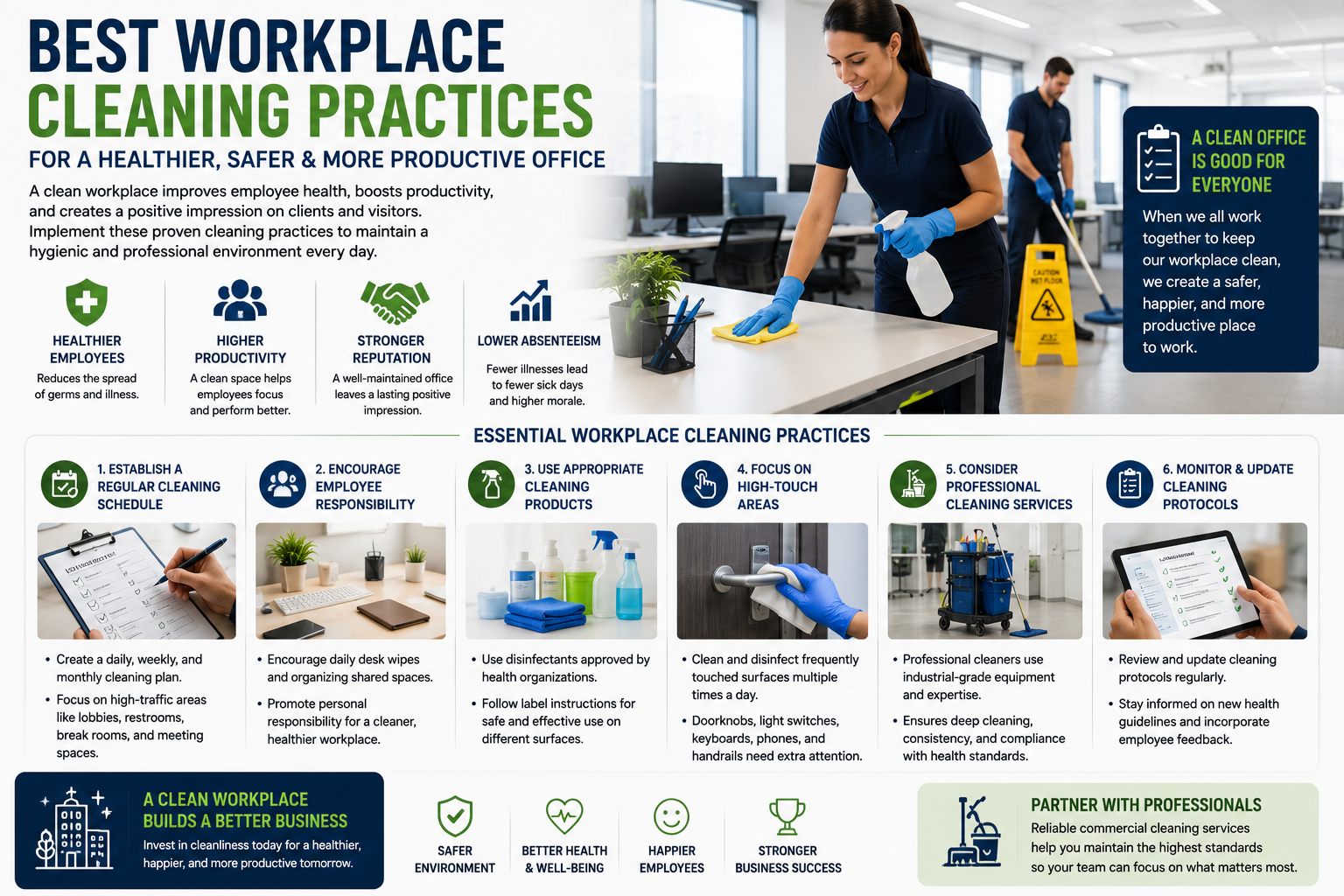
Table of Contents
Establish a Regular Cleaning Schedule
Consistency is fundamental when maintaining workplace cleanliness. By developing and adhering to a structured cleaning schedule, businesses can ensure that crucial areas, such as lobbies, restrooms, meeting spaces, and break rooms, receive consistent attention. Scheduled cleaning prevents dust and germ buildup, minimizes distractions, and raises overall hygiene standards. High-traffic zones in particular should be cleaned and disinfected multiple times a day to curb the spread of bacteria and viruses.
Encourage Employee Responsibility
Professional janitorial services are invaluable, but encouraging individuals to take ownership of their workspaces makes a significant difference. Promoting simple practices like daily desk wipes, organizing shared spaces after use, and regularly sanitizing frequently touched personal items can reduce the likelihood of illness and clutter. While company policy and management support these behaviors, cultivating a culture of collective responsibility for cleanliness maximizes the effectiveness of regular cleaning routines.
Use Appropriate Cleaning Products
The right cleaning products are essential for effective sanitation. Disinfectants approved by reputable health organizations should be used for all office cleaning tasks, especially in high-touch areas and during cold and flu season. Following manufacturer instructions ensures maximum germ-killing effectiveness without damaging surfaces or posing health risks to staff. Selecting specialized products for different materials, such as computer screens and kitchen counters, helps prevent wear and tear on office equipment and furniture.
Focus on High-Touch Areas
Prioritizing these hotspots for additional cleaning during scheduled maintenance helps prevent the spread of unhealthy microbes. Implement a checklist to ensure custodial staff and employees alike remember to address items often overlooked in traditional cleaning routines. Frequent disinfection of these areas is especially important during periods of increased illness or in large offices with heavy foot traffic.
Consider Professional Cleaning Services
Commercial and professional cleaning services offer benefits beyond what typical daily routines can achieve. These teams use industrial-grade equipment and specialized training to ensure thorough sanitation across all office areas, including those that may be impractical for employees or basic janitorial staff to reach. Particularly for large facilities, intricate office layouts, or industries with extra sanitation standards, professional cleaners help maintain consistency and compliance with health regulations. Investing in this service can free up valuable employee time, letting staff focus on their core duties.
Regularly Monitor and Update Cleaning Protocols
Cleaning protocols should be living documents, reviewed and updated regularly to reflect new health guidelines or workplace changes. What worked a year ago may not be adequate today, particularly as new research and technology become available. Periodic assessments of your cleaning outcomes, combined with industry guidance, can help you stay current and compliant. Involving employees in feedback helps identify additional areas needing attention and increases engagement in maintaining organizational standards. Adopting best practices for workplace cleanliness not only safeguards employee health but also strengthens the organization’s reputation and operational efficiency. By combining regular, thorough cleaning schedules with personal accountability and professional support, businesses can foster a workplace that promotes wellness, satisfaction, and productivity for the entire team.
Conclusion
A clean workplace is more than just an attractive space, as it is a key factor in supporting employee health, productivity, and overall business success. By establishing a consistent cleaning schedule, encouraging employees to take responsibility for their workspaces, using appropriate cleaning products, and prioritizing high-touch areas, businesses can significantly reduce the spread of germs and create a safer environment. Partnering with professional cleaning services and regularly reviewing cleaning protocols further ensures that sanitation practices remain effective and aligned with current health standards. With a proactive approach to workplace cleanliness, organizations can foster a positive atmosphere that enhances employee satisfaction, strengthens their professional image, and promotes long-term operational efficiency.

