
Navigating AC Repair and System Replacements for Optimal Comfort
Table of Contents
- 1 Introduction
- 2 Recognizing the Early Warning Signs of System Failure
- 2.1 Simple Maintenance Issue (DIY Potential) Serious Mechanical Problem (Professional Required) Clogged air filter Refrigerant leak (hissing, ice on lines) Incorrect thermostat settings Compressor failure (grinding, no cooling) Blocked outdoor condenser unit Electrical fault (tripping breaker, burning smell) Clogged condensate drain line (minor) Frozen evaporator coil (persistent ice) Weak batteries in thermostat Fan motor failure (no airflow, loud squealing) Blocked vents/registers Ductwork damage (significant air loss) How San Diego’s Microclimates Accelerate Wear
- 2.2 When to Seek Professional AC Repair Services
- 3 Essential Troubleshooting Steps Before Calling for AC Repair
- 4 Deciding Between System Restoration and Replacement
- 5 Frequently Asked Questions About San Diego Cooling Systems
- 6 Conclusion
Introduction
For San Diego County homeowners, a properly functioning air conditioning system is vital for comfort, especially as warm weather approaches. We understand the concern when your AC seems off or isn’t cooling effectively. Ignoring early AC warning signs can lead to bigger problems and costly emergency repairs, which no one wants during a hot San Diego summer. This article will guide us through identifying common indicators of a struggling system, understanding San Diego’s unique climate challenges, and knowing when to call a professional. Our goal is to help you maintain a comfortable home and make informed decisions about AC repair or replacement, ensuring optimal performance for years to come.
Recognizing the Early Warning Signs of System Failure
Even the most robust air conditioning systems eventually show signs of wear and tear. For San Diego homeowners, recognizing these early indicators can be the difference between a minor repair and a major system overhaul. We’ve compiled some of the most common red flags that your AC might be struggling.
One of the first signs homeowners often notice is a reduction in airflow. If you feel weak air coming from your vents, or if some rooms are significantly warmer than others, it could indicate a problem. This might stem from a clogged air filter, ductwork issues, or even a failing fan motor. Similarly, unusual noises emanating from your AC unit should never be ignored. Grinding, squealing, clanking, or persistent buzzing sounds often point to mechanical issues like loose parts, worn-out bearings, or electrical problems. A hissing or bubbling sound, on the other hand, could signal a refrigerant leak.
Another common warning sign is short cycling, where your AC unit turns on and off frequently without completing a full cooling cycle. This not only wastes energy but also puts excessive strain on the compressor, potentially shortening its lifespan. Short cycling can be caused by an improperly sized unit, a clogged air filter, low refrigerant levels, or electrical issues. Finally, moisture accumulation around your indoor or outdoor unit, or even ice buildup on refrigerant lines, is a clear indicator of a problem. While a small amount of condensation is normal, puddles of water or ice suggest a clogged condensate drain line, a refrigerant leak, or a frozen evaporator coil.
Understanding these indicators is crucial for timely intervention. For a more comprehensive look at what your system might be trying to communicate, you can explore resources on What Your Air Conditioner Is Trying to Tell You. Recognizing these signals early can help you avoid a complete breakdown during the hottest months. For San Diego homeowners, staying vigilant about these subtle changes can help prevent costly surprises. If you’re noticing these or other concerning issues, it’s a clear indication of AC warning signs San Diego residents should heed.
To help differentiate between minor issues you might address yourself and those requiring professional help, consider the following:
Simple Maintenance Issue (DIY Potential) Serious Mechanical Problem (Professional Required) Clogged air filter Refrigerant leak (hissing, ice on lines) Incorrect thermostat settings Compressor failure (grinding, no cooling) Blocked outdoor condenser unit Electrical fault (tripping breaker, burning smell) Clogged condensate drain line (minor) Frozen evaporator coil (persistent ice) Weak batteries in thermostat Fan motor failure (no airflow, loud squealing) Blocked vents/registers Ductwork damage (significant air loss) How San Diego’s Microclimates Accelerate Wear
San Diego County’s diverse microclimates, while beautiful, present unique challenges that can accelerate the wear and tear on AC systems. Unlike more uniform climates, our region experiences significant variations that impact HVAC performance and longevity.
In coastal areas, the persistent humidity and salt air are primary culprits. The moist, salty air can lead to rapid condenser corrosion and rust on outdoor units. This corrosive environment can degrade metal components, electrical connections, and even internal coils over time, leading to reduced efficiency and premature failure. Systems in these areas often require more frequent cleaning and protective coatings to withstand the elements.
Moving inland, homeowners face intense inland heat, especially during summer months. Prolonged exposure to triple-digit temperatures forces AC units to work harder and longer, increasing strain on the compressor and other vital components. This constant high-demand operation can lead to faster component degradation and higher energy consumption.
Across the county, dust accumulation is a pervasive issue. Whether from construction, dry conditions, or natural landscapes, dust and debris can clog air filters, coat condenser coils, and impede airflow. A dirty condenser coil, for instance, cannot efficiently dissipate heat, causing the system to overwork and consume more energy.
Adding to these challenges are the infamous Santa Ana winds. These hot, dry winds can carry significant amounts of dust, dirt, and even fine sand, which can infiltrate outdoor units and further exacerbate dust accumulation issues. The winds also contribute to higher ambient temperatures, placing additional stress on AC systems during these events.
These localized environmental factors mean that AC systems in San Diego County often face tougher conditions than those in other regions, making proactive maintenance and early detection of warning signs even more critical.
When to Seek Professional AC Repair Services
While some minor AC issues can be resolved with simple troubleshooting, many warning signs point to problems that require the expertise of a certified HVAC professional. Ignoring these can lead to more extensive and expensive damage, or even compromise your home’s safety.
One of the most critical issues requiring immediate professional attention is a refrigerant leak. As we’ve learned, refrigerant doesn’t get “used up”; if levels are low, there’s a leak. Signs like ice on the evaporator coil or refrigerant lines, a hissing sound, or your AC blowing warm air despite running, often indicate a leak. Handling refrigerants is strictly regulated by the EPA and requires specialized tools and training. Attempting a DIY fix could be dangerous and illegal.
Electrical failures are another serious concern. If your circuit breaker frequently trips when the AC turns on, or if you smell burning plastic or wiring, it could be an electrical fault within the unit. These issues pose a fire hazard and should only be diagnosed and repaired by a qualified technician.
Problems with the compressor, often referred to as the “heart” of your AC system, almost always necessitate professional intervention. Grinding noises, difficulty starting, or the unit running but not cooling are common signs of compressor trouble. Compressor repairs can be complex and costly, sometimes leading to the need for a system replacement.
A persistently frozen evaporator coil, even after checking and replacing your air filter, suggests deeper issues like severe airflow restrictions, low refrigerant, or a faulty metering device. While you can sometimes thaw a coil by turning off the AC, if it refreezes, a professional diagnosis is essential to prevent compressor damage.
Finally, any time you experience a complete system breakdown, or if your AC issues are recurring despite your best efforts, it’s time for rapid response from an HVAC expert. Professionals have the diagnostic tools and experience to accurately identify the root cause of the problem and perform the necessary repairs safely and effectively. For comprehensive professional assistance with these complex issues, consider reaching out for AC Repair in San Diego.
Essential Troubleshooting Steps Before Calling for AC Repair
Before reaching for the phone to schedule a service call, there are several essential troubleshooting steps San Diego homeowners can take. Often, what seems like a major problem can be a simple fix, saving you time and money.
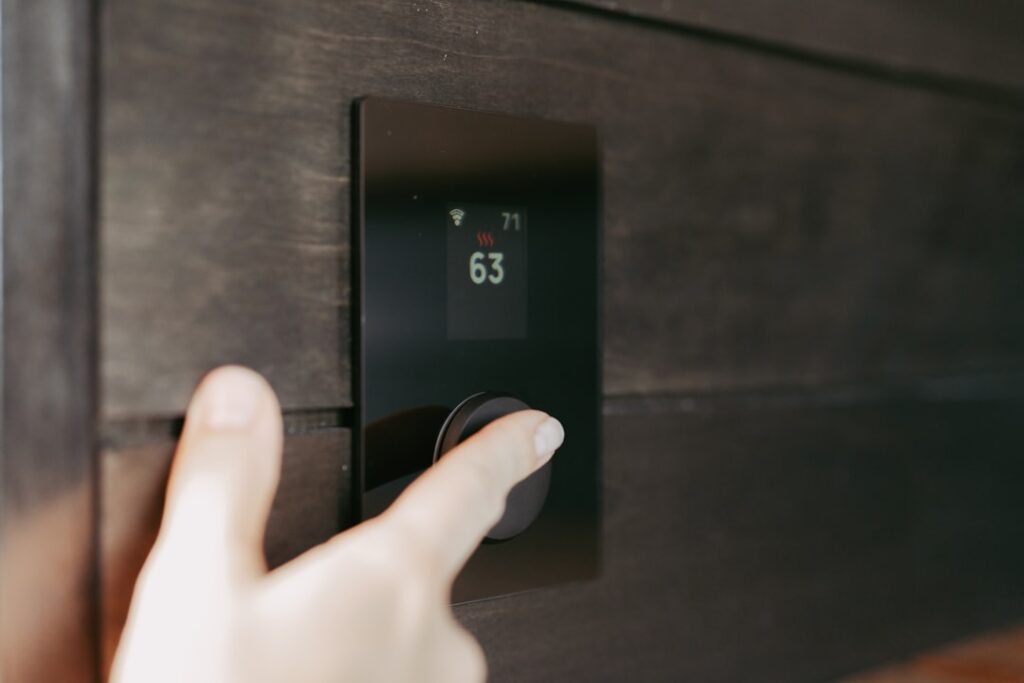
First, always check your thermostat settings. Ensure it’s set to “cool” mode and that the temperature setting is lower than the current room temperature. Sometimes, the fan setting might be on “on” instead of “auto,” causing the fan to run continuously even when the cooling cycle isn’t engaged. If you have a smart thermostat, ensure its programming hasn’t been inadvertently changed. If your thermostat uses batteries, replace them, as weak batteries can cause erratic behavior.
Next, inspect your air filter. A clogged air filter is one of the most common reasons for reduced airflow and poor cooling performance. If the filter is visibly dirty or blocked, replace it immediately. We recommend inspecting your air filter monthly and replacing it every one to three months, especially in dusty San Diego environments or if you have pets.
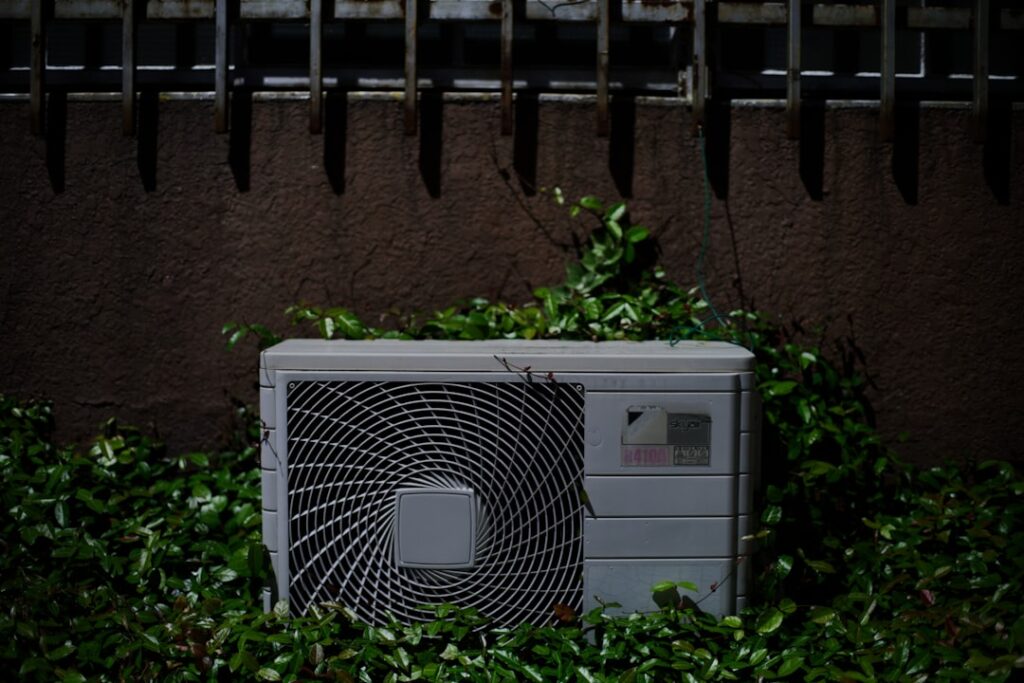
Head outside and check your outdoor unit clearance. Ensure there’s at least two feet of clear space around the condenser unit. Remove any leaves, dirt, grass clippings, or other debris that might be blocking the fins or impeding airflow. You can gently rinse the condenser coils with a garden hose (from the inside out at low pressure) to remove surface dirt, but avoid using a pressure washer, which can damage the delicate fins.
Don’t forget to check your home’s circuit breakers. A tripped breaker can completely cut power to your AC unit. Locate your electrical panel and look for any tripped breakers (usually in the “off” or middle position). Flip it firmly to the “off” position and then back to “on.” If the breaker trips again immediately or frequently, it indicates a more serious electrical problem requiring professional attention.
Finally, ensure all your indoor register blockages are clear. Make sure furniture, curtains, or rugs aren’t obstructing supply or return vents. Blocked vents can restrict airflow, leading to uneven cooling and increased strain on your system. For more detailed instructions on what to do when your AC is running but not cooling, refer to our guide on How to Fix AC Running But Not Cooling.
Verifying Airflow and Thermostat Calibration
Ensuring proper airflow and accurate thermostat calibration are fundamental steps in maintaining an efficient AC system. These two factors directly impact your home’s comfort and your energy bills.
A clogged filter is the most frequent culprit behind poor airflow. When your filter is choked with dust and debris, your AC system struggles to pull in air, reducing the amount of cooled air distributed throughout your home. This not only makes your system work harder, consuming more energy, but it can also lead to issues like a frozen evaporator coil. We recommend holding your filter up to the light; if you can’t see through it, it’s time for a replacement.
Beyond the filter, check for any obstructions in your return and supply vents. Furniture, drapes, or even children’s toys can inadvertently block system airflow. Ensuring clear pathways for air circulation is vital for effective cooling.
Your thermostat plays a critical role in controlling your AC. If your home isn’t reaching the set temperature, or if the AC runs constantly, it’s worth checking for temperature differentials. Use an independent thermometer to compare the temperature at your thermostat with other areas of your home. A significant difference might indicate a calibration issue or a poorly placed thermostat. For older, non-smart thermostats, a simple battery replacement can often resolve erratic behavior or a completely blank display. Modern smart thermostats usually have self-diagnostic capabilities, but ensuring they are correctly programmed and connected to your home’s Wi-Fi is also important.
Clearing the Condenser and Drain Lines
Two often-overlooked components that can cause significant AC problems if neglected are the outdoor condenser unit and the condensate drain lines. Regular attention to these areas can prevent many common issues.
The outdoor condenser unit is responsible for releasing heat from your home. If it’s covered in debris removal like leaves, dirt, grass clippings, or even pet hair, it can’t efficiently dissipate heat. This forces your AC to work harder, leading to higher energy bills and increased wear on components. After ensuring the power to your unit is off, gently clear away any visible debris from around and on the unit. You can carefully use a garden hose to rinse the fins from the inside out, ensuring water flows freely through them.
Indoors, your AC system produces condensation as it removes humidity from the air. This water collects in a pan and drains away through the condensate lines. Over time, algae, mold, and sludge can build up in these lines, causing a blockage. A clogged drain line can lead to water backing up into your home, causing water damage, or triggering a float switch. Many AC systems have a safety float switch that automatically shuts off the unit when the drain pan overflows, preventing water damage. If your AC suddenly stops working and you see water around the indoor unit, a clogged drain line is a likely culprit. You can often clear minor clogs using a wet/dry vacuum on the outdoor end of the drain line or by carefully pouring a cup of distilled vinegar down the access port (if available).
Ensuring these components are free from airflow restrictions and blockages is a simple yet effective way to maintain your AC’s efficiency and prevent costly repairs.
Deciding Between System Restoration and Replacement
At some point, every San Diego homeowner faces the critical decision: repair the existing AC system or invest in a new one? This choice involves weighing immediate costs against long-term benefits, considering factors like system age, operational efficiency, and the frequency of breakdowns.
Generally, if your AC unit is nearing the end of its typical lifespan (around 10-15 years in our climate) and repairs are becoming more frequent or expensive, replacement often makes more financial sense. A good rule of thumb is the “50% rule”: if the cost of a repair is more than 50% of the cost of a new system, replacement is usually the better option. As your system ages, its operational efficiency naturally declines, meaning it consumes more energy to achieve the same level of cooling, leading to higher utility bills.
Frequent breakdowns are a clear indicator that your system is struggling. If you find yourself calling for repairs multiple times a season, the cumulative cost can quickly outweigh the investment in a new, more reliable unit. Furthermore, older systems may use refrigerants like R-22, which has been phased out, making repairs more expensive due to the scarcity and high cost of the refrigerant.
Investing in a new system also opens the door to significant technology upgrades. Modern AC units offer vastly improved energy efficiency (higher SEER2 ratings), quieter operation, and advanced features like smart thermostat compatibility and variable-speed compressors for more precise temperature control and dehumidification. These innovations not only enhance comfort but also lead to substantial long-term savings on energy costs. For those pondering whether their current unit has reached its limit, exploring resources like Is Your AC a Senior Citizen and Ready to Retire? can provide valuable insights.
For San Diego homeowners considering a new AC system, understanding current efficiency standards and local regulations is paramount. These standards not only impact your energy consumption but also ensure compliance with environmental guidelines.
The industry has seen a continuous push towards greater energy efficiency, with the introduction of new SEER2 ratings. SEER (Seasonal Energy Efficiency Ratio) measures an AC unit’s cooling output over a typical cooling season divided by the total electric energy input during the same period. In 2023, new minimum efficiency standards were implemented, transitioning from SEER to SEER2, which uses a different testing procedure to provide a more accurate representation of real-world efficiency. Higher SEER2 ratings indicate greater energy efficiency, leading to lower operating costs.
California, always at the forefront of energy conservation, has its own stringent building energy efficiency standards known as California Title 24. These codes are updated periodically and dictate minimum efficiency requirements for new construction and major HVAC replacements. Compliance with Title 24 is mandatory for new installations and can involve specific requirements for insulation, duct sealing, and equipment efficiency. These regulations are designed to reduce energy consumption and greenhouse gas emissions across the state.
Beyond efficiency, environmental regulations are also driving changes in refrigerant use. The HVAC industry is currently undergoing a significant transition away from high global warming potential (GWP) refrigerants. The R-454B transition, which began in January 2025, marks a shift to refrigerants with lower environmental impact. This means that new AC systems will utilize different refrigerants than many older units, which can affect repair options and costs for legacy systems, particularly those still using R-22. Homeowners should be aware that these changes are designed to benefit the environment while also ensuring the long-term sustainability of cooling technology.
San Diego County homeowners can also benefit from various local incentives. Programs like the SDG&E TECH Clean California heat pump rebate and federal tax credits (such as the 25C tax credit for high-efficiency equipment) can significantly offset the upfront cost of upgrading to a more efficient system, making replacement a more attractive option.
Choosing the Right System for Long-Term Comfort
Selecting the right AC system for your San Diego home is a crucial decision that impacts your comfort, energy bills, and overall quality of life for years to come. With various options available, understanding each type and its suitability for your specific needs is key.
Central air conditioning remains a popular choice for whole-home cooling, especially in homes with existing ductwork. These systems offer consistent cooling throughout the house and integrate well with existing furnace systems. They are effective for maintaining uniform temperatures and are generally unobtrusive.
Heat pumps are increasingly popular in San Diego due to our mild climate. These versatile systems can both heat and cool your home, making them an excellent all-in-one solution. They operate by transferring heat rather than generating it, making them highly energy-efficient. For homes with solar panels, a heat pump can be particularly economical, leveraging solar energy for both heating and cooling.
For homes without existing ductwork, or for additions and specific zones, ductless mini-splits offer a flexible and efficient solution. These systems allow for zoned cooling, meaning you can control the temperature independently in different areas of your home, avoiding the energy waste of cooling unused rooms. They are highly efficient, quiet, and relatively easy to install.
To ensure you choose the most appropriate system, professional guidance is invaluable. A qualified HVAC technician will perform a Manual J calculation, which is a precise method for determining the exact cooling and heating load requirements of your home. This calculation considers factors like square footage, insulation, window types and orientation, local climate, and even the number of occupants. Proper sizing is critical; an undersized unit will struggle to cool your home, while an oversized unit will short-cycle, leading to poor dehumidification and reduced efficiency. For more insights into selecting a system that can withstand the Southern California climate, consider reading about Will Your AC Survive the SoCal Sun?.
The Importance of Professional AC Repair and Installation
When it comes to your home’s air conditioning, the expertise of a professional cannot be overstated, both for repairs and new installations. Attempting complex DIY fixes or opting for unqualified installers can lead to significant problems down the line.
Proper sizing is one of the most critical aspects of AC installation. As mentioned, an HVAC professional uses a Manual J load calculation to determine the ideal size of your system. An incorrectly sized unit, whether too small or too large, will lead to inefficient operation, higher energy bills, and reduced comfort. An undersized unit will run constantly, struggling to cool your home, while an oversized unit will short-cycle, failing to adequately remove humidity and causing uncomfortable temperature swings.
Ductwork integrity is another area where professional expertise is essential. Leaky or poorly designed ductwork can account for a significant loss of cooled air, sometimes as much as 20-30%. Professionals can inspect, seal, and even redesign duct systems to ensure maximum efficiency and even air distribution throughout your home.
Choosing certified technicians ensures that your AC system is handled by individuals with the necessary training, knowledge, and experience. They are equipped with specialized tools and adhere to industry best practices and safety standards. This is particularly important for tasks involving refrigerant handling, electrical connections, and complex system diagnostics. Professional installation ensures that all components are correctly installed, calibrated, and tested for optimal performance.
Finally, professional service often comes with crucial warranty protection. Many manufacturers’ warranties require professional installation and regular maintenance by certified technicians to remain valid. Attempting DIY repairs or using uncertified installers can void your warranty, leaving you responsible for future repair costs. By entrusting your AC repair and installation to professionals, you ensure peace of mind, optimal system performance, and long-term savings.
Frequently Asked Questions About San Diego Cooling Systems
San Diego homeowners often have specific questions about their cooling systems, particularly given our unique climate. Here, we address some common homeowner inquiries, offering troubleshooting tips and insights into system operation.
Why is my air conditioner running but not cooling my home?
This is one of the most frustrating issues homeowners face, especially during a warm San Diego afternoon. If your AC is running but not effectively cooling your home, several factors could be at play.
One of the most common culprits is dirty coils. Both the condenser coil (outside) and the evaporator coil (inside) can become coated with dirt and grime. When coils are dirty, they cannot efficiently transfer heat, causing your system to struggle. A dirty air filter can also restrict airflow, leading to similar symptoms.
Low refrigerant levels are another frequent cause. As discussed, refrigerant doesn’t get “used up”; if levels are low, it indicates a leak in the sealed system. Without the proper amount of refrigerant, your AC cannot absorb and release heat effectively, resulting in warm air blowing from the vents and potentially ice forming on the lines.
Duct leaks can also significantly impact cooling performance. If your ductwork has cracks or disconnections, cooled air can escape into unconditioned spaces like attics or crawl spaces, never reaching your living areas. This leads to uneven cooling and wasted energy.
Finally, various airflow blockages can prevent your system from cooling properly. This includes severely clogged air filters, blocked return air vents, or even a failing indoor fan motor that isn’t moving air effectively through the system. For a more in-depth look at this specific problem, consult My AC Is Blowing Hot Air and I’m Losing My Cool.
How do coastal humidity and salt air affect my cooling system?
San Diego’s coastal regions present distinct environmental challenges for AC systems, primarily due to high humidity and the corrosive nature of salt air.
The constant presence of moisture from coastal humidity can encourage the growth of mold and mildew within your AC system, particularly in the evaporator coil and drain pan. This can lead to musty odors and reduced indoor air quality. High humidity also makes it harder for your AC to effectively cool, as it has to work harder to remove moisture from the air.
More significantly, the salt air carries microscopic salt particles that can settle on the outdoor condenser unit. Over time, these salt particles, combined with moisture, can cause accelerated coil corrosion and rust on the metal components of your unit. This corrosion can damage the delicate fins and even perforate the refrigerant coils, leading to leaks.
To combat these effects, regular maintenance is crucial. This includes more frequent cleaning of the outdoor unit to remove salt buildup and ensuring proper rust prevention measures are in place. Some homeowners in coastal areas opt for units with specialized protective coatings designed to resist corrosion, or they may consider units made with more durable materials that are better suited to the marine environment.
When is the best time of year to schedule system maintenance?
Proactive maintenance is key to prolonging the life and efficiency of your AC system, and timing is everything. For San Diego homeowners, the ideal time to schedule system maintenance is typically in the spring.
Spring tune-ups, usually between March and May, are highly recommended. This allows technicians to inspect, clean, and fine-tune your AC system before the peak summer heat arrives. Addressing any potential issues during this off-season scheduling ensures your unit is in optimal condition to handle the increased demand of warm weather. It also helps avoid the rush and potential delays that can occur when everyone else is calling for emergency repairs during a heatwave.
By scheduling maintenance before the summer, you can ensure your system is operating at its peak efficiency, which can lead to lower energy bills and improved comfort. It also provides an opportunity to identify and address minor issues before they escalate into major, costly breakdowns. Regular maintenance not only extends the lifespan of your unit but also helps maintain good indoor air quality.
Conclusion
For San Diego County homeowners, understanding the subtle cues your air conditioning system provides is crucial for maintaining a comfortable and energy-efficient home. From unusual noises and reduced airflow to unexpected spikes in energy bills, these AC warning signs for San Diego County homeowners are calls to action that should not be ignored. Our unique microclimates, with their coastal humidity, inland heat, and pervasive dust, place particular demands on cooling systems, making proactive maintenance and timely intervention even more vital.
We’ve explored the essential troubleshooting steps you can take, helping you differentiate between minor issues and those that warrant professional attention. We’ve also discussed the critical decision of repair versus replacement, emphasizing the long-term benefits of modern, energy-efficient systems that comply with California’s stringent Title 24 standards.
Ensuring your home’s comfort and your AC system’s longevity hinges on vigilance and informed decision-making. By recognizing the early warning signs, understanding the impact of our local environment, and knowing when to call on certified professionals, you can prevent costly breakdowns and enjoy reliable cooling for years to come. Don’t wait for a complete system failure; embrace proactive maintenance and timely intervention to secure long-term efficiency and superior indoor air quality in your San Diego home.
If you’re noticing any of the warning signs discussed, or if it’s simply time for routine maintenance, we encourage you to connect with trusted HVAC professionals. For comprehensive AC repair, maintenance, and installation services tailored to San Diego County homes, visit our dedicated page for AC repair in San Diego to schedule a service and ensure your home remains a haven of comfort.