

Why Larger Bars Can Be Better Value When You Buy Silver Bars Online
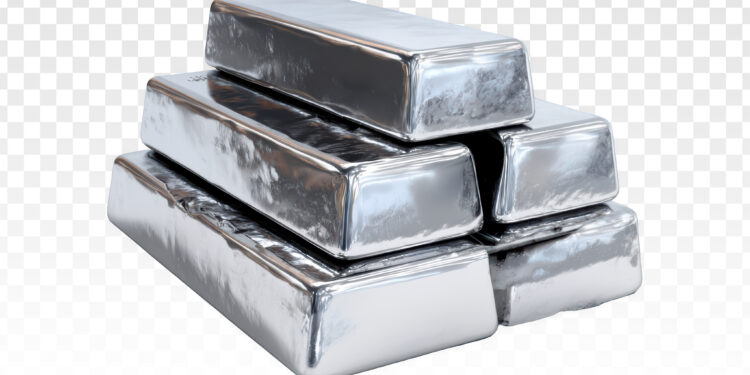
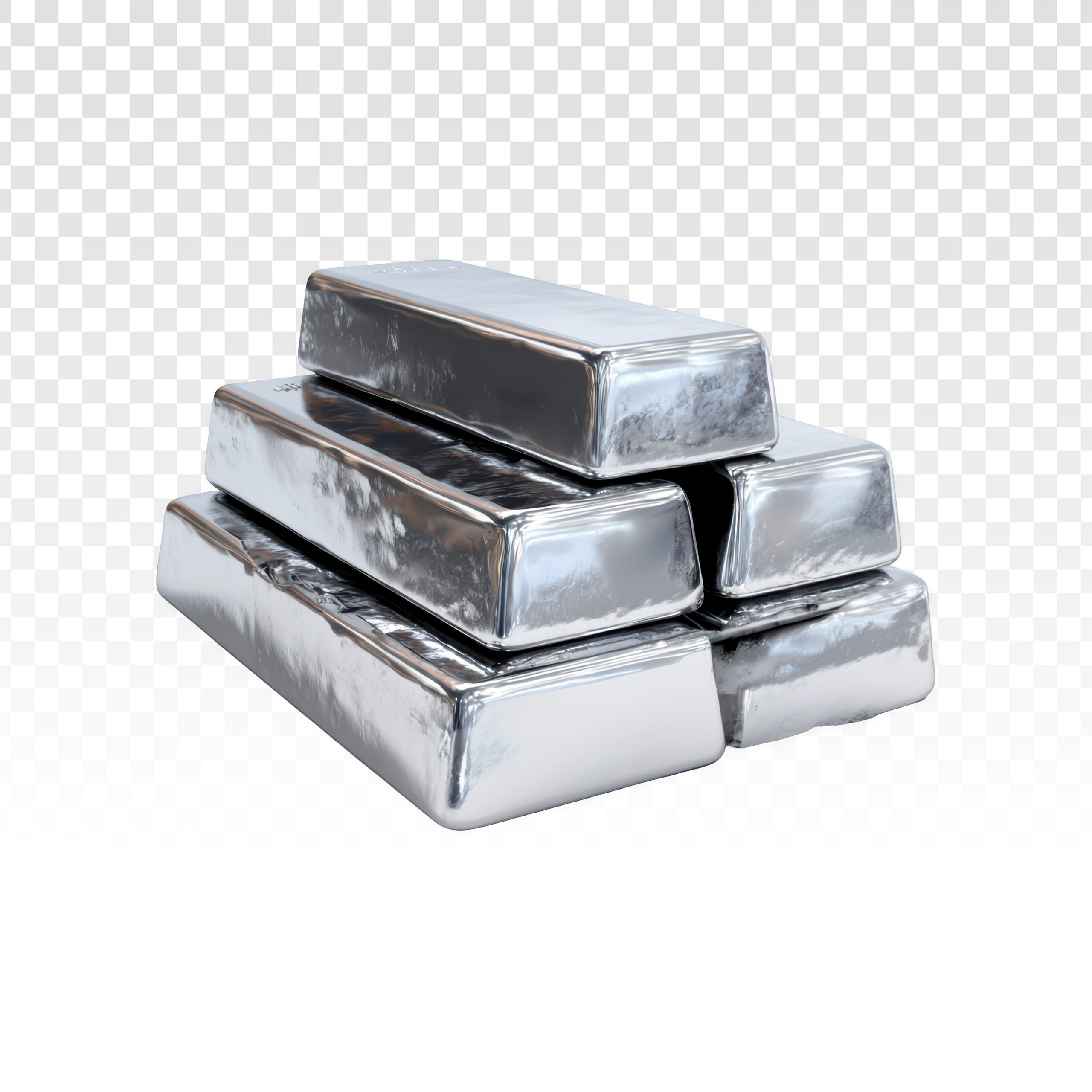
Silver bars can vary enormously in size, from small one-ounce pieces to substantial kilo and multi-kilo bars, yet the relationship between size and price is not always obvious to newer buyers. The spot value of the metal itself is only one part of what determines the final retail cost, because refining, manufacturing, packaging, transport and dealer margins all have to be covered as well. For people looking to buy silver bars online, this becomes particularly important because the premium paid above spot can differ sharply between a small bar and a much larger one, even when both contain the same purity of silver and come from reputable refiners.
The basic reason is simple: many of the costs involved in making and selling a bar do not increase in direct proportion to its weight. A one-ounce bar still has to be cast or struck, checked, marked, packaged, handled and listed for sale. A ten-ounce or one-kilogram bar goes through many of the same steps, but those costs are spread across far more silver. As a result, the manufacturing expense per ounce generally falls as the size of the bar increases.
Manufacturing Costs Matter More Than Many Buyers Realise
When people first compare bullion prices, it is easy to focus entirely on the value of the silver itself. In reality, a finished investment bar is a manufactured product. The silver has to be refined to the required purity, formed into a specific shape, stamped or cast with identifying marks, tested, weighed and prepared for distribution. Smaller bars often require proportionally more labour and handling for each ounce they contain.
Imagine two products from the same refiner: ten individual one-ounce bars and one ten-ounce bar. The total amount of silver is identical, but producing ten separate pieces means creating ten finished products rather than one. Each piece has to be handled, inspected and usually packaged separately. That additional work is reflected in the retail premium.
This is one reason larger bars are often favoured by buyers who want maximum silver exposure for a fixed budget. The more silver contained in a single product, the easier it becomes to spread those fixed manufacturing costs across the total weight. In percentage terms, the premium above spot can therefore become noticeably lower as bar size increases.
That does not mean every large bar is automatically cheap. Brand, availability, market conditions and dealer pricing still matter, but the general pattern remains: larger products often provide a lower cost per ounce than smaller equivalents.
Why Premiums Matter So Much
The premium is the amount paid above the underlying spot value of the silver. If the metal content of a bar is worth £500 at current market prices and the bar sells for £550, the £50 difference represents the premium and associated retail costs.
Premiums matter because they affect the price at which a buyer effectively enters the market. If silver rises slightly after purchase but the original premium was high, the holder may still be below break-even when selling. The metal price has to rise enough to overcome both the purchase premium and any spread between the dealer’s buying and selling prices.
Larger bars can reduce that hurdle. By paying a lower percentage premium, more of the buyer’s money is going directly towards the underlying silver rather than manufacturing and retail costs.
This is particularly relevant for people building substantial holdings. Saving even a small percentage on each ounce can become meaningful over tens or hundreds of ounces. Someone purchasing a single small bar may not notice the difference greatly, but larger investors often pay close attention to premium efficiency.
However, the cheapest premium should not be the only consideration. A very large bar may offer excellent value per ounce but create practical problems later, especially if the owner needs to sell only part of the holding.
Bigger Bars Bring a Trade-Off
The key disadvantage of larger silver bars is reduced flexibility. A one-kilogram bar has to be sold as a one-kilogram bar. If an investor only needs to release a small amount of cash, they cannot easily split it into smaller units.
This is where smaller bars have an advantage. Someone holding ten one-ounce bars can sell two or three while keeping the rest. A buyer with one large bar has less choice.
For that reason, many experienced bullion buyers do not necessarily choose one size exclusively. Instead, they may hold a mixture. Larger bars provide lower premiums and efficient accumulation, while smaller bars offer flexibility for resale.
That balance can be useful when building a long-term position. The bulk of a holding might consist of larger bars, while a smaller portion is kept in more divisible forms. This can create a practical compromise between cost efficiency and liquidity.
The same principle applies to emergency selling. Nobody buys bullion expecting to be forced into a sale at an inconvenient time, but circumstances can change. Having several smaller units available may make it easier to raise a limited amount of money without disposing of a substantial holding.
Storage Can Favour Larger Sizes
Storage is another area where larger bars can be more efficient. Ten individually packaged bars will usually take up more room than one bar containing the same total amount of metal.
As a silver holding grows, this becomes increasingly important. Silver is far less value-dense than gold, which means a relatively large volume of metal may be required to represent a significant investment. Efficient use of storage space therefore matters much sooner.
Larger bars are generally easy to stack and organise. Standardised shapes allow them to fit neatly into safes, secure boxes or professional storage facilities. Fewer individual items also mean less packaging and less time spent counting or organising the holding.
There is, however, another side to that efficiency. A large bar concentrates more value into one item. Losing or damaging access to one large bar can therefore have a bigger financial impact than losing one small piece from a diversified stack.
Security should consequently be considered alongside storage efficiency. Whether bullion is kept at home, in a bank facility or with a specialist vaulting provider, larger purchases deserve appropriate safeguards.
Brand and Recognisability Still Count
Size is not the only factor affecting resale. Bars from recognised refiners can be easier to sell because buyers and dealers are already familiar with their markings, purity standards and reputation.
An obscure large bar may carry a lower purchase premium but prove less attractive in the secondary market. A well-known smaller bar could potentially be easier to liquidate even if it cost slightly more initially.
This is why comparing bullion should involve more than simply calculating the cheapest price per ounce. Buyers should also consider who produced the bar, whether it is widely recognised and how readily dealers are likely to repurchase it.
Clear markings showing weight and purity are especially important. Most investment-grade silver bars are marked with their fineness, such as 999 or 999.9 silver, alongside the total weight.
Serial numbers may also appear on some products, particularly larger bars. These do not automatically make a bar more valuable, but they can add traceability and confidence.
Online Buying Makes Comparison Easier
One advantage of purchasing bullion through established online dealers is the ability to compare products quickly. A buyer can view different bar sizes side by side and calculate how much premium is being paid for each ounce.
This can reveal some interesting differences. A one-ounce bar may appear affordable because the total price is low, but its percentage premium could be relatively high. A ten-ounce or kilo bar requires more money upfront, yet each ounce may cost noticeably less.
Shipping should be included in this comparison. Silver is heavy, and delivery charges can affect the real cost significantly, especially for small orders.
A product that appears cheaper before shipping may not remain cheaper once postage, insurance and payment fees are added. The best comparison therefore uses the complete delivered cost rather than the headline price alone.
Bulk-order discounts may further influence the numbers. Some dealers reduce premiums when several bars are purchased at once, which can narrow the gap between small and large products.
There Is No Perfect Bar Size
The best size ultimately depends on what the buyer wants to achieve. Someone purchasing silver occasionally and working with a modest budget may find one-ounce or five-ounce bars practical. They provide accessibility and are easy to sell individually.
A buyer accumulating larger amounts over time may prefer ten-ounce bars because they offer a useful middle ground. They are substantial enough to achieve lower premiums while remaining relatively manageable for resale.
One-kilogram bars can appeal to more serious buyers who prioritise cost efficiency and storage. Larger industrial-style bars can reduce premiums even further but may be less convenient for private investors.
The cheapest cost per ounce is therefore not always the best answer. Flexibility, storage, liquidity and budget all need to be considered together.
For many buyers, a combination makes the most sense. Larger bars can form the core of the holding, while smaller pieces provide divisibility. That approach avoids paying high premiums across the entire collection without sacrificing too much flexibility.
The important thing is to understand why the prices differ. A small bar is not necessarily poor value simply because its premium is higher; the buyer is paying for additional manufacturing, packaging and convenience. Equally, a large bar is not automatically the best choice simply because its percentage premium is lower.
Ultimately, larger silver bars often provide better value per ounce because the fixed costs of producing and distributing bullion are spread across more metal. For buyers focused on building substantial holdings, that can translate into meaningful savings over time.
The decision still needs to fit the individual buyer. Budget, storage arrangements, likely resale needs and preferred product type should all influence the choice. By comparing the full cost rather than focusing solely on spot price or bar size, buyers can build a silver holding that is both cost-efficient and practical to manage.