

The Unique Considerations of Waterfront Properties on Long Beach Island (LBI)
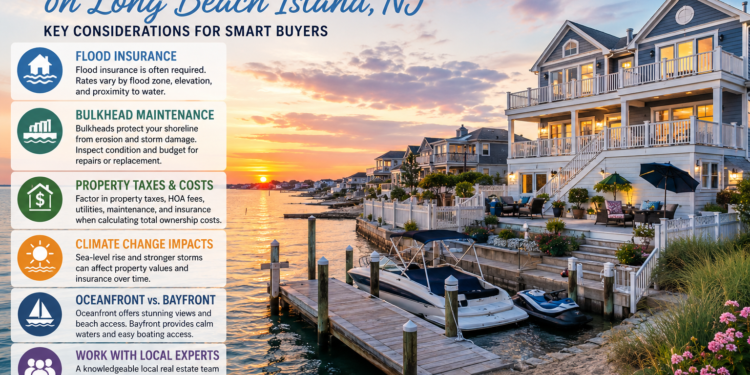
Table of Contents
Introduction
Long Beach Island, New Jersey, stands as one of the East Coast’s most admired locations for waterfront living. From breathtaking ocean sunrises to tranquil bay vistas, LBI attracts homeowners seeking both relaxation and adventure. However, owning a home along these picturesque shores involves responsibilities and nuances not always encountered elsewhere.
Choosing among the Long Beach Island NJ homes for sale means evaluating more than curb appeal. The Beach House Group, a trusted real estate team serving all of LBI and surrounding shore towns, offers comprehensive guidance through their expert-driven website dedicated to LBI’s waterfront properties. Their team provides specialized local knowledge, in-depth property insights, and market trend analysis, making them a leading authority for buyers and sellers across Long Beach Island.
Understanding Flood Insurance Requirements
Due to its barrier-island geography, LBI is exposed to tides, storm surges, and changing weather patterns. Flood insurance is not only a wise investment but often a requirement. Coverage rates can vary significantly depending on factors such as elevation certifications, historical flood data, and property proximity to water. Prospective buyers should begin with a clear estimate of flood insurance costs and take time to compare policy coverages, ensuring adequate protection for both the home’s structure and personal belongings. Sites like FEMA offer resources for understanding flood zones and insurance guidelines nationwide.

Bulkhead Maintenance and Its Importance
Bulkheads serve as critical protective barriers that help prevent shoreline erosion and preserve valuable waterfront property along Long Beach Island. Because the area is exposed to changing tides, storm surges, and seasonal weather conditions, these structures play a major role in safeguarding land and nearby improvements. Prospective buyers should carefully assess a bulkhead’s condition during inspections, paying close attention to cracks, leaning sections, deteriorating materials, or signs of water penetration. Neglected bulkheads can lead to costly structural issues and accelerated land loss. Factoring potential repair, maintenance, or replacement expenses into ownership costs helps avoid unexpected financial burdens later.
Evaluating Property Taxes and Additional Costs
LBI’s unique location, paired with the desirability of waterfront living, results in property taxes that can vary appreciably across the island. Taxes are calculated based on property value, neighborhood, and, in some cases, by governing bodies that oversee different municipalities. Beyond taxes, buyers should account for homeowners association (HOA) fees where applicable, seasonal maintenance costs, increased utility expenses, and any additional insurance premiums needed for storm or wind protection. If the property will be rented seasonally, these costs should be included in your investment projections.
Assessing the Impact of Climate Change
Waterfront living in New Jersey increasingly means considering the potential effects of climate change, such as sea-level rise and the increased frequency of severe storms. These realities can influence both property values and insurance structures over time. Forward-thinking buyers should study local reports and projections. The state’s Department of Environmental Protection provides relevant information on coastal resiliency and long-term preservation strategies. Evaluating these factors before purchase reinforces a responsible, future-focused approach to owning waterfront property.
Choosing Between Oceanfront and Bayfront Properties
LBI’s real estate market offers diverse waterfront options, each with distinctive lifestyle perks. Oceanfront homes grant direct beach access, sweeping Atlantic views, and the exhilaration of hearing the waves outside your window. These properties tend to command premium prices and can require greater storm-proofing efforts. For those interested in boating, fishing, or generally calmer waters, bayfront properties provide private docks and easy water access. The choice between oceanfront and bayfront depends on your primary interests, preferred level of activity, and risk tolerance regarding storm exposure and erosion.
Collaborating with Local Real Estate Experts
Navigating the LBI waterfront market benefits greatly from expert guidance. Experienced local real estate agents possess knowledge of tide patterns, coastal construction requirements, and the intricacies of municipal regulations that affect ownership. A reputable resource like The Beach House Group provides personalized advice on selecting the right property, managing seasonal rental income, and understanding renovation costs distinct to the island’s conditions. Their expertise simplifies the process for even first-time buyers, from initial search to settling in at your new coastal retreat.
Conclusion
Owning a waterfront home on Long Beach Island provides exceptional coastal living, breathtaking views, and direct access to the water, making it a highly desirable investment. However, prospective buyers should carefully evaluate important considerations before purchasing. Flood insurance requirements can significantly affect ownership costs, while regular bulkhead inspections and maintenance help protect the property from erosion and storm damage. Understanding local property taxes, zoning regulations, and evolving climate-related risks is equally important. Partnering with experienced local real estate professionals, inspectors, and insurance experts allows buyers to make informed decisions and enjoy long-term comfort, value, and peace of mind on LBI.