
The Best Custom Water Softener Systems to Save Your Plumbing
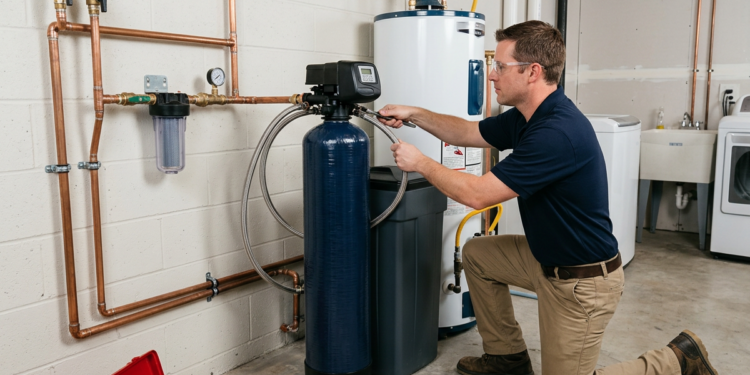
Table of Contents
- 1 What is a Custom Water Softener System?
- 2 Why Choose Custom Water Softener Systems Plumbing?
- 2.1 Feature Standard Off-the-Shelf Softener Custom Water Softener System Water Analysis Assumes average water conditions; no specific testing. Based on detailed water analysis, addressing unique contaminants. Sizing Limited pre-set capacities; often undersized or oversized. Precisely sized for household demand, flow rate, and hardness. Components Generic resin, basic control valve, few optional upgrades. Specific resin type, advanced control valve, specialized filters. Efficiency May overuse salt/water if not matched to actual usage. Optimized for minimal salt/water consumption with smart technology. Lifespan Varies, often shorter due to non-optimized components/usage. Extended lifespan due to tailored components and efficient operation. Problem Solving Addresses basic hardness; struggles with iron, chlorine, etc. Effectively tackles specific issues like iron, sediment, pH. Cost Lower initial cost, but higher long-term operating/repair costs. Higher initial investment, but significant long-term savings and ROI. Protecting Your Pipes and Appliances
- 2.2 Financial Savings on Energy and Soap
- 3 Sizing and Component Selection
- 4 Installation, Upgrades, and Maintenance
- 5 Frequently Asked Questions
- 6 Conclusion
What is a Custom Water Softener System?

These unseen minerals in your water can cause significant wear and tear on your entire plumbing system, leading to costly repairs and reduced efficiency. The good news is, you don’t have to live with hard water problems.
This comprehensive guide will introduce you to custom water softener systems. These aren’t just off-the-shelf units; they are tailored solutions designed to perfectly match your home’s unique water conditions and usage. Investing in effective solutions, like specialized Custom water softener systems plumbing, can save you money and headaches in the long run.
We will explore what makes these systems unique, how they work, and the many benefits they offer. By the end, you’ll have a clear understanding of how to choose the ideal custom water softener to protect your home and improve your water quality.
A custom water softener system is a water treatment solution specifically designed and configured to address the unique water quality challenges of a particular home or business. Unlike standard, off-the-shelf models that offer a one-size-fits-all approach, custom systems are built from the ground up, considering factors like water hardness levels, flow rate requirements, water chemistry (e.g., presence of iron, manganese, sediment), and household water consumption.
The key difference lies in the level of customization. While a standard softener might come in a few pre-set capacities, a custom system allows for the selection of specific tank sizes, resin types, control valves, and additional filtration components. This tailored approach ensures optimal efficiency, longer lifespan, and superior performance compared to a generic unit that may be either undersized, oversized, or simply not equipped to handle specific contaminants beyond basic hardness. For instance, specialized manufacturers like BWS offer a nearly unlimited combination of equipment and treatment media, allowing for truly personalized solutions that can tackle a wide array of water issues from hardness to arsenic. Similarly, industrial-grade custom systems, such as the CustomCare C42 Series, can be configured with capacities up to 1,200,000 grains per tank and peak flow rates of 280 gallons per minute, demonstrating the immense flexibility and power available in custom designs.

How Ion Exchange Works in Custom Water Softener Systems Plumbing
At the heart of most custom water softeners is the ion exchange process. This technology is incredibly effective at removing the “hardness” minerals—primarily calcium and magnesium—that are responsible for scale buildup and other hard water problems.
Here’s how it works:
- Mineral Removal: Hard water flows into the softener’s mineral tank, which contains thousands of tiny, negatively charged resin beads.
- Ion Exchange: These resin beads are pre-charged with positively charged sodium ions. As hard water passes over the resin, the calcium and magnesium ions (which have a stronger positive charge) are attracted to the resin beads, effectively “swapping places” with the sodium ions.
- Softened Water: The calcium and magnesium ions are trapped by the resin, and the water, now free of these hardness minerals, flows out of the tank and into your home. This process is highly efficient and forms the basis of effective water softening. For a deeper dive into how this technology is integrated into custom designs, exploring resources like Water Softener Plus’s guide on custom ion exchange softeners can be very insightful. Understanding the mechanisms of your home’s Water Softener is crucial for ensuring its long-term performance.
- Regeneration: Over time, the resin beads become saturated with calcium and magnesium and can no longer attract new hardness ions. At this point, the system initiates a “regeneration” cycle. During regeneration, a brine solution (saltwater) is flushed through the resin tank. The concentrated sodium ions in the brine solution “force” the calcium and magnesium ions off the resin beads. These displaced hardness minerals are then rinsed down the drain, and the resin beads are recharged with sodium ions, ready to soften water again.
This cyclical process ensures a continuous supply of soft water, protecting your plumbing and appliances from the damaging effects of hard water.
Resin Types: 8% vs. 10% Cross-Link and Fine Mesh
The type of resin used in a custom water softener is a critical factor in its performance, durability, and suitability for specific water conditions. The most common types are differentiated by their cross-link percentage and bead size.
- 8% Cross-Link Resin: This is the industry standard and most widely used resin. It offers a good balance of ion exchange capacity and durability. For most city water applications, which typically have lower levels of chlorine and iron, an 8% cross-link resin can last 20-25 years, especially if the water isn’t pre-softened. It’s generally more cost-effective than higher cross-link resins.
- 10% Cross-Link Resin: This resin has a higher percentage of cross-linking, meaning its polymer structure is more tightly bound. This makes it more resistant to degradation from chlorine and other oxidizers often found in municipal water supplies. While it offers enhanced durability, it typically has a slightly lower ion exchange capacity per volume compared to 8% resin and can be 30-50% more expensive. For many residential applications, the added cost might not be justified unless water conditions are particularly harsh (e.g., very high chlorine).
- Fine Mesh Resin: This resin features smaller beads than standard resins, which increases the surface area for ion exchange. Fine mesh resin is particularly effective for well water applications, especially when iron is present. The smaller beads can capture iron more efficiently, preventing it from fouling the resin and reducing its lifespan. However, systems using fine mesh resin often require an upper flow basket to prevent the smaller beads from being flushed out during backwash cycles. When building a custom system, like those offered by Fleck, you can often choose specific resin types to match your needs.
Choosing the right resin type is a key aspect of customizing your water softener to ensure it performs optimally and lasts for many years, directly addressing the unique composition of your water supply.
Why Choose Custom Water Softener Systems Plumbing?
Opting for a custom water softener system goes beyond simply getting soft water; it’s an investment in your home’s infrastructure, your family’s well-being, and significant long-term savings. While standard units offer some benefits, a custom-tailored system ensures maximum efficiency and effectiveness, precisely matching your household’s unique demands.
Here’s a comparison to highlight the advantages:
Feature Standard Off-the-Shelf Softener Custom Water Softener System Water Analysis Assumes average water conditions; no specific testing. Based on detailed water analysis, addressing unique contaminants. Sizing Limited pre-set capacities; often undersized or oversized. Precisely sized for household demand, flow rate, and hardness. Components Generic resin, basic control valve, few optional upgrades. Specific resin type, advanced control valve, specialized filters. Efficiency May overuse salt/water if not matched to actual usage. Optimized for minimal salt/water consumption with smart technology. Lifespan Varies, often shorter due to non-optimized components/usage. Extended lifespan due to tailored components and efficient operation. Problem Solving Addresses basic hardness; struggles with iron, chlorine, etc. Effectively tackles specific issues like iron, sediment, pH. Cost Lower initial cost, but higher long-term operating/repair costs. Higher initial investment, but significant long-term savings and ROI. Protecting Your Pipes and Appliances
One of the most compelling reasons to choose a custom water softener is the unparalleled protection it offers to your home’s plumbing and water-using appliances. Hard water minerals, primarily calcium and magnesium, are notorious for forming scale buildup. This scale adheres to the inside of pipes, reducing water flow and eventually leading to blockages and pipe corrosion.
For appliances like water heaters, dishwashers, washing machines, and coffee makers, scale buildup is a silent killer. It reduces efficiency by creating an insulating layer, forcing appliances to work harder and consume more energy. For instance, in gas water heaters, soft water can lead to 23% less energy consumption, saving an average of $115.50 annually. This buildup also causes premature wear and tear, significantly shortening the lifespan of these expensive household items.
A custom water softener precisely calibrated to your water’s hardness and flow ensures that your entire system receives consistently soft water. This prevents scale formation, keeps pipes clear, and allows your appliances to operate at peak efficiency for years longer. When considering a Water Softener Replacement, upgrading to a custom system can be a smart move to safeguard your home’s infrastructure.
Financial Savings on Energy and Soap
Beyond protecting your plumbing, a custom water softener delivers tangible financial benefits that accumulate over time. The statistics speak for themselves: a water softener can save over $500 per year on soap, detergent, and energy with soft water versus hard water.
- Reduced Energy Consumption: As mentioned, soft water prevents scale buildup in water heaters. This means your water heater doesn’t have to expend extra energy to heat water through layers of mineral deposits. This translates directly into lower utility bills, particularly for hot water usage.
- Lower Soap and Detergent Usage: Hard water reacts with soap to form soap scum, which means you need to use more soap to achieve lather and cleaning effectiveness. With soft water, soap lathers easily and cleans more efficiently, allowing you to cut down on the amount of laundry detergent, dish soap, shampoo, and body wash you use by up to 75%. This not only saves money but also reduces the amount of chemicals entering your wastewater system.
- Appliance Longevity: By preventing scale damage, your custom water softener extends the life of your appliances, delaying costly replacements. This includes everything from your washing machine and dishwasher to smaller items like coffee makers and humidifiers.
These savings quickly add up, often offsetting the initial investment in a custom system over just a few years. Explore our range of Category/Water Softeners to find out more about how these systems can benefit your household budget.
Sizing and Component Selection
Proper sizing and careful component selection are paramount for a custom water softener system to perform effectively and efficiently. This isn’t a one-size-fits-all process; it requires understanding your specific water conditions and household demands. Leading manufacturers, such as Pure Aqua, Inc., emphasize that standardized water treatment systems often fail to address unique issues, necessitating custom engineering for optimal results.

Sizing Custom Water Softener Systems Plumbing for Household Needs
Sizing a water softener correctly involves calculating the appropriate grain capacity, determining the required flow rate, and estimating your daily water usage.
- Water Hardness: The first step is to get an accurate water test. This will tell you your water’s hardness level, typically measured in grains per gallon (GPG). Calcium and magnesium cause hard water in 90% of U.S. homes, making this measurement crucial.
- Daily Water Usage: Estimate how much water your household uses daily. A general rule of thumb is 75 gallons per person per day. Multiply this by the number of people in your household.
- Grain Capacity Calculation: To find the daily grain removal requirement, multiply your daily water usage (in gallons) by your water hardness (in GPG). For example, a family of four using 300 gallons/day with 10 GPG hardness needs to remove 3,000 grains daily (300 gallons * 10 GPG).
- Regeneration Cycle: Water softeners need to regenerate periodically. You want a system with enough capacity to go several days between regenerations, ideally every 3-7 days, to maximize efficiency and minimize salt and water waste. Multiply your daily grain removal by your desired regeneration interval to find the total grain capacity needed. For instance, if you need to remove 3,000 grains daily and want to regenerate every 4 days, you’d need a softener with at least 12,000 grains of capacity.
- Flow Rate: This refers to the maximum amount of water (in gallons per minute, GPM) that can flow through your plumbing system simultaneously without a significant drop in pressure. A custom softener should be able to handle your peak flow demands to avoid issues like reduced shower pressure when the dishwasher is running. This is determined by the size of the control valve and the mineral tank.
By carefully considering these factors, you can select a system with the right capacity and tank size, such as a 48K grain model, ensuring a continuous supply of soft water for your entire home. For instance, a 48K grain system is typically suitable for larger households or those with very hard water, providing ample capacity between regeneration cycles. For specific product details, you can refer to resources like our Product Page/Sentry 48K Grain Water Softener Includes 1St Salt Fill Swap Out Only.
Smart Control Valves and Advanced Features
Modern custom water softeners are equipped with sophisticated control valves and smart features that significantly enhance efficiency, convenience, and performance. These advanced components set custom systems apart from basic models.
- Demand-Initiated Regeneration (DIR): This is a crucial feature for efficiency. Instead of regenerating on a fixed timer (which can lead to wasted salt and water if usage varies), DIR systems monitor actual water usage. They only regenerate when the resin beads are nearing exhaustion, ensuring salt and water are used optimally.
- WiFi Connectivity: Many high-end custom softeners now offer WiFi capabilities, allowing you to monitor your system’s performance, receive alerts (e.g., low salt levels), and even control settings remotely via a smartphone app. This provides unparalleled convenience and peace of mind.
- Learning Technology: Some of the most advanced systems incorporate “learning technology” that observes your household’s water usage patterns over time. This allows the softener to predict demand and optimize regeneration cycles even further, minimizing salt and water waste. Rheem’s learning technology, for example, is designed to adapt to your family’s habits.
- Flow Meters: Integrated flow meters precisely measure the amount of water processed, enabling accurate demand-initiated regeneration and helping to track water consumption.
- Diagnostic Displays: Advanced control valves, like those found in the MSE PRO 2000L custom softeners, often feature multiple display diagnostics, providing real-time information about system status, error codes, and regeneration history.
- High-Efficiency Brining: Some systems use proportional upflow brining, which can significantly reduce salt and water consumption during regeneration. Hague Quality Water softeners, for instance, are known for using up to 50% less salt and up to 80% less water than traditional systems due to their innovative designs.
These smart features not only make your water softener more efficient and easier to manage but also contribute to greater savings on salt and water, further enhancing the return on your investment.
Installation, Upgrades, and Maintenance
A custom water softener system is a significant investment that requires proper installation, potential upgrades for comprehensive water treatment, and regular maintenance to ensure its longevity and optimal performance.

Professional Installation vs. DIY
While some homeowners might consider a DIY approach for standard water softener installation, custom systems often involve more complex plumbing, electrical connections, and system calibration.
- Professional Installation: We highly recommend professional installation for custom water softeners. Experienced technicians understand local plumbing codes, can properly integrate the system into your home’s main water line, and ensure all components are correctly configured for your specific water conditions. This prevents potential leaks, ensures optimal flow rates, and guarantees the system operates at peak efficiency from day one. For intricate plumbing work and precise system integration, relying on experts who specialize in Custom water softener systems plumbing is invaluable. Furthermore, professional Water Softener Installation ensures that your warranty remains valid and any future service needs are covered.
- Risks of DIY: Incorrect installation can lead to costly issues, including water leaks, damage to the softener or plumbing, inefficient operation (wasting salt and water), and even voiding the manufacturer’s warranty. The complexities of custom setups, which might include multiple tanks, specialized pre-filters, or advanced control valves, often exceed the average homeowner’s plumbing expertise.
Additional Upgrades and Components
Custom water softeners can be integrated with various additional components to provide a more comprehensive water treatment solution:
- Pre-filters: Installed before the softener, pre-filters remove sediment, dirt, and other large particles that could otherwise clog the resin bed, reducing the softener’s efficiency and lifespan. This is especially important for well water supplies.
- UV Filters: For well water or concerns about microbiological contaminants, a UV (ultraviolet) filter can be added post-softener. UV light effectively sterilizes bacteria, viruses, and cysts without using chemicals.
- Carbon Filters: If chlorine or chloramines are present in your municipal water supply (which can degrade resin over time), a whole-house carbon filter can be installed before the softener to remove these chemicals, protecting the resin and improving water taste and odor.
- Salt-Free Conditioners: While not true softeners (they don’t remove hardness minerals), these conditioners alter the mineral structure to prevent scale from adhering to surfaces. They can be used as an alternative or in conjunction with a softener in specific scenarios, particularly if salt discharge is a concern.
- Bypass Valves: Essential for any softener system, a bypass valve allows you to divert water around the softener for maintenance or if the system needs to be taken offline without interrupting your home’s water supply.
Long-Term Maintenance and Lifespan
Custom water softeners are designed for durability, but like any appliance, they require routine maintenance to ensure a long and effective lifespan.
- Salt Usage: The most frequent maintenance task is replenishing the salt in the brine tank. The type of salt (pellets, crystals, or blocks) and frequency depend on your water hardness, usage, and the softener’s efficiency. Always use high-quality salt specifically designed for water softeners to prevent bridging or mushing in the tank.
- Regeneration Cycles: Ensure your system’s regeneration settings are appropriate for your water usage and hardness. Smart control valves with demand-initiated regeneration will optimize this automatically, but periodic checks are still beneficial.
- Resin Cleaning: Over time, especially with well water containing iron, the resin beads can become fouled. Iron-specific cleaners can be added to the brine tank to help maintain resin efficiency.
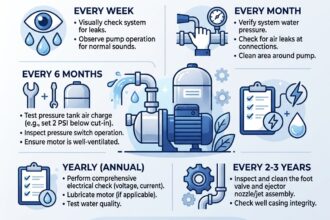
- System Checks: Periodically inspect the system for leaks, unusual noises, or changes in water quality. Regular professional Water Softener Maintenance can catch minor issues before they become major problems. If you notice issues, prompt Water Softener Repair can prevent further damage.
- Professional Inspections and Tune-Ups: Scheduling annual Water Softener Inspection and Water Softener Tune Ups by a qualified technician can extend your system’s life, ensure optimal performance, and identify any components nearing the end of their service life.
The lifespan of a custom water softener can vary significantly. While the industry standard for replacement is typically every 10 years, well-maintained systems with high-quality components can last much longer. Some systems, particularly those with durable 8% cross-link resin on city water, can last 20-25 years. Certain high-end systems are even reported to last up to 30 years with proper care. Factors affecting lifespan include water quality, usage, maintenance frequency, and the quality of the initial components.
Frequently Asked Questions
Understanding custom water softener systems often leads to several common questions. Here, we address some of the most frequent inquiries to help you make an informed decision.
How much do custom water softeners cost?
The cost of a custom water softener system can vary widely due to the personalized nature of these solutions. Generally, you can expect a higher initial investment compared to basic, off-the-shelf models, but this is often offset by greater efficiency, longer lifespan, and reduced operating costs.
- Price Range: For residential custom systems, prices typically range from $1,500 to $6,000 or more, including installation. This range accounts for variations in grain capacity, resin type, control valve sophistication (e.g., smart features, WiFi), additional filtration components (e.g., pre-filters, carbon filters, UV filters), and labor costs for professional installation.
- Factors Influencing Price:
- Grain Capacity: Larger capacities (needed for harder water or larger households) will increase the cost.
- Resin Type: Higher quality or specialized resins (e.g., 10% cross-link, fine mesh for iron) are more expensive.
- Control Valve: Advanced control valves with demand-initiated regeneration, WiFi connectivity, or learning technology add to the price.
- Additional Components: Integrating pre-filters, UV lights, or whole-house carbon filters will increase the total system cost.
- Installation Complexity: Factors like existing plumbing, location of the main water line, and any necessary modifications can influence labor costs.
- Brand and Warranty: Reputable brands often come with better warranties and customer support, which can be reflected in the price.
While the upfront cost might seem substantial, remember to consider the long-term savings on energy, soap, appliance longevity, and the overall improvement in your home’s water quality.
Can a custom system handle high iron or well water issues?
Absolutely. This is one of the primary advantages of a custom water softener system over a standard model. Well water, in particular, often presents a complex mix of contaminants beyond just hardness, including high levels of iron, manganese, sulfur, and sediment. Municipal water, while treated, can also have higher-than-average iron or chlorine levels in certain regions.
A custom system can be specifically designed to address these challenges:
- High Iron: For water with elevated iron levels (ferrous iron), a custom softener can incorporate:
- Fine Mesh Resin: As discussed, fine mesh resin has smaller beads that are more effective at capturing iron ions, preventing them from staining fixtures and fouling the resin bed.
- Iron-Specific Resins: Some specialized resins are designed with a higher tolerance for iron, extending the softener’s efficiency and lifespan in iron-rich water.
- Pre-filtration: An iron filter (e.g., an air injection system or a dedicated iron removal media filter) can be installed before the water softener to remove oxidized iron, protecting the softener’s resin and enhancing overall performance.
- Sediment Filtration: Well water often contains sediment (sand, silt, rust particles). A custom system will almost always include a robust sediment pre-filter to remove these particles before they reach the softener, preventing clogging and damage to the resin.
- Other Well Water Contaminants: For issues like manganese, sulfur (rotten egg smell), or even certain bacteria, a custom water treatment plan might involve additional stages such as:
- Oxidation Filters: For manganese and sulfur removal.
- UV Sterilizers: To eliminate bacteria and viruses.
- Specialty Media: Specific media can be incorporated into tanks to address particular contaminants.
By analyzing your water and designing a system with the appropriate resin, pre-filters, and additional treatment stages, a custom water softener can effectively tackle even the most challenging well water or high-iron conditions, delivering clean, soft water throughout your home.
How long do custom water softeners last?
The lifespan of a custom water softener system is a significant consideration, and it’s generally longer than that of many standard, off-the-shelf units, primarily due to the quality of components and optimized performance.
- Industry Standard: The industry standard for water softener replacement is typically every 10 years. This is a good benchmark for many systems.
- High-Quality Components and Resin: Custom systems often utilize higher-grade components, including durable control valves and premium resins. For example, high-capacity 8% cross-link resin, when used with city water that isn’t pre-softened, can last an impressive 20-25 years. This is a testament to the quality and resilience of specialized resins.
- Brand Longevity: Some manufacturers are known for exceptional durability. Certain systems, for instance, are advertised to last up to 30 years with proper maintenance. Aquasana whole-house systems, while not always traditional softeners, are designed to last for 1,000,000 gallons or up to 10 years.
- Factors Affecting Lifespan:
- Water Quality: The harsher your incoming water (e.g., very high hardness, iron, chlorine), the more wear and tear on the resin and components. A custom system designed for these conditions will inherently last longer than an ill-suited standard unit.
- Usage Volume: Higher daily water consumption means more frequent regeneration cycles, which can accelerate wear.
- Maintenance: Regular maintenance, including consistent salt replenishment, proper regeneration settings, and periodic professional tune-ups, is crucial for maximizing lifespan. Neglecting maintenance is a surefire way to shorten a system’s life.
- Component Quality: The durability of the control valve, tanks, and internal parts directly impacts how long the entire system will function reliably. Custom systems typically allow for the selection of more robust, commercial-grade components.
With proper selection, professional installation, and diligent maintenance, a custom water softener system is a long-term investment that can reliably provide soft water for decades, offering excellent value over its extended service life.
Conclusion
The journey to understanding custom water softener systems reveals that they are far more than just appliances; they are precisely engineered solutions tailored to your home’s unique needs. From protecting your valuable plumbing and appliances to delivering tangible financial savings on energy and soap, the benefits of a customized approach are clear and compelling.
We’ve explored how ion exchange technology efficiently removes hardness minerals, the critical role of choosing the right resin for your water type, and the importance of precise sizing based on your household’s demands. The advent of smart control valves with features like demand-initiated regeneration and WiFi connectivity further enhances efficiency and convenience, making these systems a truly modern solution for an age-old problem.
While the initial investment in a custom system might be higher than an off-the-shelf model, the long-term savings, extended appliance lifespan, and superior water quality make it a wise decision for any homeowner battling hard water. Moreover, the ability of custom systems to effectively tackle complex issues like high iron and specific well water contaminants ensures that your water treatment is comprehensive and robust.
The first step towards enjoying the benefits of soft water is to understand your current water quality. We encourage you to get your water tested to determine its unique characteristics. With that information, you can then explore personalized recommendations for a custom water softener system that will provide years of reliable service and protect your home’s plumbing infrastructure. For expert guidance and professional Water Softener Installation, consult with specialists who can help design and implement the perfect system for your home.