
Signs Your Outdoor Surfaces Need Resealing Sooner Than You Think
Outdoor surfaces such as patios, driveways, and walkways are constantly at war with the elements. Sun, rain, and seasonal changes all contribute to the gradual wear of protective coatings, leading to premature deterioration. Without proper resealing, these surfaces lose both their beauty and their resilience, resulting in higher repair costs and a shorter lifespan. According to this guide to paver sealing, regular maintenance is crucial for keeping these investment areas in top shape and protected from harsh weather and everyday use.
Early intervention is key to preserving your outdoor spaces. Even high-quality surfaces can begin to show signs of neglect sooner than expected if not properly maintained. Resealing serves as an important barrier against moisture, stains, fading, and even weed growth, and knowing when to reapply can make all the difference.
Table of Contents
Fading or Dull Appearance
One of the earliest signs that your outdoor surfaces need resealing is a noticeable loss of color and vibrancy. Over time, exposure to ultraviolet rays and varying weather conditions can strip surfaces like pavers and stamped concrete of their original luster. If your vibrant brick patio now looks dull or washed out, it’s a clear signal that the protective layer has broken down. Resealing not only restores that fresh, inviting look but also shields against further fading and erosion.
Water Absorption
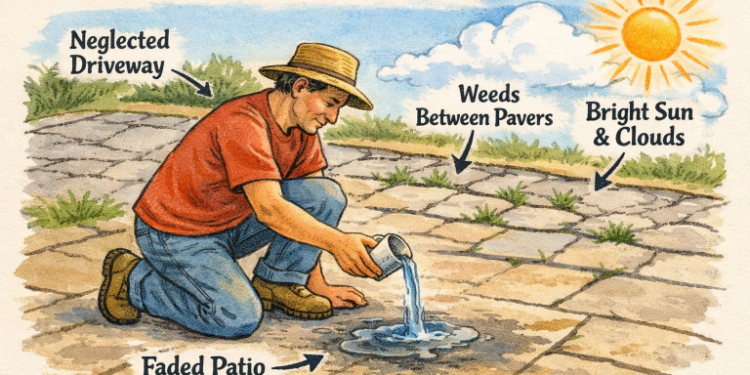
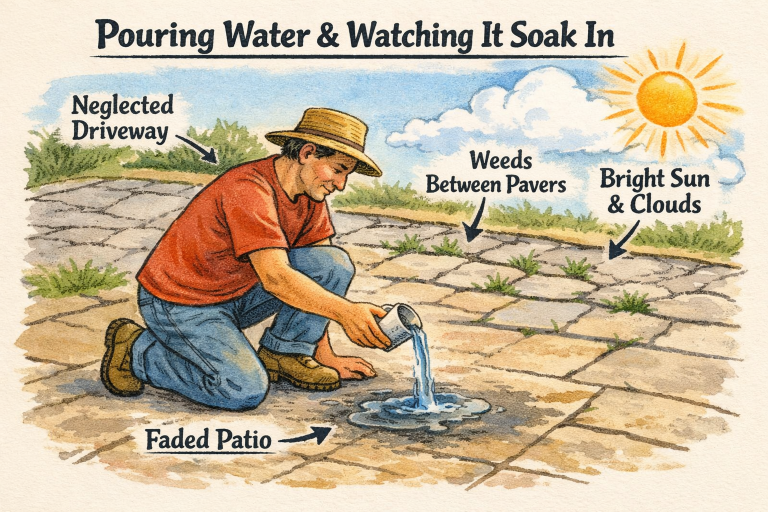
An effective sealant should repel water, causing droplets to bead on the surface rather than soak in. If you pour water onto your deck or patio and it quickly disappears into the material, the old sealant is no longer up to the task. This can expose your outdoor areas to moisture penetration, increasing the risk of cracking, mold growth, and damage from freeze-thaw cycles in colder climates. Proper resealing helps to restore water resistance and protect your investment for years to come.
Increased Staining
Sealed outdoor surfaces are designed to resist oil, food spills, leaf marks, and other common stains. However, if you find yourself scrubbing harder to lift marks or battling discoloration that simply won’t go away, a lack of effective sealant is likely to blame. Surface sealing makes cleaning easier and prevents deep-set stains that can permanently mar your patio or driveway. Addressing this issue early helps preserve your home’s curb appeal and saves time on routine maintenance.
Surface Roughness or Texture Changes
Well-maintained surfaces should feel smooth and pleasant underfoot. When you begin to notice rough spots, splintering, or a gritty texture, sealant breakdown is often the cause. The loss of this crucial barrier can lead to material degradation and, eventually, structural issues. Fixing the problem early by resealing prevents a slippery surface and ensures a comfortable, safe environment for all your outdoor activities and gatherings.
Growth of Weeds or Moss Between Pavers
The presence of weeds, moss, or even grass emerging between paver joints is a major red flag. Properly applied sealants help stabilize sand in these joints and prevent unwanted growth. If stubborn greenery reappears, joint protection has lapsed, and resealing is due. Restoring the seal helps minimize ongoing maintenance and preserves the neat, tidy look of your hardscape areas.
Cracks and Surface Damage
Cracks or chips in your concrete, brick, or stone are urgent indicators that moisture has infiltrated the surface. Once this happens, small problems can quickly escalate into widespread damage, particularly in regions that experience rapid weather changes. Resealing introduces a protective barrier that helps prevent further deterioration by keeping moisture out and maintaining the structural integrity of your outdoor living spaces.
Loss of Gloss or Shine
Many modern sealants are designed to provide a glossy, wet-look finish that dramatically enhances outdoor aesthetics. If you observe a loss of shine or a powdery residue forming on the surface, the sealant has likely degraded beyond effective use. Resealing revives the desired finish and reestablishes a protective coat that keeps your surfaces looking crisp and clean.
Time Since Last Sealing
Even if your surfaces appear fine, industry recommendations suggest resealing every 2 to 5 years, depending on material type and exposure to the elements. Delaying regular maintenance can leave your surfaces vulnerable, even if other warning signs have not appeared yet. Scheduling periodic resealing can help you avoid sudden repair costs and ensure continuous protection.
Final Thoughts
Routine inspection and prompt resealing are essential steps in safeguarding your outdoor surfaces. By recognizing and acting on early warning signs such as fading, water penetration, or texture changes, you can extend the life and beauty of your patios, driveways, and walkways. For more information on outdoor maintenance, the experts at Family Handyman offer excellent guidance on protecting concrete surfaces.