

How Smart Presentation Design Tools Are Streamlining Modern Workflows
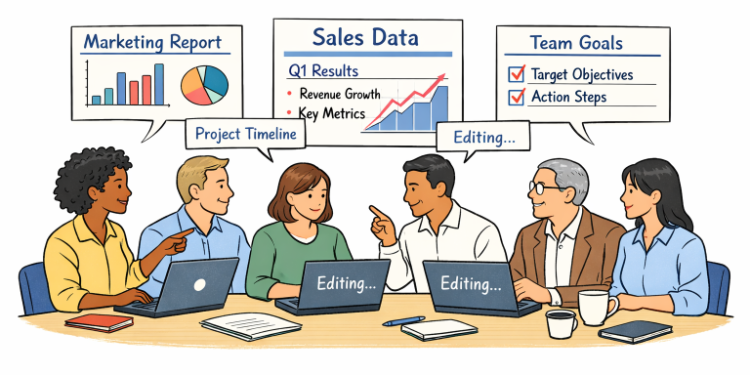
In today’s fast-paced business environment, companies demand tools that enable seamless collaboration and productivity. This is especially true when creating impactful presentations on tight deadlines. Modern slides generator platforms are redefining the creation process, enabling businesses to produce visually impressive, data-driven presentations faster and with improved accuracy. These smart tools not only automate tedious design tasks but also foster greater teamwork and communication for remote and in-person teams alike.
Streamlined presentation workflows empower teams to spend less time on formatting and more time refining their message and engaging stakeholders. Whether it is automatic design assistance or frictionless device sharing, the new generation of presentation software has become essential for businesses seeking to stay competitive. The move to smarter, AI-powered tools is transforming how organizations create, collaborate on, and deliver their most important ideas.
Table of Contents
The Shift to Cloud-Based Collaboration
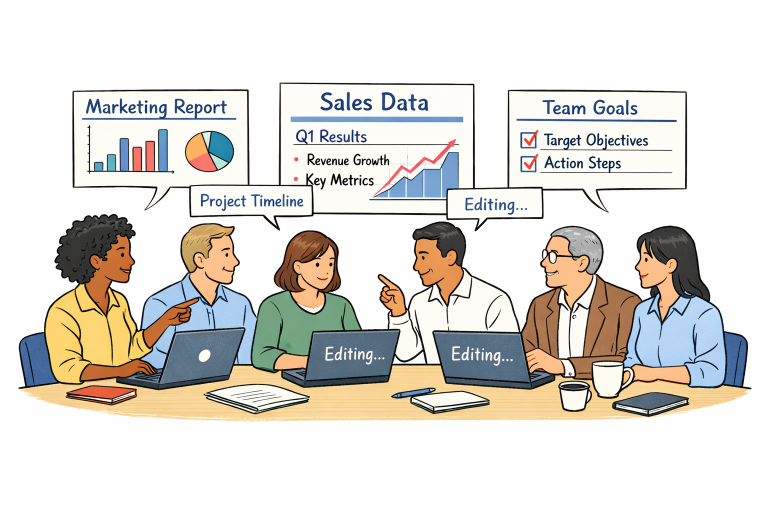
Traditional presentation creation often relied on desktop software, where project files circulated by email, leading to confusion and duplicate versions. Cloud-based presentation tools have dramatically improved this process. Now, multiple users can edit, comment, and view updates instantly in a shared space. This approach maintains team alignment throughout project development, making it easy to update slides with the latest content and feedback. Because everything is stored online, projects become accessible from any location and device, supporting hybrid and remote work environments.
Cutting-edge platforms offer features that track changes, display version history, and provide robust permission controls. This ensures sensitive content stays secure, while collaborators always work from the latest version. By eliminating barriers to sharing and updating files, teams accelerate the entire presentation workflow.
AI-Powered Design Assistance
Design is often the most challenging part of creating presentations, especially for non-designers. AI-powered tools are revolutionizing this stage with intelligent automation. These platforms analyze slide content and instantly suggest visual relevance to presentation color schemes, images, and icons tailored to the narrative. This removes the burden of manual formatting, allowing presenters to focus on effective storytelling and message clarity.
Some systems go further by recommending data visualizations based on the information added, creating consistent branding with logo and color extraction, and even reviewing slides for accessibility best practices. With AI guiding much of the visual process, users can deliver polished, professional presentations regardless of design experience.
Seamless Integration with Other Tools
Modern presentation tools rarely exist in isolation. Integration with critical business applications, like spreadsheets for live data charts, project management tools for real-time timelines, or video hosting platforms for multimedia, lets presentation decks pull in up-to-date content from across the organization. This not only saves time transferring information between apps but also ensures data accuracy and presentation relevance.
Unifying core workflow systems through integrations (such as with Slack or Microsoft Teams) enhances efficiency. For instance, teams can receive comment notifications, assign tasks, or attach relevant documents directly within their presentation platform without switching contexts. According to Forbes, these connected workflows drastically reduce manual work and miscommunication across departments.
Enhanced Accessibility and Version Control
With presentations stored in the cloud, teams enjoy unhindered access from anywhere in the world. This universal availability is a game-changer for geographically dispersed or hybrid teams. Built-in version history lets users see who made changes, track a slide’s evolution, and roll back to previous versions as needed. This level of transparency not only reduces the risk of lost information but also promotes accountability in collaborative projects.
Because everything syncs in real time, there is no more losing work to accidental overwrites or spending unnecessary hours merging edits from different team members. This streamlined access controls the chaos of past presentation processes.
Real-Time Feedback and Iteration
Continuous improvement and stakeholder input are vital for effective presentations. Smart tools now incorporate real-time feedback features, allowing direct annotations and comments within decks. Reviewers and managers can highlight changes, offer suggestions, or ask questions precisely where they are needed.
This fast feedback loop speeds up the revision process. Rather than waiting for extensive review cycles, teams can quickly implement changes in response to suggestions and keep projects moving forward. According to Harvard Business Review, real-time communication drastically reduces delays and boosts project outcomes.
Data-Driven Insights for Continuous Improvement
Beyond basic design and collaboration, advanced presentation software provides analytics that help teams understand the impact of their presentations. Metrics such as audience engagement levels, time spent per slide, and feedback ratings guide presenters in refining their message for maximum resonance. With this data, teams can pinpoint which sections resonate most and adjust future decks accordingly, fostering a culture of continuous improvement across the organization.
Conclusion
Adopting smart presentation design tools allows businesses to create better presentations, collaborate more effectively, and make data-driven decisions about content delivery. These tools, through their integration with cloud-based platforms, AI innovations, and workflow connectivity, are raising the bar for communication and productivity. As organizations continue to embrace digital transformation, smart presentation tools remain integral in aligning teams and helping them deliver their best ideas in a dynamic, engaging way.