
How to Choose the Best Deck Materials for Your Outdoor Space
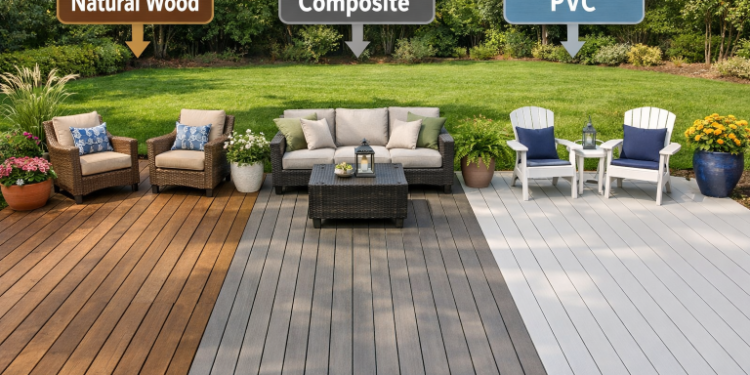
Designing an outdoor area that feels both welcoming and long-lasting begins with selecting the appropriate deck materials. Each decision influences the appearance, durability, and the amount of upkeep your investment will require. Homeowners seeking professional guidance may consider working with a local deck builder to ensure the project meets their standards and expectations. Understanding the wide array of available materials and how each performs can help you create a space that suits your needs and lifestyle.
A thoughtfully designed deck offers more than just additional living space. Choosing the right material ensures minimal maintenance and extends the life of your investment, making outdoor gatherings enjoyable for years to come. Before diving into specific options, it’s important to take a holistic view of your outdoor environment, daily use, and long-term goals. For those considering multiple design options or replacements, it’s wise to familiarize yourself with the variety of decks available to meet different aesthetic and functional needs.
Along with personal preferences, best practices for deck material selection involve recognizing the influence of climate, understanding cost factors, and evaluating the environmental impact of forward-thinking projects. Comprehensive planning avoids the headaches that come from unexpected repairs or higher maintenance costs later down the road.
Table of Contents
Understanding Your Options
Decking materials primarily fall into two broad categories: natural wood and synthetic alternatives, each offering distinct advantages and considerations.
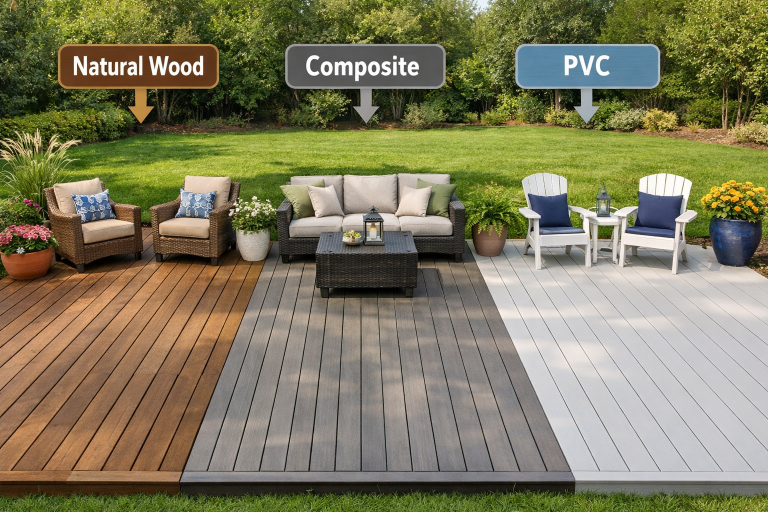
- Natural Wood: This classic choice remains popular for its warm appearance and traditional character, making it ideal for decks. Common varieties include pressure-treated pine, cedar, and exotic hardwoods such as ipe or mahogany. While wood naturally blends with outdoor settings, it requires consistent maintenance to prevent deterioration.
- Composite Decking: Made from wood fibers combined with plastic, composite decking is designed to resist fading, staining, and warping. Its availability in various colors and textures allows for customization without sacrificing durability.
- PVC Decking: Constructed entirely from plastic, PVC decks resist moisture, rot, and insects. This material generally comes at a higher initial cost but offers long-term resilience with minimal upkeep.
Each category has specific strengths that cater to unique backyard visions and budget considerations.
Factors to Consider
When narrowing down your selection, it’s helpful to factor in environmental elements and lifestyle needs:
- Climate: Humid or rainy environments can accelerate wood decay. Conversely, intense sun exposure may cause composites to heat up or fade. Researching how materials behave in your local weather is crucial.
- Usage: Spaces that see frequent gatherings or heavy foot traffic should prioritize durable options such as hardwoods or composites.
- Aesthetics: The material should complement your home’s architecture. For example, wood fits traditional designs, while composites and PVC offer a wider selection for modern tastes and color matching.
Personal priorities, including visual appeal and how you intend to use the deck, will affect your final decision.
Maintenance Requirements
Routine maintenance protects your investment and improves longevity:
- Wood: Requires periodic staining and sealing to defend against moisture, sunlight, and insects. Neglect can lead to splintering, warping, and mold growth.
- Composite: Maintenance typically consists of gentle washing with soap and water. Most composites resist stains and don’t require painting, although early-generation products may need additional care.
- PVC: This material is highly resistant to stains, scratches, and weather-related damage and generally needs only an occasional cleaning to look fresh.
Cost Analysis
Calculating the total investment requires looking beyond the initial purchase price to include future expenditures:
- Wood: Typically has the lowest upfront cost. However, frequent maintenance, such as sealing, staining, or replacing damaged boards, can increase expenses over the years.
- Composite: A higher initial cost comes with lower annual maintenance costs. The material’s longevity often balances the price over time.
- PVC: Usually the priciest material option, but it offers cost savings through minimal required maintenance and a longer lifespan.
Factor both short-term affordability and long-term value into your decision-making process.
Environmental Impact
Sustainability is an increasingly important aspect for many homeowners:
- Wood: Look for lumber certified by organizations such as the Forest Stewardship Council (FSC) to ensure it is responsibly harvested.
- Composite: Many products utilize recycled content, repurposing waste plastic and wood chips into durable boards.
- PVC: While less environmentally friendly due to its plastic content, its long lifespan reduces the frequency of replacement.
Choosing sustainable materials can help reduce your project’s overall carbon footprint.
Safety and Comfort
Select materials mindful of the following safety and comfort features:
- Slip Resistance: Opt for textured surfaces to provide secure footing, particularly important in humid or rainy climates.
- Heat Retention: Some surfaces, especially dark composites or PVC, become uncomfortably hot under direct sunlight. Lighter colors or shaded locations can help address this problem.
- Splintering: Synthetic materials like composites and PVC are less likely to crack or splinter, making them a safer choice for families with children or pets.
Safety considerations should never be compromised when designing a comfortable and practical space.
Common Mistakes to Avoid
Awareness of potential missteps can save valuable time and resources:
- Underestimating Maintenance: Be honest about the amount of upkeep you are prepared to perform. Avoid choosing high-maintenance wood if time or willingness is limited.
- Ignoring Climate Factors: Always match materials to local weather patterns to avoid unnecessary repairs or early replacements.
- Overlooking Budget Constraints: Monitor both the initial installation cost and ongoing care expenses to avoid financial strain.
Anticipating these issues leads to better satisfaction with your deck for years to come.
Final Thoughts
Selecting the best decking material is a thoughtful process that balances style, strength, cost, maintenance, and environmental impact. Taking the time to evaluate each option and how it matches your lifestyle ensures a beautiful, long-lasting addition to your outdoor living area. Prioritizing the right qualities results in a comfortable, safe, and visually pleasing deck that becomes a centerpiece for relaxation and gatherings.