
Is a Tankless Water Heater Right for Your Home and Budget?
Deciding on the best water heating system for your home requires careful consideration of several factors, including energy efficiency, upfront costs, household hot water needs, and long-term savings. In recent years, tankless water heaters have become increasingly popular as a modern alternative to traditional water heaters, promising energy savings and an endless supply of hot water. However, their suitability can vary from one home to another. If you are considering an upgrade, exploring expert tankless water heater installation services can help you better understand the options available and make an informed decision.
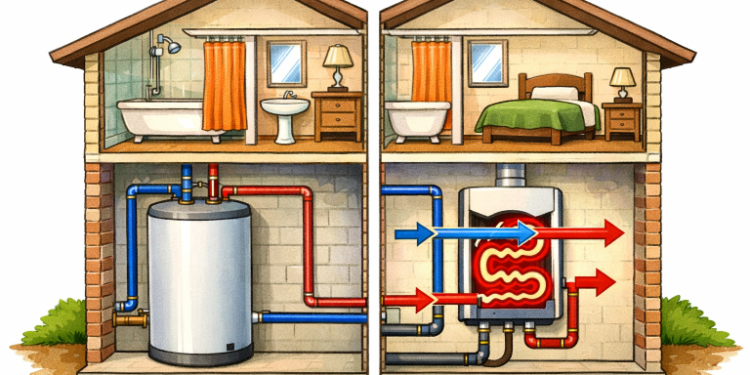
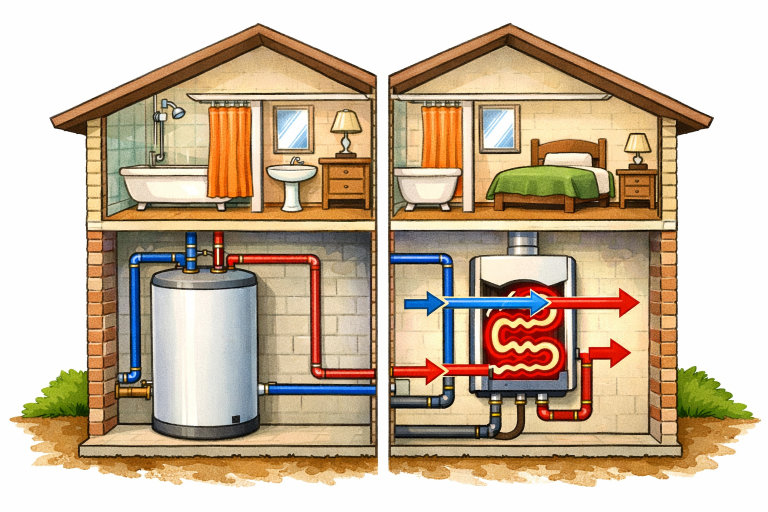
Unlike conventional tank systems that store hot water in a large tank, tankless systems instantly heat water as needed. This on-demand technology makes them appealing for households looking to reduce standby energy losses and enjoy a compact, space-saving design. But before making the switch, it’s essential to weigh the benefits, drawbacks, and specific considerations for your home’s infrastructure.
Table of Contents
Understanding Tankless Water Heaters
A tankless water heater, also called an on-demand or instantaneous water heater, heats water directly without a storage tank. When you turn on the hot water tap, cold water travels through a pipe into the unit. Either a gas burner or an electric element rapidly heats the water as it passes through. This process means hot water is available when you need it, without paying to keep a full tank continuously hot.
The compact design of tankless units allows for flexible installation locations, freeing up valuable space in basements or utility rooms. Because of their design, homeowners enjoy significant reductions in energy use, especially those who do not require large volumes of hot water throughout the day.
Energy Efficiency and Cost Savings
For many households, one of the most appealing benefits of a tankless water heater is increased energy efficiency. According to the U.S. Department of Energy, homes that use up to 41 gallons of hot water daily can achieve 24% to 34% greater efficiency than conventional storage-tank water heaters. Even for homes that consume more hot water, efficiency improvements can still range from 8% to 14%. Over time, this efficiency can lead to measurable savings on monthly energy bills. You can learn more about these cost savings and efficiency benefits through the Department of Energy’s water heating resource.
In addition to lower utility costs, the reduced energy demand associated with tankless units can also lessen your household’s environmental footprint. By consuming fewer resources to maintain hot water, these systems support broader sustainability and environmental stewardship efforts. Many homeowners also appreciate that tankless water heaters are less prone to catastrophic leaks, which can sometimes occur with traditional tank models due to prolonged water storage and pressure issues.
Installation Considerations
Installing a tankless water heater is more complex than simply swapping out an existing storage tank. It may involve substantial changes to your electrical system or gas lines to meet the unit’s power demands. Some homes, especially older properties, may require upgraded wiring, venting solutions, or larger gas lines. These infrastructure updates can significantly increase the initial investment, so it is wise to get professional advice and an accurate cost estimate before committing.
When planning for installation, it’s worth considering future household changes as well. If your family size is expected to grow or your water usage habits are likely to increase, discuss these factors with your installer. Choosing a model with a higher flow rate, or even considering multiple units, could help ensure a consistent hot water supply as your needs evolve. Proper unit sizing and installation will help maximize efficiency and comfort in the long run.
Maintenance Requirements
Maintenance is essential for owning a tankless water heater. Over time, mineral buildup (especially in hard-water areas) can impede the unit’s performance and reduce efficiency. Homeowners should plan on periodic descaling of the heat exchanger, typically once a year. In high-mineral areas, installing a water softener system may also be recommended. Proper maintenance not only keeps the unit running efficiently but can also prolong its lifespan well beyond that of traditional tank-style heaters.
Additional Factors to Consider
While the benefits of tankless water heaters are compelling, several additional factors should be considered when deciding whether this system is right for your household. For instance, the geographical climate where you live can impact the performance and efficiency of your unit. In colder regions, incoming water temperature is lower, requiring more energy to heat water to the desired temperature, which can reduce potential savings and may necessitate a more powerful (and often more expensive) unit.
Another aspect homeowners seldom consider is their water-use habits. Households with high-demand appliances such as large bathtubs or simultaneous showers may experience a drop in water temperature if their chosen tankless system cannot deliver a sufficient flow rate. For larger homes, installing multiple point-of-use tankless water heaters at key locations, such as bathrooms and kitchens, can resolve this issue and provide the convenience of hot water exactly where it’s needed most.
The longevity and long-term performance of tankless water heaters are also notable advantages. While the average lifespan for a traditional tank-style water heater is typically 10-15 years, tankless systems can last 20 years or more with proper care and routine maintenance. Over time, this durability can offset the initial investment by reducing the frequency and cost of replacements, aligning with eco-friendly goals by decreasing landfill waste.
Financing and incentive opportunities may also play a role in your decision. Some utility companies, municipalities, or state governments offer rebates or tax incentives for switching to high-efficiency water heaters. Taking advantage of such programs can make the switch to a tankless system more affordable, especially when combined with potential energy bill savings. Be sure to research local options or consult with a professional who is familiar with available incentives in your area.
Pros and Cons at a Glance
Tankless water heaters offer several compelling advantages, including a continuous supply of hot water for as long as the system is operating, making them ideal for households with consistent hot water demands. Their compact, space-saving design frees up valuable room compared to traditional storage tanks, and they typically have a longer lifespan, often lasting up to 20 years with proper maintenance. Additionally, their energy-efficient operation can help reduce utility costs over time. However, these benefits come with some considerations. Tankless systems generally require a higher initial investment, particularly if electrical, gas, or plumbing upgrades are necessary. They may also experience output limitations when multiple fixtures are used simultaneously, and regular maintenance is essential to prevent mineral buildup and ensure optimal performance. Furthermore, installation is not always straightforward and may require infrastructure improvements to support the new system effectively.
Is a Tankless Water Heater Right for You?
The decision to install a tankless water heater ultimately depends on your household’s hot water usage, budget for installation and maintenance, and the age or condition of your current home systems. For homes with modest, consistent hot water needs or for those seeking long-term energy savings, a tankless system can be a wise investment. However, large families or homes with frequent simultaneous hot-water demands may need to consider multiple units or alternative solutions.
Consulting with a licensed plumbing professional can help determine if your home is a good candidate for tankless installation. They can assess your current system, provide reliable cost estimates, and ensure any upgrades comply with local building codes and safety standards. For a more detailed comparison between tankless and storage tank options, visit Consumer Reports’ analysis on water heaters.
Making an informed decision about your water heating system affects not just your comfort and energy costs but also the value of your home for years to come. By carefully weighing pros and cons, investigating installation requirements, and relying on trusted resources, you can confidently choose the most sensible and sustainable solution for your household. For those interested in eco-friendly upgrades, exploring rebate programs or incentives for energy-efficient appliances can make the transition to tankless systems even more cost-effective. Taking all these steps can ensure your next water heater will meet your family’s needs while supporting your home’s comfort and efficiency well into the future.
Next Steps and Final Tips
Before making your final decision, take time to calculate your household’s typical hot water consumption and match it against the flow rates and capabilities of different tankless water heater models. Comparing brands, reading customer reviews, and checking manufacturer warranties can save you from future headaches and help you choose a product known for reliability and strong customer support.
Scheduling regular maintenance and descaling, using water softeners when necessary, and keeping an eye on your water pressure and quality will ultimately help you maximize the benefits of your new system. With careful planning and the right support, you can enjoy the convenience, efficiency, and peace of mind that a modern tankless water heater offers for years to come.