
What Miami, Florida’s Housing Market Means for Buyers, Sellers, and Condo Owners
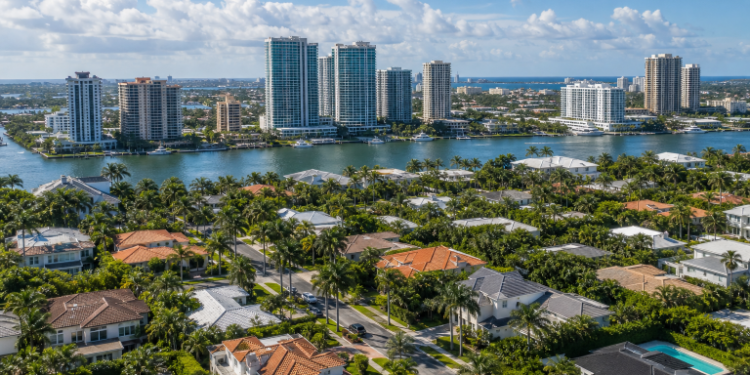
Miami’s housing decisions are shaped by more than a skyline view or a sunny address. From waterfront towers in Edgewater to family homes farther west, buyers and sellers must weigh property condition, ownership costs, financing, neighborhood access, and changing condo obligations before making a move.
For people comparing local communities, Edgewater real estate expert Jason Schonholtz provides Miami-area property search information and neighborhood guidance through the Jason Schonholtz real estate website, with coverage that includes Edgewater, Brickell, Pembroke Pines, and nearby South Florida communities. That local focus can be useful when evaluating how location, building type, and buyer demand affect a specific property rather than relying on broad headlines.
Table of Contents
- 1 Why Miami Does Not Have One Housing Market
- 2 What the Latest Miami-Dade Numbers Show
- 3 How Buyers Can Read the Market Before Making an Offer
- 4 The Real Cost of Buying a Miami Condo
- 5 Condo Documents That Deserve Close Review
- 6 What Sellers Need to Know
- 7 Insurance, Building Condition, and Interest Rates
- 8 Neighborhood Questions That Can Change the Decision
- 9 Common Miami Real Estate Questions
- 10 A Practical 2026 Decision Checklist
Why Miami Does Not Have One Housing Market
A single-family home in Coral Gables, a newer condo in Brickell, and an older high-rise unit in Edgewater do not compete for the same buyer in the same way. Single-family homes may appeal to buyers who prioritize yards, schools, parking, and greater control over maintenance. Condos may appeal to buyers seeking walkability, security, amenities, and a lower-maintenance lifestyle, but they also require a close review of the association.
New construction, luxury residences, investment-oriented properties, and resale homes each have their own supply-and-demand patterns. Waterfront exposure, proximity to transit and employment centers, rental restrictions, and parking availability can all alter a property’s market position. The relevant question is not simply whether “Miami is hot,” but whether comparable homes or units are attracting offers in that precise segment.
What the Latest Miami-Dade Numbers Show
Miami-Dade recorded 1,935 total home sales in July 2026, an 8.6 percent increase from July 2025. Single-family transactions rose 5.6 percent, and existing condo transactions increased 11.4 percent. At the same time, the reported median single-family sale price was $685,000, while the reported median condo sale price was $400,000.
Inventory tells the more important story for negotiating. Miami-Dade had 4.8 months of single-family inventory and 12 months of existing condo inventory in July. In practical terms, many condo shoppers may have more choices and more time to compare buildings, while well-priced single-family homes can still face tighter competition. Buyers and sellers can track these local figures through Miami-Dade’s July 2026 market report rather than relying only on national averages.
How Buyers Can Read the Market Before Making an Offer
- Study recent comparable sales. Compare similar homes by location, size, age, condition, parking, views, and meaningful upgrades.
- Review active listings. Current competition influences value because buyers can choose among homes available now.
- Check listing history. A long market time or multiple price reductions may indicate room for a careful negotiation.
- Calculate the full monthly cost. Include principal and interest, taxes, insurance, association fees, utilities, maintenance, and any parking or storage charges.
- Set a walk-away number. A clear ceiling helps prevent a decision driven by urgency rather than affordability.
The Real Cost of Buying a Miami Condo
The list price is only the starting point for a condo purchase. Monthly association fees can cover different services from one building to another, such as staffing, amenities, water, exterior maintenance, reserves, and insurance for common elements. A lower fee is not automatically better if it reflects deferred work, limited services, or inadequate reserves.
Before offering, compare each prospective condo using the same checklist:
- Purchase price and expected mortgage payment
- Estimated property taxes after purchase
- Monthly association fee and services included
- Interior unit insurance and applicable flood or wind coverage
- Parking, storage, valet, and amenity charges
- Expected repairs, planned projects, and possible special assessments
Condo Documents That Deserve Close Review
Buyers should request and read the association budget, financial statements, reserve information, insurance details, governing documents, recent board minutes, and disclosures regarding assessments or litigation. Minutes can reveal recurring maintenance concerns, planned projects, insurance discussions, and owner questions that are not apparent during a showing.
Florida condominium records and buyer protections have become increasingly important as associations address building safety, reserves, and financial transparency. The state’s condominium information and resources explain that structural inspection reports and reserve studies are among the records that must be available to prospective condo purchasers. A buyer should also confirm rental, pet, renovation, and leasing rules before assuming the unit supports a particular lifestyle or investment plan.
What Sellers Need to Know
Sellers should price against today’s alternatives, not only against a neighbor’s sale from a different season or a different building. The first weeks on the market are especially valuable because serious buyers are watching new listings closely. A property that enters too high may lose momentum and later compete against fresher listings.
Preparation can reduce friction. Address visible maintenance issues before photography, organize permits and upgrade records, and provide condo documents early when applicable. Sellers should also evaluate terms, not just price. Closing dates, financing contingencies, repair requests, and credits can change the strength of an offer.
Insurance, Building Condition, and Interest Rates
In coastal Miami, insurance and building condition are central ownership questions. Buyers should ask for the current master insurance certificate, review deductibles, determine what the association policy covers, and confirm whether separate coverage is needed for the interior of the unit. Recent claims, renewal changes, and rising premiums may affect future association budgets and owner costs.
Interest rates also shape buying power. Two buyers may pursue the same $700,000 property but make different choices: one may put more cash down to reduce payments, while another may preserve cash for reserves, repairs, and closing costs. Neither approach is universally right. Buyers should compare complete loan estimates, consider the cost of any rate buydown, and avoid treating a future refinance as guaranteed.
Neighborhood Questions That Can Change the Decision
- How does the commute work at the times it will actually be used?
- What are the areas’ parking, guest access, transit, park, healthcare, and daily service options?
- Are nearby developments, road projects, or construction likely to affect views, traffic, or noise?
- Does the property have drainage, flooding, or storm-preparedness considerations?
- Does the neighborhood fit plans for the next five to ten years?
Common Miami Real Estate Questions
Is Miami a buyer’s market or a seller’s market?
It depends on the segment. July 2026 inventory figures suggested tighter conditions for single-family homes and more buyer leverage in existing condos. A specific building or neighborhood may behave differently, so comparable listings and recent sales remain essential.
Are Miami condo prices falling?
Condo performance varies widely. Building age, location, fees, reserves, insurance, maintenance needs, and financing eligibility can all influence demand and price. Buyers should evaluate the individual building before concluding on countywide data.
What should a first-time buyer budget for?
Plan for the down payment, closing costs, inspections, loan expenses, taxes, insurance, moving costs, immediate repairs, and an emergency reserve. Condo buyers should also leave room for potential fee increases or assessments.
A Practical 2026 Decision Checklist
- Define why you are buying, selling, or holding the property.
- Set a realistic budget or net-proceeds goal.
- Review neighborhood-level sales and active competition.
- Estimate all recurring and one-time costs.
- Allow sufficient time for inspections, financing, and condo document review.
- Make the decision based on long-term fit, not headlines alone.
Miami’s 2026 market rewards careful preparation. Buyers who look beyond the list price, sellers who compete realistically, and condo owners who monitor building finances and insurance are better positioned to make decisions that hold up after closing.