
Veteran-Led Excellence in Home Services
Table of Contents
- 1 Understanding the Scope of Veteran-Led Home Services in Denver
- 2 Essential Electrical Solutions for Modern Homeowners
- 3 Navigating Electrical Panel Upgrades and Electrification
- 4 The Importance of Maintenance and Professional Selection
- 5 Frequently Asked Questions about Veteran-Led Home Services
- 6 Conclusion
Understanding the Scope of Veteran-Led Home Services in Denver
The electrical needs of a community as dynamic as Denver are incredibly diverse. From the intricate wiring of a family home to the robust power requirements of industrial facilities, different projects demand specialized expertise. Understanding the various types of electrical contractors is the first step in ensuring your project, regardless of its scale, is handled safely and efficiently.

Electrical contractors are professionals who specialize in the installation, repair, and maintenance of electrical systems, but their fields of expertise can vary significantly.
Residential Electrical Contractors primarily focus on homes and multi-family dwellings. Their work includes installing new wiring, upgrading electrical panels, troubleshooting outlets and switches, and ensuring that a home’s electrical system meets current safety codes. If you’re looking to install new lighting, add an EV charger, or resolve a persistent tripped breaker, a residential specialist is your go-to expert.
Commercial Electrical Contractors handle the electrical systems for businesses, offices, retail spaces, and other commercial properties. These systems are often more complex than residential ones, involving higher voltage requirements, specialized lighting, and compliance with specific commercial building codes. They might install new electrical infrastructure for a burgeoning business in downtown Denver or upgrade the lighting in a large retail outlet.
Industrial Electrical Contractors work with large-scale industrial facilities, factories, and manufacturing plants. Their projects typically involve heavy machinery, complex control systems, and high-voltage power distribution. The work in this sector often requires a deep understanding of safety protocols and specialized equipment, given the hazardous nature of industrial environments.
Maintenance Electrical Contractors specialize in the ongoing upkeep and repair of existing electrical systems across all sectors—residential, commercial, and industrial. They are crucial for preventive maintenance, diagnosing issues before they become major problems, and performing routine inspections to ensure systems operate reliably and safely. For businesses and homeowners alike, having a dedicated maintenance contractor can prevent costly downtime and extend the lifespan of electrical infrastructure.
Low Voltage Electrical Contractors focus on systems that operate at 50 volts or less. This includes critical infrastructure like security systems, fire alarms, telecommunications networks (data and voice cabling), and audiovisual installations. While not directly powering major appliances, these systems are integral to modern living and business operations, ensuring safety, communication, and connectivity.
Integrated Building Systems Contractors specialize in combining various building systems—electrical, HVAC, security, lighting, and communication—into a single, cohesive, and often automated platform. They design and implement smart building solutions that enhance efficiency, comfort, and control, particularly relevant in new constructions or major renovations in the Denver Metro area.
Line Electrical Contractors are responsible for the high-voltage transmission and distribution lines that bring electricity to homes and businesses. They work on power poles, substations, and underground lines, ensuring the stability and reliability of the wider electrical grid. Their work is critical for maintaining the infrastructure that powers our communities, often requiring specialized training and equipment for working with live, high-voltage systems.
To illustrate the distinct requirements, consider a conceptual table comparing commercial and industrial electrical needs:
Feature Commercial Electrical Requirements Industrial Electrical Requirements Complexity Moderate to high; focus on lighting, HVAC, office equipment Very high; focus on heavy machinery, process control, automation Voltage Typically 120V/208V, 277V/480V Often higher, including medium voltage; specialized motor controls Codes NEC, local commercial building codes, ADA compliance NEC, OSHA, specialized industry standards, hazardous location codes Safety Employee and public safety; fire suppression Machine guarding, lockout/tagout, arc flash protection, process safety Downtime Minimizing disruption to business operations Critical to production; planned shutdowns for maintenance Capacity Scalable for growing businesses, data centers Robust for continuous, high-demand operations Denver’s expanding infrastructure, from new residential developments to commercial hubs, relies heavily on these specialized contractors. Regardless of the type of project, adherence to stringent safety protocols and, in many cases, offering 24/7 emergency availability are hallmarks of reliable electrical services in May 2026.
Specializations in Modern Contracting
The modern electrical landscape is defined by an increasing degree of specialization. Low voltage systems, for instance, are no longer just about phone lines. Today, they encompass sophisticated fire alarms that integrate with building management systems, complex telecommunications networks supporting high-speed internet, and advanced security systems that protect properties across Arvada, Aurora, and Broomfield. These systems require contractors with specific certifications and an understanding of data infrastructure, not just power delivery.
On the other end of the spectrum, high-voltage transmission and the maintenance of substations demand an entirely different skill set. Line electrical contractors are trained to work with the immense power that flows through these systems, ensuring the stability of the grid that serves areas like Castle Rock and Centennial. Their work is highly regulated and carries significant risk, emphasizing the need for expert knowledge and strict safety adherence.
Integrated automation is another rapidly growing field. Integrated building systems contractors are at the forefront of smart home and smart commercial building technologies. They connect lighting, climate control, security, and entertainment systems, often controlled via a central interface or smartphone application. This specialization requires a blend of electrical, IT, and automation expertise.
Finally, industrial machinery in areas such as Golden and Highlands Ranch relies on robust and precisely calibrated electrical systems. Industrial contractors must navigate the complexities of programmable logic controllers (PLCs), motor control centers, and intricate wiring diagrams, all while ensuring strict safety compliance to protect workers and maintain operational continuity. Each of these specializations underscores the importance of selecting a contractor whose expertise precisely matches the demands of your project.
Essential Electrical Solutions for Modern Homeowners
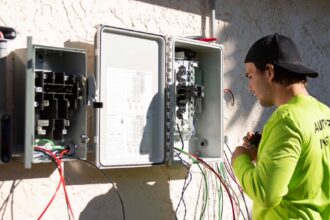
For homeowners, the electrical panel is the heart of the home’s power system. It distributes electricity safely to every circuit, appliance, and outlet. As our homes become more electrified and technologically advanced, the demands on this central hub increase. Ensuring it’s functioning optimally and safely is paramount.
Residential electrical contractors offer a wide array of services designed to keep your home’s electrical system robust and reliable. These essential solutions include:
- Electrical Panel Upgrades and Replacements: Often necessary for older homes, or when increasing power demand (e.g., for EV chargers, new appliances, or solar installations), these upgrades enhance safety and capacity.
- Wiring Repair and Installation: From fixing faulty connections to installing new circuits for additions or renovations, proper wiring is fundamental for safety and functionality.
- Lighting Solutions: This covers everything from installing energy-efficient LED lighting, smart lighting systems, to outdoor landscape lighting and ceiling fan installations.
- Circuit Breaker Installation and Repair: Ensuring that individual circuits are protected from overloads and short circuits, preventing damage and fire hazards.
- Outlet and Switch Repair/Installation: Addressing non-functioning outlets, upgrading to GFCI or AFCI outlets for safety, or installing smart switches.
In the Denver Metro area, residential electrical standards are continuously evolving, and reputable contractors ensure all work meets the latest codes. When seeking a professional, look for those who offer strong guarantees on their workmanship, employ background-checked technicians, and demonstrate a commitment to customer satisfaction. For those prioritizing precision and reliability, finding a dedicated Veteran-led electrical panel contractor can be a significant advantage, bringing a disciplined approach to every task.
Identifying the Need for System Upgrades
Recognizing the signs that your electrical system, particularly your panel, needs attention can prevent serious issues. Ignoring these indicators can lead to safety hazards, appliance damage, or frequent power disruptions. Here are common signs that suggest an electrical panel upgrade or professional inspection is warranted:
- Flickering or Dimming Lights: This often indicates that your electrical system is struggling to meet demand, especially when multiple appliances are running.
- Constantly Tripping Breakers or Blown Fuses: While an occasional trip can happen, frequent occurrences suggest an overloaded circuit or a fault within the system that your panel cannot handle.
- Buzzing or Crackling Sounds from the Panel: Electrical panels should operate silently. Any unusual noises are a serious red flag, indicating loose connections or arcing, which can be a fire hazard.
- Discolored Outlets or Panels, or a Burning Smell: These are critical signs of overheating. Discoloration, charring, or a burning odor around outlets or the electrical panel itself demands immediate professional attention.
- Increased Power Demand: The addition of new high-power appliances (like an electric vehicle charger, a hot tub, or a new HVAC system) often exceeds the capacity of older panels. In May 2026, with more homes moving towards electrification, many existing panels, especially those 20 years or older, may not be equipped to handle these loads.
- Appliance Compatibility Issues: If new appliances aren’t performing as expected or frequently trip breakers, it could be a sign that your electrical system isn’t providing sufficient or stable power.
- Outdated Panel Type: Old fuse boxes or panels from specific manufacturers known for safety issues should be upgraded to modern circuit breaker panels for enhanced safety and reliability.
Addressing these signs promptly ensures not only the safety of your home and family but also the efficient operation of your appliances and overall electrical system.
The push towards home electrification is gaining momentum, driven by environmental consciousness, energy efficiency, and the desire for modern conveniences. From electric vehicle (EV) chargers to heat pumps for heating and cooling, and even solar PV systems, homes in May 2026 are consuming electricity in new and greater ways. This shift often necessitates a critical look at the home’s electrical panel, which may require an upgrade to support these new demands.
Many homeowners wonder if they can electrify their home without a complete panel upgrade. Often, the answer is yes, even with a 100 Amp panel. This typically involves strategic planning, such as using circuit-sharing devices that allow multiple appliances to share a single circuit, or making smart choices about which appliances to install. However, for a truly future-proof and robust electrical system, especially when considering multiple high-demand electric appliances, an upgrade is frequently the most reliable solution.
Pre-wiring for electrification is a crucial concept. Planning and installing the necessary wiring and infrastructure before you acquire a new electric appliance can save significant time and money. For instance, you can easily pre-wire for an EV charger, a heat pump water heater, or an electric stove/range. While pre-wiring for a heat pump might be less straightforward until the specific model and its circuit requirements are known, proactive wiring for other major electric loads is a smart move. This foresight aligns with Denver’s electrification initiatives, promoting sustainable power management within individual homes.
Smart panels represent the next evolution in home electrical management. These advanced panels do more than just distribute electricity; they intelligently manage it.
The Role of Smart Panels in 2026
In May 2026, smart panels are transforming how homeowners interact with their electrical systems. These innovative devices offer a suite of benefits that go beyond traditional electrical panels:
- Intelligent Electricity Distribution: Smart panels can dynamically manage power flow, prioritizing critical circuits and even temporarily pausing unnecessary ones to prevent overloading the system, especially during peak demand.
- Circuit Monitoring and Control: Through smartphone or computer applications, homeowners can monitor electricity usage down to individual circuits. This provides unprecedented insight into energy consumption, allowing for better management and potential savings.
- Seamless Smartphone Integration: The ability to control and monitor your electrical system remotely via an app offers convenience and peace of mind, whether you’re at home or away.
- Optimized Battery Backup Management: For homes with battery storage systems, smart panels are invaluable. They allow homeowners to select which circuits remain active during a power outage, maximizing the backup power available for essential services and extending the duration of the battery’s supply. This “load shedding” capability is crucial for making the most of your stored energy.
- Enhanced Energy Usage Analytics: By providing detailed data on energy consumption patterns, smart panels empower homeowners to identify energy vampires, optimize appliance usage, and make informed decisions about energy efficiency upgrades.
Smart panels are not just a luxury; they are becoming an integral part of modern, energy-efficient homes, especially as more households embrace electrification and seek greater control over their energy consumption and resilience against power outages.
The Importance of Maintenance and Professional Selection
Maintaining your home’s electrical system is not just about fixing problems when they arise; it’s about proactive care to ensure safety, efficiency, and longevity. Just as critical is the process of selecting the right electrical contractor for any project, big or small. A skilled, trustworthy professional can make all the difference.
Identifying Quality in Veteran-Led Home Services
When choosing an electrical contractor, especially in the Denver Metro area, certain criteria stand out as indicators of quality and reliability. We believe that veteran-led home services bring a unique level of integrity, discipline, and attention to detail to the electrical contracting field. Here’s what to look for:
- Licensing and Insurance: Always verify that the contractor is properly licensed by the state and carries adequate insurance. This protects you from liability in case of accidents or damage during the project.
- Workmanship Guarantees: A reputable contractor stands behind their work. Look for companies that offer clear guarantees on their services and parts, providing peace of mind.
- Upfront Pricing Policy: Transparency in pricing is key. Contractors who provide clear, upfront, flat-rate pricing without hidden fees demonstrate honesty and professionalism.
- Experience and Expertise: Inquire about the contractor’s experience, particularly with projects similar to yours. Companies with a long-standing history, like those with 30 years of experience, often bring a wealth of knowledge to every job.
- Certifications: Beyond basic licensing, look for additional certifications such as EPA certification, which indicates a commitment to environmental responsibility, especially relevant for services involving refrigerants.
- Background Checks: For your safety and security, ensure that all technicians undergo thorough background checks.
- Customer Satisfaction Guarantees: A strong commitment to customer satisfaction, often backed by positive reviews and testimonials, speaks volumes about a company’s service quality.
- Community Support: Many veteran-led businesses offer veteran discounts, first responder support, and senior discounts, reflecting their commitment to the community they serve in areas like Arvada, Lakewood, and Littleton.
Routine electrical maintenance plans, offered by many professional contractors, can include priority scheduling for service, regular inspections to catch potential issues early, and access to emergency services. This military-grade precision in planning and execution ensures that your home’s electrical system remains in top condition, preventing unexpected outages and costly repairs. By meticulously vetting your electrical contractor against these criteria, you ensure that your home’s electrical needs are met with the highest standards of safety, quality, and integrity.
Frequently Asked Questions about Veteran-Led Home Services
We understand that homeowners often have many questions when it comes to their electrical systems, especially with the evolving landscape of home electrification and maintenance. Here, we address some common inquiries.
Can I electrify my home without a full panel upgrade?
Yes, in many cases, you can electrify your home even if you have a 100 Amp electrical panel without necessarily requiring a full upgrade. This often involves careful planning and strategic choices. Techniques like circuit-sharing devices can allow multiple high-demand appliances to operate on the same circuit, managing the load effectively. Additionally, selecting smart appliances that are designed for lower energy consumption or that can intelligently manage their power draw can help. Consulting with a professional electrical contractor is crucial to assess your current panel’s capacity, evaluate your electrification goals, and determine the most effective load management strategies for your specific home in the Denver Metro area. They can provide a personalized professional consultation to ensure your electrification efforts are safe and efficient.
What factors influence the complexity of a panel replacement?
The complexity, and consequently the scope of work, for an electrical panel replacement can vary significantly based on several factors:
- Panel Capacity and Amperage: Upgrading from a lower amperage (e.g., 60-amp or 100-amp) to a higher one (e.g., 200-amp or 400-amp) often requires heavier gauge service entrance wires and potentially a larger meter socket, increasing complexity.
- Wiring Updates: Older homes may have outdated wiring (e.g., knob-and-tube or aluminum wiring) that needs to be brought up to May 2026 safety codes during a panel replacement, adding to the scope.
- Structural Modifications: Sometimes, the existing location of the panel may not meet current code requirements, or the new, larger panel might not fit the existing space, necessitating minor structural modifications to the wall or surrounding area.
- Permit Requirements: All electrical panel replacements require permits and inspections by local authorities to ensure compliance with safety codes. The process of obtaining and coordinating these can add to the project’s complexity.
- Utility Coordination: For service upgrades, coordination with the local utility company is often required to temporarily disconnect and then reconnect power, which adds a logistical layer to the project.
- Accessibility: The ease of access to the existing panel and service entrance wiring can also impact the complexity and duration of the replacement.
These factors underscore the importance of a thorough assessment by a qualified electrical contractor before any work begins.
What are the responsibilities of low voltage and line contractors?
Low voltage electrical contractors specialize in systems that operate at 50 volts or less, which are distinct from standard household power. Their responsibilities include:
- Installing and maintaining security systems, including surveillance cameras, access control, and alarm systems.
- Setting up and servicing telecommunications infrastructure, such as data networks (Ethernet cabling), phone systems, and Wi-Fi access points.
- Implementing fire alarm systems, home automation, intercoms, and audiovisual installations.
- Ensuring the proper functioning and integration of these systems for safety, communication, and connectivity within residential and commercial properties.
Line electrical contractors, on the other hand, deal with the high-voltage systems that form the backbone of our electrical grid. Their critical responsibilities include:
- Working on high-voltage transmission lines and distribution networks that transport electricity from power plants to substations and then to communities.
- Maintaining and repairing power line maintenance, including overhead and underground cables, poles, and transformers.
- Ensuring infrastructure safety and reliability of the entire electrical grid, often involving emergency repairs during outages caused by weather or other incidents.
- This work requires extensive specialized technical training and adherence to strict safety protocols due to the extreme hazards associated with high-voltage electricity.
Both types of contractors play vital roles, but their expertise, equipment, and safety considerations are fundamentally different, reflecting the distinct nature of the electrical systems they handle.
Conclusion
Navigating the complexities of home electrical systems in May 2026 requires more than just a quick fix; it demands expertise, reliability, and a commitment to safety. For homeowners in the Denver Metro community, from Arvada to Aurora, Broomfield to Castle Rock, and encompassing Centennial, Columbine, Golden, Highlands Ranch, Lakewood, and Littleton, choosing the right electrical panel contractor is a decision that impacts not only daily convenience but also long-term home safety and value.
We believe in providing integrity-driven service, ensuring that every electrical panel upgrade, repair, or new installation adheres to the highest standards. With the increasing demands of modern living and the ongoing shift towards electrification, a robust and efficient electrical system is no longer a luxury but a necessity. By understanding the various types of contractors, recognizing the signs that your system needs attention, and embracing new technologies like smart panels, you can make informed decisions that secure your home’s electrical future. Trust in veteran-led excellence to deliver the precision and reliability your home deserves.