
Dependable HVAC Repair and Installation in San Antonio

Table of Contents
Maximizing Savings with Manufacturer Rebates and Seasonal Promotions
 We all value a comfortable home. In a place like San Antonio, a reliable heating, ventilation, and air conditioning (HVAC) system is essential, not just a nice-to-have. But buying a new system, or even upgrading, can seem confusing and expensive. We understand you want top performance without overspending.
Finding the best HVAC deals means knowing where to look and what to consider. This guide, current for April 2026, will help. We will break down how to get the most savings from manufacturer rebates and seasonal sales. We’ll also look at smart financing and different system options, like central air and mini-splits.
Our goal is to help you understand fair pricing and the full cost of installation. This way, you can make a smart choice for your home. And for any unexpected issues, knowing about services like Fast same-day HVAC repair is always helpful, but our focus here is on securing great deals for planned purchases.
April 2026 is an opportune time to invest in a new HVAC system, with many manufacturers and retailers rolling out attractive deals. These savings often come in the form of tiered rebates, high-efficiency incentives, and flexible financing options. Understanding how to leverage these can significantly reduce your upfront and long-term costs.
Major brands frequently offer direct rebates on qualifying systems. For instance, Lennox is currently offering rebates of up to $1,800 on a complete Ultimate Comfort System, which typically includes a gas furnace or blower coil, an AC or heat pump, and a smart thermostat. These comprehensive packages are designed to maximize both comfort and energy efficiency. Similarly, Trane has instant HVAC rebates available, with savings up to $900 on qualifying systems such as their 20 TruComfort™ Variable Speed AC or Heat Pump paired with a furnace or air handler and a smart thermostat. These offers are usually time-sensitive, so it’s crucial to act within the specified promotional periods, such as Trane’s Spring 2026 offer running from March 1 to May 31, 2026, or Lennox’s offer valid between March 9 and June 12, 2026.
Beyond direct manufacturer rebates, look for additional incentives. Many high-efficiency systems qualify for federal tax credits, which can provide a significant deduction come tax season. Utility companies often have their own rebate programs for installing Energy Star certified equipment, further sweetening the deal. Retailers also get in on the action; for example, Costco members can receive a 10% Costco Shop Card on qualifying Lennox heating and air conditioning purchases, adding substantial value.
Financing plays a big role in making these investments more manageable. Many promotions include 0% APR financing for a set period, such as Trane’s 60-month offer. This allows you to spread the cost over several years without incurring interest, provided you meet the terms. Always review the fine print for minimum financed amounts and post-promotional interest rates.
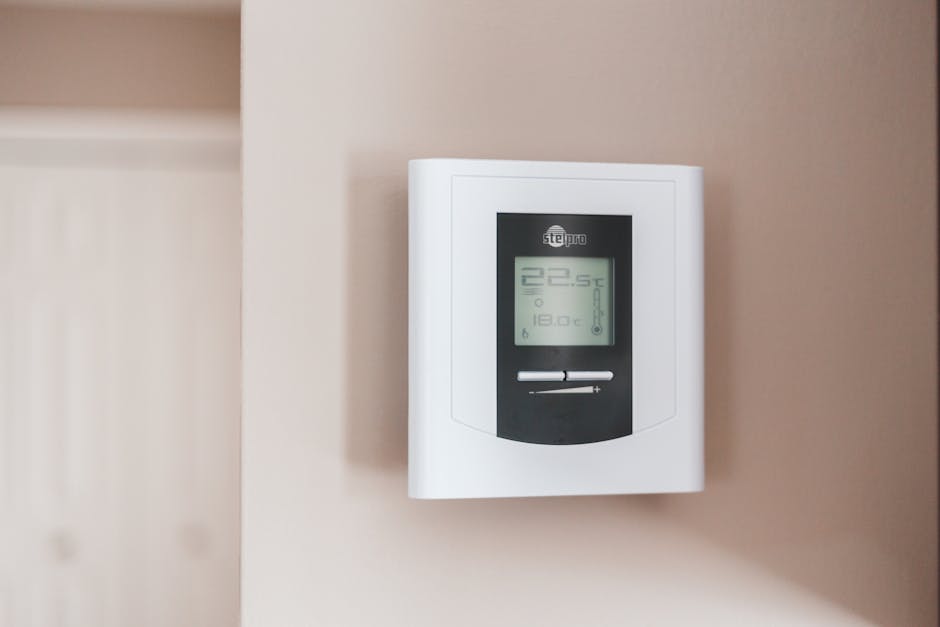
When seeking out these deals, consider bundling. Often, purchasing a complete system – including the outdoor unit, indoor unit, and a smart thermostat – unlocks the highest rebate amounts. Smart thermostats, like those often included in these bundles, not only contribute to rebates but also offer long-term energy savings by optimizing system performance.
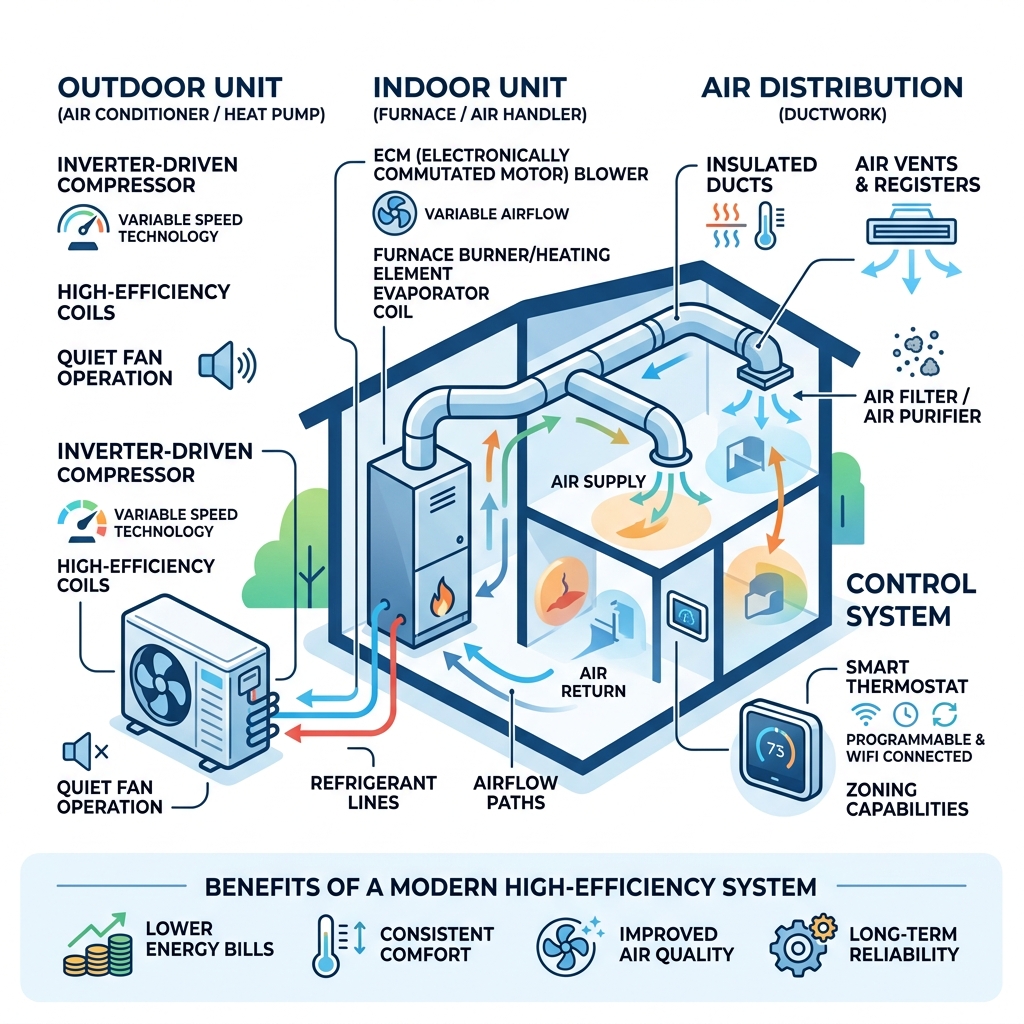
Essential Considerations for Professional HVAC Repair and Installation
Securing a great deal on HVAC equipment is only half the battle; professional installation is paramount for system performance, longevity, and warranty validity. While some smaller units, like certain mini-splits, might tempt the DIY enthusiast, a complete HVAC system requires specialized knowledge and tools.
A fair price for a complete HVAC system installation in 2026 typically ranges widely based on system type, size, and regional labor costs. For a standard split system (AC and furnace), you might expect equipment costs between $3,000 and $6,000. Installation labor, which includes everything from ductwork modifications to electrical connections and refrigerant charging, can add another $700 to $3,700. When combined with administrative fees, sales costs, and a reasonable gross profit margin (which typically sits between 45-55% for contractors to stay in business), the total fair price for an installed system can hover around an average of $8,083. This includes components like the equipment pad, duct transitions, miscellaneous supplies, thermostat, inspection fees, and a warranty reserve.
To negotiate the best deal, it’s advisable to get multiple estimates (ideally 3-5) from licensed contractors. Ensure each quote is based on the same project scope – specific models, energy efficiency ratings, and any necessary ductwork or accessory upgrades. This “apples-to-apples” comparison empowers you to assess value accurately. Don’t be afraid to express that you’re comparing offers; this often encourages contractors to provide their most competitive pricing. However, avoid overly aggressive negotiation, as maintaining a good relationship with your installer is crucial for future maintenance and support.
When to Prioritize HVAC Repair Over Replacement
Deciding between repairing an existing HVAC system and investing in a new one is a common dilemma. Several factors can guide this decision:
- System Age: Most HVAC systems have a lifespan of 10 to 15 years. If your system is approaching or has exceeded this age, replacement often makes more financial sense than pouring money into repairs.
- Repair Frequency: If your system requires frequent, costly repairs, these expenses can quickly accumulate, outweighing the benefit of keeping an older unit.
- Efficiency Loss: Older systems, even when working, are significantly less energy-efficient than modern units. A noticeable increase in your energy bills might indicate that your system is struggling, making replacement a wise long-term investment.
- Component Failure: Major component failures, such as a compressor or heat exchanger, can be extremely expensive to fix. In such cases, the repair cost might be close to that of a new, more efficient system.
Performing a cost-benefit analysis can help. If the cost of a repair is more than 30-50% of the cost of a new system, or if your system is old and inefficient, replacement is generally the more economical choice.
The Role of Professional HVAC Repair in System Longevity
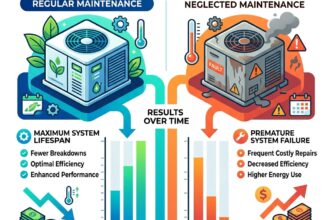
Even with the best deals on new systems, professional repair services are indispensable for maintaining peak performance and extending the life of your unit. Regular maintenance and timely repairs by licensed technicians ensure that your system operates efficiently and safely.
- Maintenance Plans: Many reputable HVAC companies offer maintenance plans that include annual tune-ups. These plans can prevent minor issues from escalating into major breakdowns, improve energy efficiency, and often come with priority service and discounts on repairs.
- Licensed Technicians: Professionals are trained to handle refrigerants properly, ensure correct electrical connections, and optimize airflow – all critical for system health and safety. They also understand warranty requirements, ensuring that repairs are done in a way that preserves your coverage.
- Safety Standards: HVAC systems involve electrical components, natural gas lines (for furnaces), and refrigerants. Professional repair ensures all work adheres to safety standards and local building codes, protecting your home and family.
Comparing Systems: Central Air vs. Mini-Splits and Portable Units
The “best” HVAC deal isn’t just about the price tag; it’s about finding the right system for your specific needs. Understanding the key differences between various HVAC types is crucial for making an informed decision.
Central Air Conditioning Systems: These are ideal for whole-home cooling and heating, using a network of ducts to distribute conditioned air. They offer consistent temperatures throughout the house and are typically the most efficient option for larger spaces, especially when paired with high SEER2 (Seasonal Energy Efficiency Ratio 2) ratings.
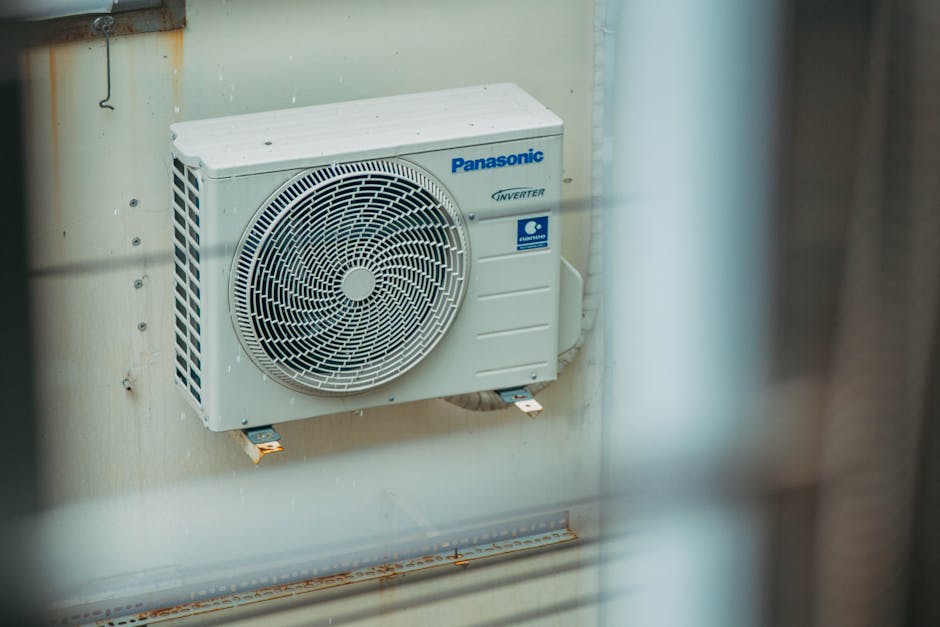
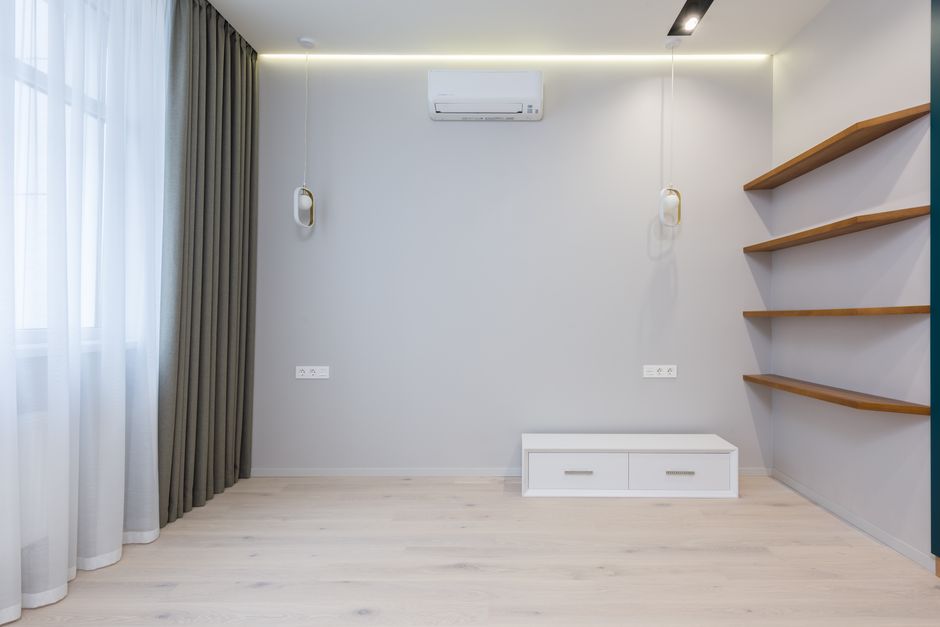
Mini-Split Systems: Also known as ductless mini-splits, these systems are excellent for zoning, allowing you to heat or cool individual rooms or additions without needing extensive ductwork. They are highly energy-efficient, often featuring inverter technology for variable speed operation, and can be a budget-friendly option for specific areas. Some models, like the Costway 12,000 BTU 22 SEER2 Mini Split AC & Heater w/ Heat Pump, can be found for as low as $570 (51% off its original price of $1,179). While some DIY-friendly models exist, professional installation is still recommended for optimal performance and warranty validity.
Window Air Conditioners: These are among the most affordable and easiest to install, making them suitable for cooling single rooms or small apartments. Modern units, such as the Midea 8,000 BTU U-Shaped Smart Inverter Window AC, offer Energy Star efficiency and smart features for around $261.75 (25% off). They are a great option for cooling up to 350-450 sq. ft.
Portable Units: Offering flexibility, portable ACs can be moved between rooms. However, they are generally less efficient and noisier than window units or mini-splits. They require an exhaust hose vented through a window.
Here’s a quick overview of how different HVAC systems typically align with home sizes and needs:
- Window Units (e.g., 8,000 BTU): Best for single rooms up to 350 sq. ft.
- Portable AC Units: Flexible for single rooms, but less efficient; suitable for temporary cooling needs.
- Mini-Splits (e.g., 12,000 BTU – 24,000 BTU): Excellent for zoning, additions, or areas up to 1,500 sq. ft. without ductwork.
- Central Systems (e.g., 2-5 Ton Heat Pumps): Ideal for whole-home comfort, typically for homes ranging from 1,000 sq. ft. to 3,000+ sq. ft.
When evaluating deals, always consider the SEER2 rating, which indicates energy efficiency. A higher SEER2 means lower operating costs over the system’s lifetime. For example, a Goodman 2 Ton 15.2 SEER2 R32 Heat Pump Split System might start as low as $3,819 as a premium seasonal special, offering a balance of upfront cost and efficiency.
Frequently Asked Questions about HVAC Systems
What are the risks and rewards of buying clearance HVAC units?
Buying clearance HVAC units can offer significant rewards, primarily in the form of substantial discounts. Stores like Home Depot often feature HVAC deals, including percentage-off discounts (e.g., 25% off Midea window units or 51% off Costway mini-splits). Online clearance sites like AC Direct also offer “unbeatable prices” on brands like Goodman and Daikin. These units are often overstock inventory, recent model year units, or items with minor cosmetic blemishes that don’t affect performance. This means you can acquire premium, high-performance equipment for a fraction of the usual cost.
However, there are risks. While most clearance items come with standard manufacturer warranties, it’s crucial to confirm the warranty validity and terms for the specific unit you’re considering. Older clearance models might not have the highest SEER2 ratings, potentially leading to higher energy bills over time compared to the latest high-efficiency models. Additionally, professional installation is still unequivocally recommended for all HVAC equipment, regardless of whether it’s a clearance item, to ensure peak performance, long-term reliability, and safety.
How much can I expect to save with major retailer incentives?
Savings from major retailer incentives can be substantial and vary widely. Here’s a breakdown of potential savings:
- Costco Shop Cards: As mentioned, Costco members can receive a 10% Costco Shop Card on qualifying Lennox purchases. For a system costing $8,000, that’s an $800 gift card you can use for other purchases.
- Instant Rebates: Manufacturers like Trane offer instant rebates up to $900 on qualifying systems, while Lennox offers can go up to $1,800. These are direct deductions from the purchase price.
- Installation Bundles: Retailers and contractors often bundle equipment with installation services, sometimes including smart thermostats or air purification systems at a reduced combined price. For example, a Presidents’ Day bundle might offer a new HVAC system, smart thermostat, and UV light air purifier for as low as $123/month with specific financing.
- Seasonal Clearance: Home Depot and other retailers frequently have seasonal clearance events, offering 5% to 25% off various HVAC components like window ACs, portable units, and mini-splits.
- Financing: 0% APR financing for periods like 60 months can save you hundreds or even thousands in interest charges compared to standard loans.
To maximize savings, combine these incentives where possible. Stack manufacturer rebates with retailer-specific promotions, and look for systems that also qualify for federal tax credits or local utility rebates.
What is a fair price for a complete system installation in 2026?
A fair price for a complete HVAC system installation in 2026 is a balance between equipment cost, labor, and the contractor’s operational expenses and profit. As discussed earlier, a typical split system installation might total around $8,083, broken down as follows:
- Equipment: $3,000-$6,000 (varies greatly by brand, tonnage, and efficiency rating)
- Installation Labor: $700-$3,700 (includes removal of old unit, setting new units, ductwork, electrical, refrigerant lines, testing)
- Other Costs: This includes general and administrative costs, cost of sales, equipment pad, duct transitions, miscellaneous supplies, a new thermostat, inspection fees, and a warranty reserve. These can add several hundred to over a thousand dollars.
- Gross Profit Margin: Contractors typically aim for a 45-55% gross profit margin to cover overheads and ensure business viability.
When evaluating quotes, ensure they are comprehensive and transparent. A good quote will itemize equipment, labor, and any additional components or services. Be wary of unusually low bids, as they might indicate shortcuts in installation, lower-quality equipment, or hidden costs. Conversely, very high bids might simply be less competitive. Your goal is to find a contractor who offers quality equipment and professional installation at a price that allows them to sustain their business and provide reliable post-installation support.
Conclusion
Navigating HVAC deals in April 2026 can seem daunting, but with the right information, you can make a decision that brings both comfort and savings to your home. By understanding manufacturer rebates, exploring retailer incentives, and being smart about financing, you can significantly reduce the cost of a new, high-efficiency system. The true value of an HVAC deal extends beyond the initial purchase price to include professional installation, long-term energy savings, and reliable post-installation support.
Investing in a quality HVAC system is an investment in your home’s comfort, air quality, and overall value. By being an informed consumer and partnering with reputable professionals, you can ensure you get the best possible deal and enjoy dependable home comfort for years to come.