

Innovative Approaches to Safe and Efficient Material Handling Carts
In industrial sectors such as manufacturing, warehousing, and logistics, the right equipment can transform operational flow. One such game-changing tool is the modern material handling cart. From simple push carts to advanced solutions, these carts are pivotal for transporting goods, preventing workplace injuries, and maximizing efficiency. With recent advancements, heavy duty material handling carts have become more innovative, offering superior safety, maneuverability, and intelligence for challenging environments.
These advances are not just about tougher construction. Ergonomic features and smart, connected technologies are pushing the boundaries of what material handling carts can do. They provide improved working conditions and help reduce the incidence of musculoskeletal injuries, which are common in high-traffic areas of material transport. The new generation of carts exemplifies how even a fundamental piece of equipment can benefit from a holistic commitment to workplace safety and operational efficiency.
Table of Contents
Ergonomic Designs for Worker Safety
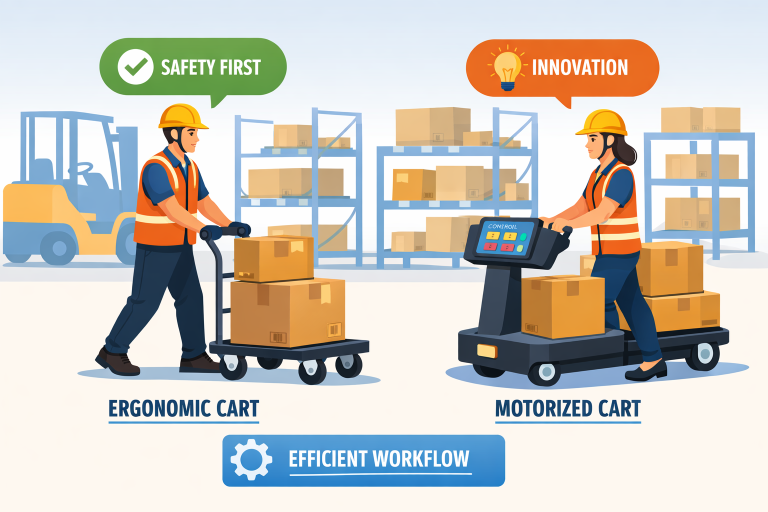
The latest material handling carts are engineered with a strong focus on ergonomics. Adjustable handles accommodate workers of varying heights, and lightweight yet resilient materials such as aluminum or composite plastics enable easy maneuverability, even in tight warehouse aisles. Carts intentionally designed for ergonomic benefit reduce the incidence of repetitive strain injuries, leading to higher overall productivity and a safer daily experience for employees. For more about workplace ergonomics in industrial settings, this OSHA resource offers valuable guidelines.
In addition to adjustable handles, innovations like contoured grip surfaces and spring-loaded platforms further support ergonomic use. Some carts feature anti-vibration wheels and platforms that minimize the transfer of shocks and vibrations from uneven floors, benefiting users over long shifts. Also, organizations are moving towards using softer handle materials and incorporating tool-free adjustability features so operators can customize the cart’s configuration to their needs without requiring extra equipment. These ergonomic advancements are recognized as crucial contributors to both safety and job satisfaction, ultimately leading to a more engaged and productive workforce.
Integration of Smart Technology
Smart technology is transforming material-handling carts into more than just transport tools. The adoption of Internet of Things (IoT) sensors and real-time tracking enables precise monitoring of cart location, usage statistics, and the condition of goods being transported. By leveraging these data streams, warehouse managers can optimize inventory flow, enhance security, and schedule preventative maintenance before breakdowns occur. Analytics dashboards provide actionable insights that streamline workflows and bolster overall operational efficiency.
Some advanced models are even equipped with fleet management systems that allow supervisors to remotely schedule routes and monitor the utilization of every cart. This enables better resource allocation and the identification of workflow bottlenecks. As predictive analytics becomes more widespread, smart material handling solutions can anticipate component wear, ensuring service is performed before a breakdown happens. Additionally, integration with warehouse management software (WMS) further extends the benefits, enabling seamless coordination between automated and manual processes.
Motorized Solutions for Heavy Loads
As workplaces demand greater capacity and higher throughput, motorized carts have emerged as indispensable allies. These carts alleviate the physical burden on employees when moving exceptionally heavy or oversized loads. With powered drive systems and precision controls, motorized carts facilitate the safe transport of goods over longer distances and across varying elevations within a facility. By reducing manual interventions, organizations not only safeguard employee health but also improve route scheduling and remotely monitor the utilization of every cart. This is a comprehensive IndustryWeek overview of workplace automation.
Recent developments in battery technology have enabled longer run-times and faster charging cycles for motorized carts, ensuring that high-volume operations are not hampered by downtime. Safety features such as automatic braking systems, speed limiters, and proximity sensors help reduce collision risks and accidents, furthering a culture of safety within the workplace. Some advanced carts also offer programmable operation modes that adjust their behavior based on load type, workplace configuration, or user experience level.
Importance of Maintenance and Training
Another critical factor in the safe and reliable use of material handling carts is routine maintenance. Regular inspection and swift repair of moving parts prevent unexpected breakdowns and potential accidents. Alongside mechanical care, frequent training initiatives ensure that all staff understand not only how to operate carts properly but also how to recognize early warning signs of mechanical failure. These steps make a substantial difference in reducing downtime and prolonging cart service life.
Organizations benefit from establishing structured training programs that go beyond basic operation, incorporating troubleshooting and compliance with the latest safety standards. Some companies use virtual or augmented reality tools to provide hands-on maintenance experience without risking real assets. Detailed maintenance logs and digital checklists, accessible through mobile devices, ensure timely servicing and help managers track patterns that could indicate systemic problems. The combination of proactive maintenance and comprehensive training empowers teams to respond confidently and maintain high productivity.
Use of Sustainable Materials
There is growing momentum in the logistics and manufacturing industries toward the use of eco-conscious materials in equipment design. The shift to recycled plastics, lightweight alloys, and biodegradable components reduces the environmental footprint of material handling carts without compromising durability or safety. Manufacturers are actively seeking ways to balance sustainability goals with high-performance standards, thereby contributing to both environmental and business sustainability. A deeper exploration of this trend can be found at Environmental Leader.
In addition, supply chains are placing increasing demands on manufacturers to certify the sustainability of their materials and production processes. Carts designed with end-of-life recyclability in mind can be dismantled, sorted, and processed with minimal waste, supporting circular economy principles. Furthermore, companies adopting eco-friendly carts often see benefits to their brand reputation and improved relationships with eco-minded partners or clients. These practices, when implemented across fleet operations, have a significant cumulative effect in reducing industrial carbon footprints.
Conclusion
Industry leaders are leveraging the latest innovations in material handling carts to create safe, efficient, and future-ready workplaces. By investing in ergonomic features, incorporating smart technologies, and adopting both motorized solutions and sustainable materials, businesses are elevating workplace safety and overall operational output. Coupled with ongoing training and robust maintenance schedules, these advancements in material handling carts form the cornerstone of an optimized, injury-reducing, and sustainable industrial environment.
As global markets continue to evolve and demand for rapid, responsive supply chains grows, the role of material handling carts will only become more significant. The convergence of health and safety, environmental responsibility, and next-generation technology is fundamentally reshaping how goods are moved within and between facilities. The industries that embrace these advancements are best positioned to thrive—achieving not only greater efficiency and safety, but also the resilience needed to adapt in an ever-changing manufacturing and logistics landscape.