

Innovative Approaches to Effective Commercial Landscaping Maintenance
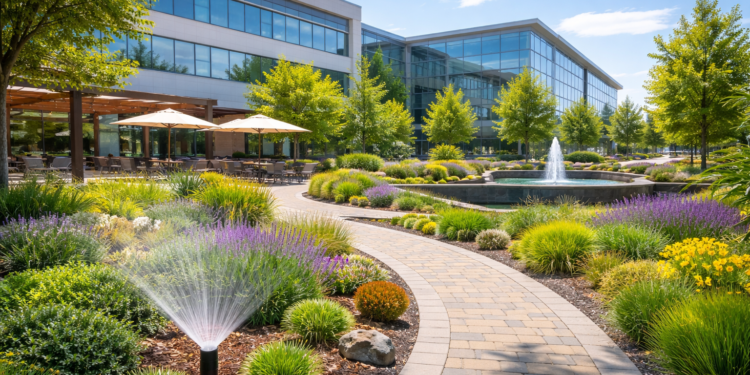
Maintaining a vibrant, professional commercial landscape requires more than routine lawn care. For businesses seeking an edge in curb appeal and sustainability, forward-thinking strategies represent an investment in both brand image and responsible stewardship. Companies that partner with specialists like Taylor Anthony 365 of Ponte Vedra discover the benefits of state-of-the-art techniques that reduce costs, support environmental goals, and foster welcoming settings for employees and visitors alike.
The next generation of commercial landscaping relies on new technology, plant diversity, and green practices that enhance the environment while streamlining upkeep. Well-designed landscapes not only reflect company values but also foster healthy ecosystems and boost occupant well-being. As expectations for corporate responsibility evolve, businesses are prioritizing innovative maintenance for both image and sustainability.
Smart irrigation, choice of plant species, use of durable materials, and employee-centric outdoor spaces are just a few of the approaches fueling results-driven landscaping success. Integrating these concepts means businesses can enjoy long-term returns through lower utility bills, improved public perception, and healthier green spaces.
This article will explore the most impactful strategies for effective commercial landscaping maintenance, providing actionable insights for companies striving to go beyond traditional approaches.
Table of Contents
Smart Irrigation Systems
One of the most effective ways to lower landscaping costs and support sustainability in commercial environments is the use of smart irrigation systems. By adjusting watering schedules in real time based on weather and soil conditions, these systems deliver only the necessary amount of water precisely where and when it is needed. This precise control prevents overwatering, ensures plant health, and slashes water bills without sacrificing appearance. According to the U.S. Environmental Protection Agency, smart irrigation can reduce outdoor water use by up to 50 percent, offering direct operational savings for businesses.
These advanced irrigation systems often integrate sensors placed in the soil or on landscaping surfaces that measure moisture levels and transmit real-time data to cloud-based controllers. With these intelligent systems, landscaping maintenance teams receive automatic alerts or reports, allowing for immediate adjustments to irrigation zones, frequency, or volume. Over time, this history of data helps refine watering schedules to optimize consumption and costs further. Additionally, smart irrigation reduces water runoff and erosion, helping a business comply with local water management regulations and reinforcing its reputation for resource efficiency.
Native and Drought-Resistant Plants
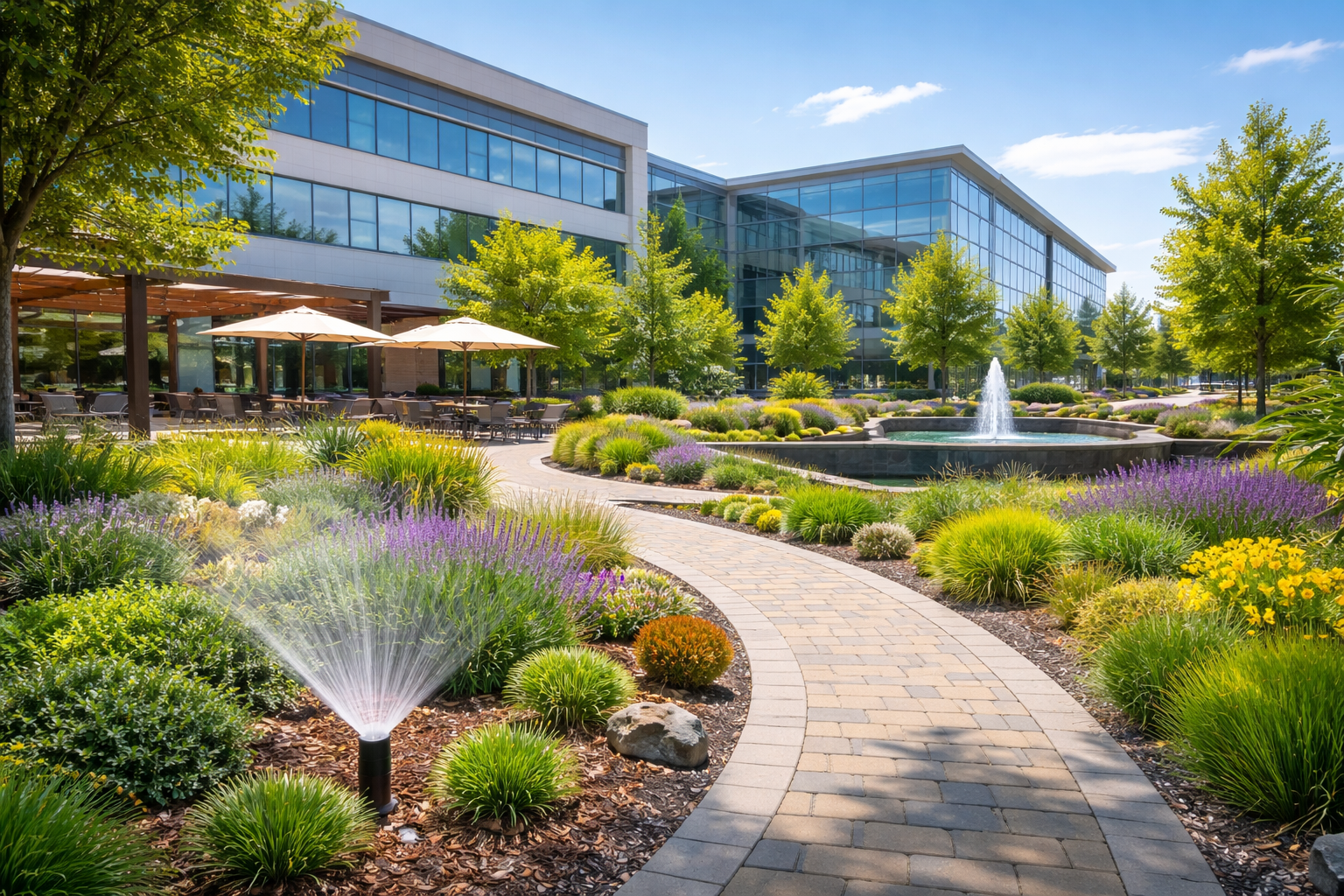
A low-maintenance, eco-friendly commercial landscape starts with smart plant selection. Native and drought-resistant species are especially well-suited for regional climates and weather fluctuations, often thriving with minimal supplemental watering or pesticides. These plants also attract pollinators and wildlife, which are essential to healthy local ecosystems. Techniques like xeriscaping, which design landscapes to minimize irrigation needs, offer impressive aesthetics and significant reductions in ongoing maintenance. The New York Times highlights how these choices make a meaningful impact on long-term sustainability and cost control.
Furthermore, the biodiversity created by native plantings adds year-round interest and resilience to commercial properties. Beyond improved water efficiency, native plants are less susceptible to disease, eliminating the need for chemical herbicides and pesticides that can harm the surrounding environment. The resulting habitat attracts local birds, bees, and butterflies, enhancing both visual appeal and supporting ecosystem functions. Seasonal wildflowers, flowering shrubs, and ornamental grasses not only beautify spaces with minimal input but also spark a sense of place that connects commercial grounds to the region’s natural character.
Hardscaping Elements
While plants form the heart of any landscape, incorporating hardscaping features can transform commercial properties. Walkways, patios, seating areas, and stonework offer year-round visual interest and reduce the reliance on grass or seasonal plantings, making maintenance less demanding. These elements also define usable outdoor spaces, improve accessibility, and withstand heavy traffic. Hardscaping not only increases property value and curb appeal but also ensures benefits without the water and fertilization required by traditional groundskeeping.
Innovative hardscaping can include permeable pavers, retaining walls, decorative boulders, and interactive water features that double as visual amenities and cooling elements. The use of recycled materials or locally sourced stone can also further green building goals and reduce carbon footprint. Well-designed lighting integrated into hardscaping adds value, extending the usability of outdoor areas into the evening and impressing visitors with compelling nighttime aesthetics. Blending hard surfaces with greenery in thoughtful ways also helps manage stormwater runoff more effectively, reducing erosion and maintaining landscape integrity.
Outdoor Workspaces
Modern businesses recognize the value of attractive, functional outdoor areas. Creating inviting outdoor workspaces, complete with ample seating, shade, Wi-Fi, and power, encourages employees to recharge, collaborate, or even conduct meetings in fresh air. These amenities can increase satisfaction, support well-being, and boost productivity. Proper maintenance of these spaces is essential, making them a long-term asset for the organization and a distinctive benefit when recruiting and retaining top talent.
Outdoor workspaces are also versatile, accommodating not just day-to-day business activities but also events, wellness programs, or community days. Flexible layouts allow spaces to transition between solitary workstations and group collaborations, while modern furniture and weather-resistant surfaces ensure comfort and durability. Design elements such as trellises, living walls, and shaded pergolas provide comfort and visual appeal, making outdoor venues attractive year-round. Effective planting and windbreaks can moderate microclimates, ensuring that employees and guests enjoy outdoor spaces in comfort throughout much of the year.
Sustainable Practices
Effective commercial landscaping goes hand in hand with sustainable practices that reduce environmental impact while improving daily operations. Businesses increasingly implement composting programs, transition to organic fertilizers, minimize pesticide use, and adopt integrated pest management strategies that keep plants healthy with less chemical intervention. These approaches contribute to soil vitality, enhance water retention, and deliver long-term financial returns by reducing the need for costly treatments. A move toward green landscaping practices elevates the company’s reputation as clients and partners become more environmentally conscious.
Many forward-thinking companies also explore installing solar-powered lighting, using electric equipment for groundskeeping, and selecting recycled or renewable materials for site upgrades. Rain gardens or bioswales can manage runoff and filter pollutants, reducing municipal drainage stress and showcasing environmental responsibility. Consistently reviewing landscape practices for innovations, like robotic mowers and AI-powered site monitoring, also ensures commercial properties remain on the cutting edge of efficiency and aesthetics as the landscaping industry evolves.
As businesses consider how to innovate and optimize their landscaping, these strategies demonstrate how modern, well-maintained commercial grounds can drive impressive returns in aesthetics, sustainability, and cost savings.