

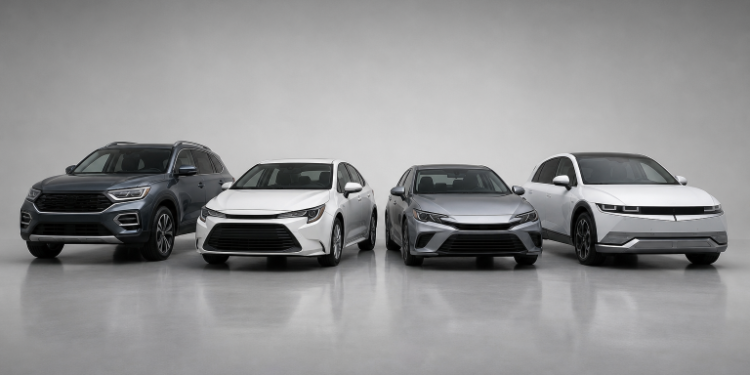
Choosing a vehicle powertrain is no longer a simple gas-versus-diesel decision. Today’s shoppers can choose gasoline vehicles, conventional hybrids, plug-in hybrids, and fully electric vehicles. The best fit depends on how you drive, where you park, what you carry, and what you can comfortably spend over time. When comparing available options and features, Learn More about the models that match your everyday needs. There is no universal winner. A driver with a long highway commute and no access to charging may prefer a hybrid, while someone with a predictable daily route and a home charger may find an EV especially convenient. In the second quarter of 2026, 24% of new U.S. light-duty vehicle sales were hybrids, plug-in hybrids, or battery-electric vehicles, indicating that many shoppers are considering alternatives to traditional gas-only vehicles.
Table of Contents
- 1 Why Powertrain Choice Matters
- 2 Gas, Hybrid, Plug-In Hybrid, and EV Basics
- 3 Match the Vehicle to Your Driving Habits
- 4 Check Charging Access Before Choosing an EV
- 5 Compare the Full Cost of Ownership
- 6 Review Maintenance and Service Needs
- 7 Consider Cargo, Passenger Space, and Towing
- 8 Use a Simple Vehicle-Choice Process
- 9 Make the Choice Fit Real Life
- 10 Conclusion
Why Powertrain Choice Matters
A vehicle should support real life after the excitement of purchase day fades. Consider three different drivers: a city commuter who drives 25 miles a day, a sales professional who travels hundreds of highway miles each week, and a family that uses one vehicle for school runs, vacations, pets, and home projects. Each household may reach a different answer, even with a similar budget.
Gas, Hybrid, Plug-In Hybrid, and EV Basics
Gasoline Vehicles
Gas-only vehicles use an internal combustion engine and can be refueled quickly at widely available stations. They remain practical for drivers who travel unpredictable distances, tow regularly, or lack reliable access to charging.
Hybrid Vehicles
A conventional hybrid combines a gasoline engine with electric assistance. It charges its battery via the engine and regenerative braking, so it typically does not need to be plugged in. This setup can be particularly useful in stop-and-go traffic.
Plug-In Hybrid Vehicles
A plug-in hybrid has a larger battery that can be charged from an outlet or charging station. It can cover shorter trips using electricity, then rely on gasoline when the battery charge is depleted. It is often a middle-ground choice for drivers who can charge frequently but want easy road-trip flexibility.
Electric Vehicles
An EV runs entirely on electricity stored in a battery. It has no gasoline engine, oil changes, or fuel-station stops, but it works best when charging fits naturally into a driver’s routine.
Match the Vehicle to Your Driving Habits
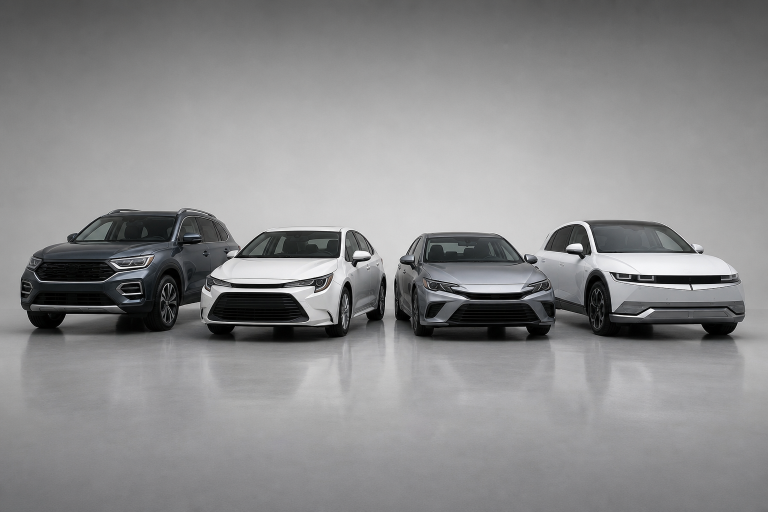
Start with a normal week, not an idealized version of your driving. Track weekday mileage, highway versus city travel, regular passengers, traffic, hills, and how often you take trips that exceed your typical daily distance.
- Mostly short trips without home charging: A gas vehicle or hybrid may be the easiest fit.
- Daily commuting with dependable home charging: A plug-in hybrid or EV may work well.
- Frequent long-distance travel: Gas, hybrid, and certain long-range EVs can work, but EV drivers should plan charging stops in advance.
- Changing schedules and mixed use: A hybrid provides efficiency without adding charging requirements.
Check Charging Access Before Choosing an EV
Charging access is often more important than maximum advertised range. Ask whether you have a private garage, driveway, assigned parking space, or permission to install equipment where you live. Also consider whether your electrical service can support the charger you want and what charging will cost. Public charging can supplement home charging, but it should not be assumed to be equally convenient everywhere. Before buying, use the charging-station locator to review locations near home, work, schools, shopping areas, and common road-trip routes. Consider charger types, hours, payment requirements, and whether stations are consistently available when you need them.
Compare the Full Cost of Ownership
The monthly payment is only one part of the budget. Compare similar vehicles over three to five years by including the purchase price or lease payment, down payment, financing interest, fuel or electricity, insurance, registration, tires, scheduled maintenance, charging equipment, and estimated resale value.
A simple worksheet can make the comparison clearer:
- Annual miles driven
- Expected fuel price or home electricity rate
- Estimated public-charging use
- Annual insurance premium
- Expected maintenance and tire expenses
- Home charger installation cost, if applicable
Review Maintenance and Service Needs
Gas vehicles generally require oil changes, filter changes, fluid changes, and engine-related services. Hybrids still have gas engines, though regenerative braking may reduce brake wear. Plug-in hybrids combine gas and electric components, so owners should understand both systems. EVs have fewer engine-related parts, but tires, brakes, thermal management systems, software updates, and battery coverage still deserve attention. Before signing, review the written maintenance schedule, roadside assistance terms, local service availability, and battery warranty. A lower routine service need does not diminish the importance of warranty coverage and qualified repair support.
Consider Cargo, Passenger Space, and Towing
Efficiency is only valuable if the vehicle handles your real responsibilities. Count regular passengers, bring child seats if needed, and check the cargo room for groceries, strollers, sports gear, tools, pets, or luggage. If towing matters, verify the exact vehicle’s towing capacity and payload rating rather than assuming every trim can do the same job. For EV shoppers, remember that cold weather, high speeds, steep grades, and heavy loads can reduce available driving range. Test drive the vehicle with the household whenever possible, including parking, rear-seat access, visibility, and cargo loading.
Use a Simple Vehicle-Choice Process
- Track one week of driving. Record mileage, trip lengths, passengers, and parking locations.
- Set a complete budget. Include energy, insurance, service, and fees.
- Remove unsuitable choices. A lack of reliable charging may rule out some EVs.
- Compare two or three similar vehicles. Keep size, equipment, and price in a close range.
- Take a practical test drive. Check comfort, cargo access, technology, and visibility.
- Review the final paperwork. Confirm warranty terms, financing, fees, and expected service needs.
Make the Choice Fit Real Life
A gasoline vehicle may provide the simplest travel plan. A hybrid may lower fuel use without changing daily habits. A plug-in hybrid can make sense for electric-focused commuting with gasoline backup, while an EV can be an excellent choice for drivers with predictable routes and reliable charging. Choose the powertrain that fits your routine, budget, and responsibilities, not simply the one receiving the most attention.
Conclusion
Choosing between gas, hybrid, plug-in hybrid, and electric powertrains is ultimately about finding the right balance between convenience, efficiency, capability, and cost. Your typical mileage, charging access, passenger and cargo needs, weather conditions, and long-distance travel habits should guide the decision more than trends or advertised efficiency numbers. A gasoline vehicle may offer unmatched refueling flexibility, while a hybrid can improve fuel economy without changing daily habits. Plug-in hybrids can provide electric driving for shorter trips with gasoline backup, and EVs can offer a convenient, lower-maintenance experience when charging fits naturally into the routine. By comparing the complete ownership picture, including financing, energy, insurance, maintenance, and resale value, drivers can choose a powertrain that remains practical and affordable long after the initial purchase.