
Eco-Friendly Kitchen Upgrades That Make a Big Impact
If you want to refresh your kitchen with sustainability in mind, eco-friendly upgrades are the perfect place to start. Modern designs and green technology now make it easier for homeowners to lower their environmental footprint in the heart of their home. By taking a thoughtful approach to your kitchen renovation, you can enhance the look and functionality of your space, help preserve natural resources, and reduce household waste. With strategic decisions, you can combine beauty, efficiency, and function to benefit your household and the planet. For those seeking a tailored approach, working with custom kitchen remodeling services ensures your remodeling project makes the most of smart, sustainable solutions, expertly balancing your style preferences and eco-conscious choices.
Table of Contents
Energy-Efficient Appliances
Installing energy-efficient appliances is one of the quickest ways to shrink your kitchen’s carbon footprint. Newer appliances are designed with performance in mind and built to use significantly less energy and water than their outdated counterparts. Look for the Energy Star label when selecting new refrigerators, dishwashers, and ovens. These products, certified by the Environmental Protection Agency (EPA), use advanced technology to minimize energy waste and save money over time. For example, Energy Star refrigerators feature better insulation and compressors, ensuring they keep food fresh while consuming less power. High-efficiency dishwashers require less water and energy per cycle, reducing utility costs and environmental impact.
Sustainable Materials
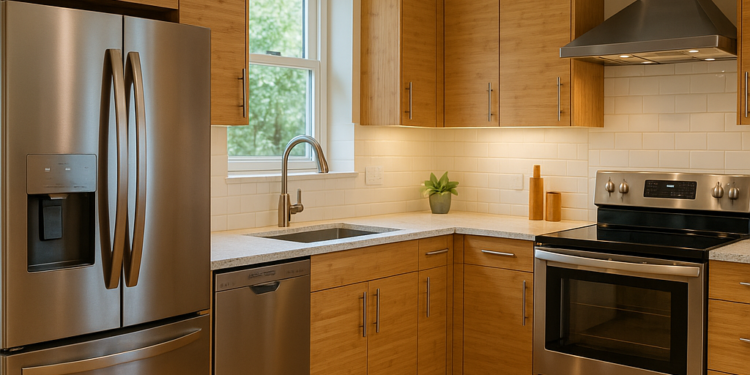
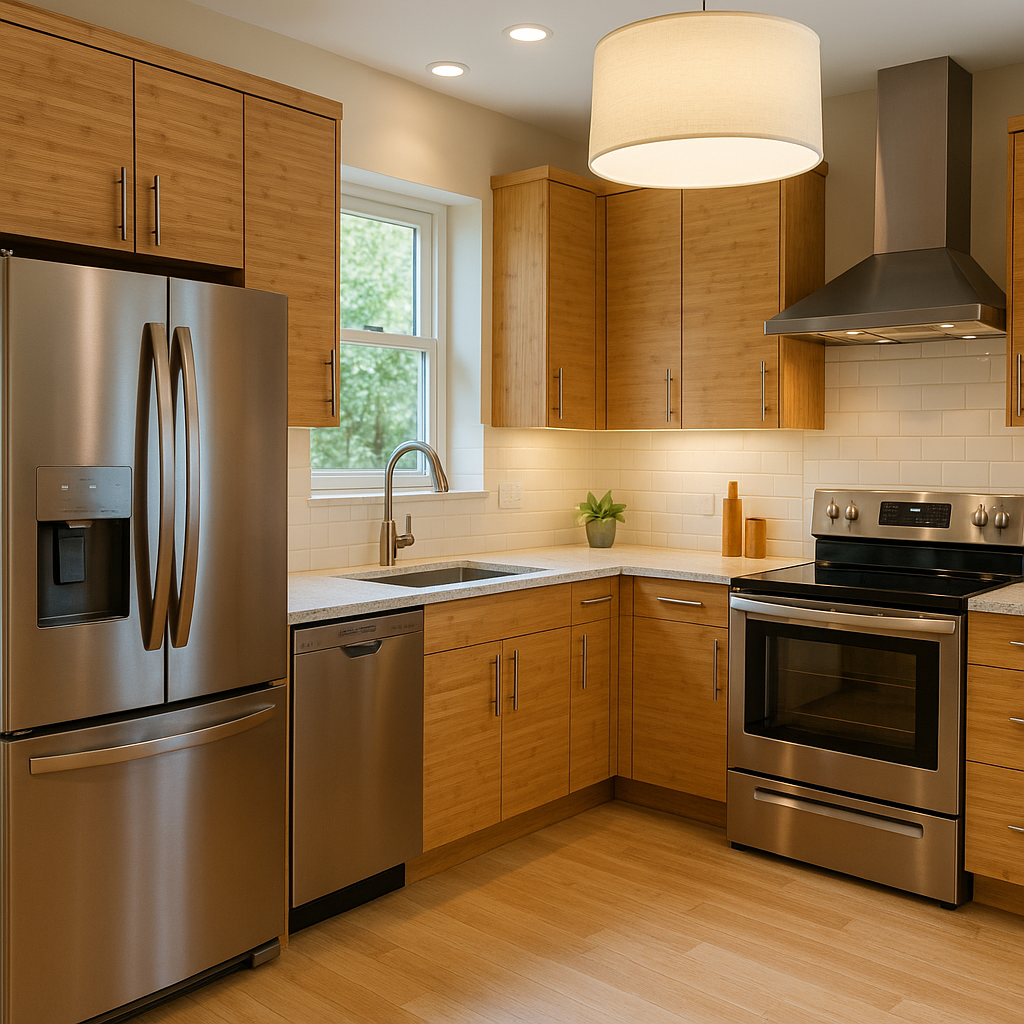
Selecting sustainable materials for counters, cabinets, and backsplashes is key to lowering the environmental impact of your kitchen upgrade. Eco-friendly materials, such as recycled glass, FSC-certified wood, bamboo, and reclaimed wood, have a lower environmental footprint and can introduce unique style elements. Bamboo stands out for its rapid renewability, strength, and clean aesthetic, making it ideal for cabinetry or flooring. Recycled glass countertops bring modern beauty and durability, and they divert waste from landfills by upcycling glass into useful surfaces. When choosing wood cabinets, prioritize those certified by the Forest Stewardship Council, confirming responsible forestry and supply chain practices.
Water-Saving Fixtures
Conserving water starts at the tap. Traditional kitchen faucets can waste gallons of water daily, but switching to efficient fixtures makes a noticeable difference. Replacing older faucets with modern low-flow models and aerators can cut water usage by as much as 30% without compromising flow or performance. These fixtures use innovative engineering to inject air into the stream, resulting in a steady, effective spray that reduces daily consumption while effectively rinsing dishes and produce. According to the EPA’s WaterSense program, choosing WaterSense-labeled products can save money and resources in kitchens of any size. In addition to faucets, consider installing a water-efficient dishwasher and fixing any leaks promptly, as even small drips can waste significant amounts of water over time. Upgrading to water-saving fixtures is a simple and highly effective step to a greener kitchen.
LED Lighting
Switching to LED lighting is a simple and highly effective way to slash energy use in your kitchen. LED bulbs use up to 80% less energy than traditional incandescent bulbs and last much longer, providing crisp and inviting light for years with minimal replacement and disposal required. Their versatility means you can customize your kitchen’s atmosphere, whether you want bright task lighting or a cozy ambiance for entertaining. Under-cabinet LEDs can enhance food prep areas while setting a warm tone for gatherings, making your kitchen functional and stylish. Plus, LED lighting is available in various color temperatures and dimmable options, allowing you to personalize your space further. Upgrade your kitchen’s mood and energy efficiency with a comprehensive LED lighting plan and lower your energy bills without sacrificing comfort.
Smart Kitchen Technology
The rise of smart home devices brings new ways to boost your kitchen’s sustainability. From intelligent, WiFi-enabled appliances to energy-harvesting gadgets, there are many innovative tools to streamline your routines and reduce waste. Energy monitors provide real-time feedback on your household’s consumption, helping you identify wasteful habits and appliances. Smart refrigerators can optimize temperatures based on your shopping habits, alerting you when food is nearing its expiration date and cutting back on unnecessary spoilage. Leak detectors and automated shutoff valves help conserve water by catching drips and malfunctions early, preventing costly water damage. These technologies work together for an efficient, safe, and future-ready kitchen, reducing your workload while saving precious resources.
Reusable Kitchen Items
Shifting toward reusable kitchen items instead of single-use plastics and papers reduces your environmental footprint. Stock your drawers with cloth napkins, microfiber towels, and silicone food storage bags. Glass jars are perfect for bulk dry goods, while reusable produce bags make grocery shopping more sustainable. These small changes add up over time, minimizing daily waste and costs. Regarding food storage, beeswax wraps and stainless steel containers offer eco-friendly alternatives to cling film and plastic baggies, keeping food fresh without adding to landfill waste. Not only will you reduce your impact, but you’ll also enjoy a more organized and attractive kitchen space.