
Comprehensive Cable Management Solutions for Mobile Industrial Equipment
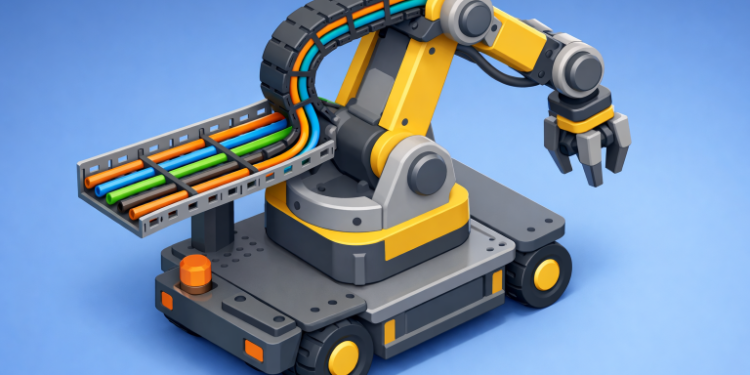
Effective cable management is a critical part of maintaining both safety and operational efficiency in mobile industrial equipment. Disorganized or damaged cables can present hazardous conditions, cause costly equipment failures, and slow down industrial workflows. Today’s complex machinery, with its constant movement and high-powered electrical requirements, demands advanced organization solutions. Modern tools such as Articulating Cable Management systems have become essential for keeping cables well-managed amid the rigors of mobile operation.
Understanding the necessity of structured cable management can help facility managers and engineers prevent common risks associated with cable tangles, exposure to harsh elements, and general wear and tear. Not only can the right cable management approach extend the lifespan of industrial cables, but it also reduces downtime and maintenance needs, improving productivity across mobile workforces.
The scope of cable management in mobile machinery extends to specialized disciplines, including those seen in critical infrastructure sectors. For instance, Drilling Structures also demand advanced cable organization for their harsh operational environments, relying on robust management to maintain uptime and meet safety requirements.
According to the Occupational Safety and Health Administration (OSHA), unmanaged cables and wires are frequent causes of workplace hazards, underscoring the importance of prioritizing reliable cable solutions within all industrial applications.
Table of Contents
Importance of Cable Management
Unmanaged or poorly routed cables are a primary cause of system failures and safety incidents in industrial settings. Faulty cables can bring production lines to a halt and expose employees to the risk of electrical shock or trip hazards. Statistics from leading industrial suppliers reveal that over half of equipment failures trace back to preventable cable issues. Proactive management, including scheduled inspections and structured organization, helps prevent such setbacks and is now recognized as a core component of plant safety standards.
Cable Tracks and Hose Carriers
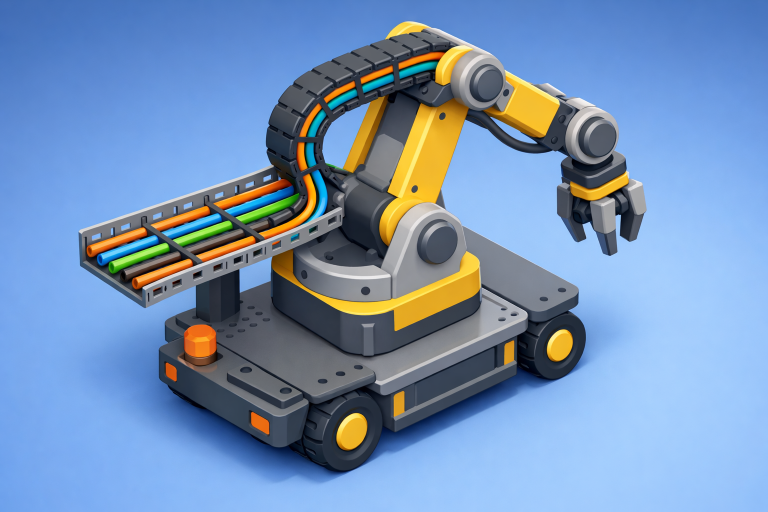
Mobile equipment often requires cables and hoses to move in tandem with machinery, exposing them to friction and movement stress. Cable tracks and hose carriers serve as guided pathways for these components, ensuring they flex and travel safely without tangling or excessive bending. These systems are constructed from rugged materials suitable for industrial conditions, and their flexibility helps accommodate dynamic machine movements, making them indispensable for equipment such as cranes, drills, and automated guided vehicles.
Leading industry guides emphasize the need for these solutions in demanding environments, supporting both safety and the longevity of valuable machinery.
Cable Trays and Raceways
For mobile industrial gear, cable trays and raceways provide organized, secure channels that support and protect electrical and data wires. These solutions simplify future upgrades and repairs by compartmentalizing cable runs and help to prevent accidental snags or cuts during operation. Materials for trays and raceways range from corrosion-resistant metals to plastics that offer a degree of flexibility for vibration-prone mobile machinery.
Braided Sleeving and Conduit
Braided sleeving envelopes cables with a mesh that protects against abrasion and minor mechanical impacts. This method remains flexible, allowing movement while shielding cables from rubbing and cutting. Conduit, on the other hand, offers a rigid defense against crushing and environmental hazards like moisture or chemicals. Both are widely used depending on the cable’s expected movement and exposure within the mobile equipment.
Heat Shrink and Cord Reels
Heat shrink tubing provides electrical insulation and environmental protection for cable junctions, connectors, and splices. It is a cost-effective solution to reinforce weak spots and add a layer of protection. Cord reels facilitate the safe storage and deployment of cords on mobile equipment, ensuring that cables remain neatly stowed when not in use and avoid drag-related wear or trip hazards.
Cable Clips and Clamps
Cable clips and clamps offer targeted solutions for fastening cables to fixed points on machinery, preventing unnecessary movement that leads to fatigue and breakage. Properly installed clamps reduce the stress on connectors and terminals, contributing to long-term reliability and ease of maintenance. They are a fundamental part of any mobile machine’s cable management protocol.
Innovations in Cable Management
Recent advancements in cable management have seen the integration of smart sensors and new materials to combat the traditional pain points of moving cables. Predictive monitoring helps identify points of wear before they become failures, while lightweight, high-durability polymers extend the lifespan of carriers and tracks. Research published by WIRED outlines how these emerging inventions are transforming operational reliability and reducing maintenance costs in mobile industrial environments.
Conclusion
Addressing the challenges of cable management in mobile industrial equipment is essential for maximizing safety, machine uptime, and operational efficiency. By deploying proven solutions ranging from articulating carriers and cable trays to advanced sleeving and smart innovations, facilities can extend the life of their assets and minimize costly downtime. Implementing robust systems and routinely updating practices ensures that both current and next-generation mobile machinery will operate reliably and safely in even the harshest industrial settings.