
Breathe Easy: Creating a Healthy and Comfortable Indoor Environment

Table of Contents
Mastering Temperature Control for Year-Round Comfort
Maintaining a consistent and comfortable temperature is fundamental to a pleasant indoor environment. It’s not just about avoiding extreme heat or cold; it’s about creating a stable climate that supports your well-being and protects your home.
Modern thermostats, particularly smart and programmable models, play a crucial role in effective temperature control. These devices allow you to set schedules, adjust temperatures remotely, and even learn your preferences over time. This level of control not only enhances comfort but also significantly contributes to energy efficiency. By optimizing heating and cooling cycles, you can reduce energy consumption and lower your utility bills.
Beyond your HVAC system, other factors play a crucial role. Proper insulation acts as a barrier, preventing heat transfer between your home’s interior and the outside world. Sealing air leaks around windows, doors, and other penetrations ensures that conditioned air stays where it belongs, further boosting efficiency and comfort. For specialized systems, understanding how to size them properly provides expert mini-split comfort, ensuring optimal performance and energy savings tailored to your space.
Another advanced approach to temperature management is zoned heating and cooling. This system allows you to divide your home into different areas, or “zones,” each with its own thermostat. This means you can heat or cool only the places you are currently using, preventing energy waste in unoccupied rooms and catering to individual preferences within the household. It’s a highly efficient way to personalize your home’s climate.

Balancing Humidity for Health and Home Preservation
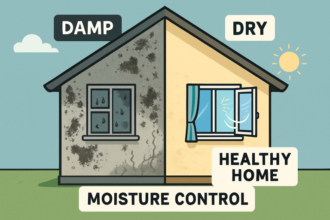
Humidity, often overlooked, is a critical component of indoor comfort and health. The ideal indoor humidity level typically ranges from 30% to 50%. Deviations from this range can lead to a host of problems for both occupants and the home itself.
High humidity, for instance, creates a breeding ground for mold and mildew, which can trigger allergies, respiratory issues, and leave a persistent musty odor. It can also damage wooden furniture, flooring, and structural elements of your home, leading to warping or decay. Conversely, low humidity can be equally problematic. It can dry out your skin, eyes, and nasal passages, leading to discomfort and increased susceptibility to colds and flu. Low humidity also contributes to static electricity, can damage wooden instruments and furniture, and even cause gaps in hardwood floors.
Fortunately, solutions are readily available to maintain optimal humidity levels. Dehumidifiers effectively remove excess moisture from the air, making them indispensable in humid climates and damp areas, such as basements. Humidifiers, on the other hand, add moisture to the air, providing relief during dry winter months. Beyond these devices, proper ventilation, particularly through the use of exhaust fans in bathrooms and kitchens, helps to remove moisture at its source before it can spread throughout your home.

The Critical Role of Indoor Air Quality and Safety
Indoor air quality (IAQ) is paramount for a healthy living environment. The air inside our homes can often be more polluted than the air outside, laden with airborne contaminants that can impact our health and comfort. These pollutants include common irritants such as dust, pet dander, and pollen, as well as more insidious substances, including Volatile Organic Compounds (VOCs) released from cleaning products, paints, and furnishings.
Effective air filtration is your first line of defense. Your HVAC system’s filter plays a vital role, and upgrading to a higher MERV (Minimum Efficiency Reporting Value) rated filter can significantly improve air quality by trapping smaller particles. HEPA (High-Efficiency Particulate Air) filters are even more effective, capable of capturing 99.97% of airborne particles 0.3 microns or larger, including many allergens and pathogens. The importance of clean air pathways is why many homeowners invest in professional services, such as Royal Carpet Cleaning air duct cleaning, ensuring that the air circulating through their homes is as clean as possible. Additionally, standalone air purifiers can target specific pollutants, utilizing technologies such as activated carbon to remove odors and gases, or UV-C light to neutralize airborne bacteria and viruses.
Carbon Monoxide Safety: Your Guide to Alarm Replacement and Maintenance
Beyond general air quality, a critical aspect of indoor safety is protection against carbon monoxide (CO). Often called the “silent killer,” carbon monoxide is an invisible, odorless, and tasteless gas that can be deadly. It’s produced by the incomplete combustion of fossil fuels, meaning any fuel-burning appliance in your home – furnaces, water heaters, gas stoves, fireplaces, and even vehicles running in an attached garage – can be a source. When inhaled, CO replaces oxygen in your bloodstream, leading to poisoning that can cause flu-like symptoms, serious permanent damage, and ultimately, death. For more comprehensive information on this dangerous gas, consult a reputable resource about CO poisoning.
When Should I Replace My Carbon Monoxide Alarm? Carbon monoxide alarms do not last forever. Like any electronic device, their sensors degrade over time. The lifespan of a CO alarm typically ranges from 5 to 10 years, depending on the model and manufacturer. For instance, some manufacturers, like First Alert, warrant their alarms for 5 years, while others, like Kidde, recommend replacement every 7 to 10 years. It’s crucial to check the manufacturer’s recommendations and the production date, usually found on the back or side of the unit. We strongly advise replacing your CO alarms according to these guidelines to ensure continuous protection.
How Do I Know If My Carbon Monoxide Alarm Has Reached Its End of Life? Your CO alarm will usually signal when it’s time for replacement. The most common sign is a specific chirping pattern that differs from a low-battery warning. Many alarms will emit a quick beep every 30 seconds, often accompanied by a flashing red LED light, to indicate that the unit has reached its end of life. This means the internal sensor is no longer reliable, and the alarm cannot effectively detect carbon monoxide. This end-of-life signal will persist even after the batteries are changed.
Can Replacing the Batteries Fix an End-of-Life Carbon Monoxide Alarm? No, replacing the batteries will not fix an alarm that has reached its end of life. While a low-battery chirp is resolved by replacing the batteries, an end-of-life chirp indicates that the entire unit needs to be replaced, not just its power source. The alarm’s sensor has expired, and it can no longer provide accurate detection, regardless of battery status.
How Often Should I Test My Carbon Monoxide Alarm? Regular testing is vital to ensure your CO alarms are functioning correctly. We recommend testing your carbon monoxide alarms at least once a month. Most alarms have a “test” button; press and hold it until the alarm sounds. This confirms that the alarm’s electronics and horn are working.
How Do I Maintain My Carbon Monoxide Alarm? Beyond monthly testing, proper maintenance includes:
- Battery Replacement: For battery-operated or plug-in alarms with battery backup, replace the batteries at least every six months to ensure optimal performance. A good practice is to do this when you change your clocks for daylight saving time. This provides the alarm with a consistent power supply. Even if you don’t hear warning beeps, proactive battery replacement is key.
- Cleaning: Dust and debris can interfere with the alarm’s sensor. Gently vacuum the alarm’s vents annually to keep them clear. Avoid using cleaning sprays or chemicals directly on the unit.
- Checking Expiration Date: Always be aware of the alarm’s manufacturer date and replace the entire unit when it reaches its recommended lifespan.
What Are the Recommended Locations for Installing a Carbon Monoxide Alarm? Strategic placement is crucial for effective CO detection. We recommend installing carbon monoxide alarms:
- On every level of your home, including the basement and attic.
- Inside each bedroom and near all sleeping areas.
- In hallways outside of sleeping areas. If a hallway is longer than 40 feet, place an alarm at each end of the hallway.
- At least 15-20 feet away from fuel-burning appliances (furnaces, water heaters) to prevent nuisance alarms, but close enough to detect potential leaks.
- At least 10 feet away from sources of humidity, such as bathrooms, to avoid false alarms.
- Mount them on a wall at least 6 inches below the ceiling or on the ceiling at least 6 inches from the wall, following manufacturer instructions. CO mixes evenly with air, so placement high or low is generally effective, but avoiding dead air spaces (like corners or behind curtains) is important.
What Are the Different Types of Carbon Monoxide Alarms Available? When choosing a new CO alarm, you’ll encounter several types:
- Battery-Operated: These offer flexibility in placement and continue to function during power outages. They require regular battery replacement.
- Plug-in with Battery Backup: These alarms plug into a standard electrical outlet and have a battery backup to ensure continuous protection during power interruptions.
- Hardwired with Battery Backup: Integrated into your home’s electrical system, these alarms are continuously powered and often interconnected, meaning if one alarm sounds, they all do. They also feature a battery backup.
- Combination Alarms: These units detect both carbon monoxide and smoke, providing dual protection in a single device.
What Are the Key Features to Look for When Buying a Carbon Monoxide Alarm? When purchasing a new CO alarm, consider these important features:
- Electrochemical Sensor: This is the most accurate and stable sensing technology for CO, less prone to false alarms from common household chemicals or humidity changes.
- End-of-Life Warning: Ensures the alarm will notify you when it’s time for replacement.
- UL or CSA Listed: Look for certifications from Underwriters Laboratories (UL) or Canadian Standards Association (CSA), which indicate the alarm meets strict safety and performance standards.
- Digital Display: Provides a continuous readout of CO levels, allowing you to monitor potential issues before they reach alarm thresholds.
- Peak-Level Memory: Records the highest CO concentration detected, which can be invaluable information for emergency responders if you’ve been exposed.
- Battery Backup: Essential for hardwired and plug-in models to maintain protection during power outages.
What Should I Do If My Carbon Monoxide Alarm Sounds? If your carbon monoxide alarm activates, take immediate action:
- Evacuate Immediately: Remove everyone, including pets, from the building and into fresh air. Do a head count to ensure everyone is accounted for.
- Call Emergency Services: Once safely outside, call 911 or your local emergency number.
- Do Not Re-enter: Do not return to your home until emergency responders have arrived, aired out the premises, and confirmed it is safe to do so. They can investigate the source of the CO leak. If the alarm reactivates within 24 hours, repeat these steps and call a qualified appliance technician to inspect your fuel-burning equipment.
Achieving Total Indoor Home Comfort: A Holistic Approach
True indoor comfort is a delicate balance, a symphony of interconnected systems working in harmony. It’s not enough to control temperature; every element, from humidity to air quality, plays a vital role in achieving Jackson Total Indoor Comfort. The synergy between these systems is profound: optimal temperature control is more effective when humidity is balanced, and both contribute to a perception of better air quality. When one element is out of sync, it can negatively impact the others, diminishing your overall comfort and potentially affecting your health.
Consider how the relationship between temperature and humidity directly affects your comfort level at a given temperature. High humidity can make warm air feel stifling and cold air feel damp, while low humidity can make any temperature feel drier and harsher. Similarly, poor air quality, laden with pollutants, can lead to discomfort, irritation, and even illness, regardless of the temperature or humidity conditions.
Achieving this holistic balance creates an environment that fosters well-being. Beyond the measurable aspects of air, other factors contribute to a comfortable living space. Natural lighting, for instance, can boost mood and productivity, while effective noise reduction creates a tranquil sanctuary that is free from the hustle and bustle of the outside world. It’s about creating a multi-sensory, comfortable space where you and your family can thrive.

Integrating Smart Technology for Improved Indoor Home Comfort
The advent of smart home technology has revolutionized our ability to manage and improve indoor comfort. A smart home ecosystem enables various devices to communicate and collaborate, creating an automated and responsive environment. Smart thermostats, for example, can integrate with smart lighting and shading systems to optimize energy use and comfort based on occupancy and natural light levels.
Automated adjustments mean your home can proactively respond to changing conditions. Sensors can detect rising humidity and automatically activate a dehumidifier, or monitor air quality and trigger an air purifier. Remote monitoring capabilities provide peace of mind, allowing you to check and adjust your home’s environment from anywhere using a smartphone app.
Smart air purifiers can track outdoor air quality reports and adjust their filtration levels accordingly. In contrast, smart CO/smoke detectors can send alerts directly to your phone, even when you’re away from home. Voice control integration provides hands-free convenience, allowing you to adjust settings with simple voice commands. Furthermore, learning algorithms in many smart devices can analyze your habits and preferences, continuously optimizing your home’s systems for peak efficiency and personalized comfort without constant manual input.
The Financial and Health Benefits of Good Indoor Home Comfort
Investing in good indoor comfort systems yields significant financial and health benefits. Financially, optimizing your home’s temperature, humidity, and air quality typically results in substantial energy savings. Efficient HVAC systems, proper insulation, and smart controls can dramatically reduce your utility bills. A well-maintained and comfortable home also tends to have increased property value, making it a wise long-term investment. Proactive maintenance of these systems can prevent costly breakdowns and extend the lifespan of your equipment.
The health benefits are perhaps even more compelling. A healthy indoor environment can lead to fewer sick days for family members, as improved air quality reduces exposure to allergens, viruses, and bacteria. Balanced humidity levels can alleviate respiratory issues and dry skin. The overall comfort contributes to improved sleep quality, which is essential for both physical and mental health. For individuals with allergies or asthma, a home with excellent air quality can significantly reduce symptoms, leading to a better quality of life. Prioritizing indoor comfort is, in essence, an investment in your family’s long-term health and well-being.
Conclusion
Creating a healthy and comfortable indoor environment is a journey that involves understanding and managing several key elements. We’ve explored the crucial strategies for mastering temperature control, balancing humidity, and ensuring superior indoor air quality and safety, with a special focus on the critical role of replacing and maintaining your carbon monoxide alarms.
By taking a proactive approach to these aspects of your home, you’re not just creating a more pleasant living space; you’re making a significant investment in the health, safety, and well-being of everyone under your roof. From the tangible benefits of energy savings and reduced utility bills to the invaluable improvements in sleep quality, fewer sick days, and relief from allergy symptoms, the long-term rewards are immense.
Your home should be a sanctuary, a place where you can truly breathe easy. By prioritizing a healthy and comfortable indoor environment, you ensure that your home remains a haven for your family for years to come.