

How Digital Tools Are Changing the Home Buying Experience
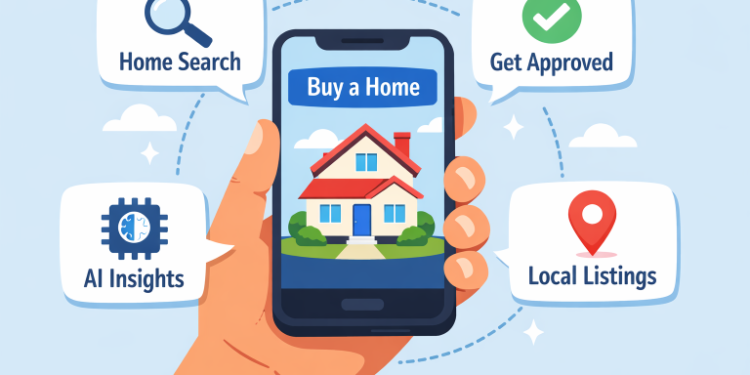
The real estate landscape is undergoing a significant transformation, with digital tools reshaping how individuals search for, evaluate, and purchase homes. This article explores the various ways technology is enhancing the home buying journey.
For those seeking luxury properties, partnering with an experienced professional can make a substantial difference. Working with a seasoned Beverly Hills luxury real estate agent can provide the level of expertise needed to navigate high-end transactions with confidence. The Tracy Tutor Team, led by renowned real estate agent Tracy Tutor, specializes in high-end markets across California and Texas. With over 25 years of experience and a portfolio exceeding $4.5 billion in sales, they offer unparalleled expertise in navigating the complexities of luxury real estate. Their deep understanding of markets like Beverly Hills ensures clients receive tailored guidance throughout the buying process.
Table of Contents
Digital Listings and Immediate Information
Gone are the days of relying solely on newspaper listings and in-person visits. Today, platforms like Zillow and Redfin provide comprehensive online listings, allowing buyers to filter properties based on specific criteria such as price, location, and amenities. This immediate access to information empowers buyers to make informed decisions efficiently.
In addition to these popular listing platforms, many local and boutique real estate agencies offer their own digital portfolios, granting prospective buyers more choices and access to exclusive listings not found elsewhere. Customized email alerts and notifications keep buyers updated on new properties that match their requirements, ensuring they never miss out on opportunities. By using digital listings, users can also quickly compare properties side-by-side, analyze neighborhood statistics, and check local school ratings – all from the comfort of their home or on the go with mobile apps.
Virtual Tours and 3D Walkthroughs
Virtual tours and 3D walkthroughs have become standard in the home buying process. These tools enable prospective buyers to explore properties remotely, offering a realistic sense of space and layout without the need for physical visits. This technology is particularly beneficial for out-of-town buyers or those with tight schedules.
The use of high-quality video and interactive imagery doesn’t just provide a static view of each room; it allows buyers to “move” through a property, zoom in on features of interest, and envision how their own furnishings might look in the space. Developers are also leveraging augmented reality (AR) to allow users to virtually “stage” a home or even renovate it digitally, changing wall colors, flooring, or fixtures to suit their tastes before they step foot inside. This level of immersion contributes to greater buyer confidence and can help streamline the decision-making process.
Artificial Intelligence in Home Searches
Artificial Intelligence (AI) is revolutionizing property searches by analyzing user preferences and behaviors to suggest homes that align with individual needs. AI algorithms consider factors like budget, desired features, and past search history to present personalized property recommendations, streamlining the search process.
AI-powered chatbots and virtual assistants are also becoming commonplace on real estate websites and apps. These intelligent tools are available 24/7 to answer questions, schedule appointments, provide property details, and even assist with pre-qualification for mortgages. Beyond personalization, AI helps identify emerging market trends, alerting users to investment opportunities or neighborhoods with rising value. As these tools grow more sophisticated, they can seamlessly integrate with smart calendars and communication apps, making the overall process more efficient and tailored to each buyer.
Digital Mortgage Applications and E-Closings
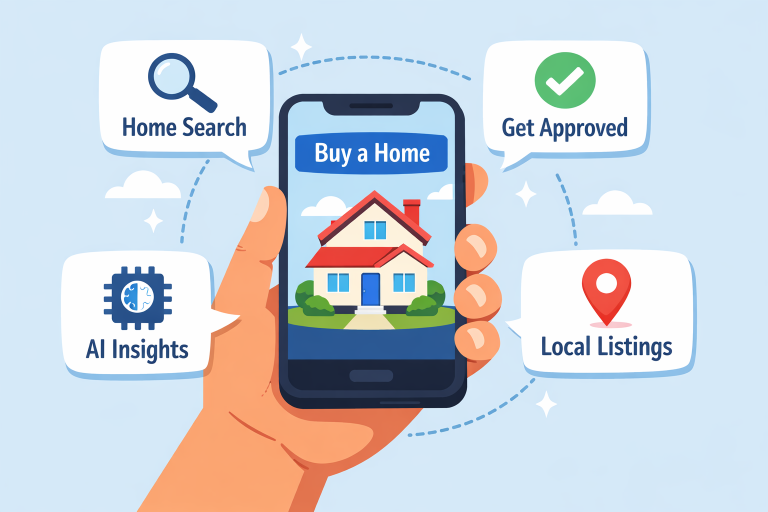
The financial aspect of purchasing a home has also been digitized. Many financial institutions now offer online mortgage applications, reducing paperwork and expediting approvals. Additionally, e-closings allow buyers to sign documents electronically, making the closing process more convenient and efficient.
Some lenders go a step further by offering digital pre-approval calculators and document upload functionalities, guiding homebuyers in real-time through each stage of financing. Electronic signatures and remote notary services eliminate the logistical challenges of in-person meetings, benefiting especially those buying from afar or with busy schedules. Automated loan tracking dashboards update clients throughout the underwriting and approval process, minimizing uncertainty and allowing buyers to react swiftly if additional documentation is needed. This end-to-end digital infrastructure makes financing faster, greener, and far less burdensome than traditional methods.
Smart Home Technology Integration
Modern homes are increasingly equipped with smart technology, enhancing convenience and energy efficiency. Features such as smart thermostats, security systems, and lighting can be controlled remotely via smartphones, offering homeowners greater control over their living environments.
As homeowners become more tech-savvy, expectations for integrated smart systems are rising. Voice-activated assistants can adjust lighting, temperature, and home security on command, while connected appliances provide real-time data on energy usage. These innovations not only provide practical benefits – like cost savings and peace of mind – but also add value to properties and are becoming key selling points. For buyers, the ability to evaluate a home’s technological readiness is easier than ever, thanks to detailed online information and virtual demonstrations by sellers or agents.
Data Analytics and Market Insights
Access to real-time data analytics provides buyers with insights into market trends, property values, and neighborhood statistics. This information aids in making informed decisions and negotiating fair prices. For instance, platforms like Wahi offer AI-powered insights to help buyers understand market dynamics.
Interactive maps show not just where a home sits, but how walkable the neighborhood is, proximity to public transport, crime rates, and even local business trends. Advanced analytics may track historical property prices and project future values, equipping buyers and investors with the context needed to make strategic decisions. Furthermore, customizable dashboards allow users to monitor only the data that matters to them, creating a more focused and meaningful research experience. This transparency in market dynamics helps level the playing field, giving first-time buyers and seasoned investors alike an edge.
Conclusion
The integration of digital tools into the home buying process has made it more accessible, efficient, and personalized. As technology continues to evolve, buyers can expect even more innovations that will further simplify and enhance their journey to homeownership.
Looking ahead, the continued convergence of digital technologies, from blockchain-enabled transactions to AI-driven interior design platforms, is poised to shape the next era of home buying. Empowered by these advancements, buyers can anticipate smoother transactions, better access to exclusive listings, and personalized experiences tailored for their unique preferences, needs, and lifestyles. It is an exciting time for both buyers and real estate professionals, as the digital revolution in home buying is just getting started.