
Essential Tips for Maintaining a Healthy Septic System
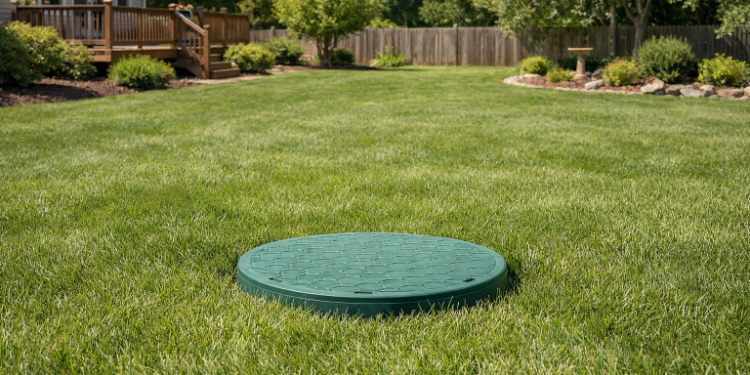
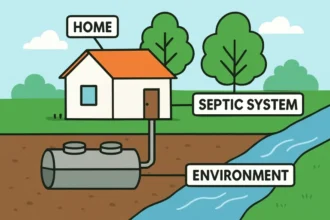
Maintaining a healthy septic system is one of the most important responsibilities for homeowners who rely on onsite wastewater treatment. Neglecting regular upkeep can lead to expensive problems and even environmental hazards. By learning and following effective practices, you can safeguard your septic system’s long-term performance and avoid unnecessary stress. For those seeking professional assistance, it’s wise to explore reputable septic tank services for comprehensive support.
Your septic system requires ongoing care, from monitoring water use to understanding what materials should and should not enter your drains. Adhering to best practices can help you prevent common issues and ensure your system works efficiently. Making septic system maintenance a routine part of home care is not only economical but also vital for protecting local water supplies and your own property’s value.
Every household’s usage patterns differ, but the core principles of septic management remain effective across most homes. Recognizing the connection between what goes down your drains and your system’s overall performance is key. If you are diligent about regular maintenance and repairs, your system will serve you well for years to come.
Sometimes, even the best care routines require professional intervention. Services like septic pumping are necessary to remove solid buildup and restore your system’s optimal function. Knowing when to call in an expert can prevent more serious disruptions down the line while keeping your septic tank in safe working order.
Table of Contents
Regular Inspections and Pumping
Frequent inspections and regular septic tank pumping are foundational for a healthy septic system. The United States Environmental Protection Agency recommends that systems be inspected every 3 years and pumped every 3 to 5 years. The actual frequency depends on your household size and water usage. Skipping these key maintenance visits can lead to clogs, leaks, and eventual system failure. Regular inspections also help detect early warning signs, allowing issues to be addressed before they escalate. For a detailed overview of recommended practices, consult the EPA’s guide on septic care.
Water Conservation Practices
Excessive water use is a major cause of septic overloads and premature failures. Simple water-saving strategies such as repairing leaks, upgrading to low-flow toilets and showerheads, and spreading out laundry loads can significantly lessen the workload on your system. Even small changes like turning off the tap while brushing teeth or taking shorter showers can add up. High-efficiency appliances are a worthwhile investment to limit strain on septic tanks and drainfields.
Proper Waste Disposal
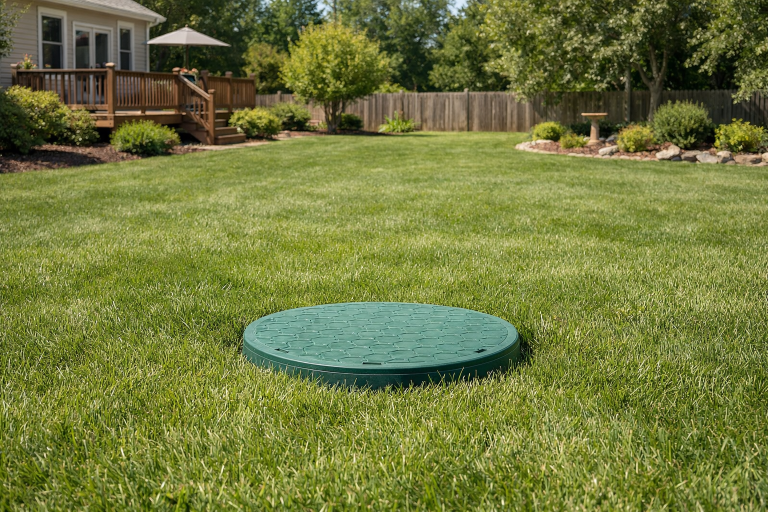
Only biodegradable human waste and standard toilet paper should enter your septic system. Non-biodegradable items, including wipes (even those labeled flushable), dental floss, feminine hygiene products, paper towels, and cat litter, should be disposed of in the trash instead. Kitchen drains are another area of concern; grease, fats, oils, and food scraps can quickly clog pipes and gum up tanks. Opt for eco-friendly cleaning solutions, as harsh chemicals disrupt the natural bacteria your septic system relies on to break down waste. The Consumer Reports guide on healthy septic habits offers further advice.
Drainfield Maintenance
Your drainfield is responsible for safely dispersing liquid waste after it leaves the septic tank. This area should never be driven on or used for heavy equipment storage. Compacting soil reduces its ability to filter and absorb water, potentially causing backups. Grass or shallow-rooted plants help prevent erosion and enhance absorption, whereas deep-rooted trees or shrubs can damage pipes and disrupt the system.
Landscaping Considerations
Landscaping choices directly impact septic system health. Avoid planting aggressive-rooted plants near tanks and drainfields, as their roots can infiltrate vulnerable pipes and tanks, leading to blockages or major failures. Consult a local septic specialist or landscape professional when determining where to plant trees and shrubs to ensure a safe distance from your septic system. Proper design also includes directing gutters and stormwater runoff away from the drainfield to minimize the risk of oversaturation.
Signs of Septic System Failure
Septic system problems often start subtly. Telltale signs of trouble include slow drains, plumbing backups, gurgling noises from pipes, bad smells in your yard or drains, and wet spots or unusually lush grass over the drainfield. Catching these indicators early means you can address concerns before they lead to larger repairs or environmental contamination. Routine observation of these areas and prompt attention to changes is the best preventive approach.
Cost Benefits of Maintenance
Routine care is a small investment compared to the potential cost of septic system replacement. Inspections and pumping generally range between $250 to $500 per service, while system repairs or full replacements can exceed $3,000 to $7,000 or more. Well-maintained systems not only last longer but also maintain your home’s resale value and prevent pollution of local groundwater. In addition, following proper maintenance protocols helps you stay in compliance with local health or environmental regulations, which can carry additional financial penalties if ignored. For more tips, visit The New York Times Home Maintenance Guide.
Conclusion
Regular maintenance, responsible water usage, proper disposal habits, and thoughtful landscaping choices all play important roles in keeping your septic system healthy. These steps help you avoid expensive failures and protect your property and the environment. Address any signs of trouble as soon as they appear, and do not hesitate to turn to professional septic tank and septic pumping services when needed. A proactive approach ensures your septic system continues to function safely and efficiently for years to come.