

Best Practices for Responsible Electronics and E-Waste Recycling
Table of Contents
The Role of Electronics in Sustainable Waste Management
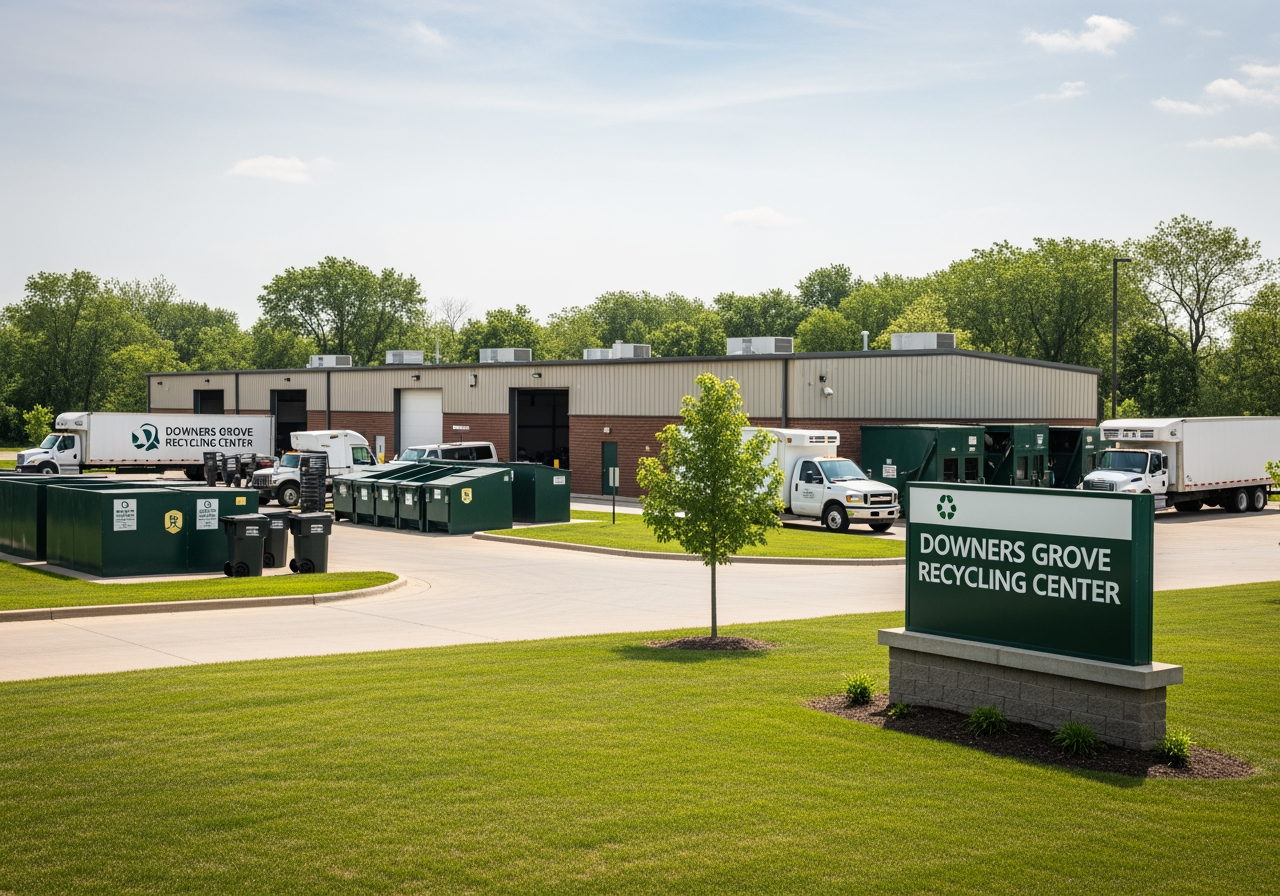 Our modern lives are deeply connected to electronic devices. From the smartphones in our pockets to the computers in our homes and offices, these items are essential. But what happens when these electronics reach the end of their useful life?
The rising volume of electronic waste, commonly known as e-waste, poses a significant challenge. Improper disposal can cause environmental harm by releasing toxic materials into our soil and water. It also carries a serious risk of exposing sensitive personal data. This makes responsible e-waste recycling incredibly important for our communities and our planet.
In this comprehensive guide, we will explore best practices for responsibly handling electronics and e-waste. We will focus on the specific services, programs, and regulations available to residents and businesses in Downers Grove. Our aim is to provide clear, actionable information to help you recycle correctly, protect your data, and contribute to a healthier environment.
We will cover everything from local recycling options and accepted materials to data security concerns and the environmental benefits of proper disposal. We believe that understanding and utilizing proper recycling channels is crucial for a cleaner future and for fostering a truly sustainable Downers Grove recycling effort. Join us as we navigate responsible e-waste management.

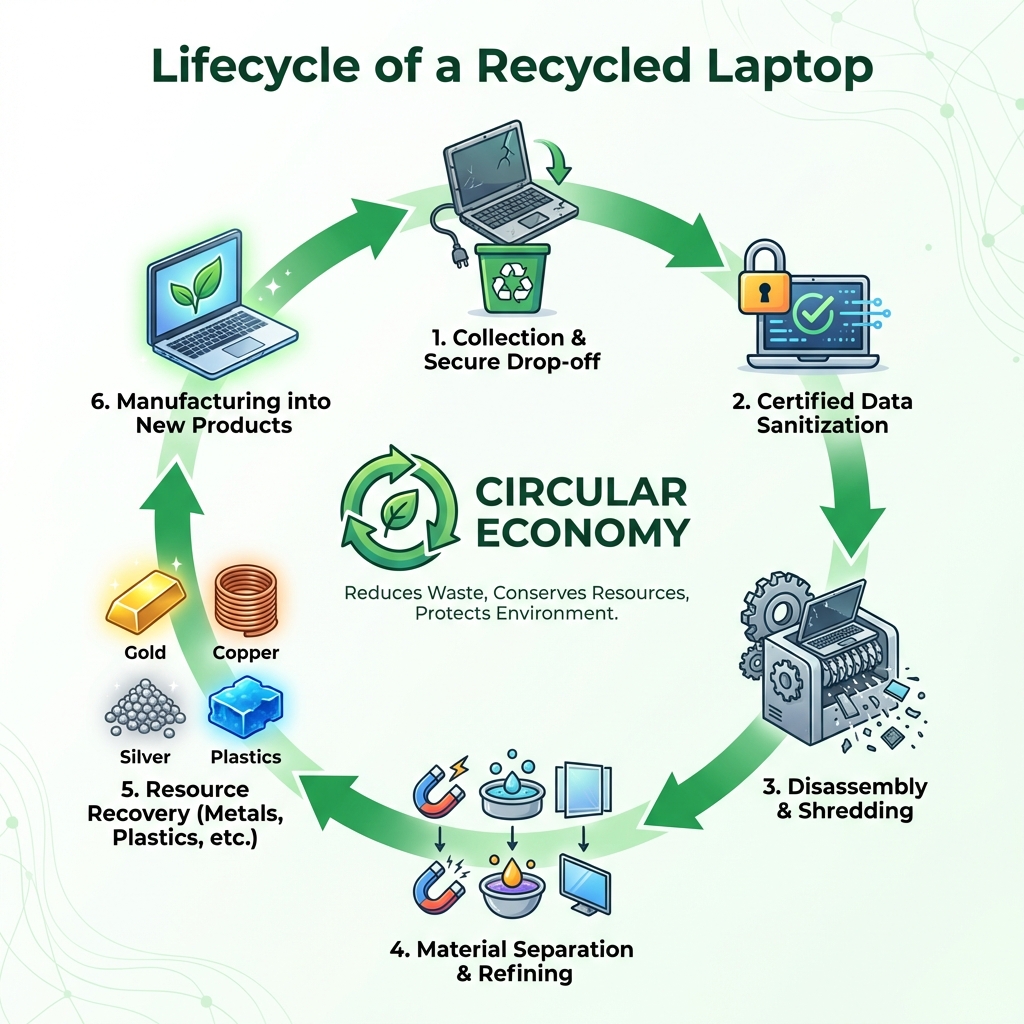
The concept of sustainable waste management is deeply intertwined with the lifecycle of electronic devices. As technology advances at an unprecedented pace, the volume of discarded electronics, or e-waste, continues to grow. Managing this waste effectively is crucial for transitioning towards a circular economy, where resources are kept in use for as long as possible, extracting maximum value from them, then recovering and regenerating products and materials at the end of each service life. This approach significantly reduces the amount of waste sent to landfills and minimizes the environmental impact associated with new resource extraction.
Landfill diversion is a primary goal of sustainable waste management. E-waste often contains hazardous materials such as lead, mercury, cadmium, and brominated flame retardants. When these items are simply thrown into landfills, these toxic substances can leach into the soil and groundwater, posing severe risks to human health and ecosystems. Proper recycling ensures that these harmful components are safely removed and processed, preventing environmental contamination.
Beyond mitigating harm, e-waste recycling is a vital source of valuable raw materials. Electronic devices are rich in precious metals, such as gold, silver, and palladium, as well as critical industrial metals, including copper, aluminum, and steel. Recovering these materials through recycling is often more energy-efficient and less environmentally damaging than mining them from the earth. For instance, recycling one million mobile phone handsets can recover approximately 800 pounds of silver, 30,000 pounds of copper, 70 pounds of gold, and 30 pounds of palladium. Similarly, recycling one million used laptop computers saves enough energy to power 3,500 homes for a year. These statistics underscore the immense potential of e-waste as an “urban mine.”
The importance of responsible e-waste management is recognized at various levels of government. The Illinois Electronic Products Recycling and Reuse Act, for example, mandates the recycling of certain electronic devices and prohibits their disposal in landfills. This legislation aims to reduce the amount of e-waste entering landfills and promote the responsible management of these materials. Adhering to such regulations is not just about compliance; it’s about contributing to broader environmental stewardship.
Implementing Sustainable Waste Management in Corporate IT
For businesses, particularly those with significant IT infrastructure, implementing robust IT Asset Disposition (ITAD) strategies is a cornerstone of sustainable waste management. ITAD encompasses the entire process of managing end-of-life IT assets, from data sanitization and asset recovery to environmentally responsible disposal. A well-planned ITAD program ensures that hardware lifecycle management is not only efficient but also aligns with corporate responsibility goals.
When companies decommission servers, computers, and other electronic equipment, they face dual challenges: protecting sensitive data and disposing of hardware in an eco-friendly manner. Asset recovery, which involves salvaging components or refurbishing entire units for reuse, can significantly extend the life of IT assets and reduce the demand for new products. For items that cannot be reused, secure and certified recycling is paramount. This includes ensuring that all hazardous materials are handled correctly and valuable resources are recovered.
Proper ITAD also involves meticulous record-keeping and documentation. Businesses need to maintain a clear chain of custody for all disposed assets, along with certificates of data destruction and recycling. This documentation is crucial for compliance with various regulations and for demonstrating a commitment to sustainability.
Here are some essential ITAD documentation practices:
- Asset Inventory Records: Detailed logs of all IT assets, including serial numbers, purchase dates, and disposal dates.
- Data Sanitization Reports: Proof that all data-bearing devices have been securely wiped or destroyed according to industry standards.
- Certificates of Destruction: Official documents from certified recyclers confirming the physical destruction of data storage devices.
- Environmental Compliance Reports: Documentation showing adherence to local, state, and federal e-waste disposal regulations.
- Recycling Certificates: Verification from recycling partners that materials were processed in an environmentally sound manner.
By integrating these practices, businesses contribute to sustainable waste management, protect their sensitive information, and uphold their environmental responsibilities. For more information on business electronics recycling, consider our guide on Electronics Recycling for Businesses in the Chicago Area.
Community Roles in Sustainable Waste Management
Residents and local municipalities play a critical role in the success of sustainable waste management. In communities like Downers Grove, understanding and utilizing available recycling services is key to minimizing environmental impact. Many municipalities offer various programs to facilitate the proper disposal of e-waste and other specialized items.
For everyday recyclables, Downers Grove residents primarily rely on Republic Services’ curbside collection services. This includes weekly collection of trash, recycling, and yard waste/organics for single-family homes. Recycling is provided free of charge to all residents, encouraging widespread participation. Accepted items typically include newspapers, mixed paper, magazines, cardboard, glass bottles and jars, metal cans, plastic containers #1-7 (excluding #6), and cartons. It’s important to rinse all recyclables and flatten containers to optimize collection efficiency.
However, electronics and household hazardous waste (HHW) are generally not accepted in standard curbside pickups. For these specialized items, residents must utilize designated drop-off facilities. The City of Naperville operates an Environmental Collection Campus at 156 Fort Hill Dr., Naperville, IL, which serves as a recycling/disposal site for DuPage County residents. This facility is crucial for disposing of electronics (anything with a cord) and household hazardous waste. For specific hours and accepted items, residents should visit the Naperville Environmental Collection Campus website.
Local recycling events are another important avenue for community participation. These events, often organized by municipalities or environmental groups, provide convenient opportunities for residents to dispose of a wide range of items, including electronics, paper, and other materials that might not be accepted in regular curbside collections. These events help raise consumer awareness about proper disposal methods and reinforce the importance of recycling. You can often find information on upcoming events through the DuPage County Recycling Guide.
For items like scrap metal, residents and businesses in Downers Grove have options with specialized recyclers. For instance, BL Duke provides comprehensive scrap metal recycling services, accepting ferrous metals (steel, iron, cast iron) and non-ferrous metals (copper, aluminum, brass, stainless steel, and select alloys). They offer scheduled pickups for businesses and allow the general public to drop off scrap metal at their Forest View Public Scrap Yard, which is about 13 miles from Downers Grove. This provides a valuable service for recycling materials that are too large or specialized for municipal programs. More details can be found by contacting them directly for service, pricing, or pickup scheduling.
Understanding these diverse avenues for recycling and disposal is crucial for Downers Grove residents to ensure that waste is managed responsibly, protecting both the environment and public health.
Data Security and Compliance in Hardware Disposal
In the age of digital information, data security is paramount, especially when disposing of electronic hardware. Every device that stores data, from computers and smartphones to external hard drives and even smart appliances, represents a potential vulnerability if not handled correctly at the end of its life. Simply deleting files or performing a factory reset is often insufficient to prevent data recovery by determined individuals. This is why professional data destruction is a critical component of responsible e-waste recycling.
Compliance with various data protection regulations is a non-negotiable aspect for businesses and individuals alike. Regulations such as HIPAA (Health Insurance Portability and Accountability Act) for healthcare data, FACTA (Fair and Accurate Credit Transactions Act) for consumer credit information, and GDPR (General Data Protection Regulation) for personal data in Europe, all mandate strict protocols for handling and destroying sensitive information. Failure to comply can result in severe penalties, including hefty fines and reputational damage.
Effective data destruction involves methods that render data unrecoverable. These methods typically fall into two categories:
- Data Sanitization: This involves overwriting data multiple times with meaningless patterns, often following standards such as NIST (National Institute of Standards and Technology) Special Publication 800-88, Guidelines for Media Sanitization. This method is suitable for devices that may be reused or resold.
- Physical Destruction: For devices that will be recycled, physical destruction is the most secure method. This includes shredding, degaussing (using strong magnetic fields to erase data), or punching holes through hard drives. Physical destruction ensures that the data is irrevocably destroyed and cannot be recovered.
When choosing an e-waste recycling partner, it is essential to look for certifications that attest to their data security practices. R2 (Responsible Recycling) certification, for example, is a widely recognized standard that ensures electronics recyclers operate with the highest environmental and data security standards. An R2 certified recycler will have robust processes in place for data destruction, environmental management, and worker health and safety.
Upon completion of data destruction, reputable recyclers provide official Certificates of Destruction. These documents serve as legal proof that your data has been securely and permanently erased or destroyed, fulfilling compliance requirements and offering peace of mind. For businesses, these certificates are vital for auditing purposes and demonstrating due diligence.
Here is a list of devices that commonly require secure data wiping or physical destruction before recycling:
- Desktop and Laptop Computers (Hard Drives, SSDs)
- Servers and Network Storage Devices
- Smartphones and Tablets
- USB Flash Drives and External Hard Drives
- Printers with Internal Storage
- Copiers and Multi-Function Devices
- Digital Cameras
- Medical Devices with Patient Data
- Point-of-Sale (POS) Systems
Understanding the nuances of secure data destruction and partnering with certified professionals is crucial for safeguarding sensitive information and maintaining compliance. Services like Secure Data Destruction in Chicago, IL, and Hard Drive Shredding and Data Destruction highlight the importance of these specialized services.
Understanding Local Infrastructure for Specialized Recycling
Navigating the recycling landscape in Downers Grove requires a clear understanding of the local infrastructure, services, and upcoming changes. The Village contracts with Republic Services for residential garbage, recycling, and yard waste collection, ensuring a consistent approach to waste management for single-family homes and some small multi-family buildings.
Curbside Services and Costs: For general waste and recycling, residents have two main options:
- Cart Rental: Republic Services offers various cart sizes for trash and, optionally, for yard waste. Recycling is provided free of charge with a blue recycling cart. Current monthly cart rental prices (as of April 1, 2024, to March 31, 2025) are:
- 35-gallon cart: $19.96 per month
- 65-gallon cart: $22.72 per month
- 95-gallon cart: $29.73 per month. These fees are typically invoiced quarterly.
- Sticker Program: Residents can also opt for a sticker program, where they purchase stickers for each bag or can of trash beyond what fits in their trash cart. Stickers are priced at $4.44 each (effective April 1, 2024, to March 31, 2025) and can be purchased at various local retailers and the Civic Center.
Yard Waste Collection: Yard waste collection is seasonal, running from April 1st through the second full week of December. Residents can use either a Republic cart (requiring a simultaneous garbage cart rental) or brown paper yard waste bags. Bundles of branches must not exceed 2 feet in diameter, 4 feet in length, and 50 pounds in weight, secured with string or jute twine. An optional compost program allows residents to blend food scraps (fruits, vegetables, eggshells, coffee grounds, etc.) with yard waste in rented carts.
New Recycling Program Changes (Effective April 1, 2026): Significant changes are on the horizon for Downers Grove’s waste and recycling program, designed to enhance sustainability and streamline services. These changes will take effect on April 1, 2026:
- Mandatory Cart Program: The Village will transition to a mandatory cart-based system, replacing the sticker program for regular trash and organics. Residents will need to select cart sizes for their trash and organics/yard waste.
- Elimination of Organics Stickers: Under the new program, stickers will no longer be required for yard waste or food scraps placed in the designated organics cart or brown paper bags. This encourages greater participation in organic waste diversion.
- Winter Organics Collection: For residents with organics carts, year-round collection will be an option, with every-other-week service during winter (starting December 21, 2026, through March 19, 2027) at no additional charge.
- Bulk Item Disposal: The new program allows up to 2 bulk items per week to be disposed of without stickers, simplifying the process for residents. Bundles will still be limited to 50 pounds, 5 feet in length, and 3 feet in diameter.
- Senior Discounts: Senior (65+) discounted rates for carts will be available. For example, a 35-gallon cart will be $10.00 (down from $19.00), a 65-gallon cart will be $13.65 (down from $24.40), and a 95-gallon cart will be $18.20 (down from $32.00). Seniors need to register by emailing senior@republicservices.com or visiting the Civic Center.
- Stickers for Excess: Stickers will still be required for bags or cans of trash that exceed the cart capacity, priced at $3.50 each beginning April 1, 2026.
Residents are encouraged to sign up for their preferred cart sizes by February 14, 2026, by calling Republic Services at 630.964.3232 to ensure timely delivery. You can find more comprehensive details on these changes and current services on the Village of Downers Grove Garbage and Recycling page.
Specialized Recycling Facilities: For items not accepted curbside:
- Electronics Recycling: Electronics (anything with a cord) are not picked up by Republic Services. Residents must take them to the Naperville Environmental Collection Campus.
- Household Hazardous Waste (HHW): The Naperville Environmental Collection Campus also serves as a collection site for HHW for DuPage County residents. This includes items like paints, solvents, chemicals, and certain batteries.
- Scrap Metal: For scrap metal recycling, BL Duke offers services for both businesses and the general public. Their Forest View Public Scrap Yard is approximately 13 miles from Downers Grove. They accept various ferrous and non-ferrous metals. For more information, you can contact them directly.
- Medication and Sharps Disposal: Unused prescription and over-the-counter drugs are accepted at the DuPage County Household Hazardous Waste collection site on weekends. The Illinois EPA also provides a website to find local drop-off locations for medications: medtakebackillinois.org. For sharps disposal, DuPage County offers specific resources.
- Specialty Items: For items like used cooking oil, SCARCE provides information on local collection points. Dart Container Corporation accepts foam recycling at its North Aurora facility. DuPage County also offers an online Repair Guide to help residents find professionals for repairing various items, promoting reuse over disposal.
To stay informed about collection schedules, accepted items, and special events, residents can utilize the Recycle Coach mobile app, which provides personalized tools and reminders.
Environmental Benefits of Resource Recovery
The act of recycling, particularly e-waste, extends far beyond simple waste disposal; it is a powerful tool for environmental conservation and resource recovery. By diverting electronics from landfills, we unlock a cascade of benefits that contribute to a healthier planet and a more sustainable future.
One of the most significant advantages is the recovery of valuable materials. Electronic devices are veritable treasure troves of precious metals and rare earth elements. For example, recycling one million mobile phone handsets a year can recover 800 pounds of silver, 30,000 pounds of copper, 70 pounds of gold, and 30 pounds of palladium. These materials are finite resources, and their extraction through traditional mining is often environmentally destructive, involving large-scale land disturbance, water pollution, and significant energy consumption. Recycling these metals reduces the need for new mining, preserves natural habitats, reduces greenhouse gas emissions, and conserves water resources.
Beyond precious metals, recycling also leads to substantial energy savings. Manufacturing new products from recycled materials almost always requires less energy than producing them from virgin raw materials. For instance, recycling one million used laptop computers can save enough energy to power 3,500 homes for an entire year. This reduction in energy demand translates directly into a lower carbon footprint, helping to combat climate change by reducing emissions from power generation.
is a critical environmental benefit. When e-waste is landfilled, it can contribute to greenhouse gas emissions, particularly if plastics degrade in environments that produce methane. Moreover, the entire lifecycle of a product, from raw material extraction to manufacturing and transportation, generates carbon emissions. By recycling, we shorten this lifecycle, reducing the overall carbon intensity of electronic goods.
The proper management of hazardous materials found in e-waste is another paramount benefit. Many electronic components contain toxic substances, including lead (in CRT glass and solder), mercury (in fluorescent lamps and older switches), cadmium (in batteries), and brominated flame retardants (in plastics). If these materials are improperly disposed of in landfills, they can leach into soil and water, contaminating ecosystems and posing serious health risks to humans and wildlife. Responsible recycling ensures that these hazardous elements are safely extracted and either neutralized or managed in an environmentally sound manner. Specialized processes are developed for items like CRT glass, where lead must be carefully removed, and for lithium-ion batteries, which pose fire risks if not handled correctly.
Here is a list of materials recovered from 1 million mobile handsets:
- 800 pounds of silver
- 30,000 pounds of copper
- 70 pounds of gold
- 30 pounds of palladium
By actively participating in e-waste recycling programs, residents and businesses in Downers Grove contribute directly to these environmental benefits, fostering a healthier community and a more sustainable global economy. For a deeper dive into the importance of electronics recycling, explore resources such as “Electronics Recycling in Chicago, IL – Why It Is Important.”
Frequently Asked Questions about E-Waste
What electronics are prohibited from standard curbside trash?
In Illinois, under the Electronic Products Recycling and Reuse Act, a wide range of electronic devices are banned from landfills and cannot be placed in standard curbside trash. These typically include:
- Televisions (CRTs and flat screens)
- Monitors (CRTs and flat screens)
- Computers (desktops, laptops, notebooks, tablets)
- Printers, scanners, fax machines
- Keyboards, mice, and other computer peripherals
- DVD players, VCRs, and other video game consoles
- Cell phones and other portable electronic devices
- Small-scale servers
- Digital converter boxes, cable receivers, and satellite receivers
For Downers Grove residents, this means these items must be taken to a designated electronics recycling facility, such as the Naperville Environmental Collection Campus. Republic Services does not pick up electronics curbside.
How does professional data destruction differ from factory resetting?
A factory reset or simply deleting files from a device does not permanently erase data. When you delete a file, the operating system simply marks the space it occupied as available, but the actual data remains until it is overwritten. Similarly, a factory reset restores a device to its original settings but often leaves recoverable fragments of personal information.
Professional data destruction, on the other hand, employs methods designed to render data completely unrecoverable. These methods include:
- Data Wiping/Sanitization: Using specialized software that overwrites all data on a storage device multiple times with random characters, following standards like NIST 800-88. This ensures that even advanced forensic techniques cannot retrieve the original data.
- Degaussing: Applying a powerful magnetic field to a hard drive to disrupt and neutralize the magnetic domains that store data, effectively erasing it.
- Physical Destruction: Shredding, crushing, or punching holes through hard drives and other storage media. This method physically destroys the platters or chips where data is stored, making recovery impossible.
Professional services also provide a Certificate of Destruction, offering verifiable proof that data has been securely eliminated, which is crucial for legal compliance and peace of mind. For businesses, this is a critical aspect of IT Asset Disposition in Chicago, IL.
What are the benefits of certified R2 recycling facilities?
R2 (Responsible Recycling) certification is a globally recognized standard for electronics recycling. Choosing an R2 certified facility offers several key benefits:
- Environmental Protection: R2-certified recyclers adhere to strict environmental management systems, ensuring hazardous materials are handled safely and responsibly, preventing pollution and promoting the recovery of valuable resources.
- Data Security: R2 certification mandates rigorous data destruction protocols, including data sanitization and physical destruction, ensuring that sensitive information on discarded devices is permanently unrecoverable.
- Worker Health and Safety: R2 facilities must maintain high standards for worker health and safety, protecting employees from exposure to hazardous materials and unsafe working conditions.
- Legal Compliance: R2-certified recyclers comply with all applicable local, national, and international environmental and data protection laws and regulations, thereby reducing legal risks for their clients.
- Transparency and Accountability: R2 certification requires thorough documentation and auditing, providing transparency in the recycling process and accountability for the proper management of e-waste.
- No Export to Developing Countries: R2-certified recyclers are prohibited from sending unprocessed, potentially hazardous e-waste to developing countries, thereby preventing the environmental and social injustices associated with such practices.
By using an R2-certified facility, you can be confident that your electronics are recycled in an ethical, environmentally sound, and secure manner.
Conclusion
As we’ve explored, responsible electronics and e-waste recycling are multifaceted endeavor that requires collective effort from individuals, businesses, and municipalities. In Downers Grove, we have a clear framework and resources to guide us toward sustainable practices. From understanding the nuances of curbside collection and specialized drop-off points to grasping the critical importance of data security and the upcoming program changes in April 2026, every piece of information helps us make informed decisions.
Environmental stewardship is at the heart of these efforts. By properly recycling our electronic devices, we’re not just decluttering; we’re actively conserving resources, reducing energy consumption, lowering our carbon footprint, and preventing hazardous materials from contaminating our environment. The recovery of precious metals and other valuable components from e-waste is a testament to the power of a circular economy, turning what was once considered waste into a valuable resource.
Looking ahead, as technology continues to evolve, so too must our approach to managing its end-of-life. Embracing sustainable habits today will pave the way for a healthier planet for future generations. We encourage all Downers Grove residents and businesses to utilize the available resources, stay informed about program updates, and actively participate in creating a more sustainable community. By working together, we can ensure that our technological advancements don’t come at the expense of our environment, fostering a legacy of responsible consumption and long-term resource viability.