

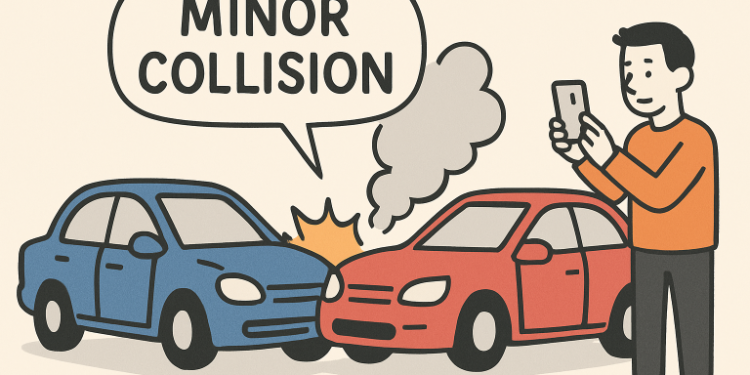
Unexpected events like car accidents can instantly turn an ordinary day into one filled with confusion, anxiety, and uncertainty. The shock of a collision, even a minor one, can leave you physically shaken and emotionally rattled, often making it difficult to think clearly or know what to do next. This disorientation can cause important details to be overlooked in the crucial moments following a crash. Acting quickly and knowing exactly what steps to take can be critical—not only to ensure your immediate safety but also to protect your legal rights and financial well-being in the days and weeks ahead. If you find yourself in such a situation, especially in Iowa, RSH Legal – Des Moines car accident attorneys can provide helpful guidance, offering support and expert advice as you navigate the aftermath of a collision, whether you are dealing with injuries, property damage, or insurance companies.
Table of Contents
Ensure Safety and Seek Medical Attention
Your first instinct after a car accident should always be to check yourself and your passengers for injuries, even if none are immediately apparent. Some injuries, such as concussions or soft tissue damage, may not show symptoms right away because adrenaline can mask early signs of pain. Take a deep breath, try to remain calm, and assess your surroundings. If it is safe and your vehicle is drivable, move it to the side of the road to avoid causing further accidents or posing a danger to oncoming traffic. Otherwise, stay inside your vehicle with your seatbelt fastened until help arrives. Call 911 for emergency medical attention, regardless of whether injuries seem major or minor; prompt evaluation can catch injuries that might surface hours or even days later, such as internal trauma or whiplash. Professional medical documentation is not only indispensable for your health, but also serves as crucial evidence if you later need to file an injury claim. Never underestimate the importance of putting your physical safety first before attempting to manage any other responsibilities at the scene.
Contact Law Enforcement
Regardless of how minor the accident may appear, it’s important to contact law enforcement as soon as possible. In most states, calling the police is required by law, especially when there are injuries or significant property damage. When officers arrive, they will assess the scene, direct traffic if necessary, and ensure the safety of all individuals. Most importantly, they will generate an official accident report—a neutral record that will become critical for resolving insurance claims, establishing fault, and addressing disputes about what occurred. This unbiased documentation from law enforcement is one of the most reliable records you can provide to your insurance company or legal counsel. Always be courteous and cooperative with the responding officers, but avoid making speculative statements about the accident’s causes or details you’re unsure about. Provide straightforward, factual information so the report accurately reflects the situation. Having an official police report also protects you from later legal complications or disagreements with other parties involved in the accident.
Exchange Information
After ensuring everyone’s safety and contacting law enforcement, the next step is to exchange important information with the other driver or drivers involved in the collision. Gather names, contact numbers, and home addresses for each driver. Collect driver’s license numbers, license plate numbers, vehicle descriptions, registration details, and insurance policy numbers. Be polite, but thorough—these details are vital when filing insurance claims or if you must take legal action in the future. If passengers or bystanders witnessed the collision, collect their names and phone numbers as well; witness accounts can provide invaluable third-party perspectives and may be especially useful when fault is contested or facts are disputed. Double-check all information for accuracy, as small mistakes can create complications down the line. Proper documentation at this stage ensures all parties are held accountable and prevents misunderstandings or fraudulent claims later on.
Document the Scene
Preserving evidence at the scene can make all the difference in how your insurance company or the courts assess your claim. Use your phone to take multiple clear pictures and videos of the entire accident scene. Capture wide shots that show how the vehicles are positioned relative to each other and to the road, as well as close-ups of visible damage to all vehicles involved. Include photos of road conditions, skid marks, traffic signals, weather, debris, and any other relevant details that might explain what happened. If you or your passengers suffered visible injuries, document those as well. This visual evidence helps tell the full story and can refute misleading claims or incomplete recollections from others. For tips on comprehensive scene documentation, Consumer Reports suggests capturing images from multiple perspectives and including important context in each shot. Besides photographs, jot down your own immediate observations about the accident while the details are fresh in your mind—include the date, time, weather, location, and sequence of events.
Avoid Admitting Fault
In the aftermath of a collision, it’s entirely normal to feel overwhelmed—and sometimes even guilty—even if you’re not to blame. However, avoid making any statements that could be interpreted as acknowledging fault, such as saying “I’m sorry” or speculating about why the accident occurred. Admissions of fault, even if well-intentioned, can harm your case and may be used against you by insurance companies or in court. Keep your conversations factual and concise when speaking to other drivers, witnesses, or the police. Allow insurance adjusters, legal experts, and (if necessary) the courts to determine responsibility based on all the evidence collected. By staying focused on the facts and cooperating respectfully with authorities, you minimize the risk of inadvertently compromising your rights.
Notify Your Insurance Company
Once you’ve left the accident scene and addressed any medical needs, your next priority should be notifying your insurance provider without delay. Timely reporting is essential, even if you think the other party is clearly at fault or the damage appears minimal. Provide your insurer with all the information and evidence you have gathered, including photos, the police report number, and contact details for other involved parties and witnesses. Prompt notification ensures you remain eligible for coverage, allows your insurer to launch its own investigation quickly, and helps prevent unnecessary delays in the claims process. Your insurance company can also guide you through the next steps, such as arranging for vehicle repairs, obtaining estimates for damage, and explaining what your policy covers.
Consult a Professional
If you suffer injuries, face a complex liability dispute, or encounter resistance from insurance companies, consulting with a qualified attorney is a smart move. Legal professionals understand Iowa’s specific laws regarding car accidents and personal injury claims, and can guide you through the often overwhelming paperwork, negotiations, and deadlines. They protect your rights and work on your behalf to secure compensation for medical bills, vehicle damage, lost wages, and pain and suffering. Most personal injury attorneys, including those at RSH Legal, offer free initial consultations, giving you a risk-free way to explore your options following a crash. Access to professional legal counsel can make the difference between a fair settlement and protracted, stressful disputes.
Follow Up on Medical Care
Never underestimate the importance of ongoing medical care after an accident, even if you initially feel fine. Symptoms of injuries such as whiplash, soft tissue sprains, headaches, or cognitive changes may develop days after the incident. Schedule follow-up visits with your healthcare provider to monitor your recovery and address any new symptoms that appear. Maintain a journal of your symptoms, doctor visits, treatments, and any daily challenges you experience as a result of the accident. Keep receipts for medical expenses, medications, and any out-of-pocket costs. Comprehensive records are essential not only for optimal care but also to strengthen future insurance claims or legal cases. Attending all appointments and following medical advice also demonstrates diligence, which may support your claim’s credibility.
Final Thoughts
By taking thoughtful, decisive steps after a car accident, you can manage the incident’s many repercussions with greater confidence and less stress. Your actions will aid law enforcement, streamline the insurance process, and most importantly, safeguard your health and rights as you recover from a distressing event.