
Understanding the Corrosion-Resistant Advantages of Zinc Roofs
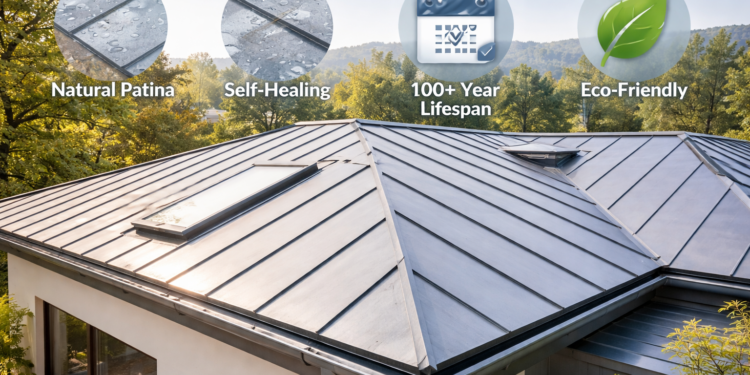
Zinc roofing has gained attention in modern construction for its durability and ability to withstand challenging environmental conditions. As buildings are increasingly exposed to moisture, pollution, and fluctuating temperatures, selecting materials that can resist long-term damage is essential. Among the various options available, zinc stands out for its natural ability to form a protective layer over time, helping reduce corrosion. Understanding how this material performs under different conditions can help property owners and designers make informed decisions when considering long-lasting roofing solutions.
One of the key advantages of zinc roofing lies in its corrosion-resistant properties, which develop through a self-healing patina that protects the surface from rust and degradation. This natural barrier not only extends the roof’s lifespan but also reduces maintenance requirements compared to more traditional materials. Additionally, zinc’s resilience in coastal or high-humidity environments makes it a practical choice where corrosion is a common concern, supporting both structural integrity and consistent performance over time.
Table of Contents
Natural Patina Formation
Zinc’s most notable feature is its ability to develop a natural patina when exposed to air and moisture. This layer, primarily composed of zinc carbonate, creates a bluish-gray finish that protects the metal from corrosion, unlike steel, which rusts. The patina forms gradually, ensuring both long-lasting functionality and aesthetic appeal.
Environmental factors, such as humidity and air pollution, can influence the formation of the patina. In coastal areas, where salt can accelerate corrosion, zinc stands out by developing an even stronger patina. This adaptability makes zinc a reliable choice for regions with harsh weather conditions.
The gradual development of the patina also enhances the visual appeal of zinc roofing, providing a timeless look that both architects and homeowners appreciate.
Self-Healing Properties
Another practical strength of zinc is its self-healing ability. If a zinc roof is scratched or minorly damaged, the patina will gradually reform over the affected area, “healing” the imperfection. This built-in repair mechanism reduces the need for frequent touch-ups or costly restoration work. As a result, zinc roofs remain consistently robust without constant maintenance, supporting peace of mind for property owners.
The self-healing action is particularly valuable in climates subject to hail, falling debris, or frequent animal activity. Scratches and minor damage that might compromise other metal roofs are virtually inconsequential for zinc, since the patina’s renewal is a continuous process. This reduces the risk of water intrusion and preserves the roof’s long-term quality, making it an ideal material in both urban and rural settings.
Longevity and Durability
The union of patina formation and self-healing properties results in an extremely long-lasting roofing material. For comparison, asphalt shingles may last just 20 to 30 years. Zinc, by contrast, typically lasts over 100 years when installed and maintained correctly. This longevity translates into better long-term value and fewer disruptions from replacement projects, making zinc a prudent choice for both residential and commercial applications.
Zinc’s innate flexibility also enables it to withstand normal building movements, temperature fluctuations, and settling, all without cracking or splitting. This makes zinc not only durable but also highly reliable as buildings age. Some historical buildings with original zinc roofs installed over a century ago remain in service today, a testament to their unparalleled resilience.
Environmental Benefits
Zinc also excels from an environmental standpoint. It is completely recyclable, which means that after its long service life, every part of the roof can be reused without a decline in quality. Additionally, zinc production uses less energy than many other metals, thereby lowering its environmental impact. According to the U.S. Green Building Council, using recyclable, energy-efficient materials like zinc can significantly reduce a building’s overall carbon footprint.
Beyond its recyclability, zinc also contributes to improved indoor environmental quality. Zinc does not release harmful substances over its lifetime, and its reflective properties can contribute to more energy-efficient buildings by reducing cooling needs during hot weather. The long lifespan of zinc roofing means fewer materials are diverted to landfills, echoing the principles of green, resource-conscious construction.
Comparative Advantages Over Other Metals
Zinc provides distinct advantages as a roofing option. Unlike steel, which requires a protective coating to prevent rust, zinc’s natural patina offers inherent protection. Its flexibility enables the creation of artistic shapes without compromising functionality. Compared to copper, zinc is usually more affordable in terms of materials and maintenance. Its subtle hues complement diverse exterior styles, whereas aluminum, though corrosion-resistant, relies more on surface treatments and lacks zinc’s self-healing qualities.
Maintenance Considerations
Maintaining a zinc roof is straightforward. Its self-healing patina means owners only need to perform routine inspections and occasional cleaning, without worrying about scratches. Industry standards recommend checking the roof every few years and removing debris to ensure optimal performance throughout its lifespan. These inspections can identify minor issues, such as gutter buildup or moss growth, which are easy to address. Repainting is rarely necessary, reducing maintenance costs compared to other roofing materials. Thanks to their resistance to corrosion and weathering, zinc roofs offer excellent durability and peace of mind for owners and property managers.
Conclusion
Zinc roofing is a strong, sustainable, and low-maintenance option for modern buildings. Its ability to develop a protective, self-healing patina, along with its long lifespan, makes it a smart investment. With an environmentally friendly profile and versatile design, zinc is perfect for those who prioritize durability and sustainability.
From cost savings to enhanced curb appeal, zinc roofing stands out as a top choice. As trends increasingly favor eco-friendly materials, the popularity of zinc roofs is poised to rise, establishing them as a gold standard in the roofing industry.