

Top Skills You’ll Gain from a Business Analytics MBA Program
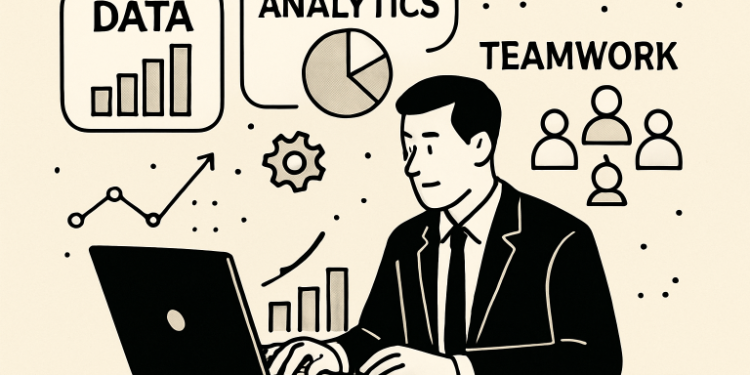
Jumping into a Business Analytics MBA program offers more than just a degree. It delivers a toolkit of skills for thriving in the modern, data-centric workplace. Through intensive coursework, hands-on experience, and peer collaboration, these programs prepare leaders to drive impactful change. Whether you’re aiming to move up within your company or shift into analytics-focused roles, a program like the online MBA Business Analytics can set you apart. Graduates emerge with the competencies needed to decode data, create business strategies, and lead teams across today’s fast-moving industries.
Such a program intricately weaves together technical mastery and business insight. You’ll discover how to transform data into actionable business intelligence, communicate findings effectively, and make decisions with ethics and responsibility in mind. As the business landscape continues to rapidly evolve, these skills position you as a key player in driving innovation and performance.
Understanding the elements that make a Business Analytics MBA valuable will help you make an informed decision about your educational investment. The skills you gain aren’t just for tech specialists; they’re designed for leaders who want to shape organizational growth by leveraging the power of data.
Equipped with these technical and strategic advantages, MBA graduates find themselves at the intersection of opportunity and innovation. The ability to extract insights from data and apply them across departments creates lasting value for organizations across every sector.
Table of Contents
- 1 Advanced Data Analysis and Interpretation
- 2 Proficiency in Analytical Tools and Software
- 3 Strategic Thinking and Business Acumen
- 4 Effective Communication and Data Storytelling
- 5 Leadership and Team Collaboration
- 6 Ethical Decision-Making and Corporate Responsibility
- 7 Adaptability to Emerging Technologies
- 8 Enhanced Problem-Solving and Critical Thinking
- 9 Final Thoughts
Advanced Data Analysis and Interpretation
At the core of any Business Analytics MBA program in Northwest Missouri State University is the ability to analyze and interpret complex data. Students become experts at processing large datasets, uncovering patterns, and translating numbers into real-world business impact. A strong command of statistical methods, predictive modeling, and analytical frameworks enables support for informed executive decisions and the optimization of everyday business operations. These analytical skills are in high demand, especially as companies rely more on data to define customer needs, forecast trends, and measure business performance.
Proficiency in Analytical Tools and Software
Modern analytics professionals must master platforms such as Python, R, and SQL, as well as visualization tools like Tableau and Power BI. A Business Analytics MBA gives you hands-on experience with these industry standards, teaching you how to build robust models, automate data processes, and present clear, compelling results. Rather than just running reports, you’ll learn to efficiently interrogate and illustrate data, making it easier for stakeholders to understand and act on findings.
Strategic Thinking and Business Acumen
Business analytics isn’t just about numbers, it’s about knowing how those numbers drive business strategy. An MBA program teaches you to align data-driven insights with larger organizational objectives. By integrating models with business goals, you’ll be able to recommend growth pathways, streamline operations, and outmaneuver competitors. This broad perspective distinguishes high-performing analytics leaders from purely technical data analysts.
Effective Communication and Data Storytelling
The most powerful insights can go unnoticed if they aren’t explained well. Business Analytics MBA students learn to tailor their message and present data insights to a broad range of audiences, including non-technical executives and cross-functional teams. Storytelling and visualization techniques enable clearer, more persuasive communication, helping to drive consensus and action based on data rather than intuition. Strong communication also reduces the risks of misunderstanding or misapplication of analytic results.
Leadership and Team Collaboration
Today’s analytics projects are rarely solo endeavors. Through group assignments and interactive case studies, MBA students refine skills in collaboration, project management, and leadership. Navigating diverse teams with varied backgrounds, you’ll practice leading initiatives from data gathering to implementation. These teamwork experiences are vital preparation for managing high-performance analytics teams in a business environment.
Ethical Decision-Making and Corporate Responsibility
As data collection and analysis ramp up, so do concerns around privacy, security, and equity. Business Analytics MBA programs teach how to address ethical dilemmas and balance stakeholder interests responsibly. You’ll explore real-world scenarios where ethics and compliance intersect, developing a mindset focused on transparency, accountability, and sustainable organizational practices. The Wall Street Journal frequently highlights the increasing importance of such skills in modern enterprises.
Adaptability to Emerging Technologies
Business analytics tools and techniques change quickly. These programs prepare you to work with the latest innovations, such as artificial intelligence and machine learning. You’ll learn how these technologies support smarter automation, better forecasting, and innovative business models. Being quick to adapt empowers you to continuously refine processes and unlock new value for your organization.
Enhanced Problem-Solving and Critical Thinking
Complex business challenges rarely have simple answers. Business Analytics MBA curricula center on advanced problem-solving and critical thinking. By tackling real case studies and designing custom solutions, you’ll develop a systematic framework for analyzing root causes, evaluating trade-offs, and crafting effective strategies. These habits of mind will serve you in executive leadership and consulting as much as in data analytics itself.
Final Thoughts
Businesses everywhere seek professionals who blend analytical rigor with strategic leadership. Graduates of a Business Analytics MBA program offer a valuable combination of technical expertise, business savvy, and interpersonal abilities. In a world where data drives most key decisions, these qualities make a significant impact and create opportunities for career growth in consulting, finance, marketing, operations, and technology.