
The Financial Benefits of Regular Roof Maintenance
Maintaining your roof is crucial for every homeowner who wants to protect their investment and avoid the unexpected expense of major repairs. By making roof care a routine, you can minimize risk and enhance the safety and longevity of your home. Small problems are often easier and less expensive to handle before they become big ones. Services such as Roof Repair can address minor issues before they cause costly damage, making regular maintenance an important part of home upkeep.
Aside from improving your property’s appearance, roof maintenance directly impacts your home’s structural integrity and can even influence your insurance premiums. Ensuring your roof is in good condition reduces the likelihood of unexpected problems, such as leaks or weakened support structures, which are both costly and disruptive for any homeowner.
Proactive inspections and repairs can also safeguard the comfort of everyone living in the house. A well-maintained roof regulates temperature, resists moisture intrusion, and protects your home’s interior from the elements. Addressing roofing needs promptly and consistently is significantly more affordable than crisis management.
If your roof has passed its prime or damage is beyond repair, replacement may be the most effective solution. Planning for this investment can help you budget wisely and maintain your home’s value. For more information on efficient replacement options, you can learn about roof replacement and how to choose the right option for your home.

Table of Contents
Importance of Regular Roof Maintenance
Your roof acts as a shield, keeping the structure below safe from wind, rain, heat, and debris. Over time, these elements can break down roofing materials and create opportunities for damage. Without regular inspections and minor repairs, issues like a missing shingle or a small leak can quickly escalate into more serious problems, such as wood rot, mold growth, or damage to insulation and drywall. These issues, if left unchecked, put your home at risk and cause disruptions that are both costly and time-consuming to fix. Simple maintenance plays a key role in preventing costly repairs that compromise your home’s safety and your budget.
Common Roof Issues Prevented by Maintenance
- Leaks and Water Damage: Even a small leak can result in significant water damage over time. Regular inspections can help spot and repair these issues quickly, preventing moisture from seeping into walls and ceilings.
- Mold and Algae Growth: Areas of the roof that do not drain properly are prone to mold and algae, especially in humid climates. Cleaning debris and improving drainage help stop this growth, protecting both the roof and the air quality inside your home.
- Structural Deterioration: Addressing issues such as sagging or weakened flashing, which often go unnoticed until problems arise, can prevent further deterioration of the underlying structure and the risk of partial roof collapse.
Recommended Roof Maintenance Practices
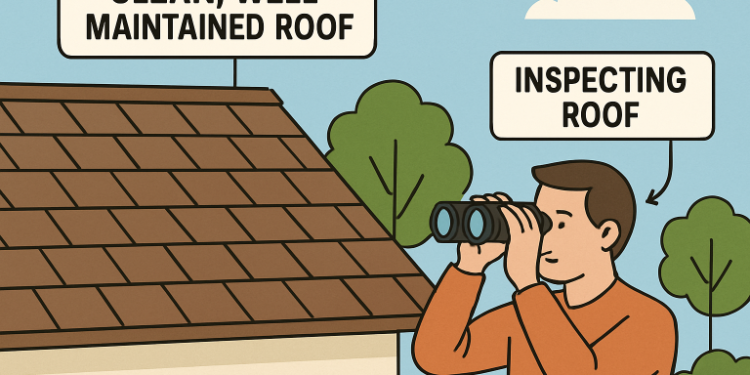
- Bi-Annual Inspections: Schedule visual checks in the spring and fall. Assess for signs of damaged or missing shingles, clogged gutters, or deteriorating flashing.
- Gutter Cleaning: Keep gutters clear of leaves, twigs, and debris. Unclogged gutters allow water to flow away from your home, reducing the risk to your roof and foundation.
- Shingle Replacement: Keeping the outer layer of your roof in top shape stops water intrusion and optimizes insulation. Replacing cracked, curling, or missing shingles is an important part of every homeowner’s checklist.
- Flashing Checks: Flashing around chimneys, vents, and skylights is a frequent source of leaks. Regular inspection and prompt repair maintain your roof’s waterproof seal.
For national guidance on roof maintenance best practices, the National Roofing Contractors Association provides valuable resources for homeowners.
Seasonal Maintenance Tips
Routine care at the change of each season provides a schedule for proactive maintenance and addresses the distinct challenges introduced by different weather conditions.
- Spring: Inspect for winter damage, such as ice damming, and clear away debris from storms or fallen branches.
- Summer: Hot weather can dry and crack roofing materials. Monitor for sun-related wear and ensure attic ventilation meets standards to reduce heat-related strain.
- Fall: Leaves and organic matter can block drainage and trap moisture. Keep gutters and valleys clear, and check seals before the first frost.
- Winter: In colder climates, watch for signs of ice dams and gently remove excess snow to prevent undue weight and potential leaks.
Benefits of Professional Roof Inspections
- Expertise: Professionals are trained to identify subtle signs of trouble that homeowners may miss, including early-stage leaks, hidden rot, or improperly installed materials.
- Safety: Inspecting a roof carries obvious risks, particularly on steep, slippery, or fragile surfaces. Experienced roof inspectors have specialized safety equipment and will take the necessary precautions.
- Comprehensive Reports: A professional can provide in-depth documentation of your roof’s health, complete with photographs and recommendations, to help guide decisions about repairs and future maintenance.
The National Roof Certification and Inspection Association offers detailed advice for what to look for during an inspection and how to select a qualified professional.
Cost Savings from Regular Maintenance
Regular roof care delivers financial benefits in both the short and long term. By addressing issues early, homeowners avoid the high costs that come with water damage restoration, mold remediation, or emergency roof replacement. According to industry averages, proactive maintenance can yield significant savings over 10 years compared to households that only address roofs when visible damage occurs. Prevention keeps repair costs manageable and helps you maximize your roof’s lifespan, delaying the need for a full replacement.
Conclusion
Staying ahead of roof maintenance ensures your home remains a safe, dry, and comfortable place to live. With bi-annual inspections, debris removal, prompt repairs, and professional inspections as needed, you prevent minor problems from turning into expensive headaches. By making roof care a regular part of your home maintenance routine, you protect your investment and enjoy peace of mind knowing that you are prepared for whatever the elements may bring.