
Smart Tips for Residential Electrical Safety
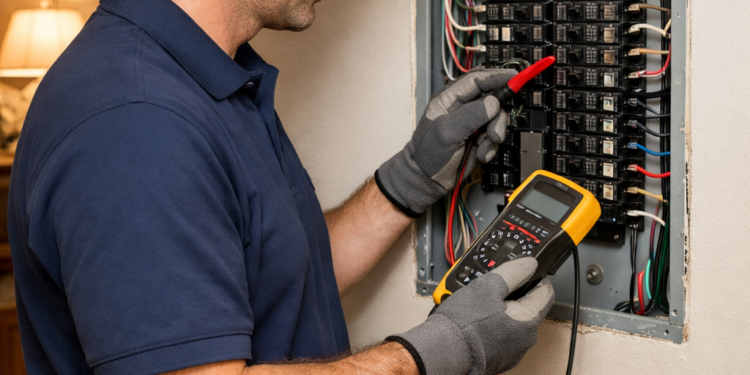
Maintaining a safe electrical system is one of the most effective ways to protect your loved ones and maintain the value of your home. By making smart choices and partnering with a home electrician, you greatly reduce the chance of fires, shocks, or costly damage. Developing a routine for electrical checks and learning about best practices can ensure a secure environment for everyone inside your home.
Understanding how to properly care for outlets, circuits, and appliances helps prevent some of the most common hazards homeowners face. From conducting regular inspections to upgrading outdated systems, there are key strategies you can use to safeguard your household against unexpected disasters. Having the right habits in place ensures your family’s safety every day.
Table of Contents
- 1 Schedule Regular Electrical Inspections
- 2 Test Ground Fault Circuit Interrupters (GFCIs) Monthly
- 3 Replace Damaged Cords Immediately
- 4 Avoid Overloading Outlets and Circuits
- 5 Keep Electrical Devices Away from Water
- 6 Install Whole-Home Surge Protection
- 7 Upgrade Outdated Electrical Panels and Wiring
- 8 Use Tamper-Resistant Outlets in Homes with Children
Schedule Regular Electrical Inspections
Having a licensed electrician inspect your home’s electrical system can reveal hidden issues that may not be apparent to the untrained eye. Inspections are especially important in homes that are more than 40 years old, or in properties where major appliances have recently been added. Uncovering problems like worn wiring, improper installations, or overloaded circuits early helps prevent more serious hazards in the future. According to the Electrical Safety Foundation International, regular inspections ensure your home keeps up with current electrical codes and safety standards.
Test Ground Fault Circuit Interrupters (GFCIs) Monthly
GFCIs are an important line of defense in rooms where moisture is common, like bathrooms, kitchens, basements, and garages. These devices are designed to detect dangerous imbalances in electrical current and shut off power automatically to prevent shocks. Testing GFCIs monthly is simple and can be done by pressing the “test” and “reset” buttons on each outlet. If the outlet does not respond correctly, it should be replaced immediately. The National Fire Protection Association recommends routine checks of GFCIs to ensure continuous, effective operation.
Replace Damaged Cords Immediately
Power cords that are frayed, cracked, or pinched can spark short circuits or ignite fires. Inspecting all visible cords in your home, including those of lamps, appliances, and phone chargers, is a vital step you should take regularly. Never attempt to patch up a damaged cord with tape; instead, replace the cord altogether to ensure your safety. In addition, avoid running cords under carpets or furniture, as this can cause them to wear out more quickly without you noticing.
Avoid Overloading Outlets and Circuits
Plugging too many devices into a single outlet or using adapters and extension cords incorrectly can lead to excessive heat buildup. This increases the risk of electrical fires. Where extra devices are needed, use power strips with internal circuit breakers, and distribute devices across multiple outlets. If you find that you constantly need extension cords, have an electrician install additional outlets to safely accommodate your electrical needs.
Keep Electrical Devices Away from Water
Combining water and electricity is a serious safety hazard that can result in severe injury or death. Be careful to keep kitchen and bathroom appliances away from sinks, bathtubs, and other sources of moisture. Use dry hands when plugging in or unplugging devices, and never attempt to touch electrical appliances if you are wet or standing in water. This simple precaution is crucial in all households, but especially those with children or elderly residents.
Install Whole-Home Surge Protection
Voltage spikes, whether from lightning strikes or grid issues, can wreak havoc on sensitive electronics and appliances. Incorporating a whole-home surge protector into your main electrical panel acts as a barrier, dispersing excess energy before it can cause damage. This protective measure is especially beneficial in areas prone to frequent storms or power fluctuations, helping you avoid expensive replacements and repairs.
Upgrade Outdated Electrical Panels and Wiring
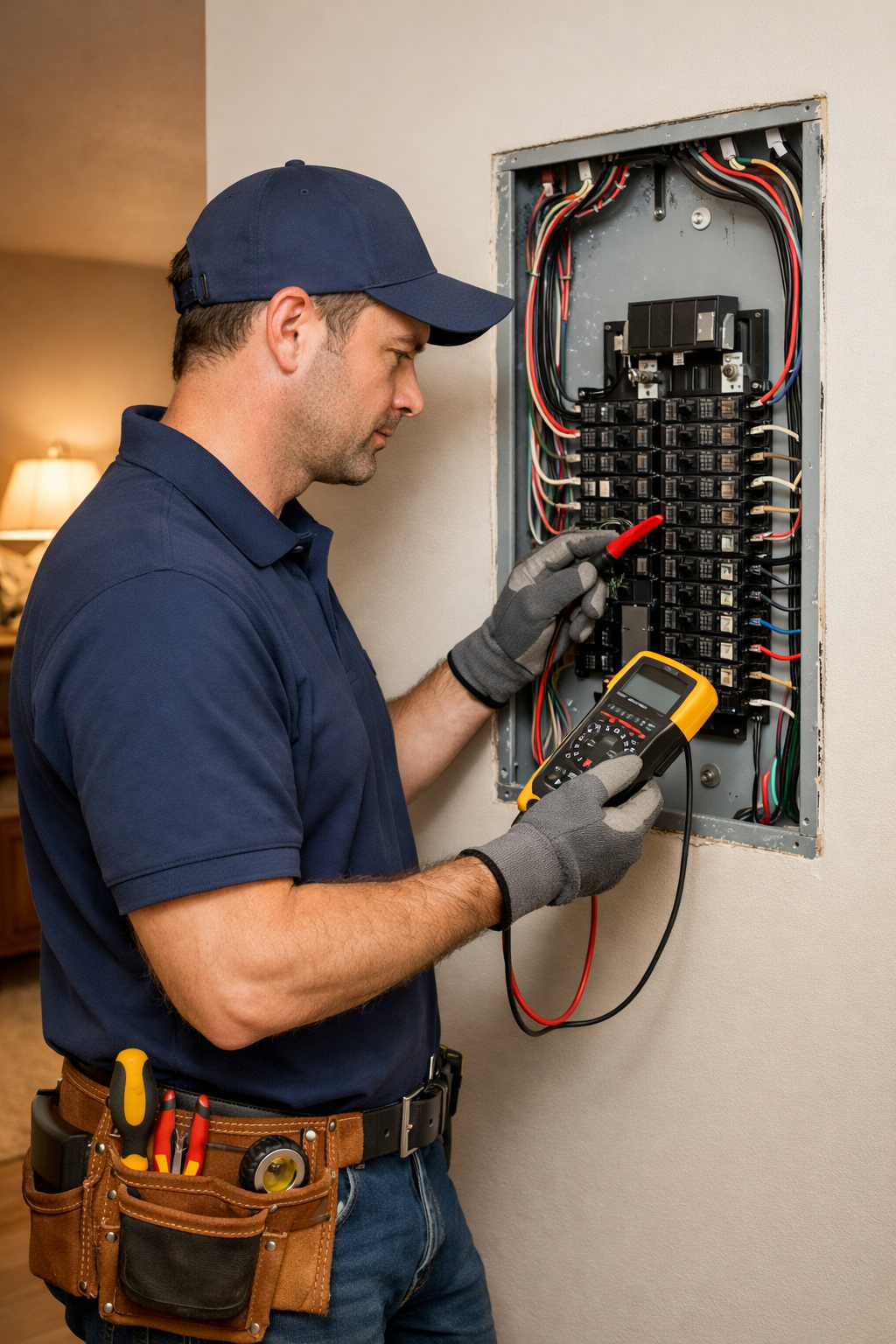
Many homes built decades ago are not equipped to handle the power demands of modern living. Older panels, fuses, and cloth-wrapped wiring often fail to meet today’s safety codes. Upgrading to a modern 200-amp service panel and replacing old wiring reduces the risk of overheating and fire. If your lights flicker, breakers trip often, or outlets feel warm, contact an electrician to discuss upgrades that will bring your system up to standard.
Use Tamper-Resistant Outlets in Homes with Children
Tamper-resistant outlets are designed with protective shutters that only open when a proper plug is inserted. This technology is essential in homes with children, where the temptation to insert foreign objects into sockets can lead to accidental shocks. Installing these outlets throughout your home adds peace of mind and helps prevent childhood injuries associated with electrical outlets.
By taking these smart steps and making safety-oriented upgrades, you protect your home from unnecessary risks and create a safer environment for all residents. Electrical safety requires ongoing attention, but the peace of mind it brings is well worth the effort.