

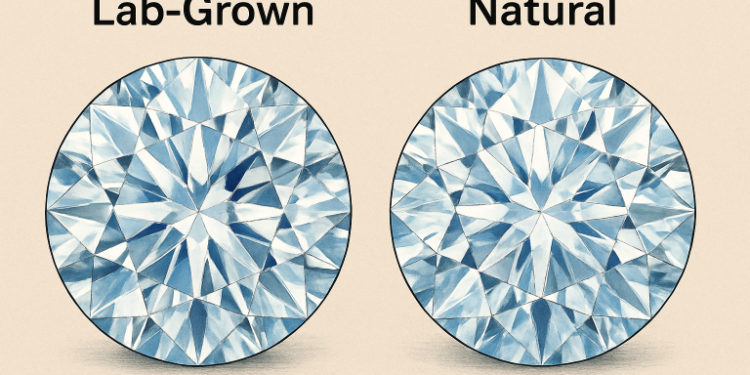
Lab-grown diamonds have rapidly gained attention, transforming the modern jewelry landscape. They are now seen as a forward-thinking choice for many consumers, blending innovation with eco-conscious values. If you are exploring diamond alternatives, learning about lab diamond engagement rings is an excellent starting point. These gems offer attractive benefits, but the decision to buy should be informed by clear facts and a thorough understanding.
Despite their popularity, many myths and misconceptions still circulate about lab-grown diamonds. People may question their authenticity, durability, or ethical advantages. This article answers those uncertainties by providing factual insights and guidance for anyone considering these captivating stones. Whether you are looking to purchase your first diamond or simply want to stay informed, it is important to understand the key differences between lab-grown and natural diamonds.
Lab-grown diamonds are often compared to their natural counterparts in terms of beauty, value, and impact. Both types of diamonds appeal to different values and priorities, such as environmental responsibility and budget friendliness. By knowing what sets lab-grown diamonds apart, you can make a confident purchase that aligns with your personal preferences.
In this guide, you will find a breakdown of the most persistent myths, an honest look at the advantages of lab-grown diamonds, and thoughtful considerations for buyers. Make sure you know the facts before investing in a stone that can last a lifetime.
Table of Contents
Understanding Lab-Grown Diamonds
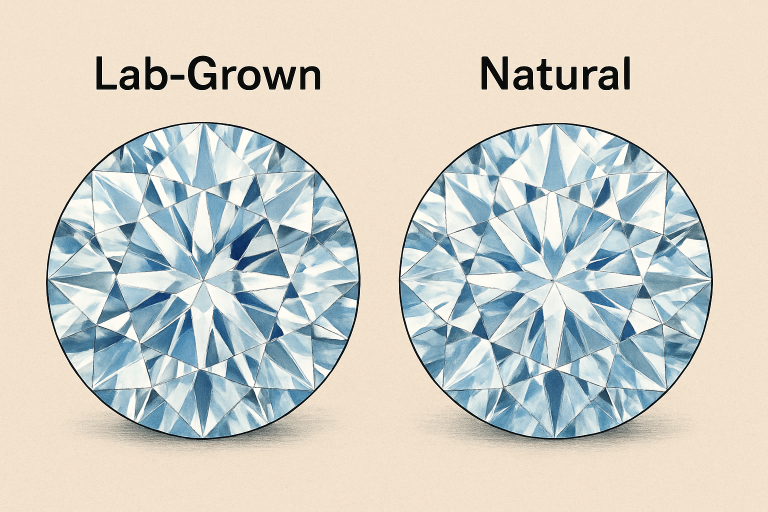
Lab-grown diamonds, sometimes called cultured or synthetic diamonds, are created using advanced technology that simulates the natural conditions that form diamonds deep within the earth. These methods, usually involving High Pressure High Temperature (HPHT) or Chemical Vapor Deposition (CVD), yield stones with the same chemical composition and crystal structure as naturally occurring diamonds. As a result, lab-grown diamonds exhibit identical optical brilliance, making them virtually indistinguishable from natural diamonds to the human eye.
The popularity of lab-grown diamonds has grown as technology has evolved, making production more efficient and accessible. Today, consumers can choose from a wide variety of shapes, sizes, and qualities, just as they would with natural diamonds. This technological advancement has also helped address questions and concerns about the diamond industry, including sustainability and sourcing practices.
Debunking Common Myths
Myth 1: Lab-Grown Diamonds Aren’t Real Diamonds
This is a widespread misconception. Lab-grown diamonds are real diamonds, both chemically and structurally. The only difference is their origin. Experienced gemologists use specialized equipment to distinguish lab-grown from natural diamonds, as they are visually identical. The Federal Trade Commission recognizes lab-grown diamonds as genuine, further validating their authenticity in the marketplace.
Myth 2: Lab-Grown Diamonds Lack Durability
There is a belief that lab-created diamonds are somehow softer or less resilient, but this is not accurate. Lab-grown diamonds, like their natural counterparts, rank a 10 on the Mohs scale of hardness. This ensures they are exceptionally tough and suitable for everyday jewelry, including engagement and wedding rings. They resist scratching and chipping, making them practical for long-term wear.
Myth 3: Lab-Grown Diamonds Are Environmentally Unsound
Another misconception is that producing diamonds in a laboratory setting is just as harmful as mining them from the earth. While lab-grown diamonds do require energy-intensive processes, their overall environmental footprint is often significantly lower. The mining of natural diamonds can cause land disruption, habitat loss, water pollution, and high carbon emissions. Lab diamonds, especially those created using renewable energy, minimize these concerns. Still, sustainability varies from producer to producer, so researching production methods remains essential.
Advantages of Choosing Lab-Grown Diamonds
Ethical Considerations
Choosing a lab-grown diamond means avoiding the issues sometimes associated with mined diamonds. These can include conflict financing and exploitative labor practices. Many consumers value the peace of mind that comes from knowing their purchase is free of these ethical concerns, making lab-grown stones an appealing option, especially for socially conscious buyers.
Affordability
Lab-grown diamonds generally cost 30 to 70 percent less than comparable natural diamonds. This price difference means consumers can often afford a larger stone, a higher clarity grade, or a better cut within the same budget. The cost savings do not come at the expense of quality and are due primarily to modernized manufacturing processes and fewer intermediaries in the supply chain.
Factors to Consider Before Purchasing
Resale Value
One important consideration is that lab-grown diamonds tend to have a lower resale value than mined diamonds. This is partly due to the expanding supply and relatively lower production costs of lab-created stones. If your diamond purchase is intended as an investment, be sure to research current trends and market value to avoid surprises in the future.
Certification
As with any significant jewelry purchase, always request certification from a respected gemological laboratory. Reputable labs such as the Gemological Institute of America (GIA) and the International Gemological Institute (IGI) provide documentation verifying authenticity and grading characteristics. Certification gives buyers confidence and helps ensure consistent quality.
Personal Preferences
Ultimately, the decision between a natural and a lab-grown diamond comes down to your unique needs, values, and financial situation. Some buyers prize ethical sourcing or environmental sustainability above all. Others may prefer the tradition or rarity of a natural diamond. Consider what matters most to you and evaluate your priorities before making a choice.
Conclusion
Lab-grown diamonds offer a compelling, responsible alternative to mined stones. They combine authenticity, beauty, and value with ethical and environmental advantages. By debunking myths and considering key factors such as certification and resale value, shoppers can make a well-informed decision. With knowledge comes confidence, enabling you to select a diamond that perfectly reflects your style, values, and aspirations.