

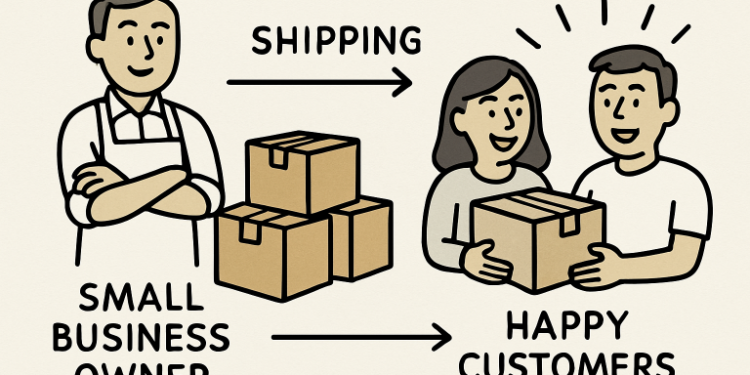
Efficient shipping is a foundational element for small businesses aiming to build customer loyalty and maintain profitability. Delivering products quickly and accurately improves customer satisfaction while enhancing operational performance. Many entrepreneurs underestimate how much streamlined logistics can influence long-term growth. Business owners looking to reduce expenses and increase reliability can begin by exploring How to get a Request Your Free Special Rate UPS Account, a practical step that may unlock shipping discounts and improved service options.
Shipping challenges can range from rising carrier fees to errors in packing or tracking orders. The good news is that adopting a strategic approach to shipping, using the right software, and negotiating carrier agreements can simplify the entire process. By doing so, you not only cut expenses but also deliver better experiences to your customers, encouraging repeat business.
It’s essential to see shipping not as a burden, but as an opportunity. Faster, more predictable delivery methods give small brands a competitive edge, especially since customers increasingly expect speedy and affordable shipping. A streamlined shipping operation helps avoid costly delays, improves order accuracy, and supports your brand’s reputation.
Reducing manual processes and leveraging automation is a game-changer as well. Shipping software, order management systems, and optimized packaging contribute to fewer errors and better pricing options, making logistics easier for both you and your customers.
For a deeper dive into the challenges and trends shaping small business shipping, you can review analysis from resources like Forbes’ guide on achieving hassle-free shipping, which highlights industry best practices and innovative strategies for overcoming shipping hurdles.
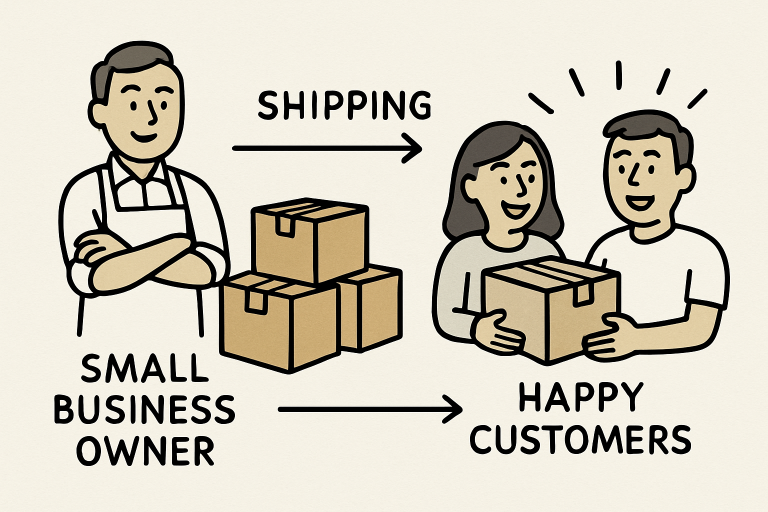
Table of Contents
Invest in Shipping Software
Automating your shipping process is one of the fastest ways to reduce errors, save time, and lower costs. Shipping software tools such as ShipStation, EasyPost, and Ordoro simplify tasks, including label generation, rate comparison, and shipping updates. These platforms connect directly with your e-commerce store or marketplace, eliminating the need for manual entry. Automated tracking and customer notifications also build trust and transparency with your buyers, while streamlined workflows free up valuable time for business growth initiatives.
Partner with Third-Party Logistics (3PL) Providers
For many small businesses, outsourcing logistics to a specialized third-party partner brings immediate benefits. 3PL providers manage warehousing, picking, packing, and shipping on your behalf, granting you access to industry experience and robust infrastructure without major upfront investments. Most 3PLs can leverage bulk shipping rates thanks to their order volume, potentially achieving lower costs than individual small businesses can negotiate alone. This allows business owners to focus on marketing, product development, and customer care rather than the complexities of fulfillment. Guidance from authorities like Forbes’ overview of 3PLs can help you decide if this is the right step for your business.
Negotiate Better Carrier Rates
Shipping rates can quickly become a significant expense for small businesses. One of the most effective ways to save money is to negotiate better agreements with carriers. Long-term relationships, demonstrated shipping volume, and loyalty often enable small companies to access special pricing or waive surcharges. Consolidating shipments and being flexible with delivery schedules may further improve your negotiating position. Do not overlook regional carriers, as they often offer competitive rates and fast delivery for nearby customers.
Optimize Packaging
Right-sizing your packaging and using lightweight but durable materials is an underrated way to control costs without sacrificing product safety. Excessively large or heavy boxes not only lead to higher shipping fees, but they also create more waste and can harm your business’s environmental footprint. Investing in custom packaging that fits your products precisely prevents breakage and helps your business align with eco-friendly values, which are increasingly important to today’s shoppers.
Implement Barcode Scanning
Barcode scanning technology reduces fulfillment errors and speeds up warehouse operations dramatically. Each product gets a unique barcode, so your staff can swiftly identify and verify products when picking, packing, or shipping. This accuracy minimizes costly mistakes and customer returns. Setting up barcode scanning is no longer a major expense. Many modern shipping software solutions offer barcode generation integrated within their platforms.
Offer In-Store Pickup
For small businesses with a physical location, in-store pickup is a practical way to provide immediate, no-cost delivery to local customers. This not only removes shipping fees from the equation, but it often leads to additional sales as customers visit your store. Offer flexible pickup times and communicate clearly to create a convenient experience that boosts foot traffic and increases average order value.
Leverage Multi-Channel Order Management
Managing sales from various online and offline channels can quickly get overwhelming. Bring all your orders into a central order management system to minimize confusion, combine shipments, and ensure accurate inventory levels. Centralized order management not only lowers operational risk and avoids mistakes, but it also fosters a consistent customer experience. Batch processing for similar orders can further streamline fulfillment and cut down on labor costs.
Stay Informed About Shipping Trends
The shipping landscape is constantly changing, influenced by new technologies, regulatory shifts, and evolving customer expectations. Keeping up with industry trends, such as sustainable shipping materials, carbon-neutral options, and real-time tracking features, ensures your business stays competitive. Monitoring broader trends like inflation’s impact on logistics can also help you plan for price changes and disruptions before they happen.
Simplifying your shipping process is an investment in your business’s future. By applying these best practices, small businesses can cut costs, minimize errors, and keep customers coming back for more.