

Choosing the Right Grade of Stainless Steel for Your Industrial Application
Table of Contents
Understanding the Main Families of Stainless Steel
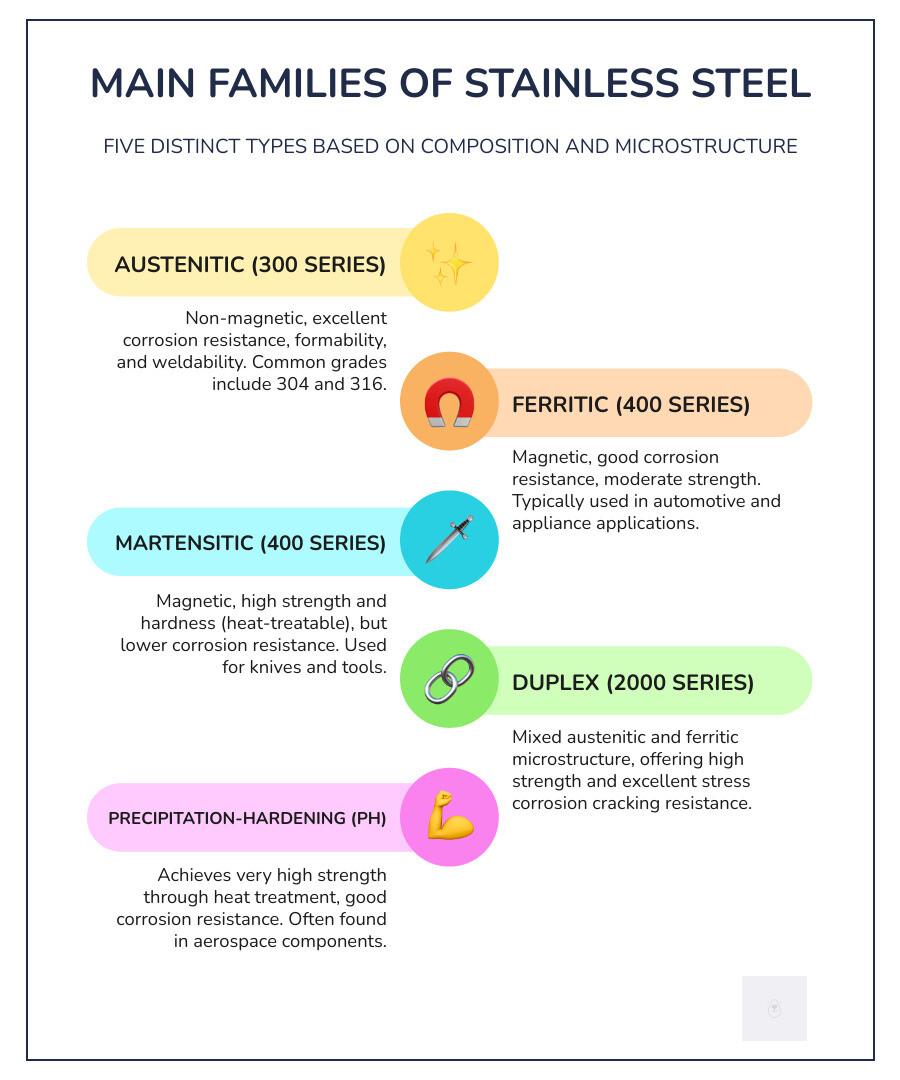
To truly appreciate the specific advantages of a material like 347 stainless steel, we must first grasp the broader landscape of stainless steel families. Stainless steels are iron-based alloys containing a minimum of 10.5% chromium, which provides their characteristic corrosion resistance. However, varying the composition, particularly the amounts of chromium, nickel, molybdenum, and other elements, leads to distinct microstructures and properties, which are categorized into five main families: Austenitic, Ferritic, Martensitic, Duplex, and Precipitation-Hardening.
Each family possesses a unique crystal structure that dictates its mechanical properties, corrosion resistance, and suitability for different applications. For instance, some are non-magnetic, while others exhibit magnetic properties, a factor that can be critical in certain industrial environments.
Austenitic Grades: The Workhorse of the Industry
The austenitic family, often referred to as the 300 series, is perhaps the most widely used and recognized. These steels are characterized by a face-centered cubic (FCC) crystal structure stabilized by the addition of nickel and/or manganese. Key members include 304 stainless steel (the most common grade, known for its excellent general corrosion resistance and formability) and 316 stainless steel (which includes molybdenum for improved resistance to pitting and crevice corrosion, especially in chloride environments).
Austenitic stainless steels are renowned for their:
- Excellent Corrosion Resistance: Particularly in a wide range of atmospheric and chemical environments.
- Formability: They can be easily formed and fabricated due to their ductility.
- Weldability: Generally considered the most weldable of all stainless steel types.
- Non-Magnetic Properties: In their annealed condition, they are non-magnetic, which is crucial for applications sensitive to magnetic fields.
- High Strength and Toughness: Especially at cryogenic temperatures.
Their versatility makes them indispensable across countless industries, from food processing and medical equipment to architectural applications and chemical storage.
Ferritic, Martensitic, and Duplex Grades
Beyond the austenitic workhorses, other families offer specialized properties for distinct challenges.
Ferritic Stainless Steels (often 400 series, such as 430) have a body-centered cubic (BCC) crystal structure stabilized by chromium. They are magnetic, offer good corrosion resistance (though generally less than austenitics), and good ductility. They are typically used in automotive exhaust systems, kitchenware, and industrial equipment where moderate corrosion resistance is sufficient, and cost-effectiveness is a priority.
Martensitic Stainless Steels (also 400 series, like 410 and 420) are similar to ferritic grades in structure but contain higher carbon content, allowing them to be hardened by heat treatment. This provides them with high strength and hardness, making them suitable for applications requiring wear resistance and cutting edges, such as surgical instruments, knives, and turbine blades. They are magnetic and have moderate corrosion resistance.
Duplex Stainless Steels (e.g., 2205, 2507) are a hybrid, with a microstructure roughly 50% austenitic and 50% ferritic. This unique balance delivers an exceptional combination of high strength and excellent resistance to stress corrosion cracking, pitting, and crevice corrosion, often surpassing that of austenitic grades. Their magnetic properties vary depending on the specific composition and processing. Duplex steels are increasingly favored in demanding environments like offshore oil and gas, chemical processing, and desalination plants.
Precipitation-Hardening (PH) Stainless Steels (e.g., 17-4PH) offer a combination of high strength and good corrosion resistance through a heat treatment process that precipitates hardening phases. They are used in aerospace, nuclear, and high-performance applications where both strength and corrosion resistance are paramount.
Understanding these fundamental differences is the first step in making an informed material selection. Each family has its strengths and limitations, and the choice depends entirely on the specific demands of the application.
Key Factors in Selecting Stainless Steel Grades
Choosing the right stainless steel grade is a multi-faceted decision that goes beyond simply picking a material that “won’t rust.” It involves a careful evaluation of the operational environment, performance requirements, and economic considerations. Our selection process typically revolves around several critical factors.

Assessing Corrosion Resistance Requirements
Corrosion resistance is arguably the most defining characteristic of stainless steel, but its effectiveness varies significantly between grades and corrosive environments. It’s crucial to identify the specific types of corrosion the material will face:
- General Corrosion: Uniform attack across the surface, often seen in strong acid or alkaline conditions.
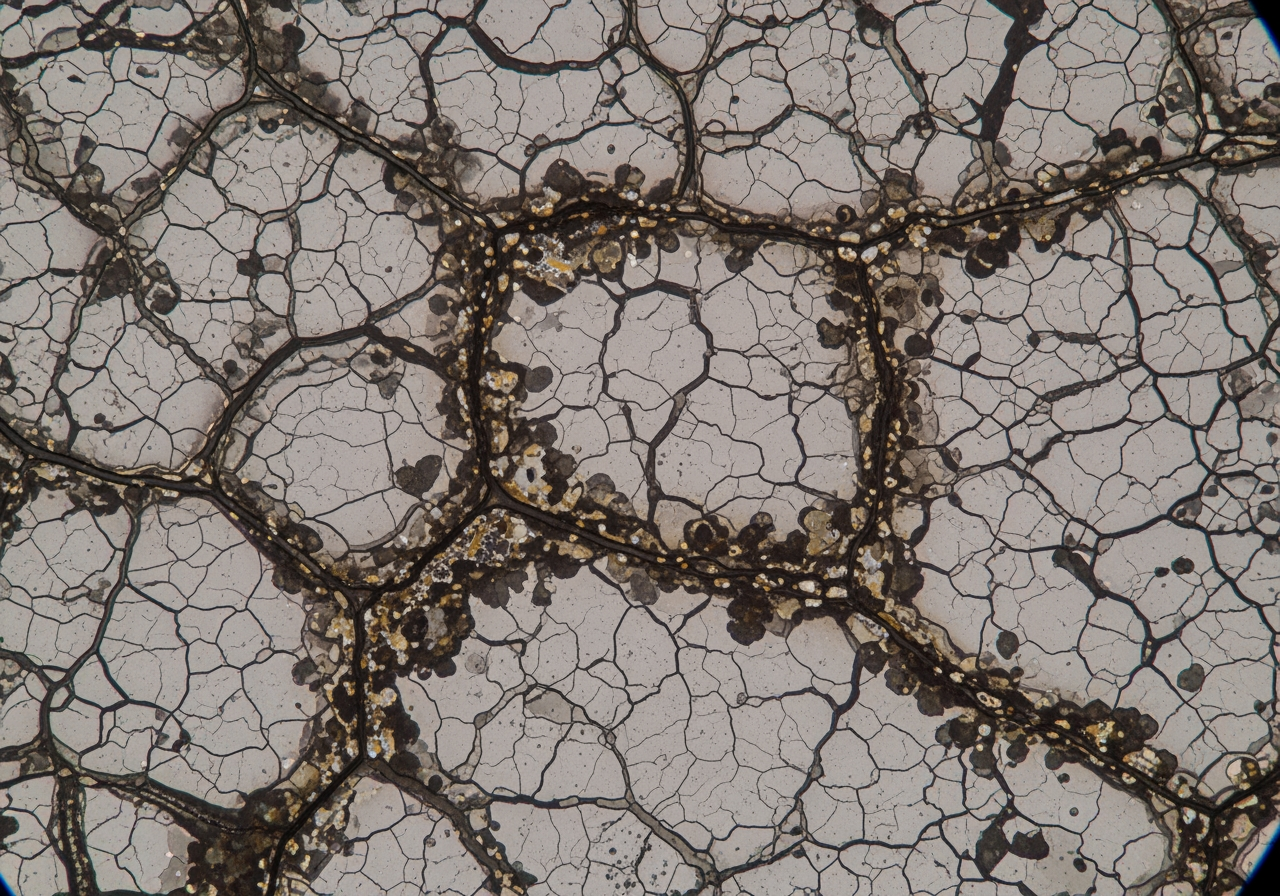
- Intergranular Corrosion: A localized attack along grain boundaries, often occurring when chromium carbides precipitate in the heat-affected zone of welds or during exposure to specific temperature ranges. This is a critical consideration for stabilized grades like 347.
- Pitting and Crevice Corrosion: Localized attacks that form small holes or cavities, typically in chloride-rich environments or stagnant areas where oxygen levels are low. Grades with molybdenum (like 316) offer improved resistance here.
- Stress Corrosion Cracking (SCC): Cracking that occurs under the combined action of tensile stress and a specific corrosive environment, particularly chlorides. Duplex stainless steels are often preferred for their superior SCC resistance.
- Oxidizing Environments: Conditions where oxygen or other oxidizing agents are present, often at high temperatures. The chromium content forms a passive layer that protects the steel.
- Chemical Processing: Exposure to a wide array of aggressive chemicals, demanding highly resistant grades custom to specific reagents.
A thorough understanding of the chemical composition of the operating environment, including temperature, concentration, and presence of halides, is paramount.
Mechanical and High-Temperature Performance
Beyond corrosion, the mechanical demands and temperature extremes of an application heavily influence grade selection:
- Tensile Strength: The maximum stress a material can withstand before breaking.
- Yield Strength: The stress at which a material begins to deform plastically.
- Hardness: Resistance to indentation and scratching, often linked to wear resistance.
- Creep Strength: The material’s ability to resist deformation under prolonged stress at liftd temperatures. This is a critical property for high-temperature applications.
- High-Temperature Oxidation Resistance: The ability to resist degradation from hot gases, crucial for furnace components, exhaust systems, and heat exchangers.
- Operating Temperature Range: The minimum and maximum temperatures the material will experience. Some grades perform well at cryogenic temperatures, while others are designed for continuous service at very high temperatures (e.g., 800°F to 1500°F).
For applications involving high temperatures and mechanical stresses, the interplay between these properties becomes complex, necessitating a grade that can maintain structural integrity and performance over time.
A Deep Dive into Specialized Grades: The Case of 347 Stainless Steel
While general-purpose grades like 304 and 316 meet many industrial needs, certain challenging environments demand specialized solutions. This is where stabilized austenitic steels, such as 347 stainless steel, come into their own. These grades are specifically engineered for high-temperature service and applications involving welding, where the risk of intergranular corrosion is significant.
The defining characteristic of 347 stainless steel is its columbium (niobium) stabilization. In standard austenitic stainless steels, when exposed to temperatures between approximately 800°F and 1500°F (427°C and 816°C) – known as the sensitization range – chromium can combine with carbon to form chromium carbides at the grain boundaries. This process depletes the chromium in the adjacent areas, making them susceptible to intergranular corrosion.
Columbium, with a stronger affinity for carbon than chromium, preferentially combines with carbon to form columbium carbides. These carbides are stable at high temperatures and remain within the grain structure, effectively preventing chromium depletion at the grain boundaries. This stabilization mechanism eliminates the risk of sensitization, making 347 stainless steel an excellent choice for applications requiring welding or prolonged exposure to liftd temperatures without the need for post-weld annealing.
Properties and Advantages of Type 347
Type 347 stainless steel builds upon the inherent advantages of austenitic grades while addressing their susceptibility to intergranular corrosion in specific conditions. Its key properties and advantages include:
- Excellent Intergranular Corrosion Resistance: Thanks to columbium stabilization, 347 can be welded and used in the sensitization temperature range (800-1500°F / 427-816°C) without suffering from intergranular attack, even in aggressive corrosive media. This is a significant advantage over unstabilized grades like 304.
- High Creep Strength: It exhibits good creep strength and stress rupture properties, particularly at liftd temperatures up to 1500°F (816°C). This makes it suitable for components subjected to continuous stress at high temperatures.
- Good Oxidation Resistance: Similar to 304 stainless steel, 347 offers good oxidation resistance in air at temperatures up to approximately 1500°F (816°C).
- Improved Corrosion Resistance over 321 in Strongly Oxidizing Environments: While 321 stainless steel is stabilized with titanium, 347 (with columbium) often shows slightly better corrosion resistance in strongly oxidizing conditions. Both 347 and 321 offer good resistance to polythionic acid stress-corrosion cracking, a common issue in oil refineries.
- No Post-Weld Annealing Required: The stabilization means components fabricated with 347 do not require a costly, time-consuming post-weld heat treatment to restore corrosion resistance, simplifying manufacturing processes.
- Good Low-Temperature Toughness: Like other austenitic grades, 347 maintains good ductility and toughness at cryogenic temperatures.
The choice between columbium (niobium) stabilization (as in 347) and titanium stabilization (as in 321) often comes down to specific application requirements and processing preferences, but both aim to prevent sensitization. For engineers specifying materials for demanding roles, understanding the nuances of different 347 stainless round bar grades is crucial for ensuring long-term performance.
Common Applications for Specialized Stainless Steel Grades
The unique properties of 347 stainless steel make it indispensable in industries where high temperatures, corrosive environments, and welding are common. Its primary applications include:
- Aerospace Components: Such as aircraft collector rings, exhaust stacks, and jet engine parts, where high-temperature strength and corrosion resistance are critical.
- Boiler Casings and Pressure Vessels: Especially in heavy-wall welded equipment that cannot be solution annealed after welding.
- Heat Exchanger Tubes: Where resistance to intergranular corrosion and high-temperature oxidation is essential.
- Chemical Processing Equipment: For handling various corrosive chemicals, particularly in applications involving high temperatures.
- Petroleum Refining: Used in general refinery piping, heavy-duty exhaust systems, and components exposed to polythionic acid stress corrosion cracking.
- Furnace Heating Elements and Cabin Heaters: Where intermittent heating and high-temperature stability are required.
- High-Pressure Steam Pipes and Radiant Superheaters: Benefiting from its creep strength at liftd temperatures.
The 347 round bar form is particularly versatile and is used for shafts, fasteners, structural components, and machined parts in these demanding applications. Its availability in various dimensions (e.g., 1/8″ CD to 16″ HR RT) and finishes (cold drawn, centerless ground, hot-rolled rough turned) enables precise engineering solutions.
Comparing Common Grades for Industrial Use
Selecting the optimal stainless steel grade often involves a trade-off between performance, processability, and cost. To illustrate the distinctions, let’s compare three widely used austenitic grades: 304, 316, and 347. This comparison highlights why a specialized grade like 347 is chosen for specific, high-demand applications.
Property / Grade 304 Stainless Steel 316 Stainless Steel 347 Stainless Steel Corrosion Resistance Good general corrosion resistance. Excellent general & pitting/crevice resistance (Moly). Excellent intergranular corrosion resistance (stabilized). Max Temp (Continuous) ~1500°F (816°C) ~1500°F (816°C) ~1500°F (816°C) (Stabilized for use in sensitization range) Intergranular Corrosion Susceptible in sensitization range (800-1500°F) after welding. Susceptible to sensitization in the range of 800-1500°F after welding. Highly resistant due to Columbium stabilization. Creep Strength Good Good Very Good (especially at liftd temps). Weldability: Excellent (requires a post-weld anneal for full corrosion resistance if exposed to sensitization temperature). Excellent (requires post-weld anneal for full corrosion resistance if exposed to sensitization temp). Excellent (no post-weld anneal required for intergranular corrosion resistance). Cost Moderate, Higher than 304 (due to Molybdenum). Higher than 304/316 (due to Columbium). Typical Applications: Kitchen equipment, architectural trim, and general industrial. Marine environments, chemical processing, and medical implants. Aircraft exhaust, boiler parts, chemical processes, and heavy welded structures. This table underscores the principle of application-based selection. While 304 is a versatile, general-purpose stainless steel that offers a good balance of properties and cost, 316 steps up for environments that demand improved resistance to chlorides. However, when the challenge involves welding and subsequent exposure to high temperatures (specifically within the sensitization range), 347 becomes the superior choice due to its unique stabilization. It’s a specialized solution for specialized problems, justifying its higher cost through extended service life and reduced maintenance in critical applications.
Frequently Asked Questions about Stainless Steel Selection
When delving into the specifics of stainless steel, a few common questions often arise, reflecting key considerations for material selection.
What is the most common and versatile stainless steel grade?
Without a doubt, Grade 304 stainless steel is widely recognized as the most common and versatile. Often referred to as “18/8 stainless steel” due to its approximate composition of 18% chromium and 8% nickel, it strikes an excellent balance of properties. It offers good corrosion resistance in a wide range of atmospheric and chemical environments, excellent formability, and good weldability. Its versatility makes it suitable for an extensive array of applications, including kitchen appliances, food processing equipment, architectural components, and various industrial uses where extreme corrosion or high-temperature strength are not the primary concerns. Its relatively lower cost compared to more specialized grades also contributes to its widespread adoption.
What do the ‘L’ and ‘H’ suffixes mean in grades like 304L or 347H?
These suffixes denote specific modifications to the carbon content, which significantly impact the material’s properties, particularly concerning welding and high-temperature performance:
- ‘L’ for Low Carbon: Grades like 304L or 316L indicate a lower carbon content (typically 0.03% maximum). The primary advantage of low carbon is improved weldability and reduced susceptibility to sensitization. Sensitization occurs when chromium carbides form at grain boundaries during welding or exposure to moderate temperatures, leading to intergranular corrosion. By reducing carbon, the formation of these carbides is minimized, making ‘L’ grades suitable for welded components that cannot be post-weld annealed or that will operate in mildly corrosive environments.
- ‘H’ for High Carbon: Grades like 347H or 304H signify a higher carbon content (typically 0.04-0.10%). While higher carbon generally increases the risk of sensitization in unstabilized grades, in stabilized grades like 347H, the effect is different. The ‘H’ variant is specifically designed for improved strength at high temperatures and improved creep resistance. In 347H, the columbium (niobium) still ties up the carbon, preventing sensitization, but the slightly increased carbon content contributes to better mechanical properties under prolonged stress at liftd temperatures (above 1000°F or 538°C). This makes ‘H’ grades ideal for high-temperature structural applications where maintaining strength over time is critical.
Why is stabilization important for certain high-temperature applications?
Stabilization, typically achieved by adding elements like Niobium (Columbium) in 347 or Titanium in 321, is crucial for preventing intergranular corrosion in stainless steels that are welded or exposed to specific liftd temperatures.
As mentioned earlier, standard austenitic stainless steels (such as 304 or 316) can undergo sensitization when heated to approximately 800°F to 1500°F (427°C to 816°C). During this process, chromium and carbon combine to form chromium carbides, which precipitate at grain boundaries. This depletes the chromium content in the areas immediately adjacent to the grain boundaries, making these regions vulnerable to corrosive attack. This is particularly problematic in the heat-affected zone (HAZ) of welds.
Stabilizing elements such as Niobium or Titanium have a stronger affinity for carbon than chromium does. When added to the alloy, they preferentially react with carbon to form stable carbides (niobium carbides or titanium carbides) at temperatures above the sensitization range. This “ties up” the carbon, preventing it from combining with chromium during subsequent heating (e.g., welding or high-temperature service). As a result, the chromium remains uniformly distributed throughout the matrix, preserving the steel’s passive layer and its resistance to intergranular corrosion.
Therefore, stabilization is vital for applications involving:
- Welding: Especially for heavy sections or complex fabrications where a post-weld solution anneal (to redissolve the carbides) is impractical or impossible.
- Operating Temperatures between 800-1500°F: Where the material will be continuously exposed to the sensitization range.
- Corrosive Environments: Where intergranular corrosion could lead to premature failure.
By preventing chromium carbide formation at grain boundaries, stabilized grades such as 347 provide long-term corrosion resistance and structural integrity in demanding high-temperature and welded applications.
Conclusion
The journey through the diverse world of stainless steel grades reveals a fundamental truth: there is no one-size-fits-all solution. From the versatile 304 to the specialized 347 round bar, each grade is carefully engineered to excel under specific conditions. Our exploration has highlighted the critical factors influencing material selection, including the nuances of corrosion resistance, mechanical strength, and high-temperature performance.
We’ve seen how understanding the main families of stainless steel – austenitic, ferritic, martensitic, duplex, and precipitation-hardening – provides the foundational knowledge. Furthermore, our deep dive into the 347 grade underscored the importance of columbium stabilization for preventing intergranular corrosion in welded components and high-temperature service. The ‘L’ and ‘H’ suffixes, too, play a crucial role in tailoring performance for specific applications.
The long-term value of any industrial application hinges on the correct material choice. Mismatched materials can lead to premature failures, costly downtime, and safety hazards. Conversely, selecting the optimal grade ensures extended operational life, improved safety, and greater cost-effectiveness throughout the equipment’s lifespan.
For critical applications where the stakes are high, we always recommend consulting with material experts. Their specialized knowledge can provide invaluable guidance, ensuring that your stainless steel choice aligns with the demands of your industrial environment, maximizing performance and safeguarding your investment.