

Benefits of Stylish Entrance Canopies for Commercial Buildings
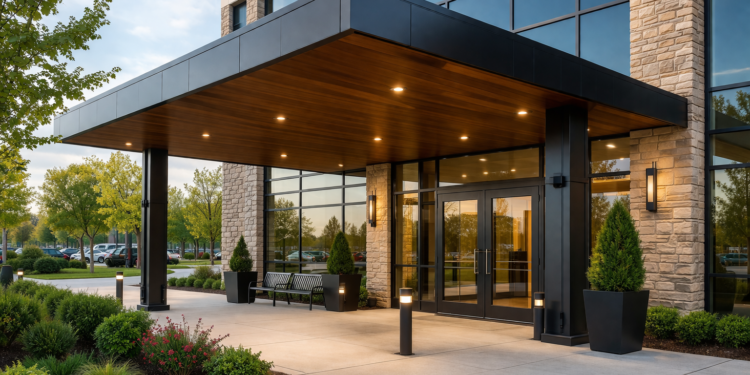
Entrance canopies have evolved beyond simple overhead features. They have become integral elements of modern architectural design for commercial spaces, delivering both style and function. A well-planned entrance canopy not only elevates a building’s exterior but also contributes meaningfully to the experience of everyone who approaches or visits the site. To learn more about product types and options, explore commercial entrance awnings.
By incorporating stylish canopies into a commercial property, building owners can achieve a sophisticated first impression. The visual boost is significant, but canopies also provide practical benefits by promoting comfort and safety, supporting business branding, and offering new functional spaces.
Whether designing a new building or upgrading an existing entrance, the decision to install an entrance canopy brings value that extends far beyond its initial appearance. Properly designed structures improve usability during adverse weather conditions, foster a more inviting atmosphere, and create valuable branding opportunities for businesses.
Strategic canopy design considers climate, building style, and long-term maintenance needs, making the investment both aesthetically pleasing and cost-effective over time. For additional industry guidelines, see Architectural Digest’s coverage of building entrance trends.
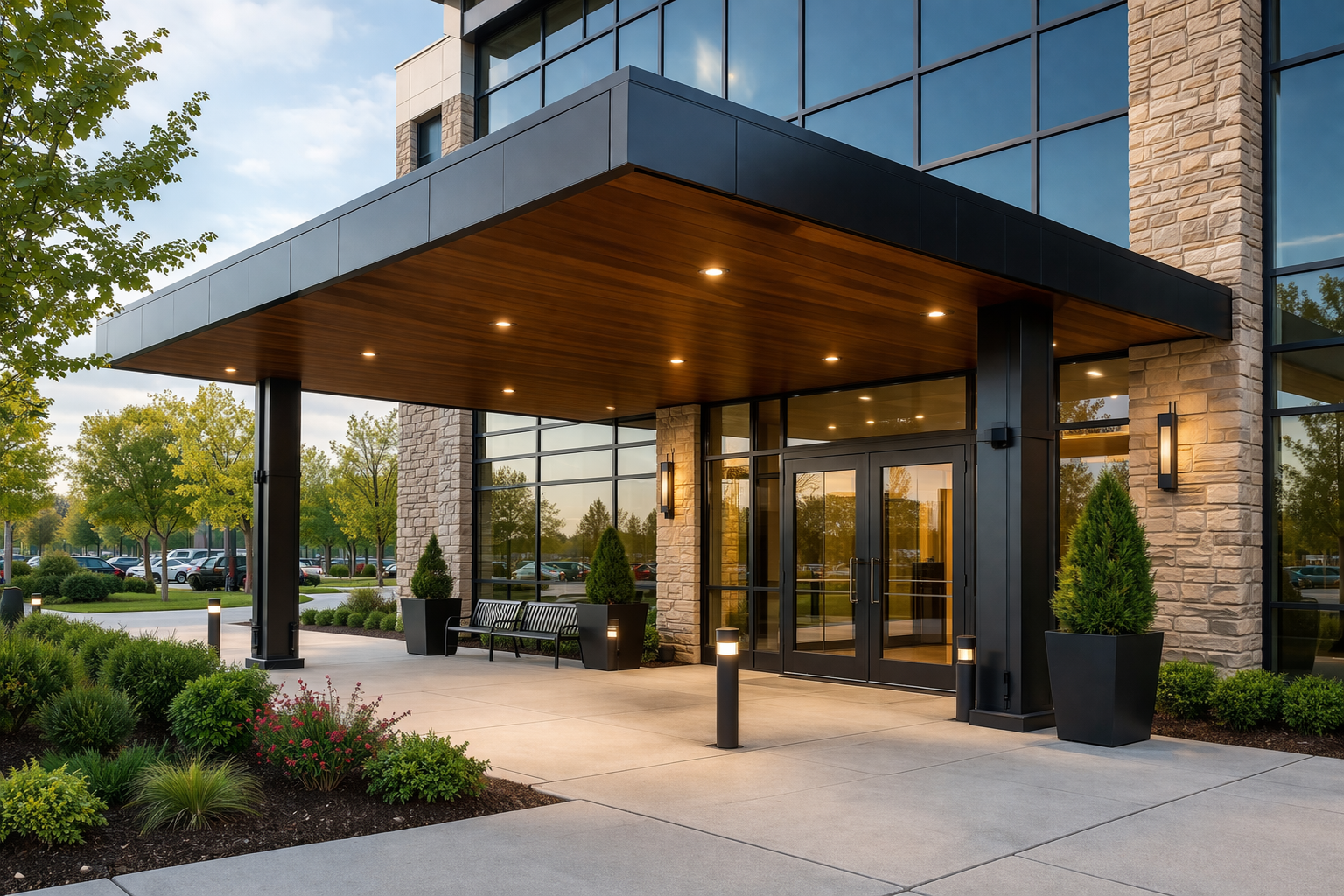
Table of Contents
Enhancing Curb Appeal
A stylish entrance canopy has an immediate impact on a building’s exterior presentation. With a well-executed design, the entryway becomes an inviting focal point that captures attention and projects professionalism. This visual enhancement leaves visitors with a favorable first impression, setting a positive tone for all subsequent interactions. Companies that prioritize the look of their front entrance are often perceived as attentive to detail, making their business more attractive to customers and potential tenants.
Providing Weather Protection
One of the fundamental reasons for installing an entrance canopy is to protect those entering or leaving the building from the weather. Canopies shield people from rain, snow, and harsh sunlight, enabling safe, comfortable access year-round. This not only makes customers feel cared for but also helps prevent wet or slippery floors indoors, which can reduce the likelihood of accidents and maintenance issues caused by tracked water and debris. Current best practices for weather-resistant design can be reviewed in related guides by Buildings.com.
Improving Energy Efficiency
By blocking direct sunlight at entrances, canopies can significantly minimize the amount of heat entering the building. This shade effect lowers interior temperatures in front lobby areas, easing the demand on air conditioning systems. The resulting energy efficiency creates a more comfortable environment while supporting sustainability initiatives by reducing the building’s overall energy consumption. This small architectural feature can have a measurable impact on utility bills, especially in sunny or warm climates.
Offering Branding Opportunities
An entrance canopy is also an ideal place for branding. Incorporating company logos, taglines, or colors onto the canopy immediately reinforces brand recognition. Passersby are more likely to remember and identify a business that integrates its branding into the building’s physical structure. This subtle yet persistent exposure can help build customer loyalty over time and distinguish one business from its neighbors, further enhancing marketing efforts.
Increasing Functional Space
Beyond visual and weather advantages, entrance canopies can extend usable outdoor space. This newly sheltered zone can serve as an informal waiting area, a place for promotional displays, or convenience seating for visitors. It encourages people to linger comfortably just outside the entrance, potentially leading to longer visits or increased retail opportunities. For buildings open to the public, adding functional outdoor space at the entrance makes a noticeable difference in foot traffic management and user experience.
Choosing the Right Materials
The selection of materials for entrance canopies should address climate considerations, durability, and the surrounding architectural aesthetic. Choices include aluminum, steel, glass, polycarbonate, and specialty fabrics. Metal canopies are long-lasting and robust, making them suitable for heavy-use areas, while glass or fabric options may better complement modern or creative building designs. Maintenance requirements and local weather conditions (such as wind or snow load) should also guide the selection process to ensure longevity and safety.
Design Considerations
Effective canopy design starts with understanding the building’s overall architectural style and anticipating how the canopy will integrate with both the structure and the surrounding landscape. Size and shape should be optimized for both aesthetic harmony and functional needs, with allowances made for pedestrian flow and accessibility. Lighting, signage, and other custom elements further enhance the area, ensuring the canopy stands out while remaining practical and cohesive within the setting.
Conclusion
Integrating a stylish entrance canopy into a commercial building delivers benefits well beyond improved curb appeal. Whether the goal is to create a more welcoming façade, shield visitors from harsh weather, or display the company’s brand, a thoughtfully designed canopy is a practical investment. Long-term value is unlocked through careful consideration of materials, climate, and design, ensuring the entrance serves as both a functional improvement and a memorable statement for everyone who enters.