
Your Guide to 347 Stainless Steel Bar: What You Need to Know
Table of Contents
- 1 The Unique Properties of 347 Stainless Steel
- 2 Applications and Industries Benefiting from High-quality 347 stainless round bar
- 3 Fabrication and Working with 347 Stainless Steel Bar
- 4 Sourcing and Specifications for 347 Stainless Steel Round Bar
- 5 Frequently Asked Questions about 347 Stainless Steel Bar
- 6 Conclusion
The Unique Properties of 347 Stainless Steel
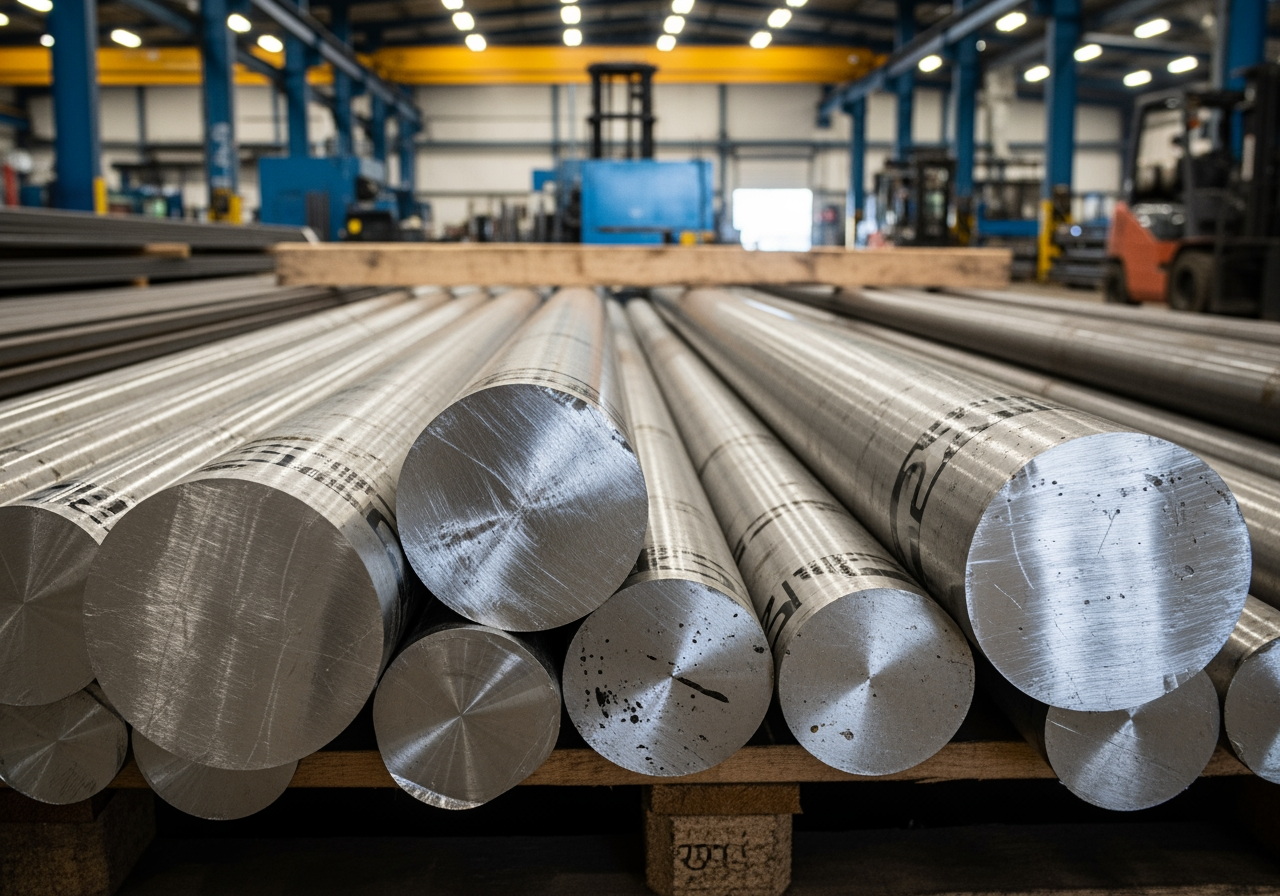 In many demanding industries, finding materials that can withstand extreme conditions is a constant challenge. When components must endure intense heat and corrosive environments, standard options often fall short. This is where 347 stainless steel round bar steps in, offering a specialized solution for critical applications.
This unique stainless steel is known for its ability to resist intergranular corrosion, especially after welding and exposure to high temperatures. Its exceptional properties make it a go-to choice in sectors like aerospace, power generation, and chemical processing.
In this comprehensive guide, we will explore everything you need to know about 347 stainless steel round bar. We’ll dive into its distinct chemical and mechanical properties, compare it to other common stainless steel grades, and highlight its main applications. We will also discuss important considerations for fabrication, heat treatment, and how to source this vital material. For those seeking reliable materials, understanding the specifications of High-quality 347 stainless round bar is essential. We aim to equip you with the knowledge to make informed decisions for your next project.
Understanding the distinctive characteristics of 347 stainless steel is crucial for appreciating its value in specialized applications. This austenitic grade stands out primarily due to its stabilization, which grants it superior performance in conditions where other stainless steels might fail.
Chemical Composition and the Role of Columbium (Niobium)
At its core, 347 stainless steel is an austenitic chromium-nickel alloy, similar in many ways to 304 stainless steel. However, its defining feature is the addition of stabilizing elements: columbium (niobium) and, to a lesser extent, tantalum. These elements play a pivotal role in preventing a phenomenon known as intergranular corrosion.
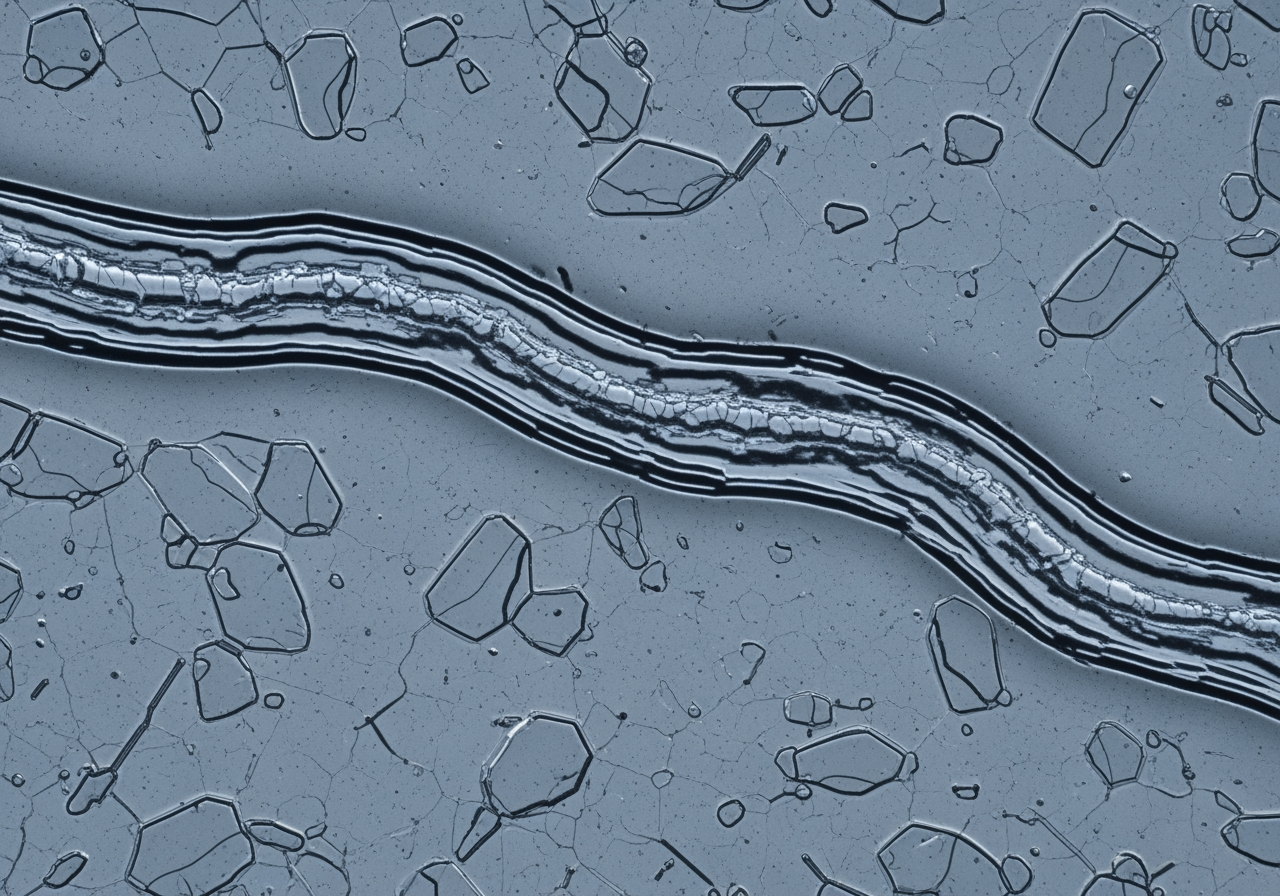
When standard austenitic stainless steels like 304 are exposed to temperatures between 800°F and 1500°F (427°C and 816°C), a process called sensitization can occur. During sensitization, chromium carbides precipitate at the grain boundaries. This depletes the surrounding areas of chromium, making them susceptible to corrosive attack, particularly in the presence of aggressive media. This is especially problematic in the heat-affected zone (HAZ) of welds, where the material experiences these critical temperatures.
The columbium and tantalum in 347 stainless steel have a higher affinity for carbon than chromium does. This means they preferentially combine with carbon to form stable carbides, effectively “locking up” the carbon and preventing it from reacting with chromium at the grain boundaries. This stabilization ensures that the chromium remains in solid solution, maintaining the alloy’s corrosion resistance even after prolonged exposure to high temperatures or welding. The result is a microstructure that resists intergranular attack, making 347 an invaluable material for welded components operating in high-temperature corrosive environments.
This stabilization is a key differentiator, making 347 stainless steel a robust choice where weld integrity and corrosion resistance at liftd temperatures are paramount. For more detailed information on various Stainless Steel Grades and their compositions, consulting specialized resources can be highly beneficial.
Key Mechanical and Physical Properties
Beyond its unique chemical composition, 347 stainless steel round bar exhibits a range of mechanical and physical properties that contribute to its suitability for demanding applications.
- Tensile Strength: Typically around 75 ksi (515 MPa), indicating its ability to withstand significant pulling forces before fracturing.
- Yield Strength: Approximately 30 ksi (205 MPa), representing the stress at which the material begins to deform permanently.
- Elongation: With an elongation of around 40% in 50mm, 347 demonstrates excellent ductility, allowing it to be formed and shaped without fracturing, and providing good toughness.
- Hardness: Its hardness generally falls around 201 Brinell or 95 Rockwell B, offering good wear resistance without being overly brittle.
- Density: Approximately 0.288 lbm/in³ (8.0 g/cm³), similar to other austenitic stainless steels.
- Melting Point: The melting range is typically between 2550-2635°F (1400-1446°C).
- High Creep Strength and Stress Rupture Properties: Due to its stabilized nature and higher carbon content (in the 347H variant), 347 stainless steel offers superior resistance to deformation under sustained stress at liftd temperatures compared to unstabilized grades. This is critical for applications where components operate under constant load in hot environments.
- Excellent Toughness: Like other austenitic stainless steels, 347 retains excellent toughness even at cryogenic temperatures, broadening its application range beyond just high-temperature service.
These properties collectively ensure that 347 stainless steel round bar can perform reliably in harsh conditions, maintaining its structural integrity and resistance to degradation over long periods.
How 347 Compares to 304 and 321 Stainless Steel
To truly appreciate the advantages of 347 stainless steel, it’s helpful to compare it with other common austenitic grades, particularly 304 and 321, which it often competes with or is chosen over for specific applications. All three are part of the broader 300 Series Stainless Steel.
- Feature / Grade 304 Stainless Steel 321 Stainless Steel 347 Stainless Steel Stabilizing Element None (unstabilized) Titanium Columbium (Niobium) and Tantalum High-Temp Strength Good, but susceptible to sensitization at 800-1500°F Good, improved creep and stress rupture properties Excellent, superior creep and stress rupture properties Intergranular Corrosion Resistance Poor in HAZ after welding/high-temp exposure Excellent (titanium stabilizes carbon) Excellent (columbium/tantalum stabilizes carbon) Primary Advantage General purpose, cost-effective Good for high-temp service, especially welded Best for high-temp, welded applications, superior to 321 in some aqueous/low-temp environments Typical Applications Kitchen sinks, food processing, general fabrication Aircraft exhaust manifolds, boiler casings, furnace parts Aircraft exhaust manifolds, chemical process equipment, power generation 304 Stainless Steel: This is the most common austenitic stainless steel, known for its excellent corrosion resistance, formability, and weldability. However, it is unstabilized, meaning it is prone to sensitization and intergranular corrosion when welded or exposed to temperatures in the 800-1500°F range. For applications involving welding and subsequent high-temperature service, 304 is often not the ideal choice.
- 321 Stainless Steel: Like 347, 321 is a stabilized austenitic stainless steel. It uses titanium to prevent carbide precipitation and intergranular corrosion. This makes 321 a good alternative to 304 for high-temperature applications, particularly where welding is involved. However, 347 often offers slightly better resistance to strongly oxidizing environments and can have superior creep and stress rupture properties compared to 321, especially in certain aqueous and lower-temperature corrosive conditions. Titanium carbides are also more stable at higher temperatures than columbium carbides, but columbium is generally preferred for its better weldability characteristics and its ability to dissolve more readily during annealing.
In summary, while 304 is a general-purpose workhorse, both 321 and 347 are designed for high-temperature, welded applications where intergranular corrosion is a concern. The choice between 321 and 347 often comes down to specific service conditions, with 347 generally favored for its robust stabilization and performance in critical environments. For more detailed comparisons and to select the right material for your needs, suppliers like Universal Stainless & Alloy Products offer comprehensive data on Grade 347 Stainless Steel.
Applications and Industries Benefiting from High-quality 347 stainless round bar
The unique combination of high-temperature strength, excellent weldability without post-weld annealing, and superior resistance to intergranular corrosion makes 347 stainless steel round bar indispensable in several critical industries.
Advantages in High-Temperature and Corrosive Environments
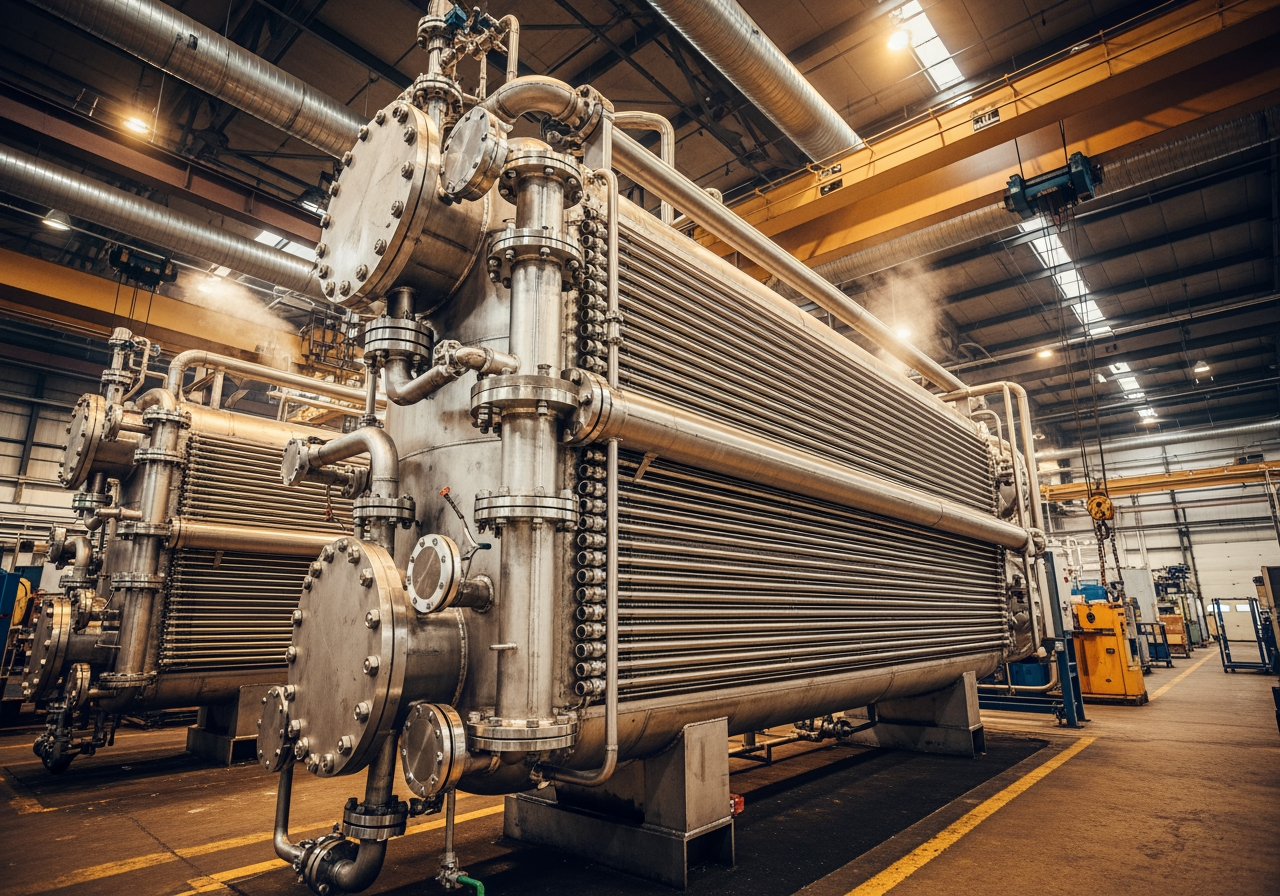
The primary strength of 347 stainless steel lies in its performance in environments characterized by both high temperatures and corrosive media. Its columbium stabilization effectively combats sensitization, allowing it to operate continuously in the critical temperature range of 800°F to 1500°F (427°C to 816°C) without succumbing to intergranular attack. This is a significant advantage over unstabilized grades like 304/304L, which would be highly susceptible to corrosion in these conditions.
Furthermore, 347 stainless steel offers improved resistance to polythionic acid stress corrosion cracking. This is particularly important in petroleum refining and chemical processing industries, where sulfur-containing compounds can lead to severe material degradation. The material’s ability to maintain its integrity in these challenging conditions ensures the longevity and safety of critical components. Its superior creep and stress rupture properties also mean it can withstand prolonged mechanical stress at liftd temperatures, making it ideal for heavy welded equipment and structures that cannot be solution-annealed after fabrication.
Key Industry Applications for High-quality 347 stainless round bar
The robust properties of 347 stainless steel round bar translate into a wide array of applications across various high-stakes industries.
- Aerospace: In the demanding world of aerospace, components must endure extreme temperatures and stresses. 347 stainless steel is frequently used for:
- Exhaust manifolds
- Aircraft collector rings
- Rocket engine parts
- Jet engine components Its ability to maintain strength and corrosion resistance at high temperatures is crucial for the safety and performance of aircraft. Rolled Alloys provides further insights into the aerospace applications of 347 Stainless.
- Power Generation: Power plants, especially those involving steam generation, operate at high temperatures and pressures. 347 stainless steel round bar is employed in:
- Boiler tubes
- Radiant superheaters
- High-pressure steam pipes
- Heat exchanger tubes Its resistance to intergranular corrosion and creep at liftd temperatures ensures the reliability and efficiency of power generation equipment.
- Chemical & Petrochemical Processing: These industries deal with highly corrosive chemicals and high-temperature reactions. 347 is vital for:
- Reactor equipment
- Heat exchanger tubes and piping systems
- Distributor trays and thermowells
- Components in fluid catalytic cracking (FCC) units The material’s resistance to polythionic acid stress corrosion cracking and general corrosion makes it a preferred choice for ensuring process safety and equipment longevity.
- Oil & Gas: In the upstream and downstream sectors of the oil and gas industry, materials must withstand harsh drilling, extraction, and refining conditions. Key applications include:
- Refinery piping
- Components in sour gas service (where NACE MR0175/ISO 15156 compliance is often required)
- Heater tubes
- Hanger rods in high-temperature environments Its durability in corrosive, high-temperature, and high-pressure settings is essential for reliable operations.
These applications highlight why 347 stainless steel round bar is considered a premium material for critical components where failure is not an option. For a broader view of available forms and applications, exploring various Stainless Steel Products can offer additional context.
Fabrication and Working with 347 Stainless Steel Bar
While 347 stainless steel offers exceptional properties, understanding its fabrication characteristics is key to successful application. Its unique composition, particularly the stabilization with columbium, influences how it should be welded, heat-treated, and machined.
Weldability Considerations
One of the significant advantages of 347 stainless steel is its excellent weldability. As an austenitic stainless steel, it can be readily joined using all standard fusion and resistance welding processes. The columbium stabilization is crucial here: it prevents the precipitation of chromium carbides in the heat-affected zone (HAZ) during welding. This means that, unlike unstabilized grades like 304, 347 stainless steel typically does not require post-weld annealing to restore its intergranular corrosion resistance. This simplifies fabrication processes, reduces costs, and is particularly beneficial for large or complex welded structures that are difficult to heat treat after assembly.
When welding 347 stainless steel, it is generally recommended to use matching filler metals, such as AWS E/ER347. Low heat input should be maintained during welding to minimize any potential for hot cracking. While stabilization largely mitigates intergranular corrosion risks, proper welding techniques are still essential to ensure the structural integrity and performance of the weldment. For applications that demand precise control over material properties, information from suppliers like Castle Metals on Stainless 347 Bar can be very helpful.
Heat Treatment and Machinability
Despite its excellent weldability, the heat treatment of 347 stainless steel requires specific considerations:
- Annealing: The typical annealing temperature range for 347 stainless steel is between 1800°F and 2000°F (982°C and 1093°C), followed by rapid cooling (water quenching or air cooling) to retain the carbides in solution. This process optimizes corrosion resistance and ductility.
- Stress Relief Annealing: A notable benefit of 347 is that it can be stress relief annealed within the carbide precipitation range (800°F to 1500°F or 427°C to 816°C) without the danger of subsequent intergranular corrosion. This is a direct result of its stabilization, which prevents harmful carbide formation at these temperatures.
- Hardening: It is important to note that 347 stainless steel cannot be hardened by heat treatment. Like other austenitic grades, its strength is primarily achieved through cold working.
When it comes to machinability, 347 stainless steel is similar to other austenitic grades, which are generally tougher and more prone to work hardening than ferritic or martensitic stainless steels. This can make machining challenging:
- Tough and Stringy Chips: The material tends to produce tough, stringy chips, which can interfere with the cutting process and chip evacuation.
- Work Hardening: It work hardens rapidly, which can lead to increased tool wear.
- Recommendations: To overcome these challenges, machinists typically use slower cutting speeds, heavier feeds, and sharp, rigid tooling. Adequate coolant is also essential to manage heat and lubricate the cutting edge. Carbide tooling is often preferred for its resistance to wear.
Careful attention to these fabrication details ensures that the inherent benefits of 347 stainless steel round bar are fully realized in the final product.
Sourcing and Specifications for 347 Stainless Steel Round Bar
Acquiring the correct 347 stainless steel round bar for your application requires a clear understanding of its available forms, sizes, finishes, and the relevant industry standards. Choosing a reputable supplier is equally important to ensure material quality and compliance.
Common Forms, Sizes, and Finishes
347 stainless steel is available in various forms to suit diverse manufacturing needs, with round bar being a particularly common and versatile option.
- Forms: While our focus is on Round Bar, 347 stainless steel is also supplied as:
- Square Bar
- Hex Bar
- Flat Bar
- Sheet and Plate
- Tube and Pipe
- Forgings
- Sizes: Round bars are typically available in a wide range of diameters, from small diameters (e.g., 1/8 inch or 3mm) up to very large diameters (e.g., 24 inches or 600mm), and in various standard lengths (e.g., 10-12 feet or 3-6 meters) or custom cut lengths.
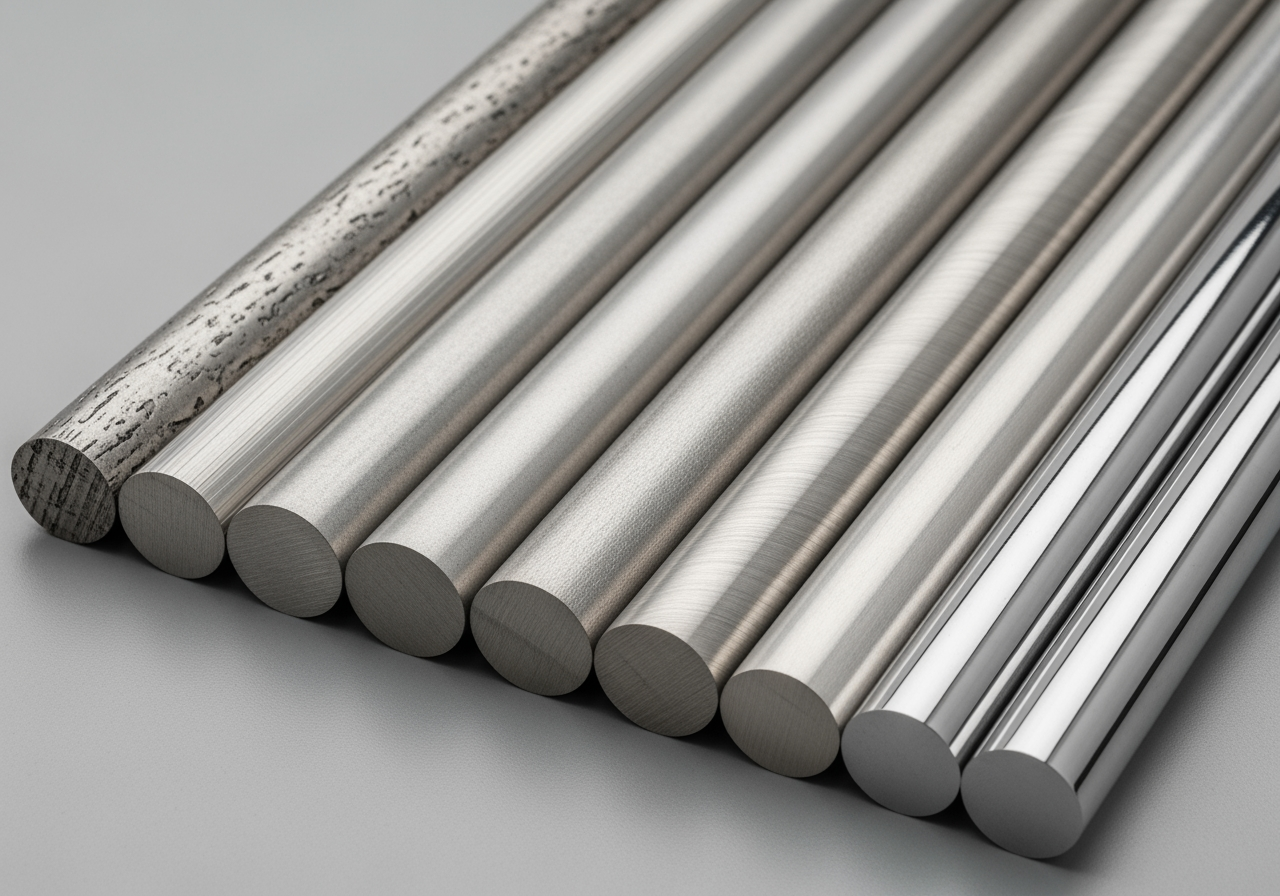
- Finishes: The surface finish can significantly impact the material’s performance and appearance. Common finishes for 347 stainless steel round bar include:
- Hot-rolled annealed and pickled (HRAP): A rough, dull finish suitable for applications where appearance is not critical, and further processing (machining, grinding) is expected.
- Cold-drawn (CD): Provides a smoother surface, tighter tolerances, and increased strength compared to hot-rolled.
- Centerless ground (CG): Offers a highly smooth, precise surface finish with very tight diameter tolerances, often used for shafting or precision components.
- Polished: Achieves a bright, reflective surface, primarily for aesthetic or hygienic applications.
- Rough Turned (HR RT): A finish applied to larger hot-rolled bars to remove scale and achieve a consistent diameter, still requiring further machining for precision.
The choice of form, size, and finish depends entirely on the specific requirements of the end application, including dimensional accuracy, surface quality, and mechanical properties. Forte Precision Metals offers a range of options for 347 Stainless Steel Round Bar.
Understanding Key Standards for High-quality 347 stainless round bar
Adherence to industry standards is paramount when specifying and procuring 347 stainless steel round bar. These standards ensure consistency in chemical composition, mechanical properties, and manufacturing quality. Key specifications include:
- ASTM A276 (Standard Specification for Stainless Steel Bars and Shapes): This is one of the most common specifications for 347 stainless steel bar products, covering hot-finished or cold-finished bars, except for bars for reforging. It outlines chemical composition, mechanical properties, and testing requirements.
- ASTM A479 (Standard Specification for Stainless Steel Bars and Shapes for Use in Boilers and Other Pressure Vessels): This specification is crucial for applications in pressure-containing equipment, providing more stringent requirements for chemical composition, mechanical properties, and testing.
- AMS 5646 (Aerospace Material Specification): For aerospace applications, AMS 5646 is a critical standard, often specifying tighter controls on chemistry, heat treatment, and mechanical properties to meet the rigorous demands of aircraft and spacecraft components.
- UNS S34700 (Unified Numbering System): This is the standard UNS designation for the basic 347 stainless steel grade.
- UNS S34709 (Unified Numbering System): This designation refers to 347H, the higher carbon version of 347, specifically designed for improved high-temperature strength and creep resistance, particularly for service above 1000°F (538°C).
- NACE MR0175/ISO 15156: This standard is vital for materials used in hydrogen sulfide (H2S) containing environments in oil and gas production, ensuring resistance to sulfide stress cracking. 347 stainless steel often meets the requirements of this standard for specific conditions.
Other equivalent international standards may include EN 1.4550 (European Norm), JIS SUS 347 (Japanese Industrial Standards), and various BS (British Standards) or GOST (Russian Standards). Always ensure that the material you procure meets the specific standards required by your project and industry. For a deeper dive into specifications and pricing for various forms of Stainless Steel 347 Round Bar, specialized suppliers can provide valuable insights.
What to Look for in a Supplier
Choosing the right supplier for 347 stainless steel round bar is as important as understanding the material itself. A reliable supplier ensures you receive high-quality, compliant material that meets your project’s demands.
- Material Test Certificates (MTC): Always request and review MTCs. These documents provide full traceability of the material, including its chemical composition, mechanical properties, and the standards it conforms to.
- EN 10204 3.1 Compliance: Look for suppliers who can provide MTCs compliant with EN 10204 3.1, which signifies that the material has been tested by the manufacturer and verified by an authorized inspector. For more critical applications, EN 10204 3.2, which involves independent third-party inspection, may be required.
- Traceability: Ensure the material can be traced back to its original melt and manufacturing batch. This is crucial for quality control and in case of any material-related issues.
- Stock Availability: A supplier with a comprehensive inventory of 347 Stainless Steel in various sizes and forms can provide quicker turnaround times and meet urgent requirements.
- Processing Capabilities: Inquire about their in-house processing capabilities, such as cutting (saw cutting, shearing), grinding, or polishing. This can save time and cost by receiving material pre-processed to your specifications.
- Industry Expertise: A supplier with experience in supplying 347 stainless steel to industries like aerospace, chemical processing, or power generation will better understand your specific needs and challenges.
- Quality Assurance: Look for suppliers with robust quality management systems and certifications (e.g., ISO 9001).
A reputable source for High-quality 347 stainless round bar will provide certified materials that meet all required specifications, offering peace of mind and ensuring the success of your project.
Frequently Asked Questions about 347 Stainless Steel Bar
To further clarify common inquiries about this specialized material, we’ve compiled answers to some frequently asked questions.
Can 347 stainless steel be used at cryogenic temperatures?
Yes, absolutely. Like other austenitic stainless steels (such as 304 and 316), 347 stainless steel retains excellent toughness and ductility even at extremely low, or cryogenic, temperatures. Unlike some other stainless steel types that can become brittle at very cold temperatures, the austenitic microstructure of 347 ensures it maintains its mechanical properties, making it suitable for applications in cryogenic environments where structural integrity is critical.
Is post-weld heat treatment required for 347 stainless steel?
Generally, no. This is one of the key advantages of 347 stainless steel. The stabilization with columbium (and tantalum) effectively prevents the formation of chromium carbides at grain boundaries during welding and subsequent exposure to high temperatures (800°F to 1500°F). This eliminates the need for a post-weld solution anneal, which would otherwise be necessary for unstabilized grades like 304 to restore their intergranular corrosion resistance. This simplifies fabrication, reduces costs, and is especially beneficial for large or complex welded structures that are difficult to heat treat after assembly.
What is the difference between 347 and 347H stainless steel?
The primary difference between 347 and 347H (UNS S34709) stainless steel lies in their carbon content and, consequently, their high-temperature performance.
- 347 (UNS S34700): Has a maximum carbon content of 0.08%.
- 347H (UNS S34709): Has a higher carbon content, typically ranging from 0.04% to 0.10%.
This higher carbon content in 347H provides improved high-temperature strength and creep resistance. Creep is the tendency of a solid material to move slowly or deform permanently under the influence of persistent mechanical stresses. For applications demanding superior strength and resistance to deformation at temperatures above approximately 1000°F (538°C), 347H is the preferred choice. Both grades benefit from columbium stabilization for intergranular corrosion resistance.
Conclusion
In the intricate world of advanced engineering and demanding industrial applications, the choice of material can make all the difference. The 347 stainless steel round bar stands out as a premier solution, offering a unique blend of properties that address some of the most challenging operating conditions.
Its exceptional stabilization with columbium (niobium) and tantalum is the cornerstone of its performance, providing superior resistance to intergranular corrosion, particularly after welding and exposure to high temperatures. This characteristic, combined with its high creep and stress rupture strength, makes it an invaluable asset in environments where both heat and corrosive media are present.
From the high-stakes components of aerospace engines and power generation systems to the critical equipment in chemical and petrochemical processing, 347 stainless steel round bar ensures reliability and longevity. Its excellent weldability, often without the need for post-weld heat treatment, further streamlines fabrication processes, contributing to efficiency and cost-effectiveness.
As industries continue to push the boundaries of performance and durability, the demand for materials that can withstand extreme conditions will only grow. The 347 stainless steel round bar, with its proven track record of high-temperature strength, superior corrosion resistance, and excellent weldability, is ready to remain a vital material in advanced engineering for years to come. When your project demands uncompromising quality and performance, explore the comprehensive range of Stainless Steel Products available from trusted suppliers.