
Water Pressure Issues: Causes, Fixes, and When to Call a Professional
Table of Contents
Common Causes of Water Pressure Problems
Houses rely on strong and consistent water pressure to keep everything from showers to dishwashers running smoothly. When you notice faucets trickling or appliances taking longer to fill, several issues could be at play. One of the first steps in resolving water pressure issues is understanding their source. Sometimes, it’s a simple fix. At other times, help from professionals specializing in HVAC repair and tune-ups in St. George, UT, can ensure safe, long-lasting plumbing solutions.
Key culprits for low water pressure include partially closed valves, malfunctioning pressure regulators, leaks or pipe damage, and mineral buildup in fixtures. In some cases, aging pipes—particularly those made of galvanized steel—can corrode, restricting water flow throughout your home.
Water pressure can also be affected by issues outside your property. Sometimes, a pressure drop comes from your municipal supply system. If your neighbors are experiencing similar challenges, the root cause may be from city infrastructure or maintenance activities.
Never overlook pressure issues, as even mild symptoms can indicate a developing problem or hidden leaks that risk water damage and increased bills.
DIY Fixes for Water Pressure Issues
If you’re experiencing low water pressure, there are several troubleshooting steps homeowners can try before seeking outside assistance. First, check both your main water shutoff and any interior valves to guarantee they’re open and unobstructed. Closing or partially closing these valves often results in reduced water flow.
Next, clean your aerators and showerheads. Mineral deposits, especially in regions with hard water, can clog these fixtures. Unscrew them, rinse off any buildup, and soak in vinegar if necessary. Inspect your plumbing for visible leaks by looking for damp spots, mold, or higher-than-normal water usage on your bill. You can also monitor your water meter when no water is running to detect hidden leaks.
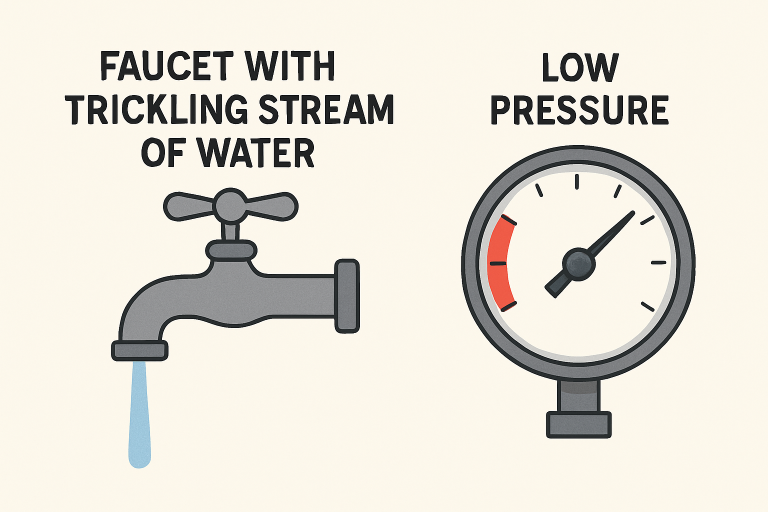
Testing your home’s water pressure is straightforward with a simple pressure gauge, available at most hardware stores. Attach the gauge to an exterior faucet and ensure the reading is within the typical 45–60 PSI range suggested by the EPA. If the pressure is outside this range, your regulator could be at fault.
When to Call a Professional Plumber
Persistent low water pressure after DIY troubleshooting points to more serious plumbing or supply issues. If multiple fixtures throughout your house are affected, there’s likely a deeper or systemic concern—such as main line breaks, severe corrosion, or extensive leaks. Sudden, dramatic drops in pressure or water visible where it shouldn’t be are always a reason to consult a qualified plumber immediately. Adjusting, repairing, or entirely replacing old or corroded pipes is a job best left to licensed professionals due to the complexity and risks involved.
Preventative Measures to Maintain Optimal Water Pressure
The best defense against water pressure problems is proactive maintenance. Schedule annual plumbing inspections to detect and address deterioration or buildup before they become disruptive issues. Consider a water softener system if you live in a hard water area—these help reduce scale and mineral deposits that clog your pipes.
Monitoring water usage can also prevent unnecessary pressure loss. Space out times for laundry, showers, and dishwashing to avoid simultaneous system demand. Early action keeps your plumbing running efficiently and extends its service life.
Understanding the Role of Pressure Regulators
Your pressure regulator acts as a gatekeeper, ensuring that water entering your home arrives at a safe and consistent pressure. Over time, these devices may develop faults or wear out, resulting in either low or excessively high water pressure. As part of routine home maintenance, test the pressure regulator regularly—a failing regulator should be replaced promptly to avoid stress on pipes and fixtures.
Impact of Municipal Water Supply on Home Pressure
Municipal supply systems undergo routine maintenance, upgrades, and sometimes emergency repairs, all of which can temporarily affect your home’s pressure. During peak demand periods, such as summer afternoons, community-wide usage can also reduce the pressure delivered to individual homes. Staying informed about city water work or known pressure issues—for example, through local alerts or municipal websites—can help set your expectations and clarify the source of fluctuations.
Final Thoughts
Promptly addressing the causes of water pressure problems ensures a more comfortable and efficient home environment. Perform regular checks, give attention to minor symptoms, and don’t delay calling a professional for larger or persistent issues. Effective upkeep not only maintains optimal water pressure but also safeguards your property from costly water damage and unnecessary repair bills.