
The Hidden Damage Moss Can Cause to Residential Roofs
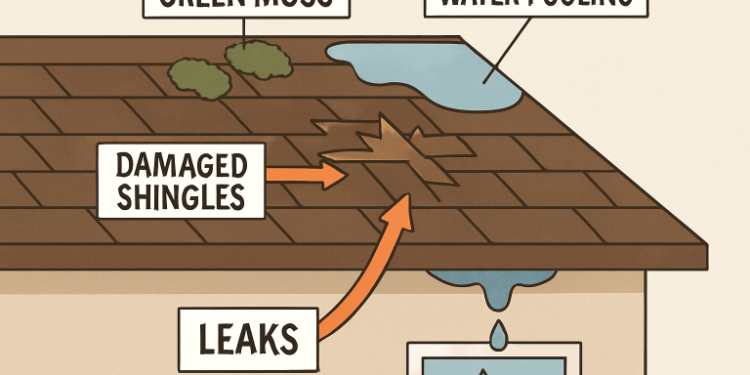
Moss on rooftops may look picturesque, especially in forested or damp environments, but it poses a significant threat to the integrity and longevity of residential roofs. What many homeowners may not realize is that unchecked moss can compromise roof structure, threaten their investment, and lead to costly repairs. The long-term effects are often underestimated until visible damage or interior leaks become apparent. For those facing persistent growth issues, professional intervention, such as expert Victoria moss removal services, can help address the problem before it escalates. Regular maintenance and early detection are key to preventing moss from taking hold and causing extensive structural damage.
Allowing moss to grow on your roof can shorten its lifespan and increase related risks, such as mold, leaks, and decreased energy efficiency. Proactive maintenance and risk awareness are crucial. One patch of moss can quickly spread, creating a widespread issue that may ultimately require significant repairs if not handled promptly and professionally.
Table of Contents
Moisture Retention and Shingle Damage
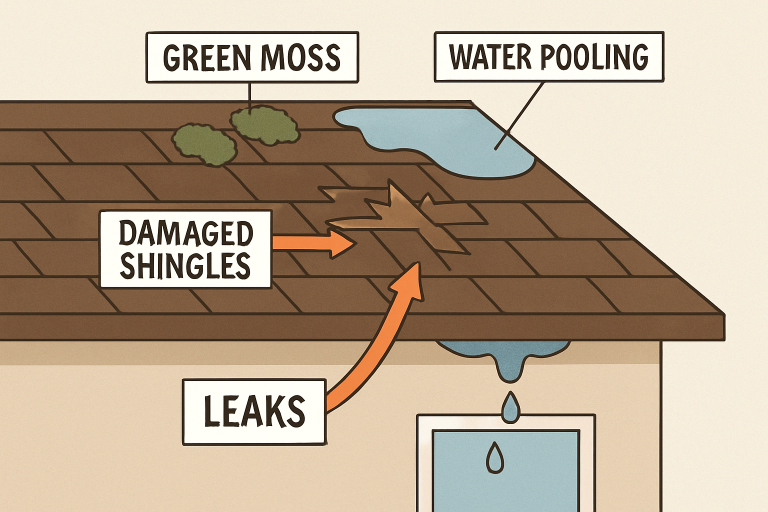
Moss acts like a dense sponge, soaking up and conserving moisture directly against the roof’s surface. This trapped moisture accelerates the aging of roofing materials, particularly asphalt shingles. Prolonged dampness can cause shingles to curl, crack, and eventually disintegrate. As shingles deteriorate, the protective outer layer wears thin, leaving the roof deck increasingly vulnerable to the elements. Timely moss removal is critical to avoid this preventive-maintenance pitfall.
Structural Issues and Roof Integrity
Unchecked moss growth is more than a cosmetic nuisance; it can wedge its way under roof shingles, lifting them up and allowing water to permeate beneath. This action creates small gaps that expose the underlying wooden roof structure to moisture. Once trapped, moisture promotes wood rot and fungal growth, weakening the decking and rafters. In some severe cases, this leads to a noticeable sag or even risks structural collapse, especially when compounded by heavy rainfall or snow loads. These hidden issues are often only noticed during major repairs or a home inspection.
Increased Risk of Leaks and Water Damage
Moss blocks the smooth flow of water off the roof, creating pools or dams. One prolonged rainstorm can be enough to cause severe leaks, water infiltration, and eventual staining and damage to interior ceilings and insulation. Persistent leaks can also foster mold or mildew growth, triggering more complex (and expensive) mitigation and remediation work for your home. The financial and health implications often outweigh the cost of early maintenance.
Impact on Energy Efficiency
A mossy roof doesn’t just damage shingles. It can also hinder a home’s energy efficiency. Wet insulation loses its ability to keep heat in during winter and out during summer, which can drive up heating and cooling costs. Clogged soffits and vents caused by moss also restrict proper attic ventilation. These ventilation woes can quickly translate to higher utility bills and additional moisture buildup inside the attic.
Health and Safety Concerns
Moss makes surfaces slippery and unsafe, complicating not just roof maintenance but any work done at height. Anyone venturing onto the roof, whether for cleaning or repairs, faces an increased risk of slips and falls. Indoors, the indirect effects of moss-related moisture and leaks can promote mold growth. For families with respiratory sensitivities or allergies, this can be a significant health risk, particularly for children, the elderly, or those with asthma.
Insurance Implications
Most home insurance policies require that homeowners maintain the structural integrity of their homes, including the roof. If an adjuster determines that leaks or structural deterioration were caused by homeowner neglect, such as failing to address moss growth, claims may be denied, or policies may be canceled. Documenting regular inspections and moss removal helps not only preserve your roof but also ensures your insurance policy remains valid and unchallenged if you need to make a claim.
Preventive Measures and Maintenance
Prevention remains the most effective strategy against moss-related roof damage. Homeowners should prune overhanging trees to allow more sunlight to reach the roof and regularly clear debris, including leaves and twigs, which can provide a breeding ground for moss. Gutters must be cleaned regularly to prevent blockages that can lead to long-term moisture buildup. Installing zinc or copper strips along the roof’s ridge line can help inhibit moss growth since rainfall naturally disperses moss-inhibiting metal ions over the shingles. Consistent inspections and immediate removal of any moss are essential steps in maximizing your roof’s lifespan and value.
Conclusion
Moss might lend a pastoral look to your home, but its presence on residential roofs can cause substantial, expensive damage over time. By recognizing early signs of risk and implementing effective control and remediation measures, homeowners can protect their investments and prevent the health, structural, and financial consequences of unchecked moss growth. Prioritizing maintenance now can save years of headaches and thousands of dollars in costly repairs in the long run.