
The Essential Guide to Environmental Site Assessment Equipment

Table of Contents
Understanding Pollutants and Health Risks
We spend most of our lives inside, yet we rarely think about the air we breathe there. Did you know indoor air can be much dirtier than the air outside? Studies show it can be two to five times worse. This matters because we spend about 90% of our time indoors.
Bad indoor air quality can cause immediate problems. You might feel dizzy, tired, or get headaches. Over time, it can lead to serious health issues like breathing problems, heart disease, and even cancer. Knowing what pollutants are in your air is key to protecting your health.
This guide will introduce you to Indoor Air Quality Monitors. We will explore what these devices look for, how they work, and the different kinds you can find. We’ll also help you understand what to consider when choosing the right Environmental and air quality monitors for your home, school, or workplace. Our aim is to help you create healthier indoor spaces.
The air we breathe indoors is a complex mixture, often containing various pollutants that can impact our health. Indoor air quality monitors are designed to detect these invisible threats, giving us the power to take action. Let’s delve into the most common pollutants and their associated health risks.

Particulate Matter (PM)
Particulate matter refers to tiny solid or liquid particles suspended in the air. These are often categorized by their size, which dictates how deeply they can penetrate our respiratory system and the severity of their health impact.
Gaseous Pollutants
Health Impacts Summary
The cumulative effect of these pollutants can range from mild, acute symptoms to severe, chronic diseases. Short-term effects often include dizziness, headaches, fatigue, and irritation of the eyes, nose, and throat. Chronic exposure, however, can lead to more serious conditions such as respiratory diseases (like asthma and bronchitis), cardiovascular disease, and various forms of cancer. Protecting our indoor air quality is therefore a critical step in safeguarding our overall health and well-being.
Here’s a quick overview of common indoor pollutants:
How Environmental Monitoring Equipment Tracks Air Quality
Understanding the invisible threats in our air is only possible with the right tools. Indoor air quality monitors employ various sophisticated technologies to detect and quantify pollutants.
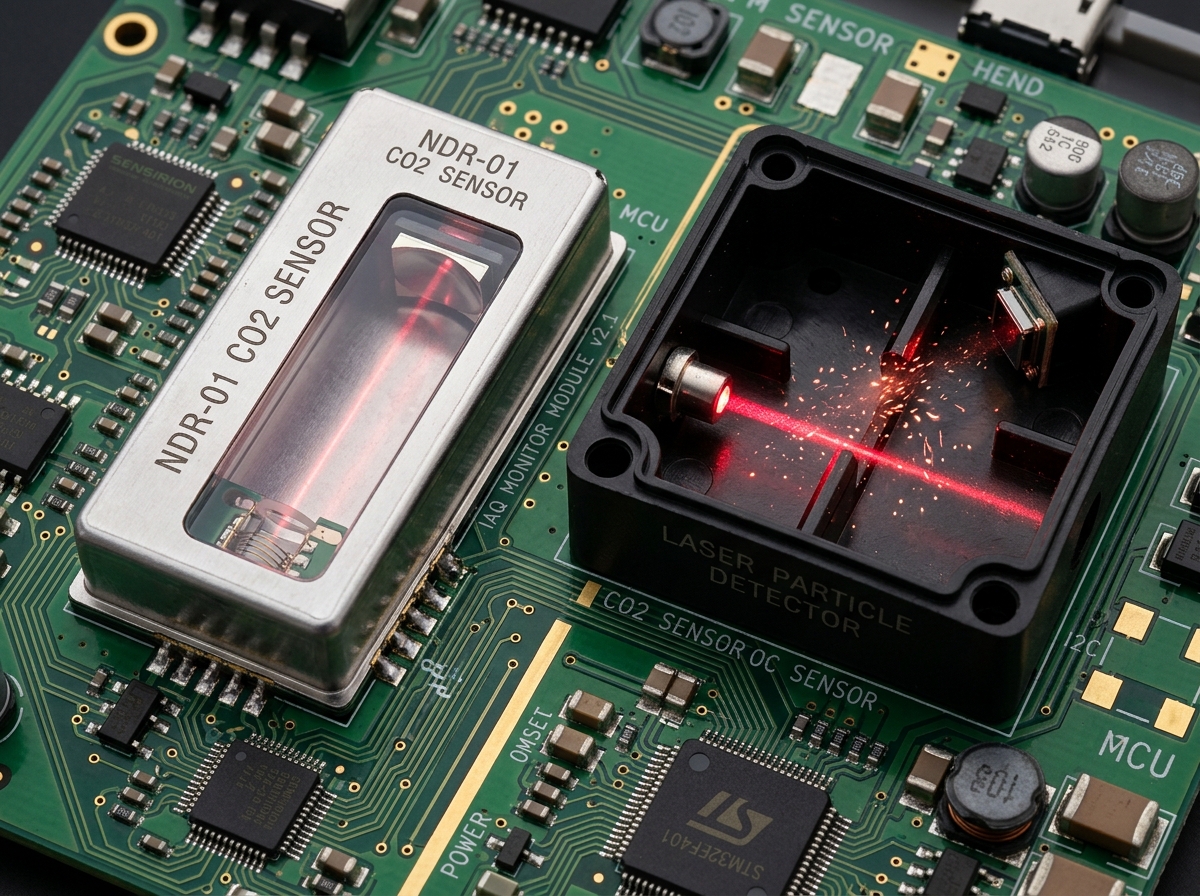
The Science Behind the Sensors
Different pollutants require different detection methods:
From Detection to Data
Modern air quality monitors don’t just detect pollutants; they provide actionable data:
Portable Environmental Monitoring Equipment
Portable monitors offer the flexibility to assess air quality in various locations. These handheld devices are designed for on-the-go assessment, allowing you to spot-check different rooms in your home, office, or even take readings when traveling.
Key features often include:
For comprehensive air quality assessment with a single device, especially in dynamic environments, exploring Multigas monitors comprehensive air quality assessment with single device can provide valuable insights into devices capable of measuring multiple parameters simultaneously.
Choosing the Right Environmental Monitoring Equipment
Selecting the ideal indoor air quality monitor depends on your specific needs and priorities. Consider these factors:
To ensure your monitor remains accurate and reliable, understanding the principles of calibration is key. For more in-depth information on maintaining your equipment, refer to our guide on How to choose the right air calibration equipment for your needs. For environments requiring detection of combustible gases or in confined spaces, specialized equipment is necessary.
Benefits Across Residential, Commercial, and Educational Settings
Indoor air quality monitors are not just gadgets; they are powerful tools that empower us to create healthier, safer, and more productive environments across various settings.
For Homes
For Schools and Offices
Here are some key benefits for commercial building managers:
Frequently Asked Questions about Environmental Monitoring
What is the difference between indoor and outdoor air quality monitoring?
While both aim to assess air purity, their focus and typical pollutants differ significantly. Indoor air quality monitoring is concerned with pollutants generated or trapped within enclosed spaces. This includes carbon dioxide (CO2) from respiration, volatile organic compounds (VOCs) from building materials and household products, radon gas seeping from the ground, formaldehyde from furniture, and particulate matter from cooking or indoor activities. The goal is to ensure adequate ventilation and identify internal sources of pollution.
Outdoor air quality monitoring, on the other hand, tracks ambient pollution from external sources. This often involves particulate matter (PM2.5, PM10) from traffic emissions, industrial activities, and natural events like wildfire smoke. It also measures gaseous pollutants like ozone, nitrogen dioxide, and sulfur dioxide. Outdoor monitors may also track environmental parameters like temperature, humidity, and barometric pressure to provide a comprehensive picture of atmospheric conditions. Devices like the AirVisual Pro are designed for indoor use, while the AirVisual Outdoor is specifically built to withstand external conditions and monitor a broader range of outdoor parameters.
How can I accurately interpret the data from a monitor?
Interpreting data effectively is crucial for taking meaningful action. The most common framework for understanding air quality data is the Air Quality Index (AQI), developed by the EPA. The AQI translates complex pollutant concentration measurements into a single, easy-to-understand scale with color-coded categories:
Many monitors and accompanying apps (like the EPA’s AirNow or the IQAir AirVisual app) display AQI values, making interpretation straightforward. For specific pollutants like CO2, general guidelines suggest maintaining levels below 800-1000 ppm for optimal cognitive function and ventilation. Always compare your monitor’s readings against established health guidelines and the AQI scale to understand the potential risks.
Are there any limitations to consumer-grade monitoring devices?
While consumer-grade indoor air quality monitors have become increasingly sophisticated and affordable, it’s important to be aware of their limitations compared to professional or reference-grade equipment:
Despite these limitations, consumer-grade monitors are highly effective for identifying general air quality trends, pinpointing pollution sources, and empowering individuals to make informed decisions about their indoor environments.
Conclusion
The air we breathe indoors profoundly impacts our health, productivity, and overall well-being. As we’ve explored, indoor air quality monitors are indispensable tools for identifying invisible pollutants, from fine particulate matter and volatile organic compounds to carbon dioxide and dangerous gases like radon and carbon monoxide. These devices, utilizing sophisticated sensor technologies like NDIR, laser scattering, and electrochemical detection, provide real-time insights and historical data, empowering us to take control of our indoor environments.
Whether for a healthier home, a more productive classroom, or a safer commercial space, the benefits of continuous monitoring are clear: reduced health risks, improved cognitive function, energy savings through optimized HVAC, and compliance with crucial building standards. By understanding the common pollutants, how monitors work, and what factors to consider when choosing one, we can all make informed decisions to safeguard the air we breathe. The future of environmental health lies in proactive monitoring and responsive action.
Ready to take the next step in ensuring optimal indoor air quality for your space? Explore our comprehensive range of environmental monitoring solutions and find the perfect fit for your needs. Visit our full collection of environmental monitoring equipment at https://www.envisupply.com/category/environmental-monitoring/.